What Makes a Portfolio-Worthy Landscape Photograph?
Why some images earn a permanent place in your portfolio while thousands of others never make the cut.
Every landscape photographer has experienced it.
You wake up at 4 a.m., drive for hours, hike in the dark, survive an assault from mosquitoes, and arrive at a spectacular location just in time for sunrise. The view is incredible. The light is decent. You take hundreds of photographs.
When you get home and load the images onto your computer, excitement quickly turns into disappointment.
The photographs are fine.
But they're not special.
I've come home from national parks with memory cards full of technically correct images that I never wanted to show anyone. I've also come home with a single photograph that immediately earned a place in my portfolio.
What's the difference?
After years of photographing landscapes throughout the North American West, I've realized that portfolio-worthy photographs have very little to do with expensive gear, exotic destinations, or even technical perfection.
They have everything to do with impact.
A Portfolio Is Not a Trophy Case
One of the biggest mistakes photographers make is treating a portfolio as a collection of their favorite trips.
A portfolio isn't a travel diary.
Nobody viewing your work cares that you woke up at 3 a.m., hiked ten miles, or stood in freezing rain waiting for the clouds to cooperate.
They only see the final photograph.
As painful as it can be, effort doesn't make an image portfolio-worthy.
Results do.
I've photographed famous locations throughout Yellowstone, Joshua Tree, Death Valley, and Saguaro National Parks. Some of those images never made it into my portfolio despite the effort required to capture them.
Meanwhile, a photograph captured only a few minutes from the road can sometimes become one of my strongest pieces.
Portfolio images earn their place based on visual impact, not personal attachment.
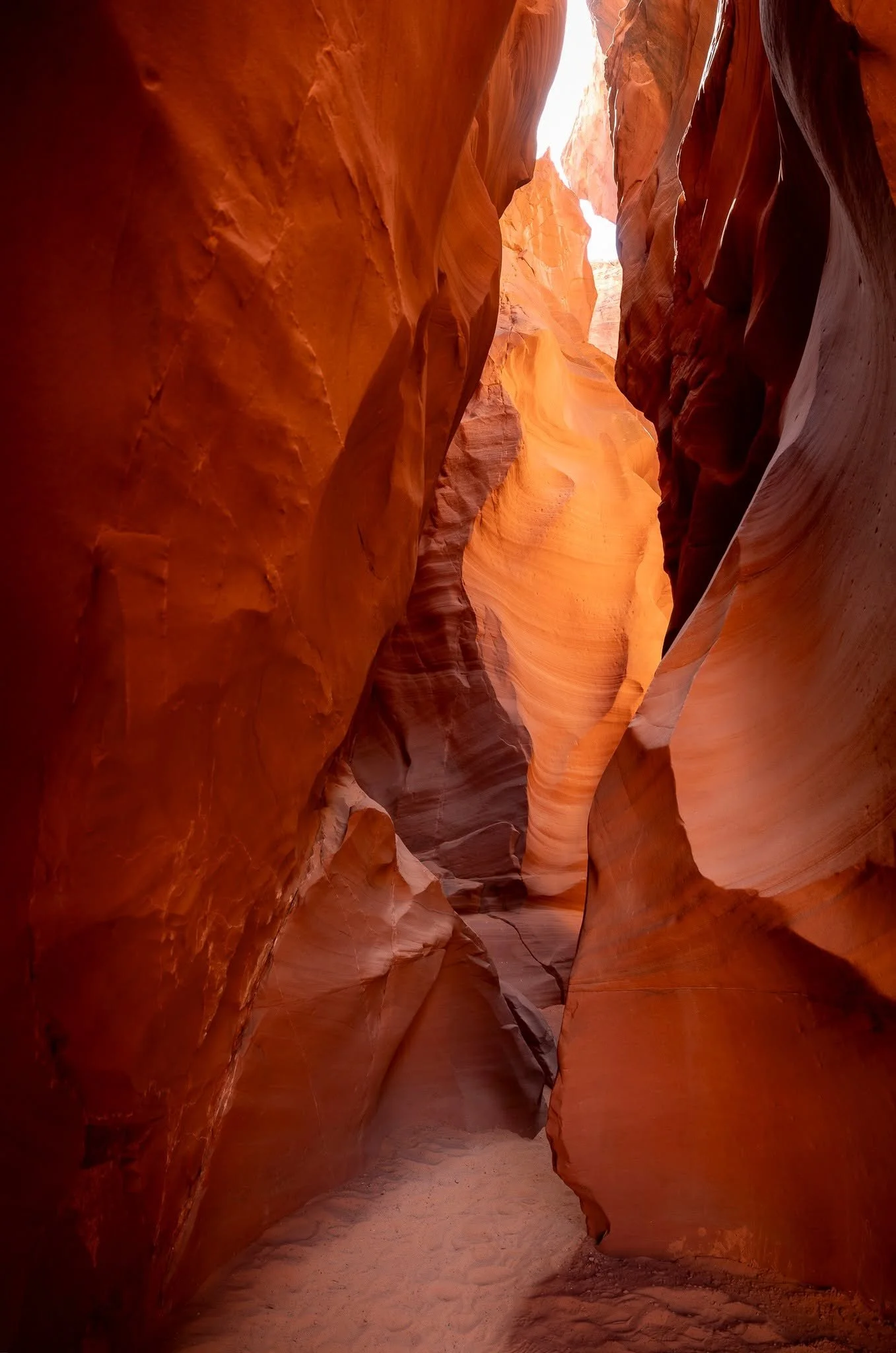
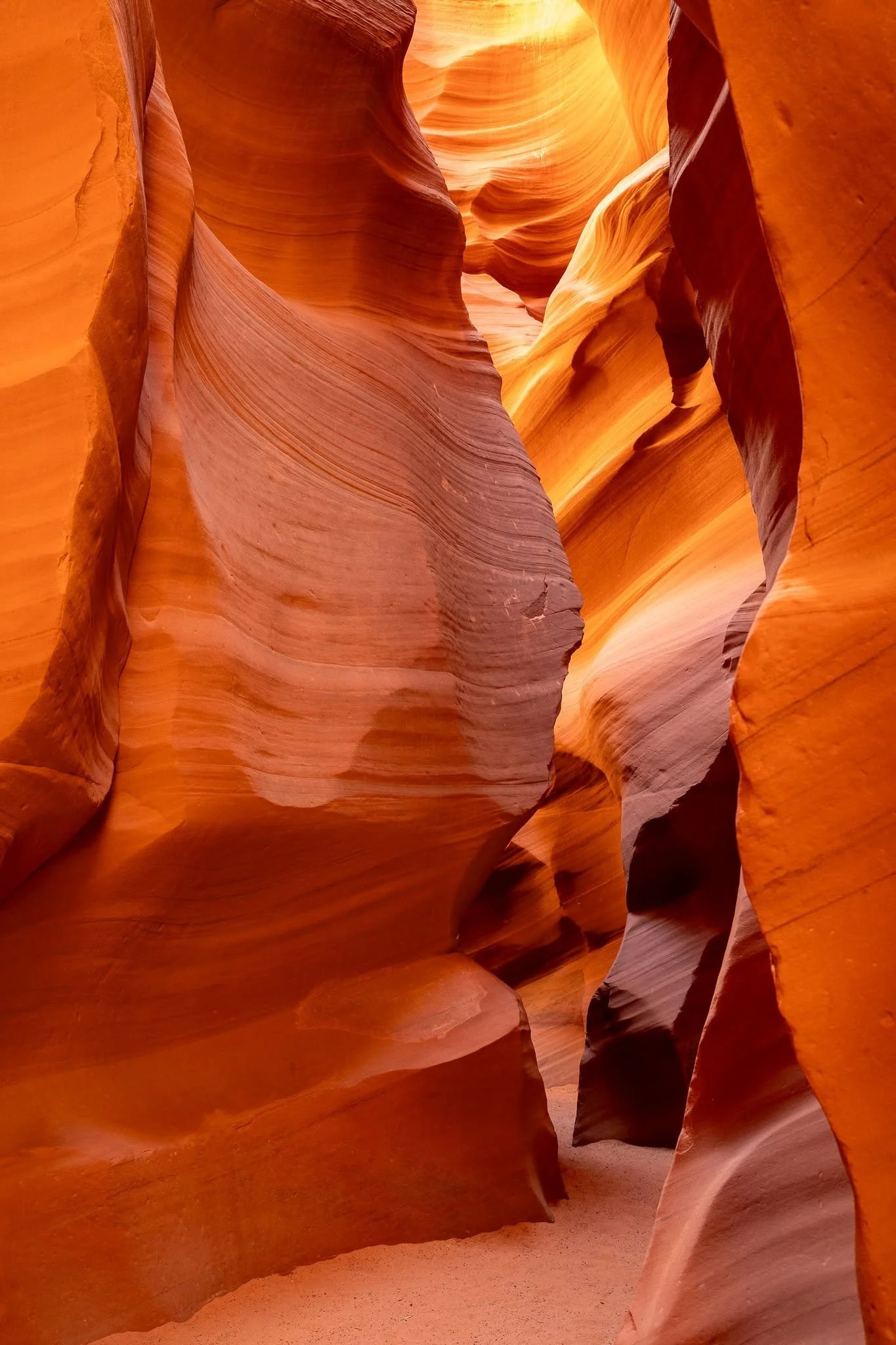
Two images from Antelope Canyon X - The image on the left is a miss, (even though it was more difficult to get to) and did not make it into my Arizona portfolio while the image on the right is a win and DID make it in. Why? They’re both essentially the same subject, but to me, the photo on the right is simply more aesthetically pleasing.
The First Ingredient: Exceptional Light
The landscape itself is only the stage.
Light is the star of the show.
The same mountain, tree, canyon, or desert scene can look completely different depending on the quality of light.
Flat midday light often produces documentary photographs.
Exceptional light produces emotional photographs.
When I review my strongest images, I notice a pattern. Almost all of them were captured during unusual conditions:
Storm light
Breaking clouds
Side lighting
Fog
Golden hour
Blue hour
Fresh snow
Rainbows
Atmospheric haze
The reality is that good locations are common.
Extraordinary light is rare.
Whenever possible, I try to plan trips around weather opportunities rather than simply clear skies.
Many of my favorite landscape photographs happened because conditions changed unexpectedly and I stayed long enough to take advantage of them.
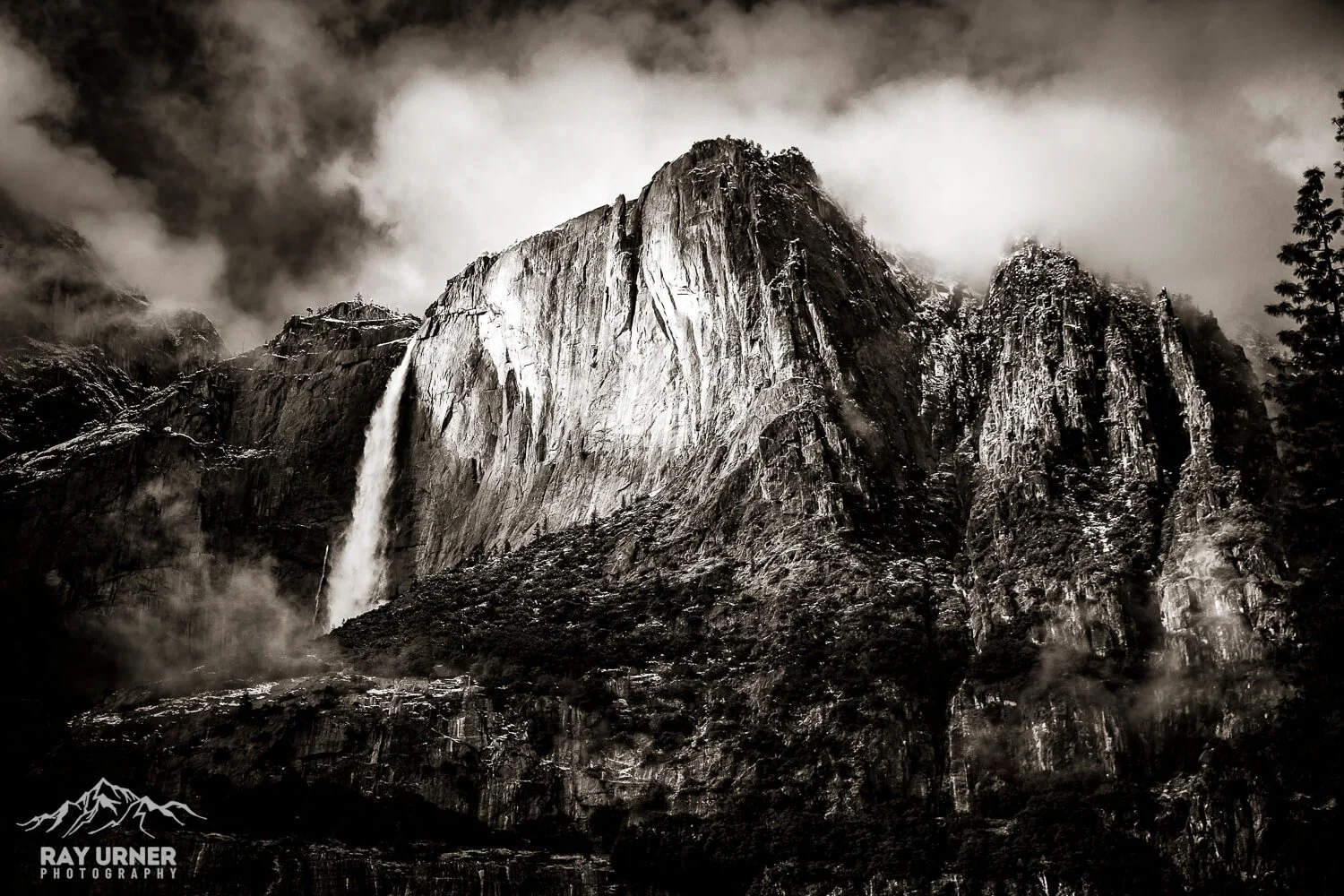
Clearing storm over Yosemite Falls
Composition Must Reward Exploration
A beautiful scene does not automatically create a beautiful photograph.
If it did, every visitor to a national park would be producing gallery-worthy images.
Composition is what separates seeing from photographing.
When I evaluate an image for my portfolio, I ask several questions:
Is there a clear subject?
Does the image guide the viewer's eye?
Is the foreground interesting?
Are there distractions?
Does the composition feel intentional?
One lesson I've learned is that the best compositions are rarely standing beside the parking lot.
Sometimes the difference between an average photograph and a strong photograph is moving twenty feet left, climbing a small ridge, or exploring a slightly different angle.
Photography rewards curiosity.
The strongest images often come from photographers willing to look beyond the obvious viewpoint.
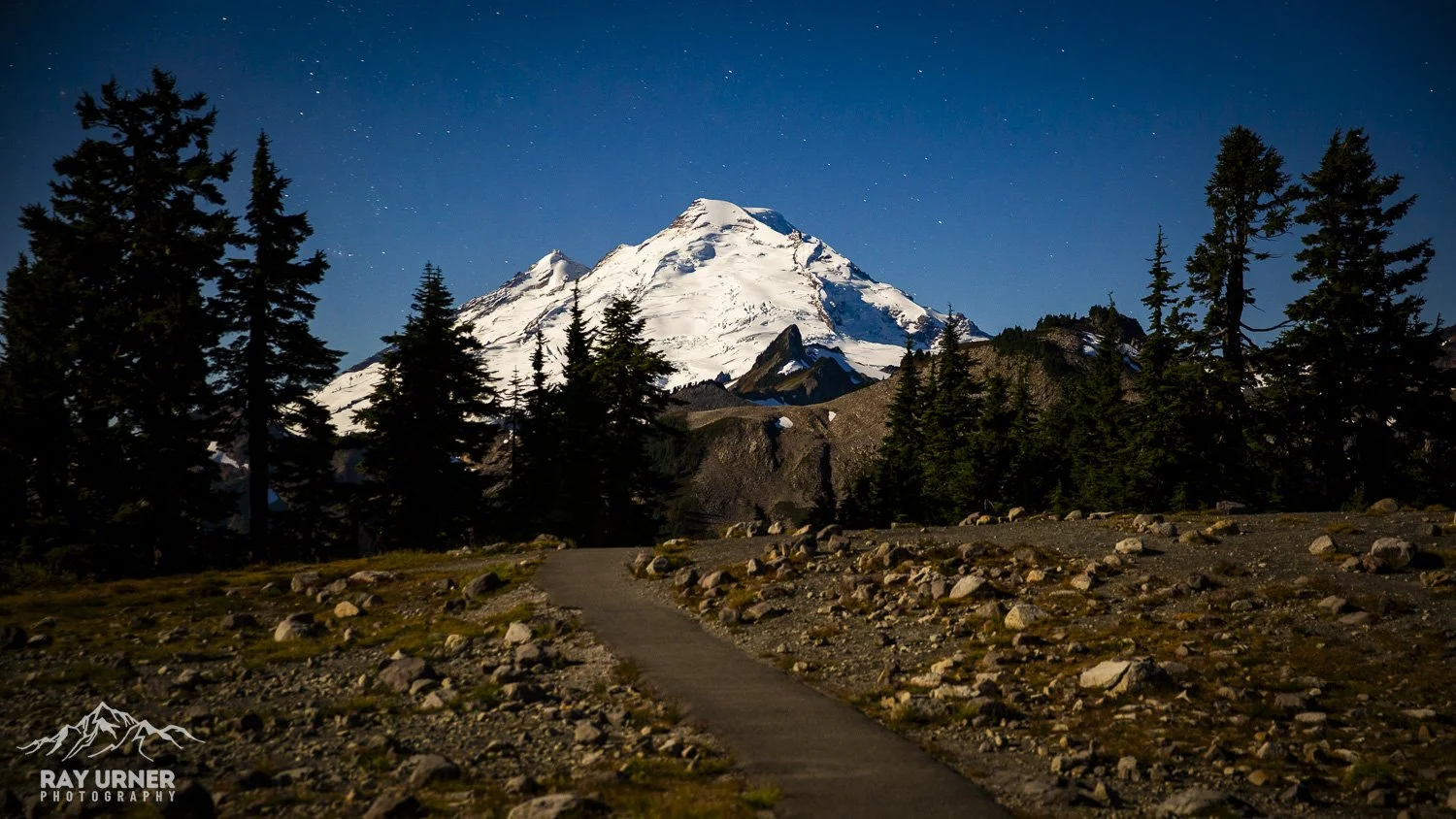
Mt. Baker at night. The leading line of the path goes directly to the hero of the image, while the night stars add to the ambiance.
The Photograph Needs Emotion
This is where many technically excellent images fail.
The exposure is perfect.
The focus is sharp.
The editing is clean.
But the image doesn't make the viewer feel anything.
The photographs that stay with us typically create an emotional response.
Maybe it's awe.
Maybe it's solitude.
Maybe it's mystery.
Maybe it's a sense of adventure.
Many times, photographs succeed because they communicate more than just geography. They communicate mood and atmosphere.
When reviewing your own work, ask:
"Would someone who has never visited this location still find this image interesting?"
If the answer is no, the image may depend too heavily on the location itself rather than the photograph.
Great photographs work even when the viewer doesn't know where they were taken.
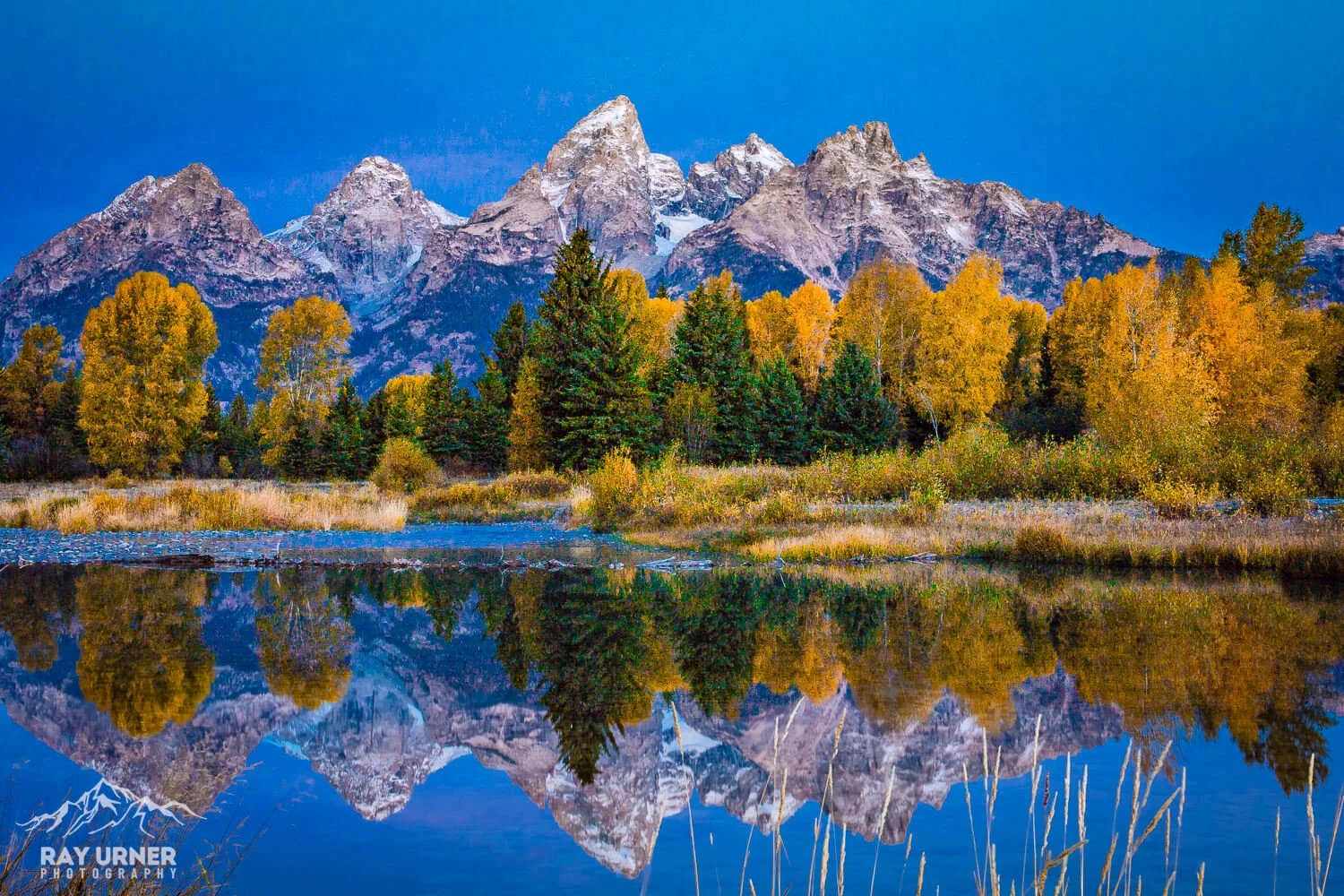
An early autumn morning in Grand Teton National Park. The Snake River was perfectly calm for this reflection. You can almost feel the peace and tranquility.
Technical Perfection Is Overrated
This might sound strange coming from someone who spends considerable time trying to get everything right in camera.
Technical quality matters.
But not as much as photographers often think.
I'd rather view an emotionally powerful photograph with minor technical flaws than a technically flawless photograph that says nothing.
Some of the most memorable landscape images ever created contain:
Motion blur
Noise
Imperfect sharpness
Extreme weather
Difficult lighting
When reviewing your portfolio, don't ask:
"Is this technically perfect?"
Ask:
"Is this memorable?"
Those are very different questions.
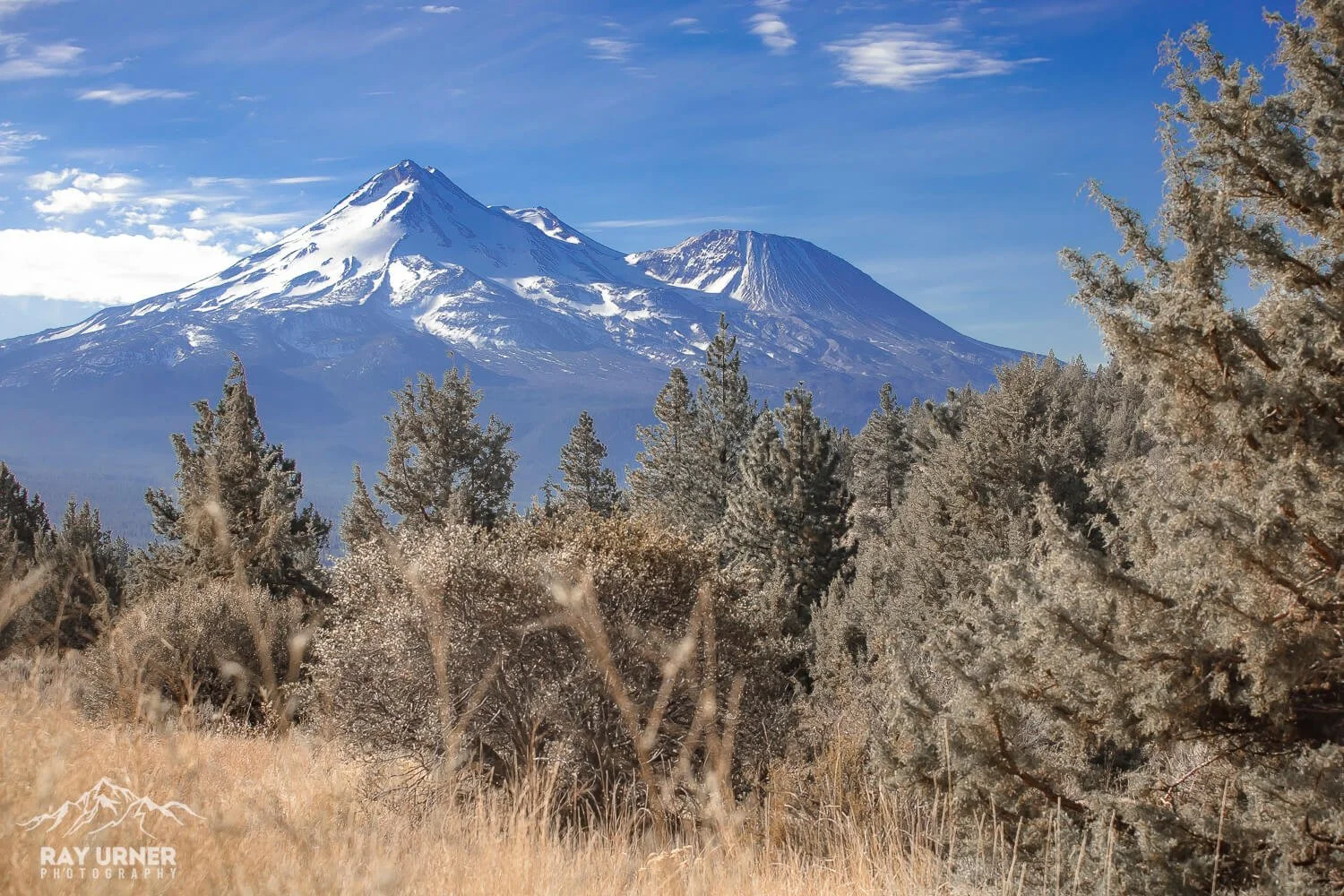
One of my favorite images of Mt. Shasta in California. Is it technically perfect? No - you could argue that the grass in the centre foreground is distracting, or that the highlights in the cloud on the left side of the frame are blown out. But I still love the FEEL of this image.
Would It Stop Someone Scrolling?
This is my favorite test.
Imagine your photograph appears in a social media feed full of wildlife, landscapes, travel photos, and family snapshots.
Would someone stop scrolling?
Not because they know you.
Not because they've been there.
Not because they feel obligated.
Would they stop because the image genuinely captured their attention?
Portfolio-worthy images create pause.
They invite viewers to spend time looking.
The longer someone studies a photograph, the stronger the image usually is.
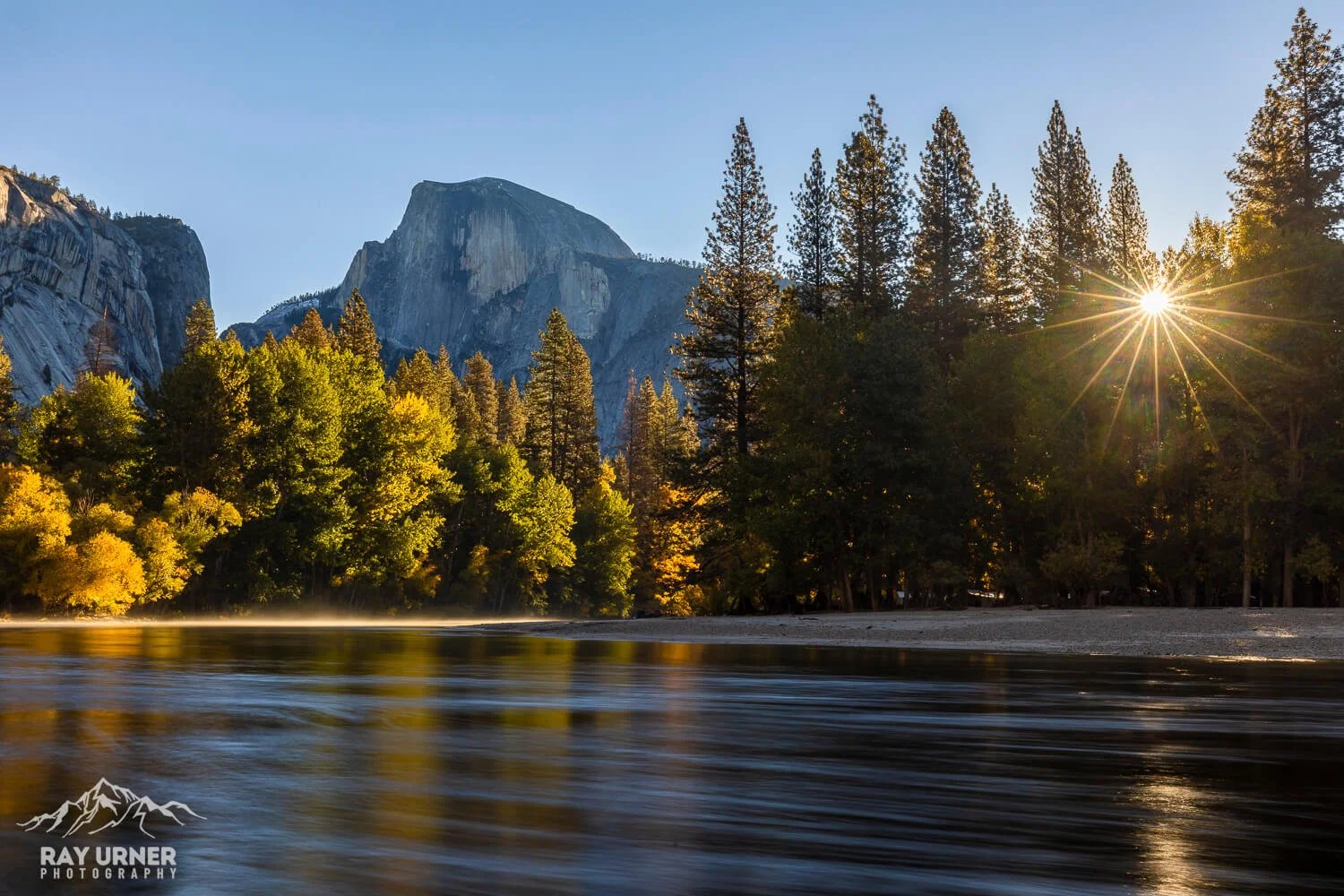
Sunrise next to Half Dome in Yosemite National Park
My Personal Portfolio Test
Before adding an image to my portfolio, I ask myself these five questions:
1. Is the light exceptional?
Good light isn't enough.
I want something memorable.
2. Is the composition strong?
Does every element contribute?
3. Does the image create emotion?
Can the viewer feel something?
4. Is it different from my existing work?
I don't need twenty versions of the same photograph.
5. Would I proudly print it large?
If I wouldn't hang it on my own wall, it doesn't belong in my portfolio.
This final question eliminates a surprising number of images!
Final Thoughts
As photographers, we all accumulate thousands of photographs.
Very few deserve a permanent place in our portfolio.
That's normal.
A portfolio isn't supposed to be a gallery of everything we've captured. It's supposed to represent the very best of our creative vision.
The goal isn't to create more photographs.
The goal is to create better photographs.
I'd rather have ten images that make people stop and stare than one thousand images that earn a quick glance before being forgotten.
That's what makes a photograph portfolio-worthy.
And that's the standard I continue chasing every time I head into the field.