Father Crowley Point
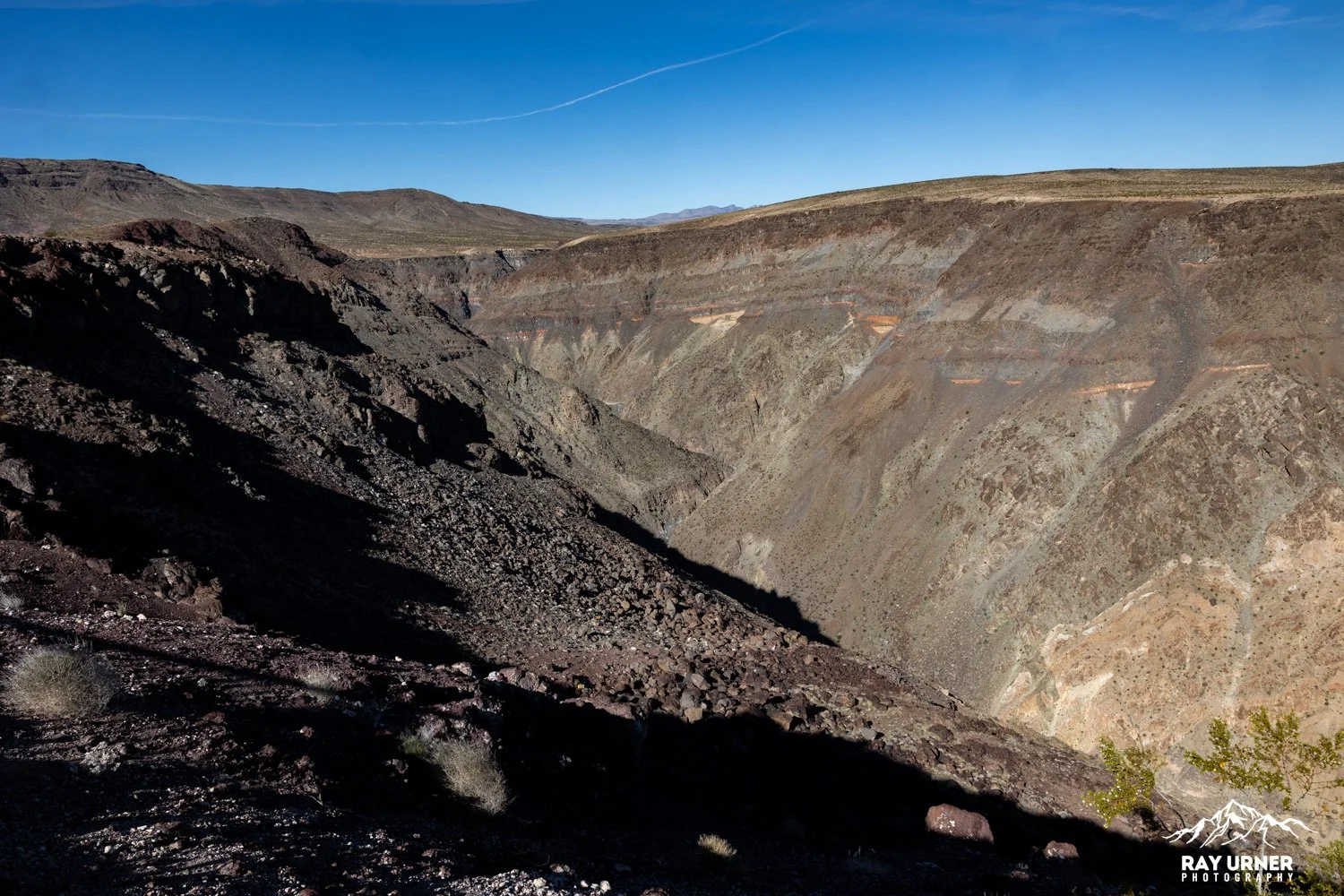
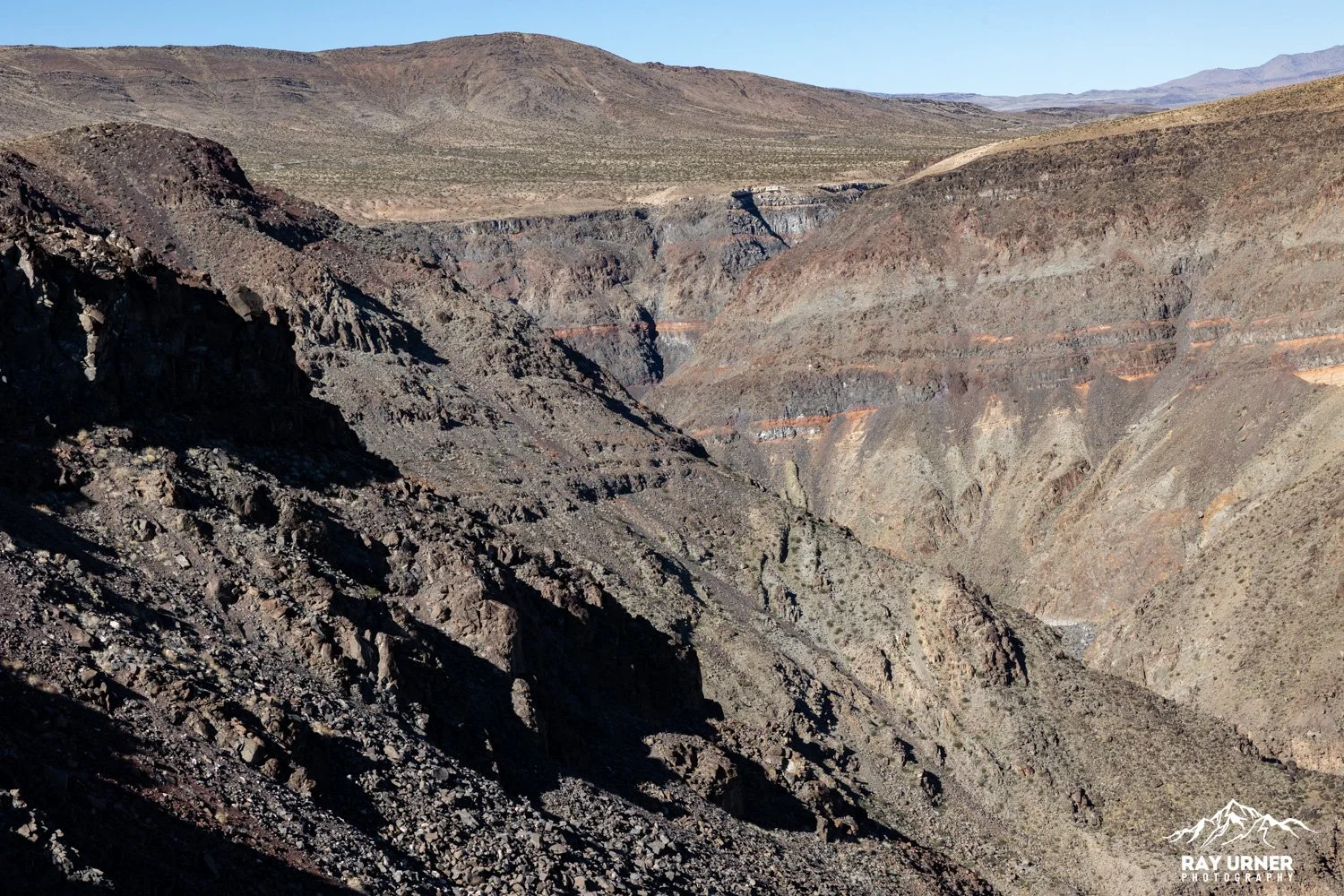
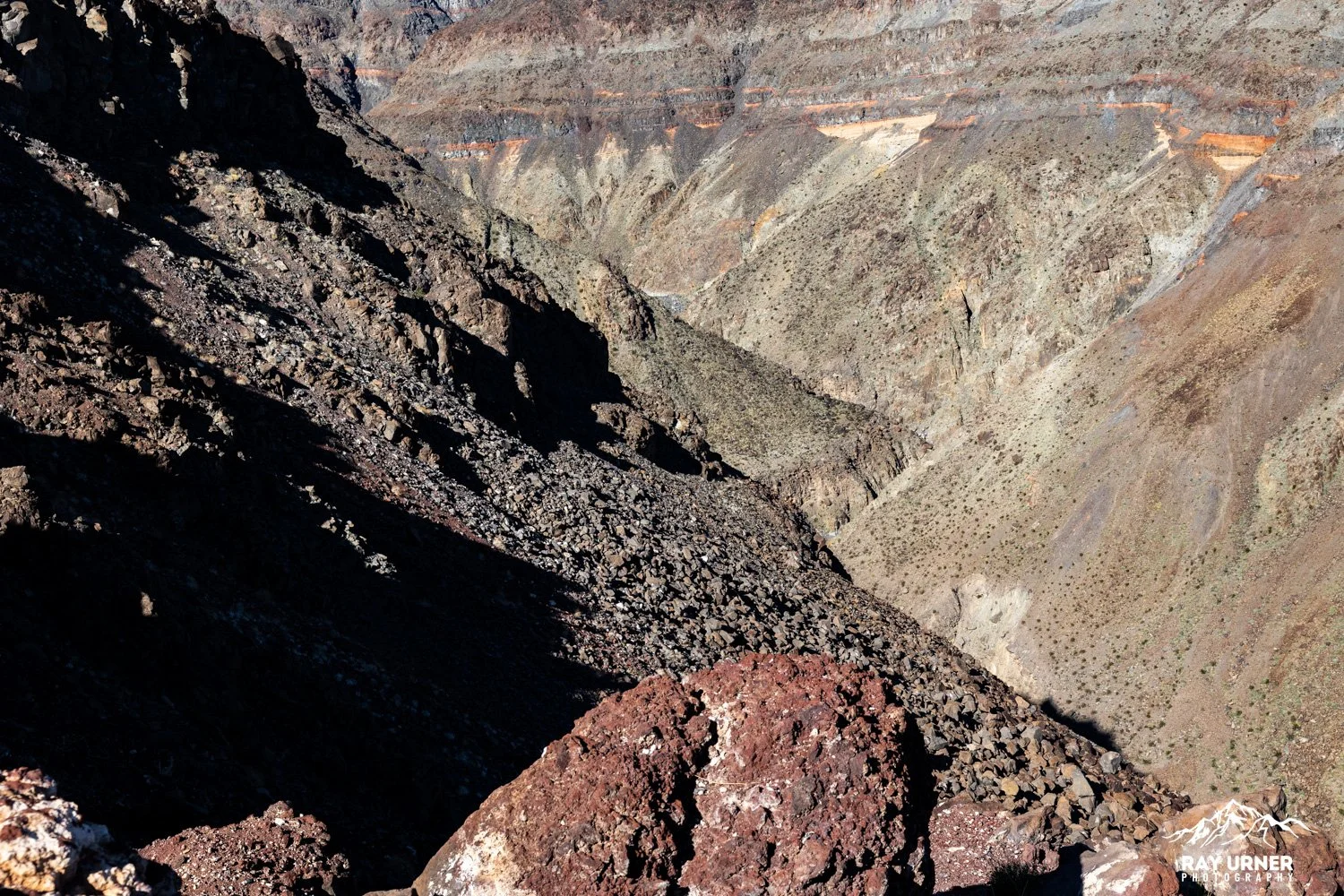
Father Crowley Point is one of the most iconic roadside overlooks in Death Valley National Park. Situated along Highway 190 near the park’s western boundary, it provides an immediate, high‑elevation view over Rainbow Canyon, a vividly banded gorge shaped by ancient volcanic activity.
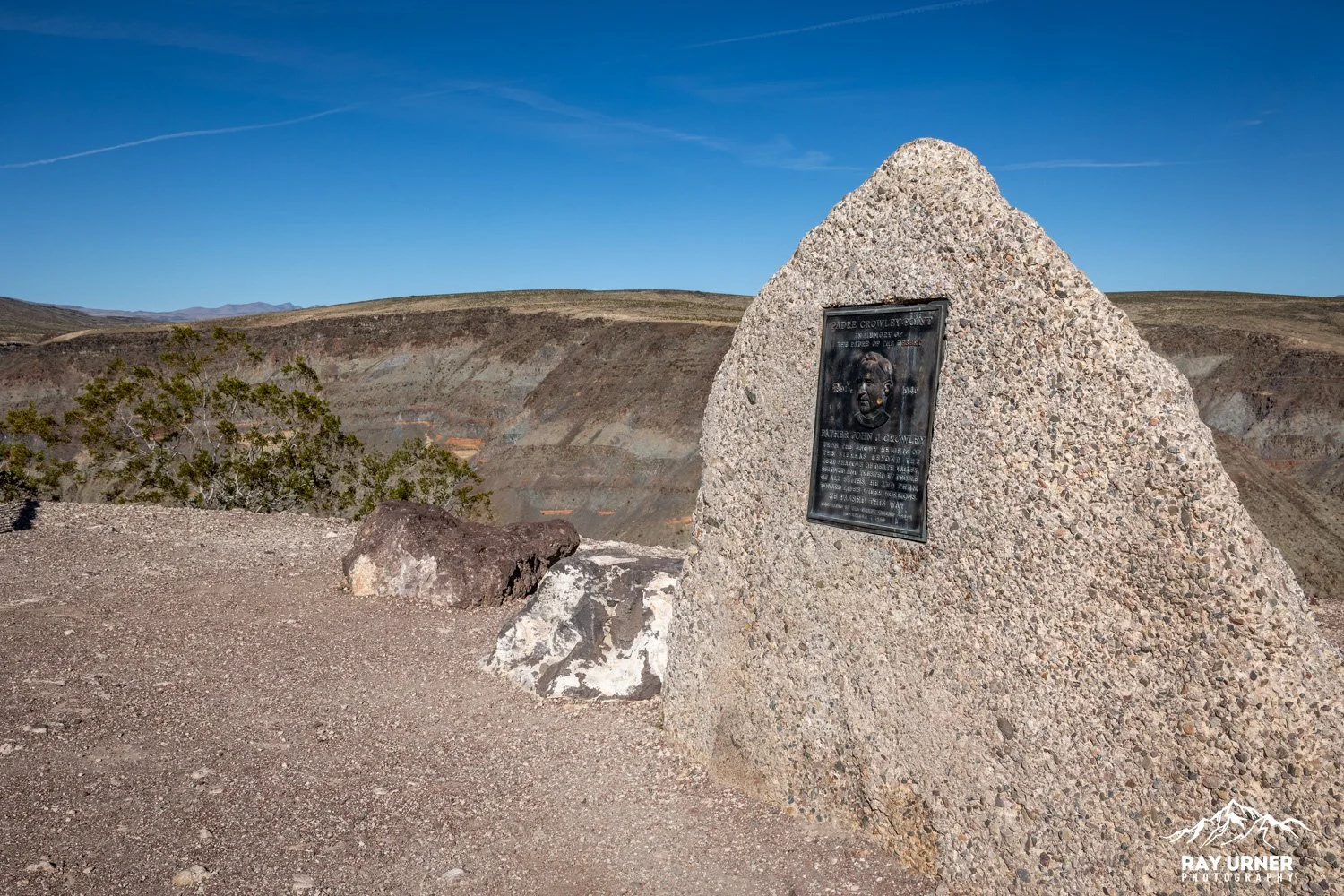
The site is named for Father John J. Crowley, the “Desert Padre,” who frequently stopped here in the 1930s while traveling between Lone Pine and Death Valley communities. A monument at the overlook honors his life and contributions.
Fast Facts
Location: Western edge of Death Valley NP, directly off Highway 190
Access: Fully accessible roadside stop with paved parking and short walks to multiple viewing angles
Landscape: Rainbow Canyon, Panamint Valley, desert volcanic terrain
Facilities: Parking area, historical marker, no water or shade
Best Light: Morning sidelight on canyon walls; afternoon warmth across the ridgelines
History
Father John J. Crowley (1891–1940), known as the Padre of the Desert, ministered to remote communities across the Eastern Sierra and Death Valley. He regularly paused at this overlook to contemplate the landscape and rest during his arduous desert circuits.
A monument at the site, erected in his honor, marks the location where travelers now stand in the same place he admired almost a century ago.
Rainbow Canyon later became famous among aviation photographers when military jets conducted low‑altitude training runs through the gorge, earning it the nickname “Star Wars Canyon” — a practice that ended after a fatal crash in 2019.
Geology
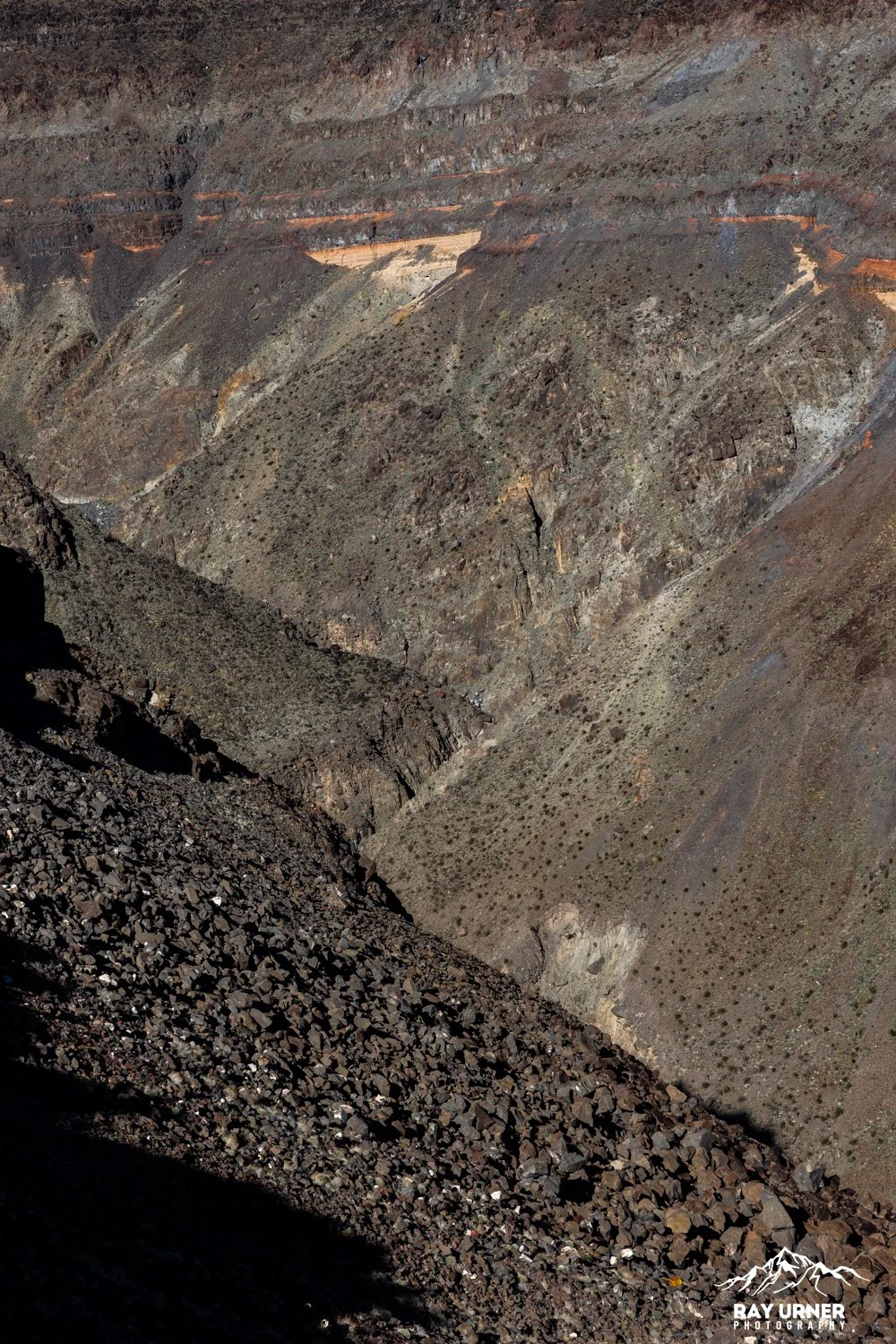
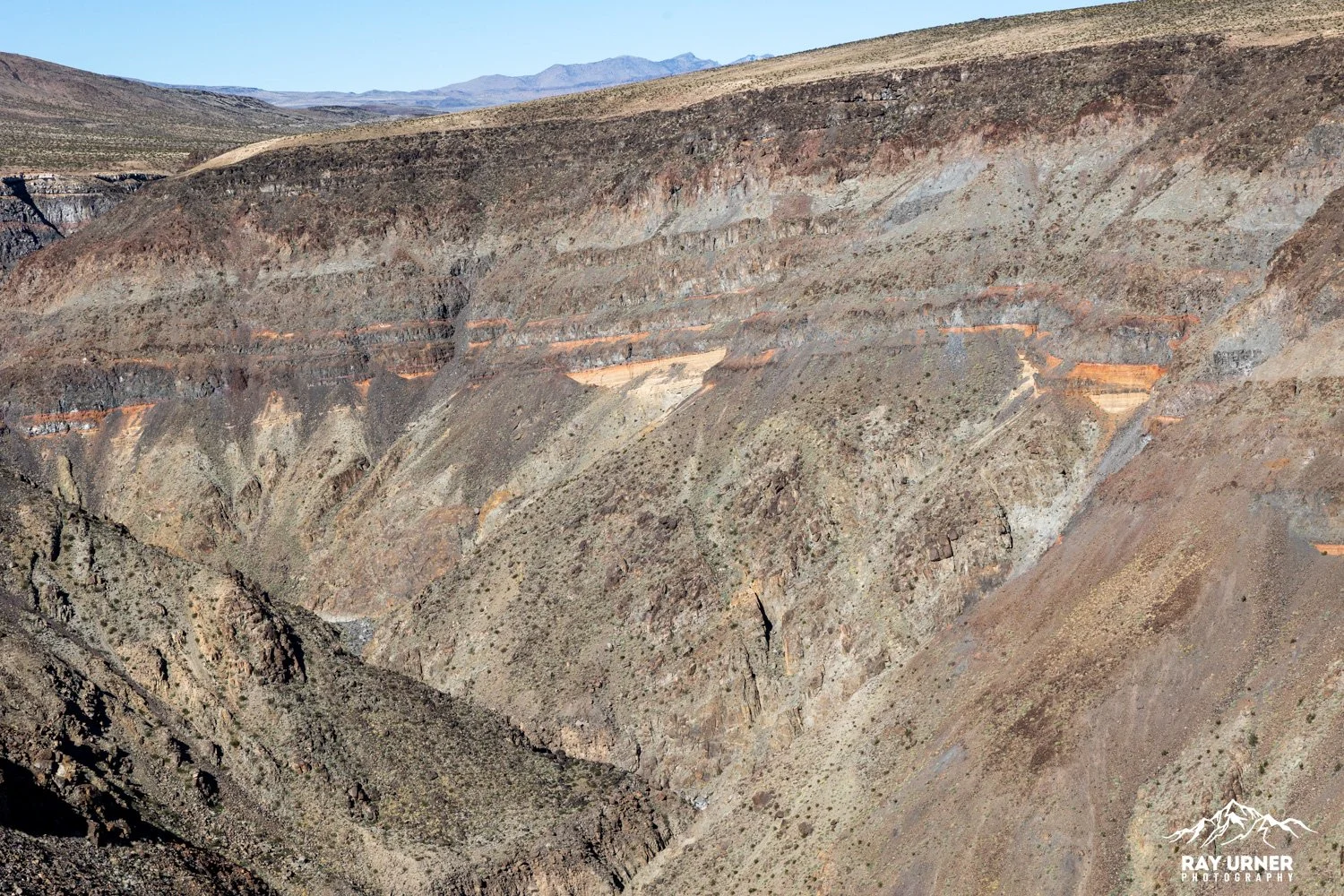
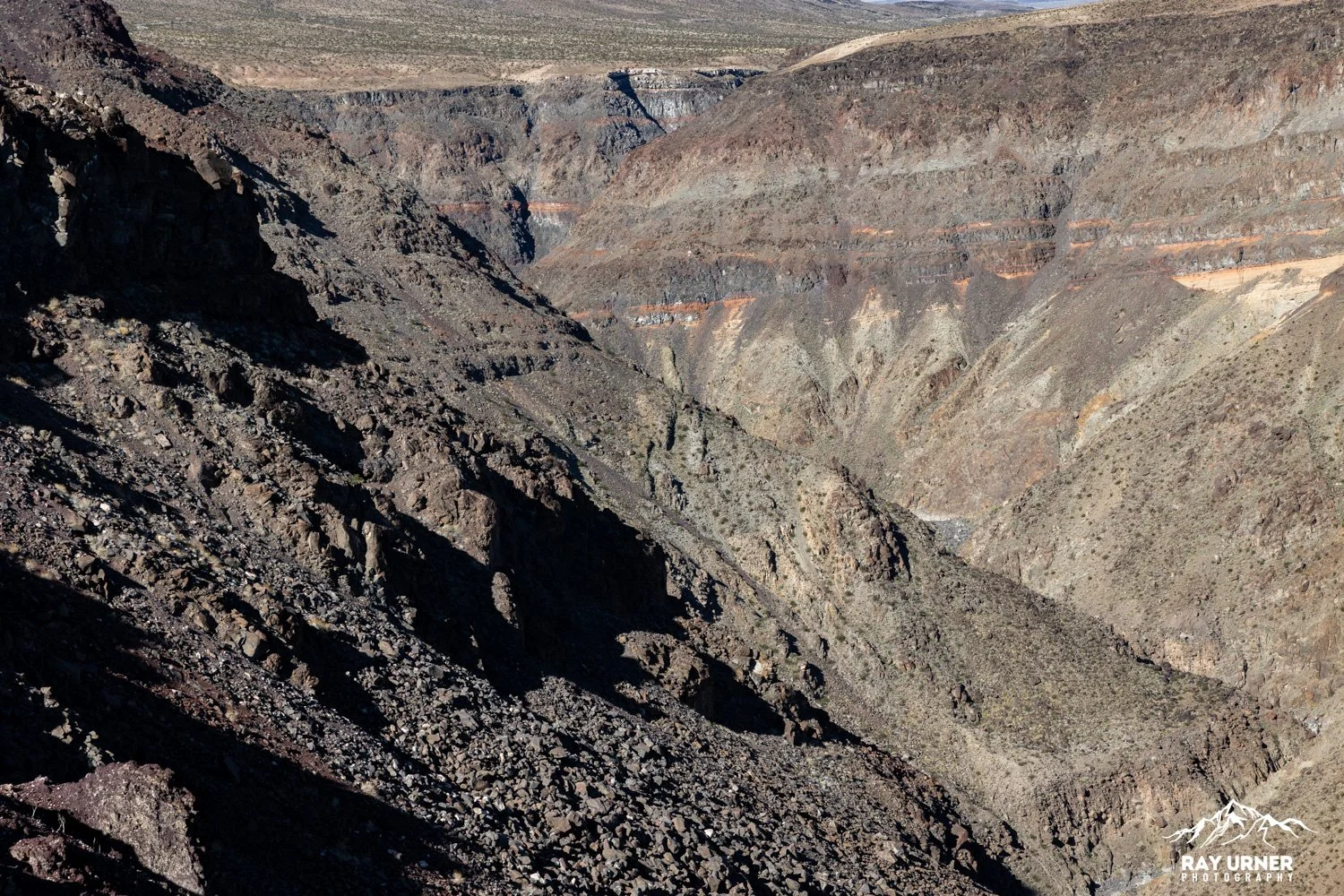
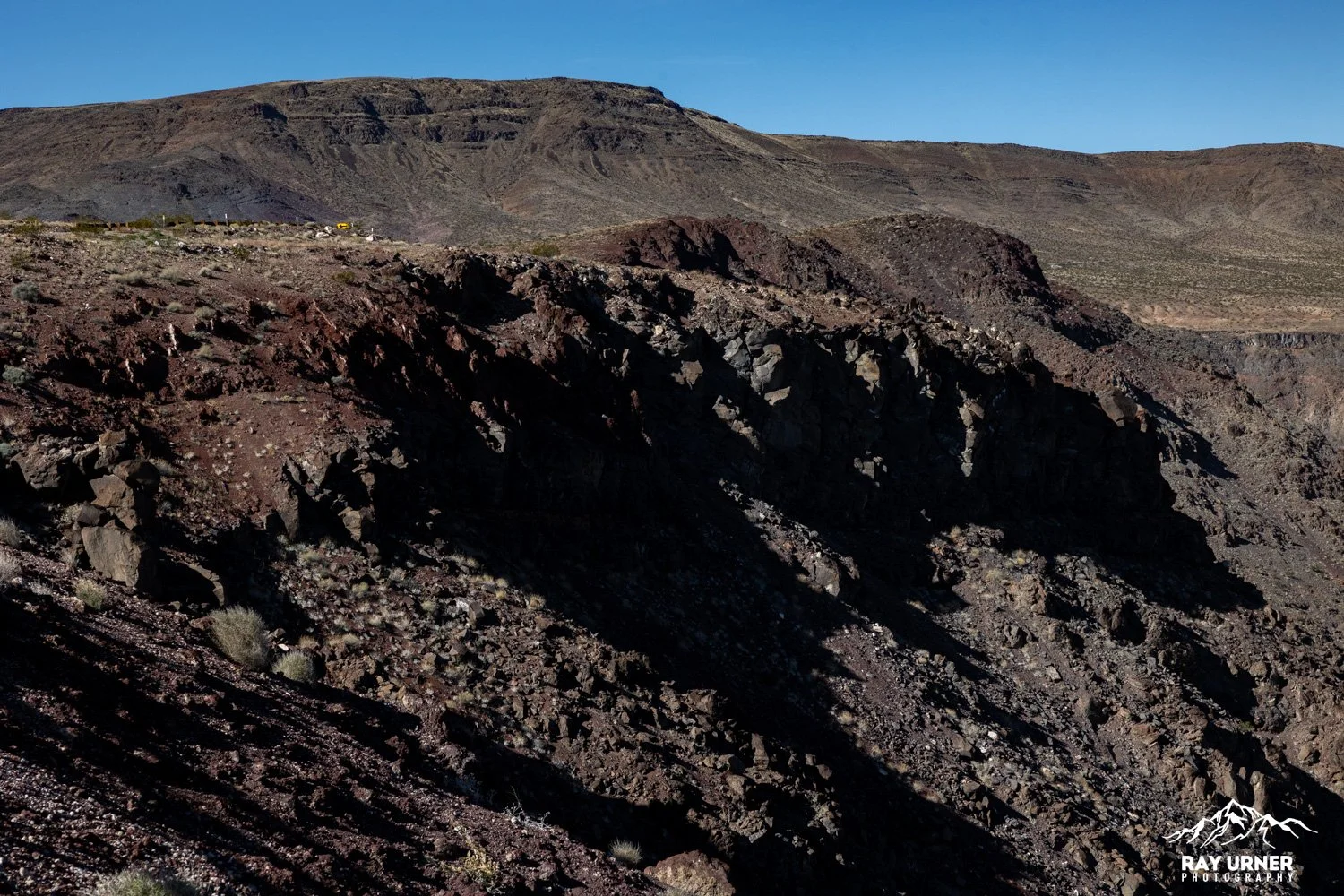
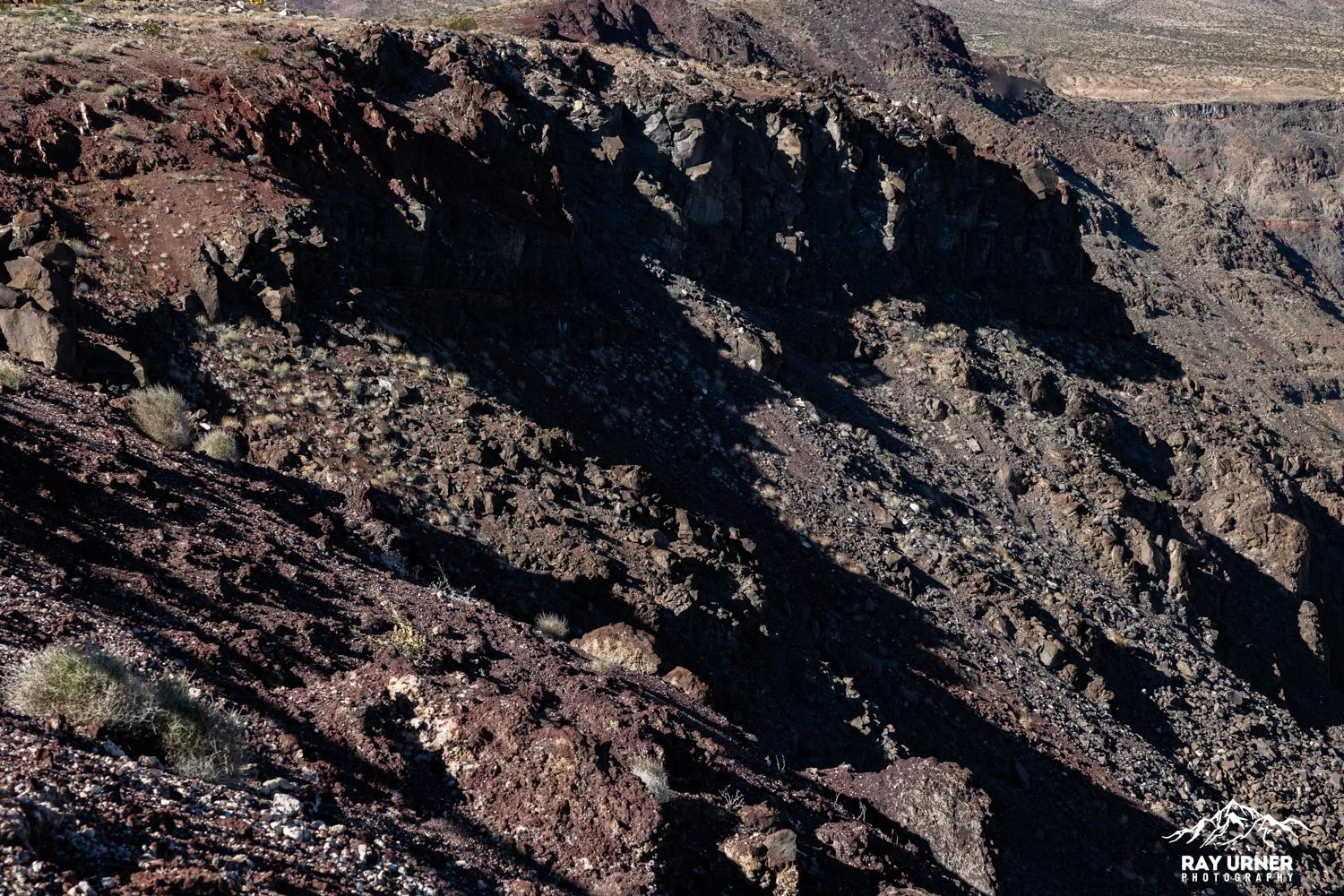
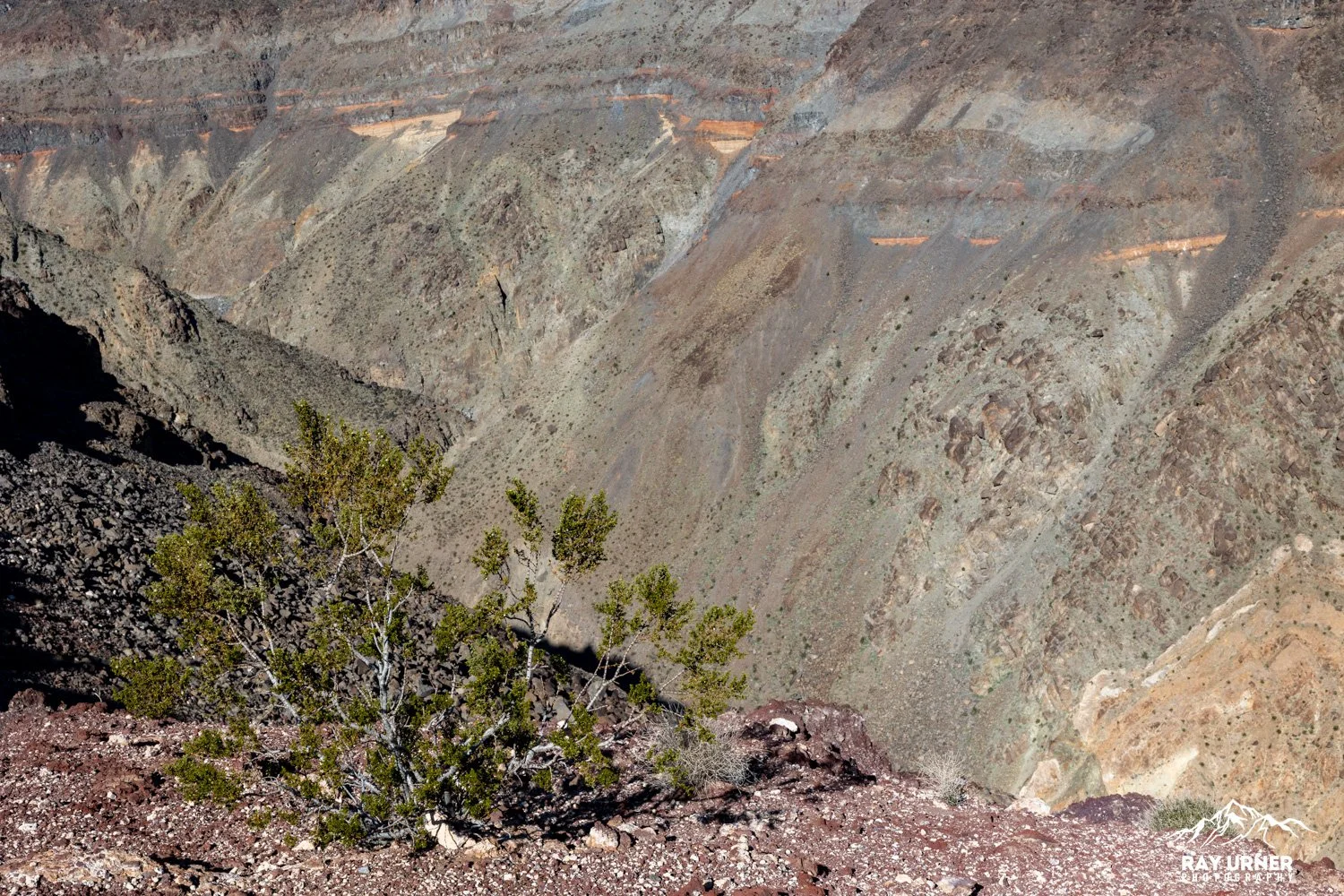
Rainbow Canyon’s dramatic color bands were formed through ancient volcanic events, where basalt lava flows and lapilli beds layered atop older rock formations. Erosion then sculpted these layers into the steep, vividly striped canyon visitors see today.
The canyon straddles the transition between the Inyo Mountains and Panamint Valley, receiving runoff from the Santa Rosa Hills and showcasing exposed volcanic strata as it drops sharply toward the valley floor.Photography Guide — Best Positions for Sunrise Shooting
What You’ll See at Father Crowley Point
1. Rainbow Canyon
The primary vista from the overlook offers a plunging view into Rainbow Canyon, one of the best examples of volcanic layering in the park. [nps.gov]
2. Panamint Valley Views
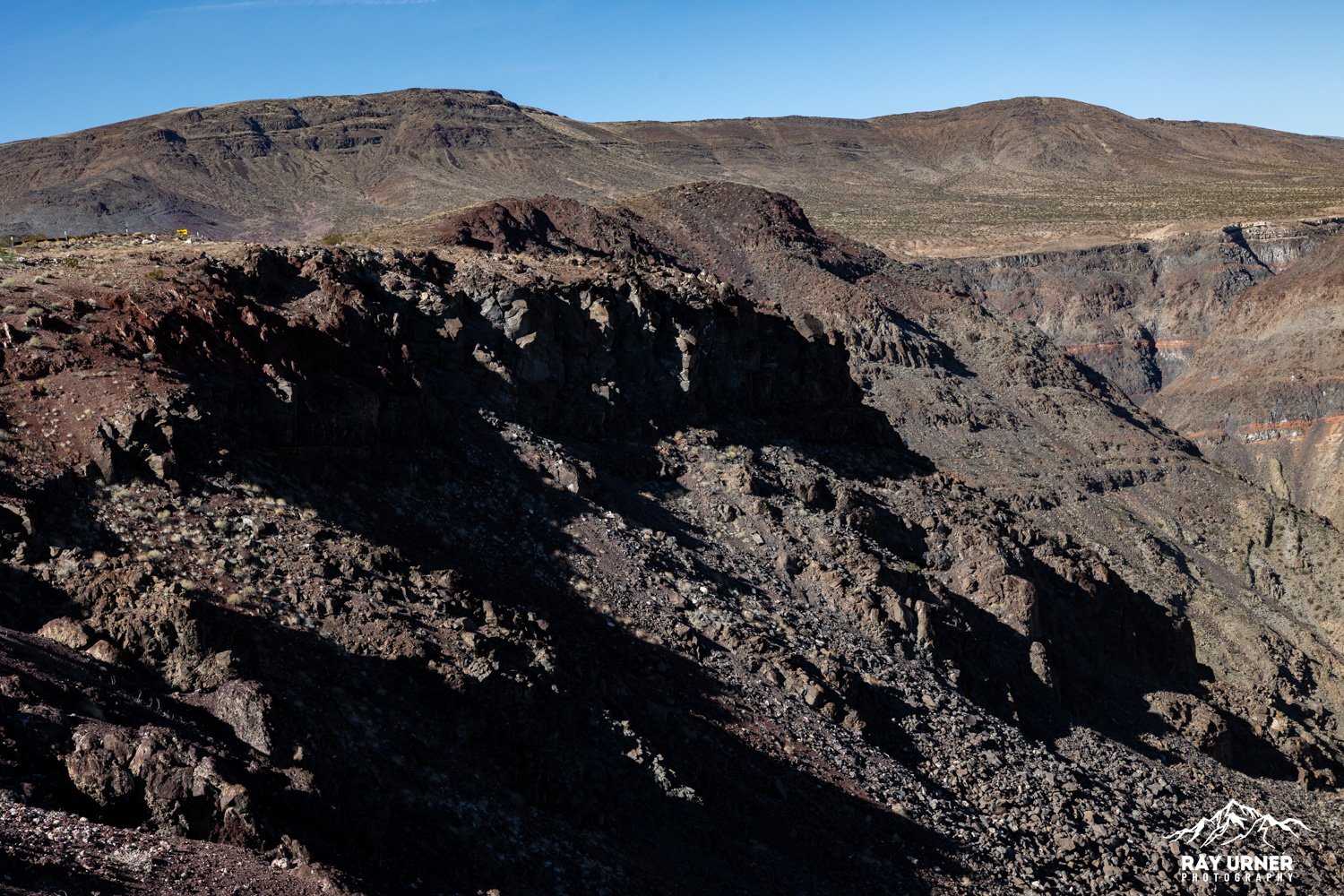
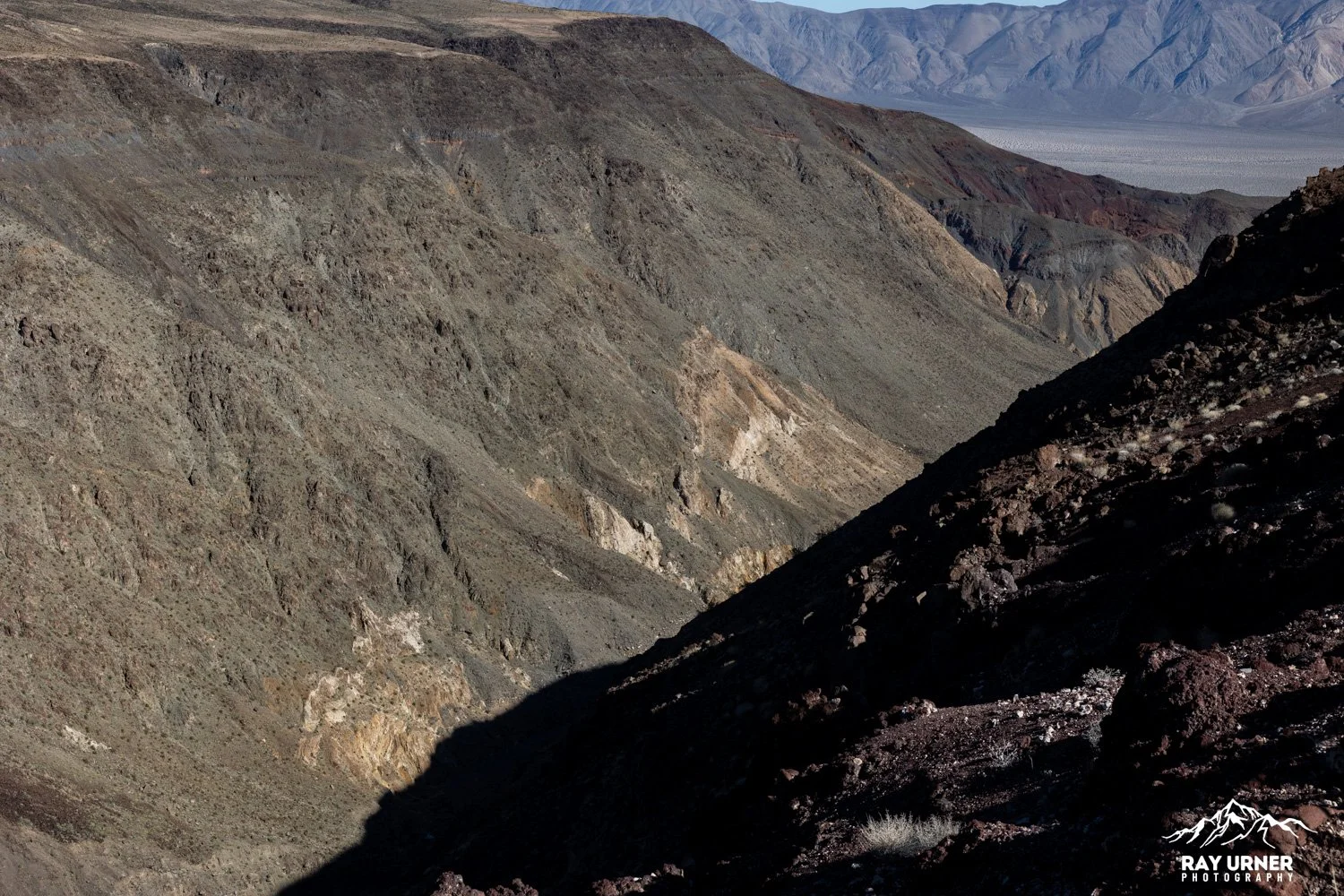
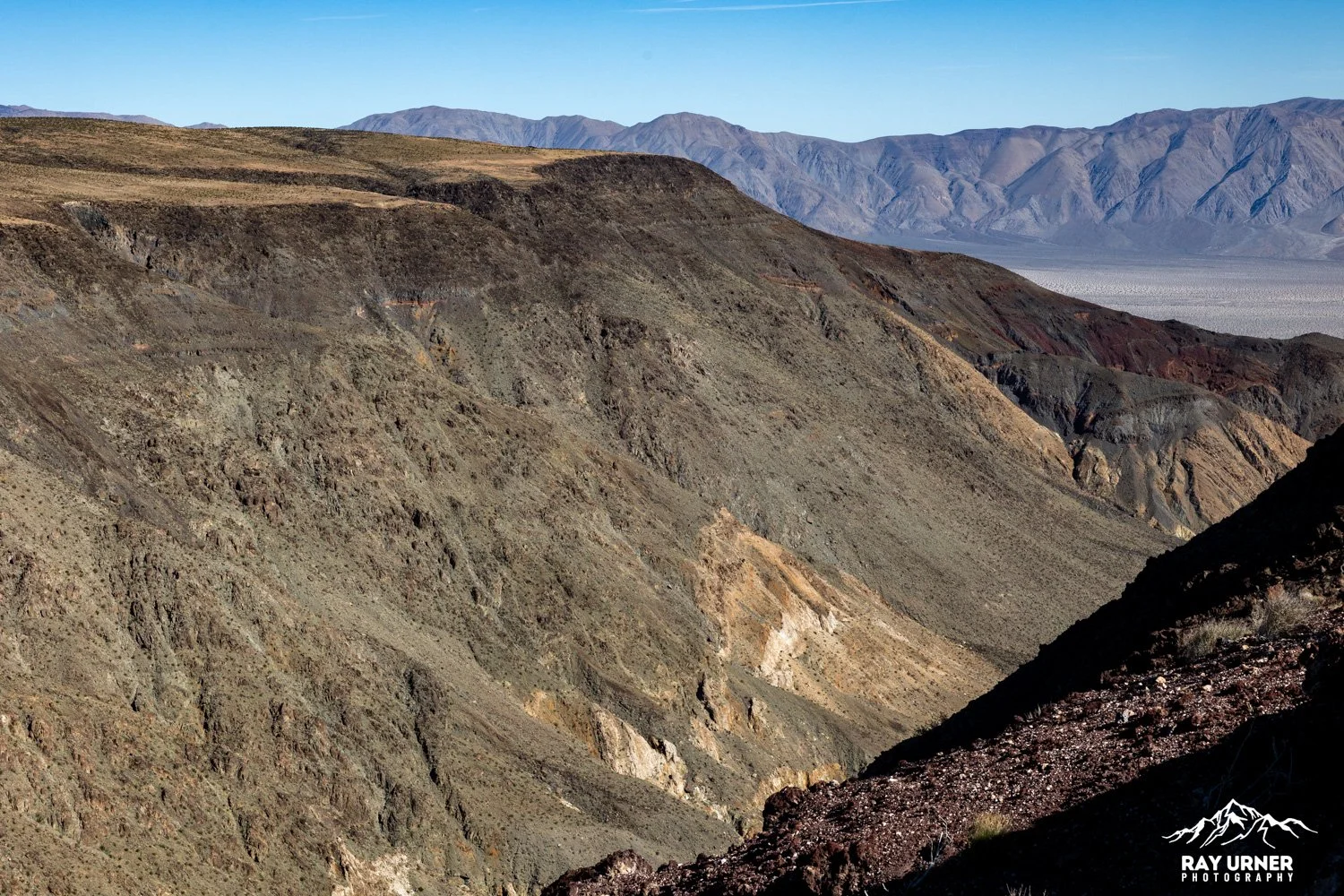
From the main overlook area, you can see the expansive basin of Panamint Valley stretching toward distant mountain ranges, especially dramatic in angled light.
3. Father Crowley Monument
A rock‑mounted plaque memorializing the Desert Padre’s life, influence, and connection to this landscape.
Photography Guide
Best Times
Morning: Crisp illumination on canyon walls; shadows carve out texture.
Late Afternoon: Warm tones across Panamint Valley; excellent for layered landscapes.
Blue Hour: Smooth gradients and moody desert atmosphere.
Key Compositions
1. Rainbow Canyon Drop‑off
Shoot from safe viewing points along the main overlook.
Use 16–35mm for dramatic depth
Incorporate foreground rock for scale
2. Volcanic Strata Details
The canyon walls’ colored bands make excellent telephoto textures.
70–200mm or longer for abstract geological patterns
3. Father Crowley Monument
A storytelling foreground element with canyon backdrop, connecting history to the landscape.
On‑the‑Ground Notes
Easy roadside stop: no trail commitment required.
Winds can be high year‑round; bring a lens cloth for dust.
No water or shade.
Terrain near the overlook is rocky; watch footing near drop‑offs.
Pro Tips
Position yourself slightly off‑center from the canyon headwall to avoid harsh highlight blowouts in direct sun.
After photographing the main overlook, simply walk a few steps along the rim for alternative angles — the view shifts quickly.
Telephoto landscapes shine here: haze and atmospheric layers over Panamint Valley create depth and dimension.
This stop is ideal as your first major scenic point when entering from the west, and also a solid stretch break, as you’ve probably been driving for awhile!