Harmony Borax Works
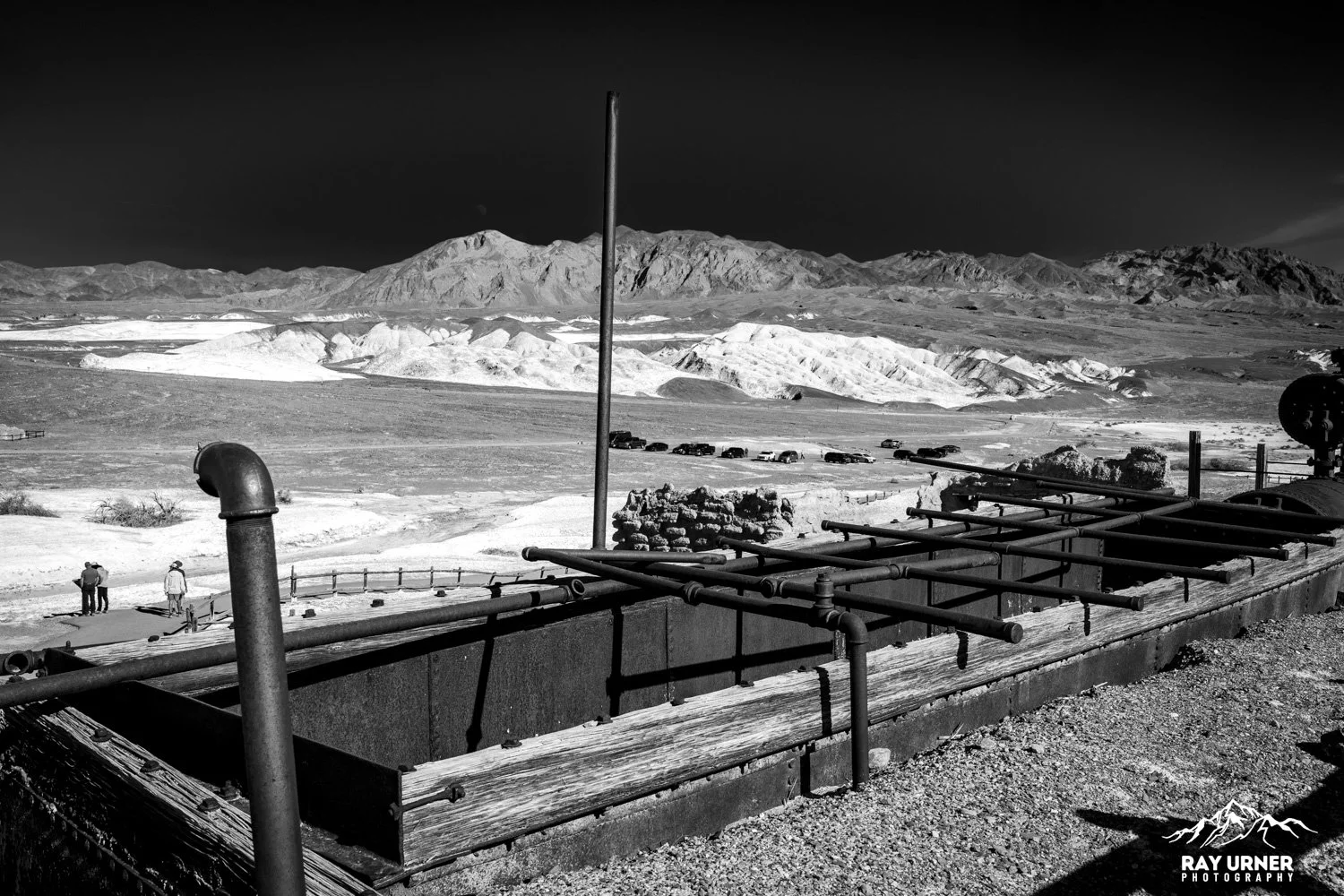
Harmony Borax Works is one of Death Valley’s most important historic sites — a compact ruin complex telling the story of the 20‑Mule Team Borax era, the early industrial history that helped put Death Valley on the map. The site features historic machinery, boilers, ore hoppers, and wagons, all accessible via a short, easy, interpretive trail. It is located near Furnace Creek and is one of the park’s most visited cultural stops.
Overview
Quick Facts
Location: Just north of Furnace Creek, accessible by a short paved spur road
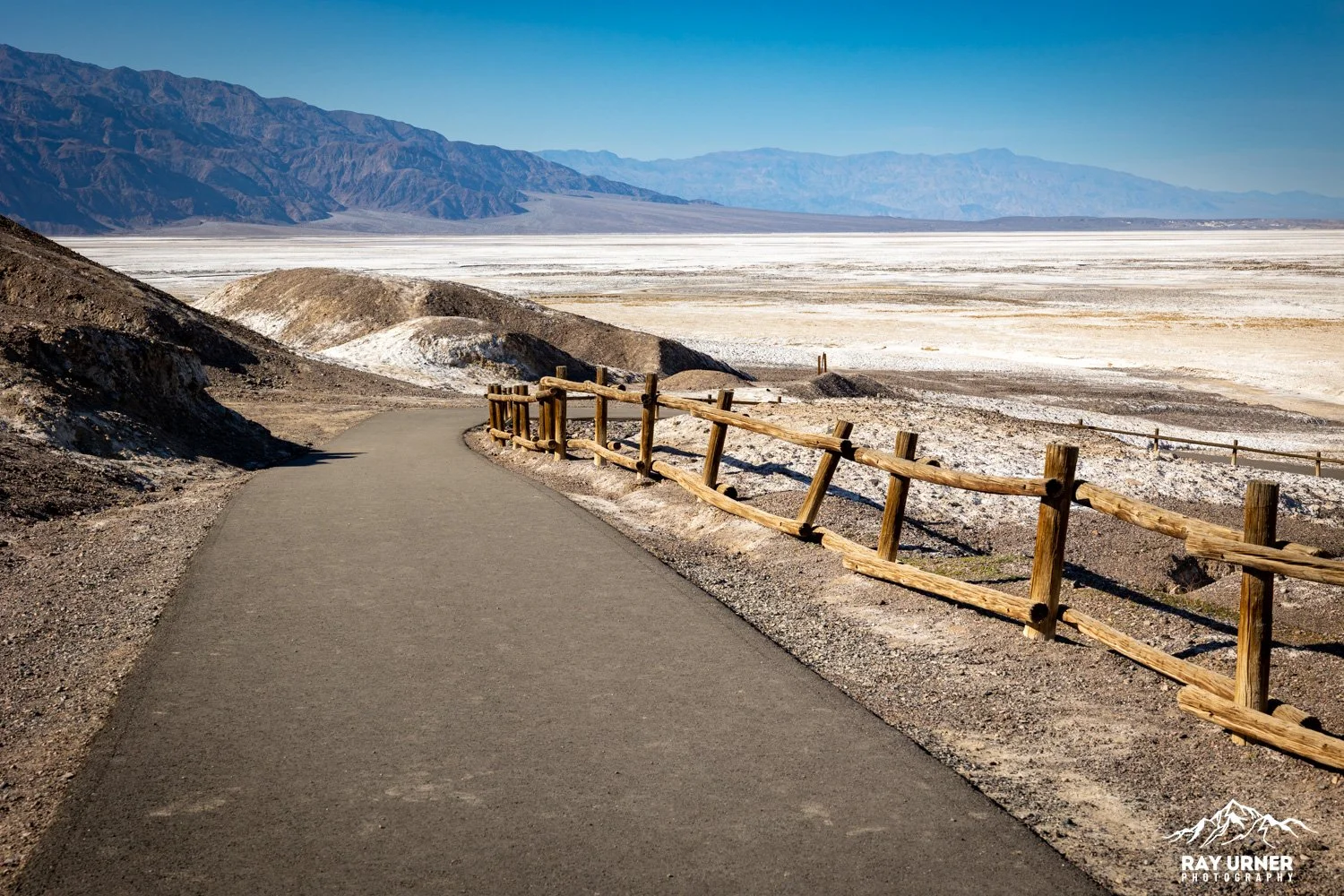
Trail: ~0.4‑mile interpretive loop (easy)
Features: Ruins of the borax works, wagons, rail tram remnants, informational plaques
Parking: Paved lot
Best Light: Sunrise or late‑day sidelight for textures and warm tones
Time Needed: 20–40 minutes (longer for photography)
History
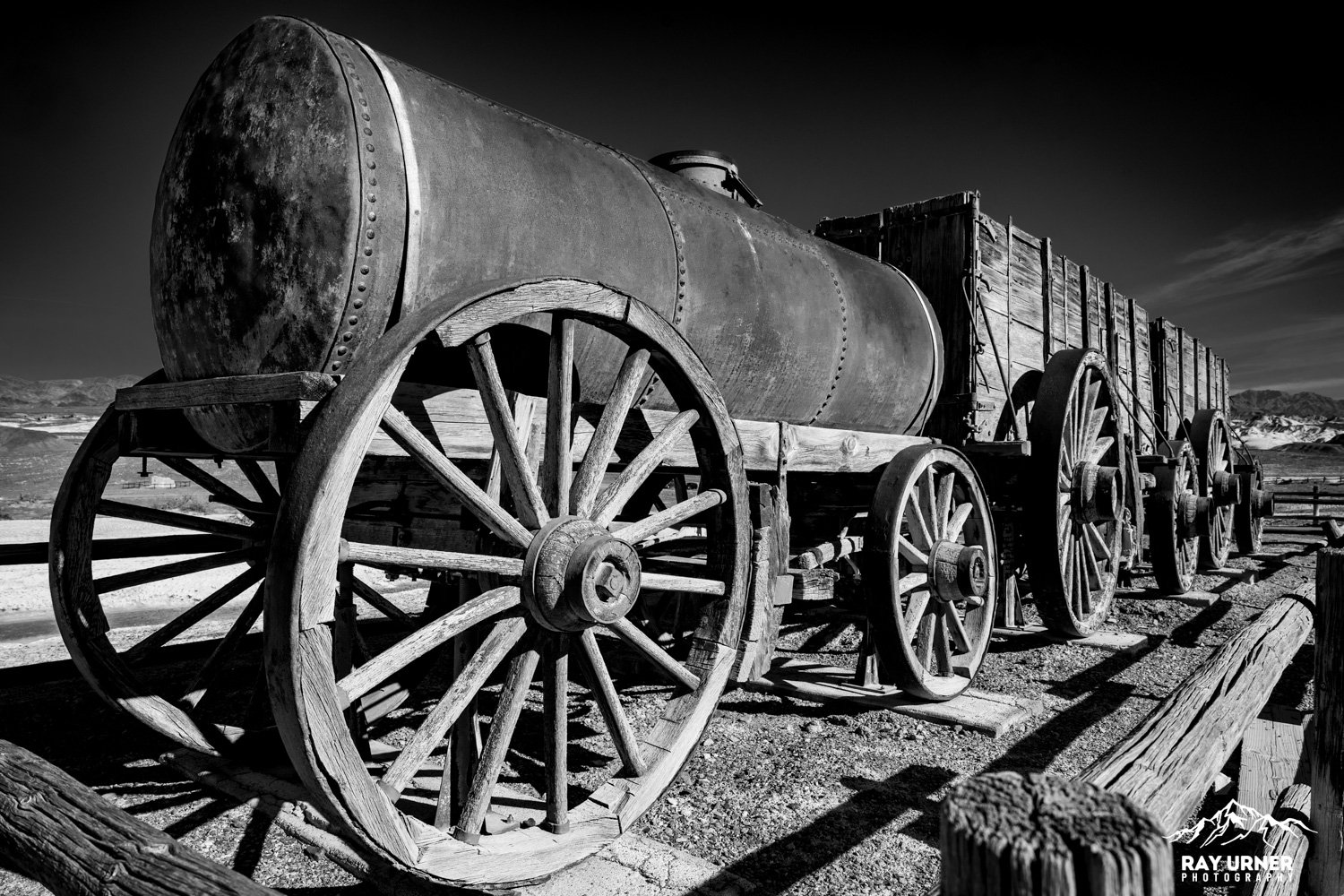
Harmony Borax Works is tied directly to the borax mining boom of the 1880s. It was operated by the Pacific Coast Borax Company and became the birthplace of the iconic 20‑Mule Team wagons, which hauled borax 165 miles to the Mojave railhead. These teams became a symbol of borax branding and Western frontier imagery.
Though Harmony operated for only a few years, it played a crucial role in establishing settlement, transportation networks, and early industry in the valley. The ruins today include the original ore‑processing structures, machine platforms, and reconstructed borax wagons.
Geology & Borax Formation
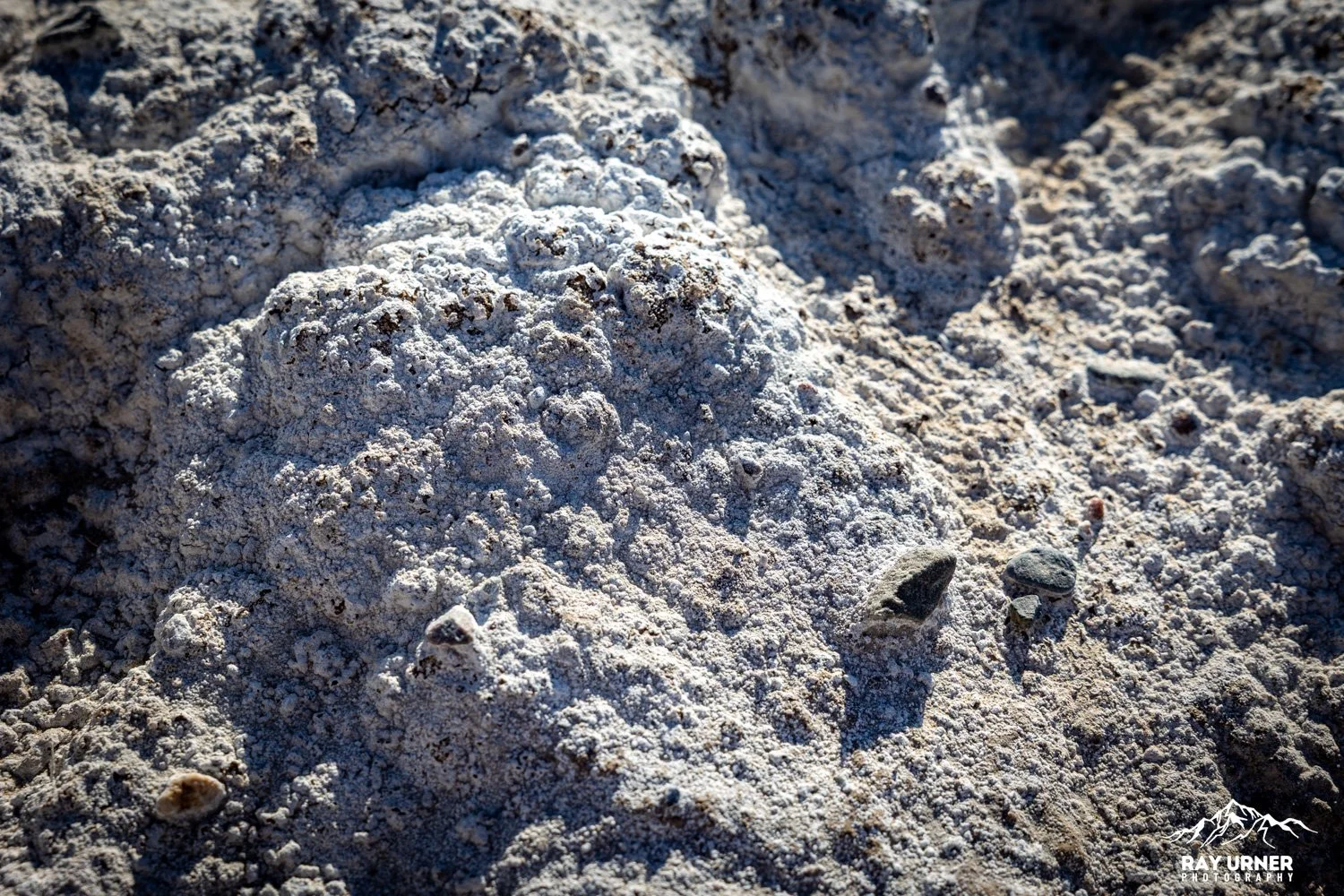
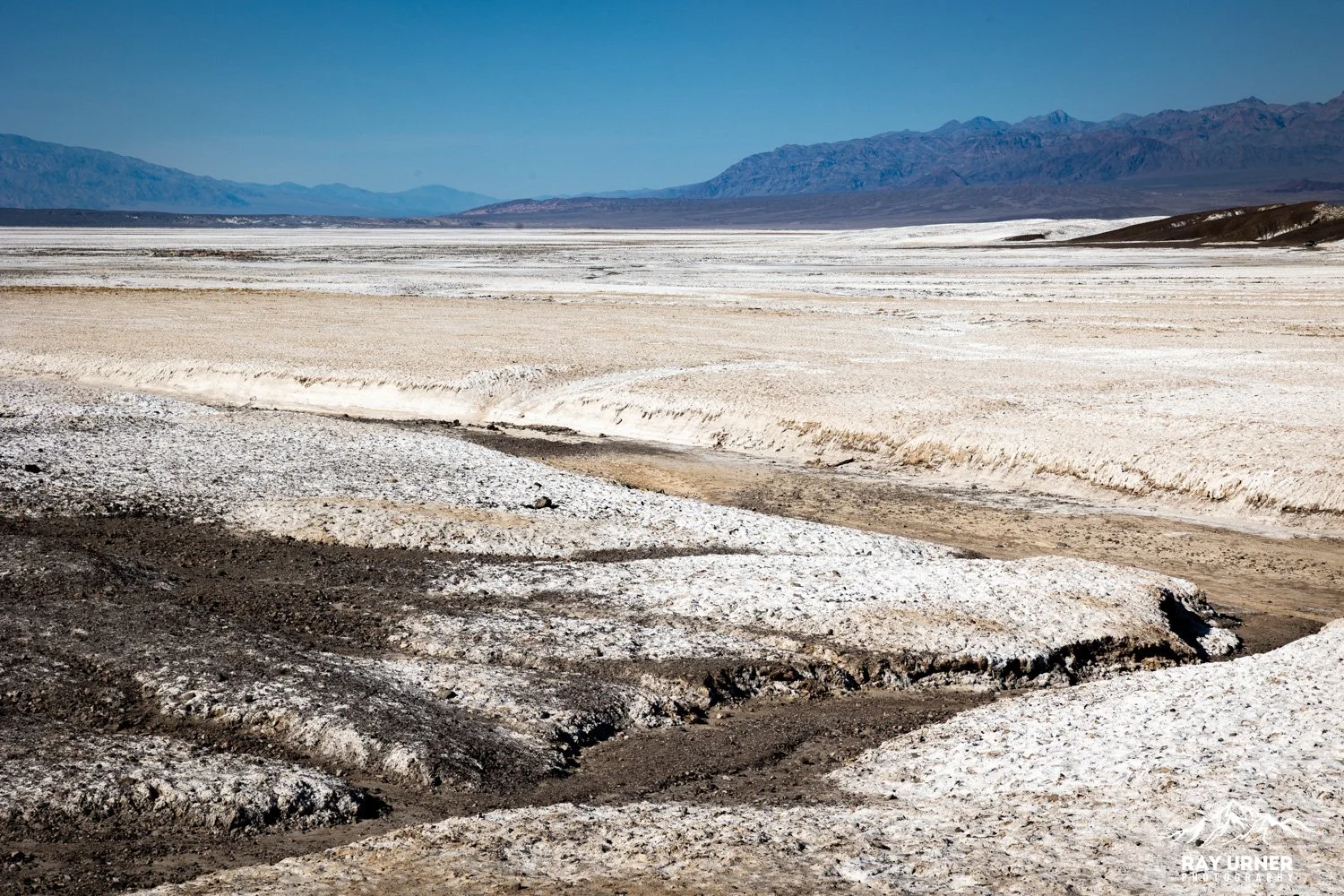
Borax in Death Valley formed in the valley’s ancient lakebeds. When seasonal flooding evaporated under intense heat, borate minerals like ulexite and colemanite were left behind in crusts and deposits. Early mining involved gathering this evaporite material, converting it into purified borax through a simple but labor‑intensive boiling and settling method, and then drying it in the desert sun.
This process is explained through interpretive displays onsite, with original machinery in place.
What You’ll See
1. The Ruins of the Processing Plant
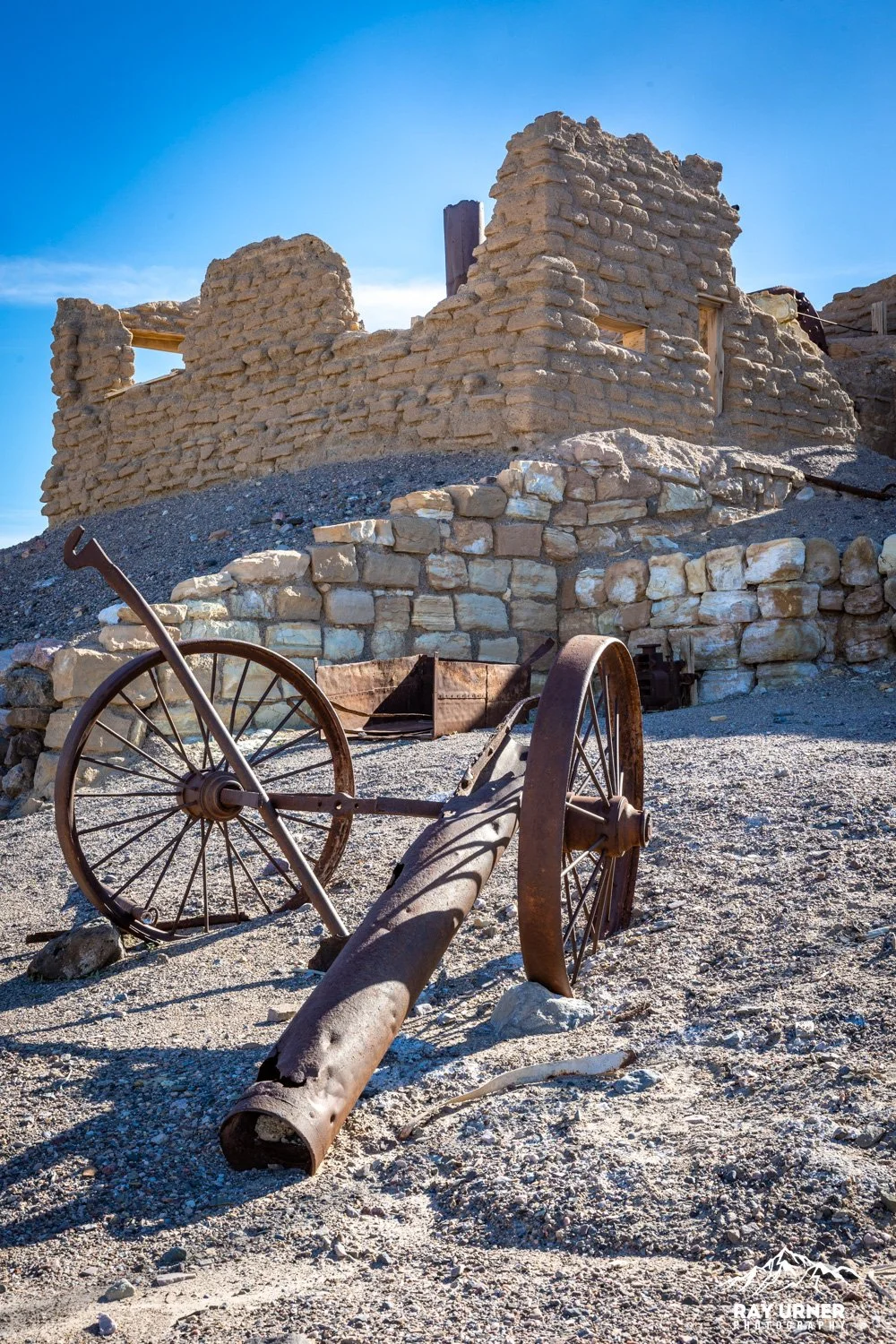
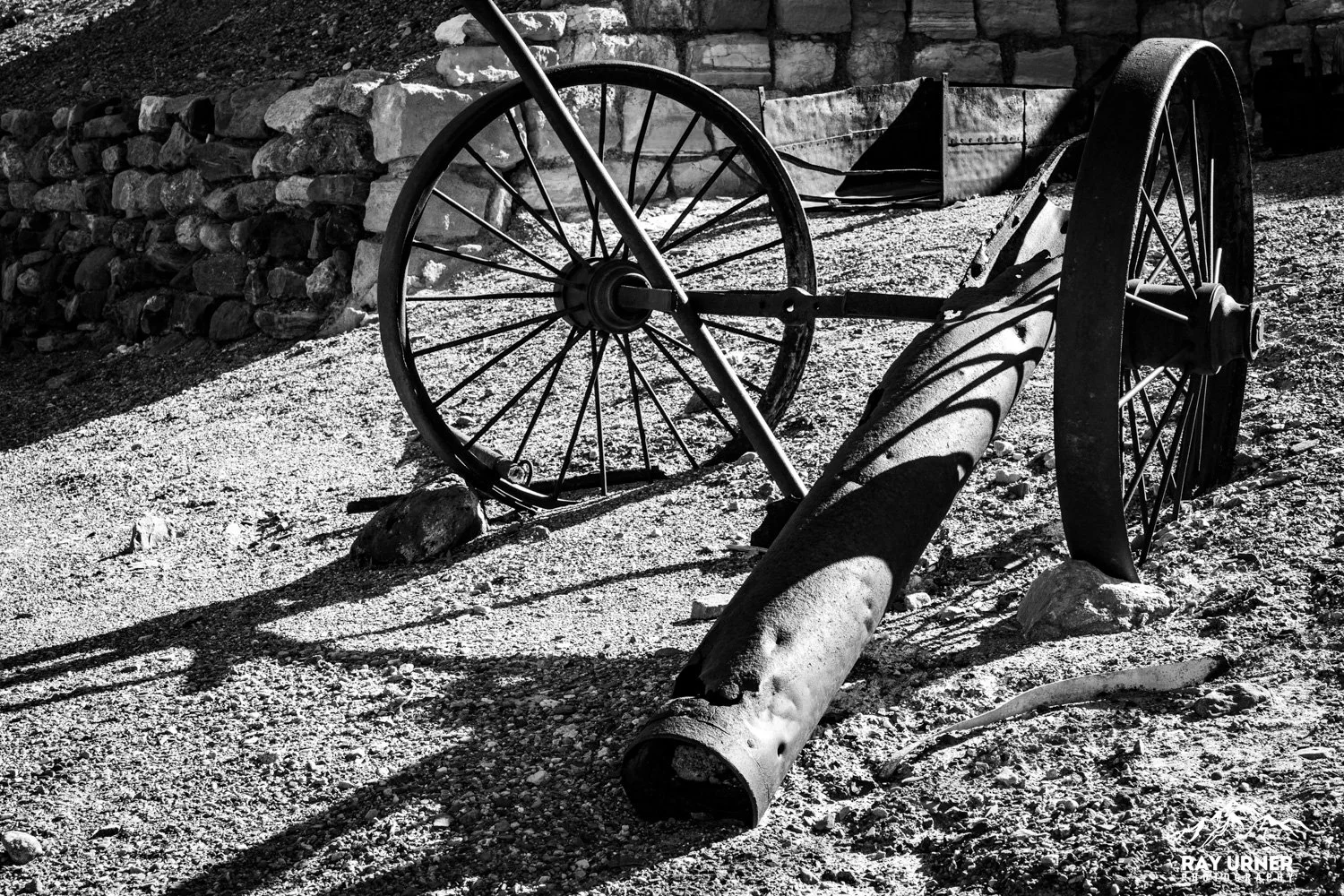
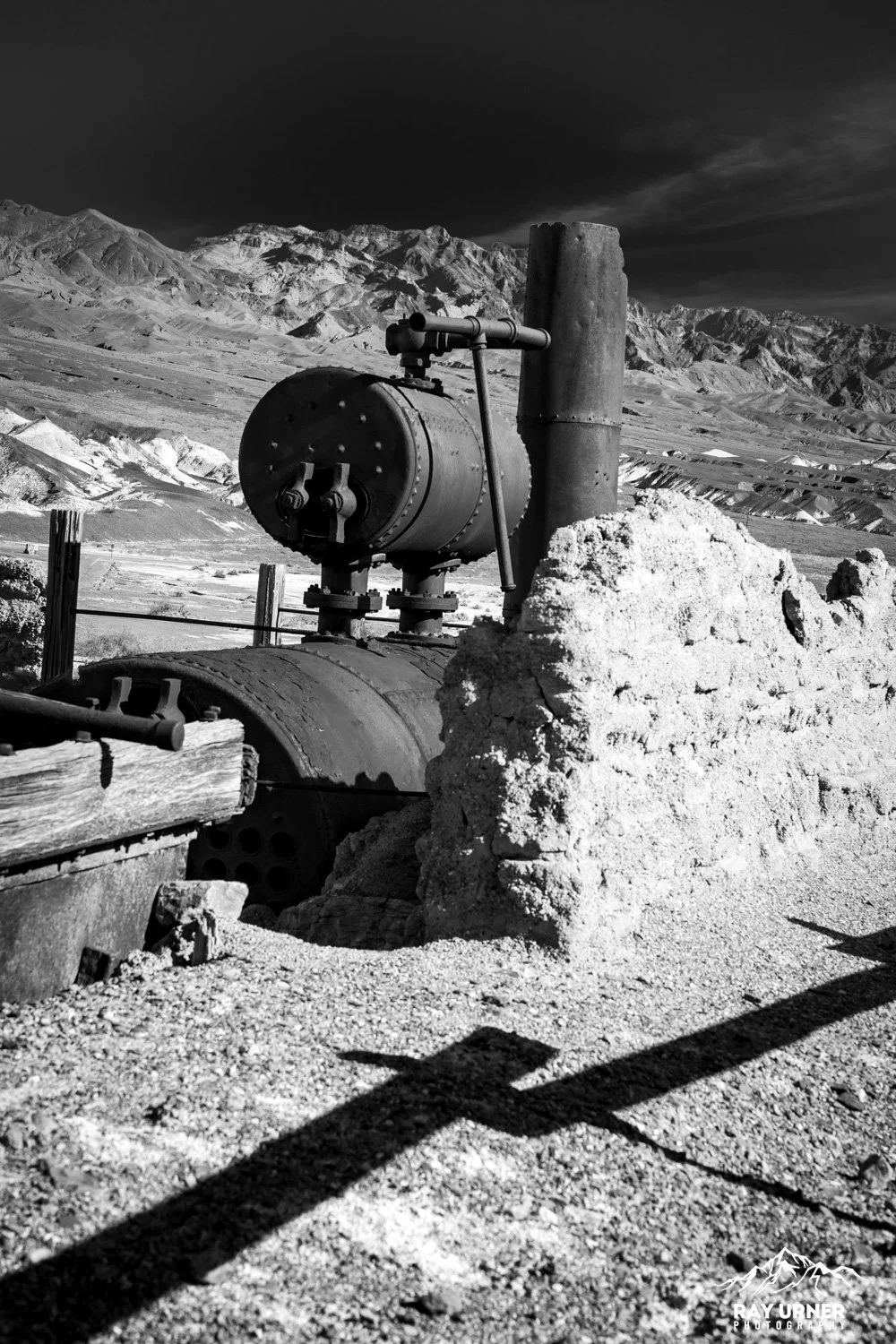
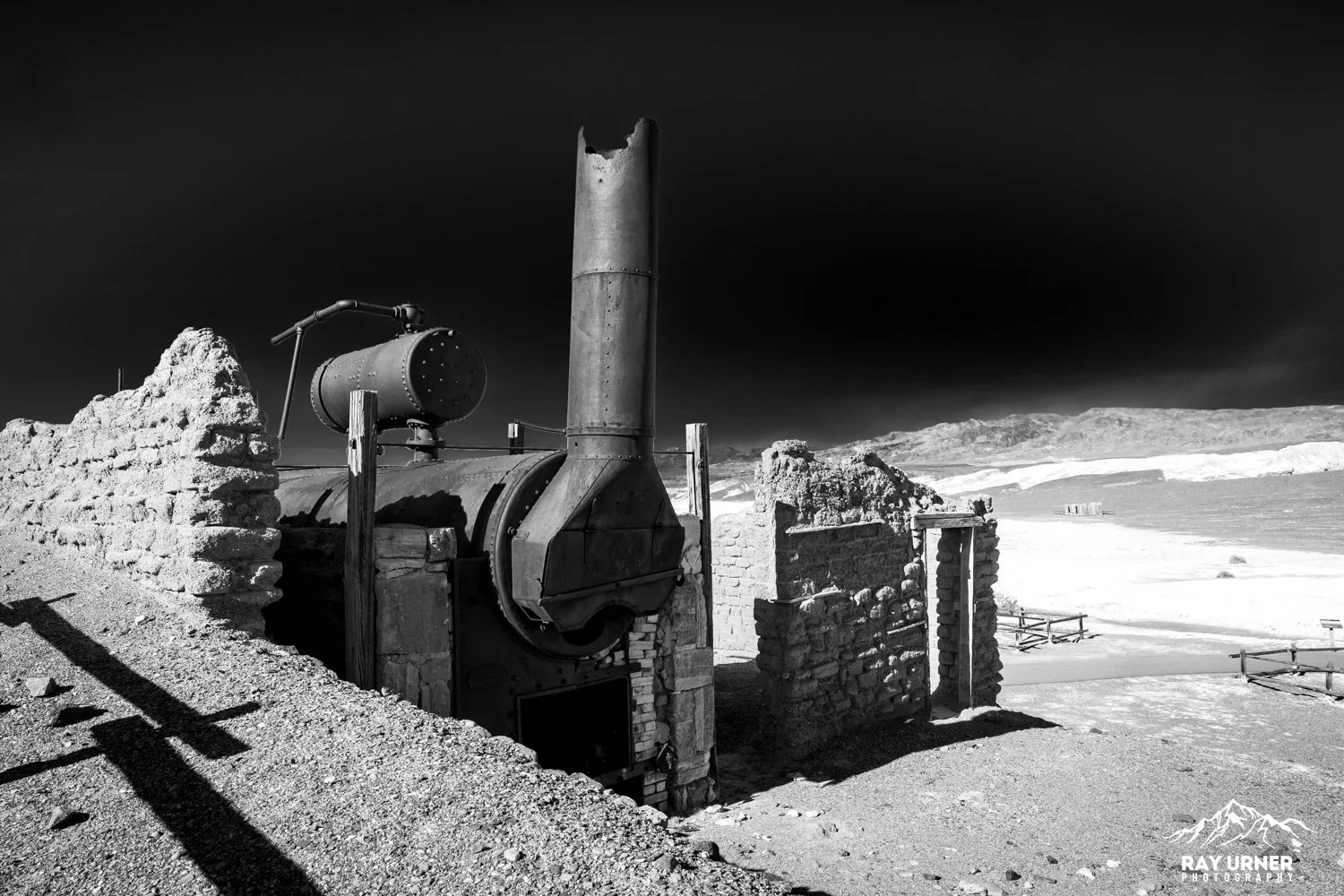
Boilers, tanks, settling vats, and iron machinery remain on the hillside, showcasing how ore was heated and refined.
2. 20‑Mule Team Wagons
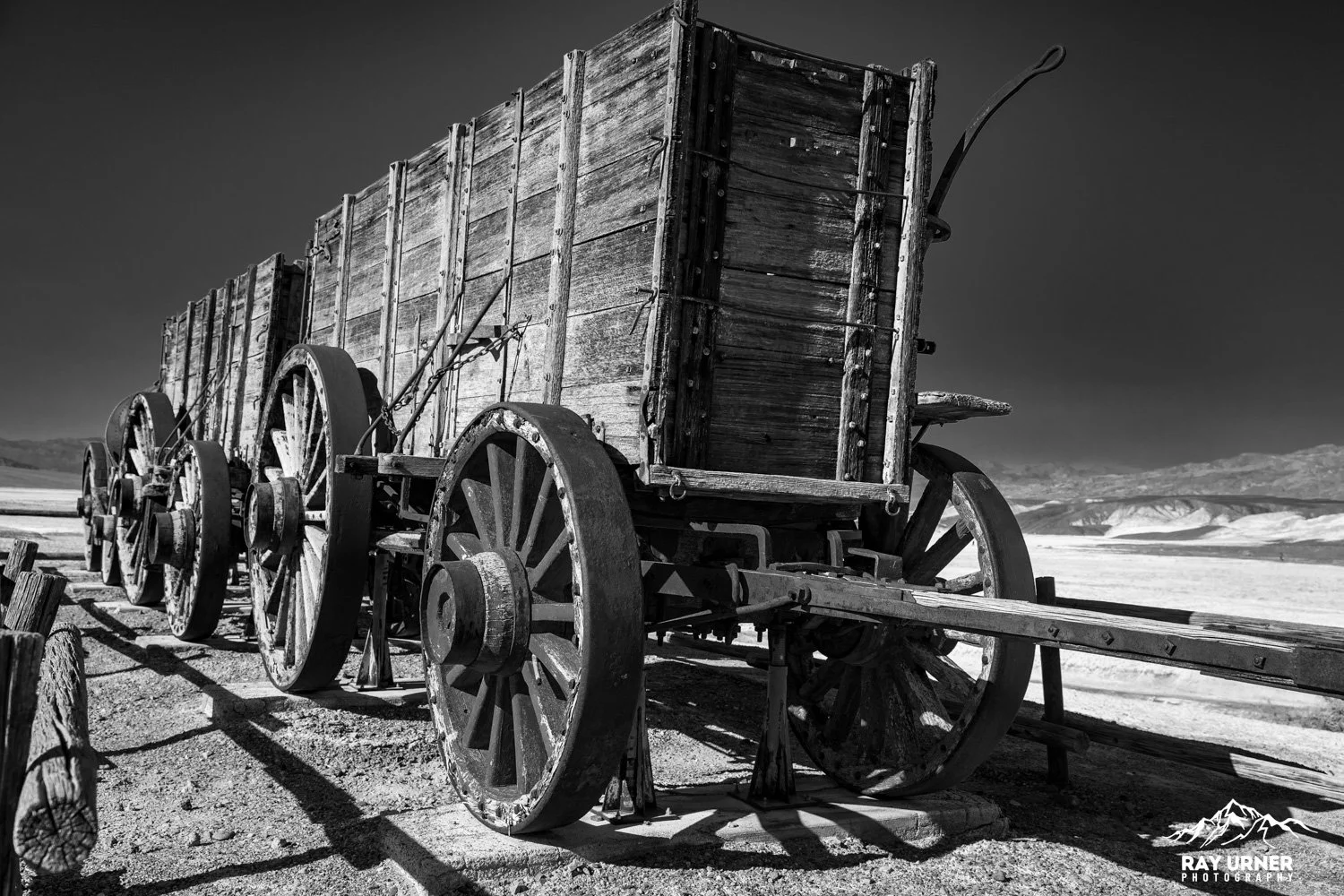
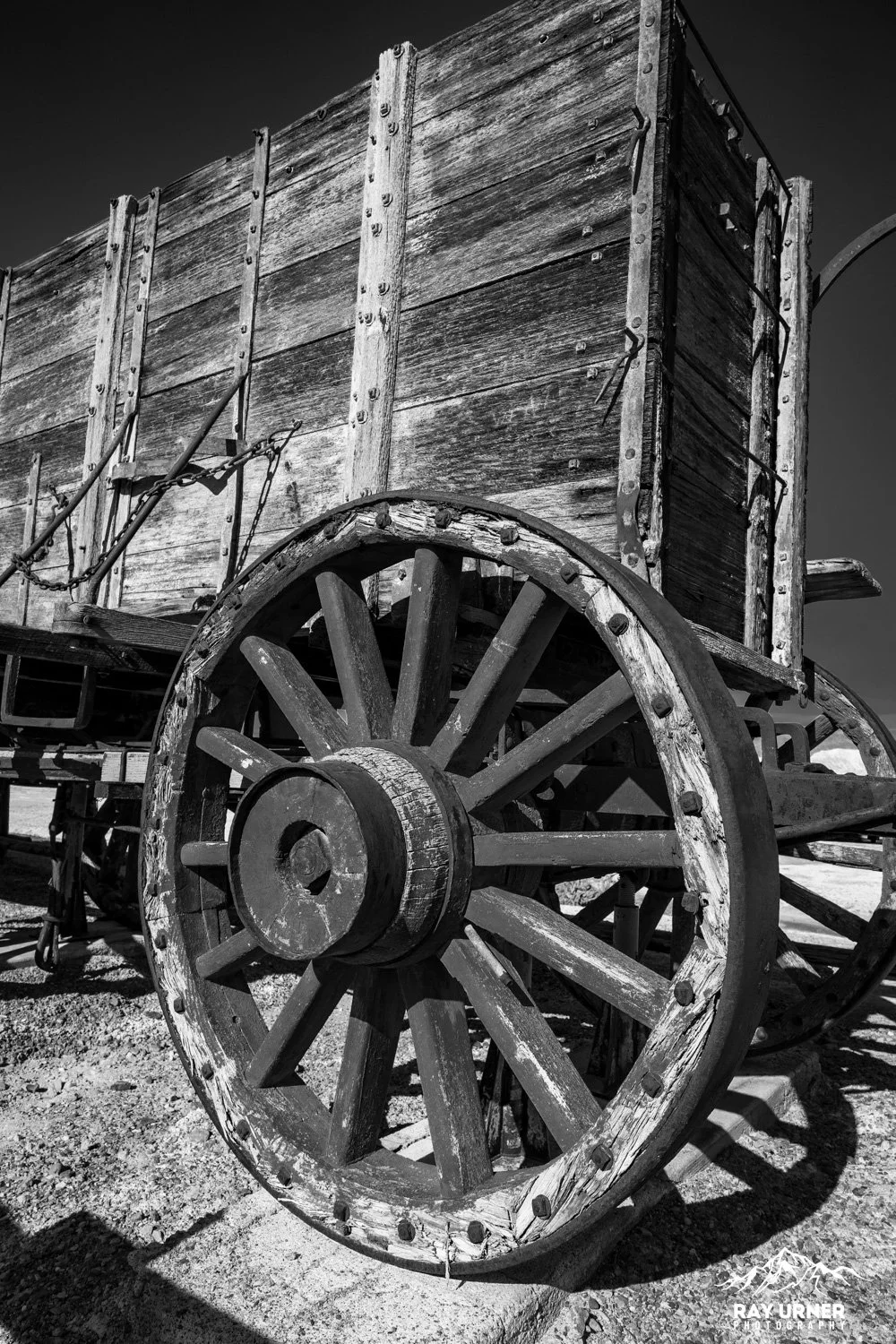
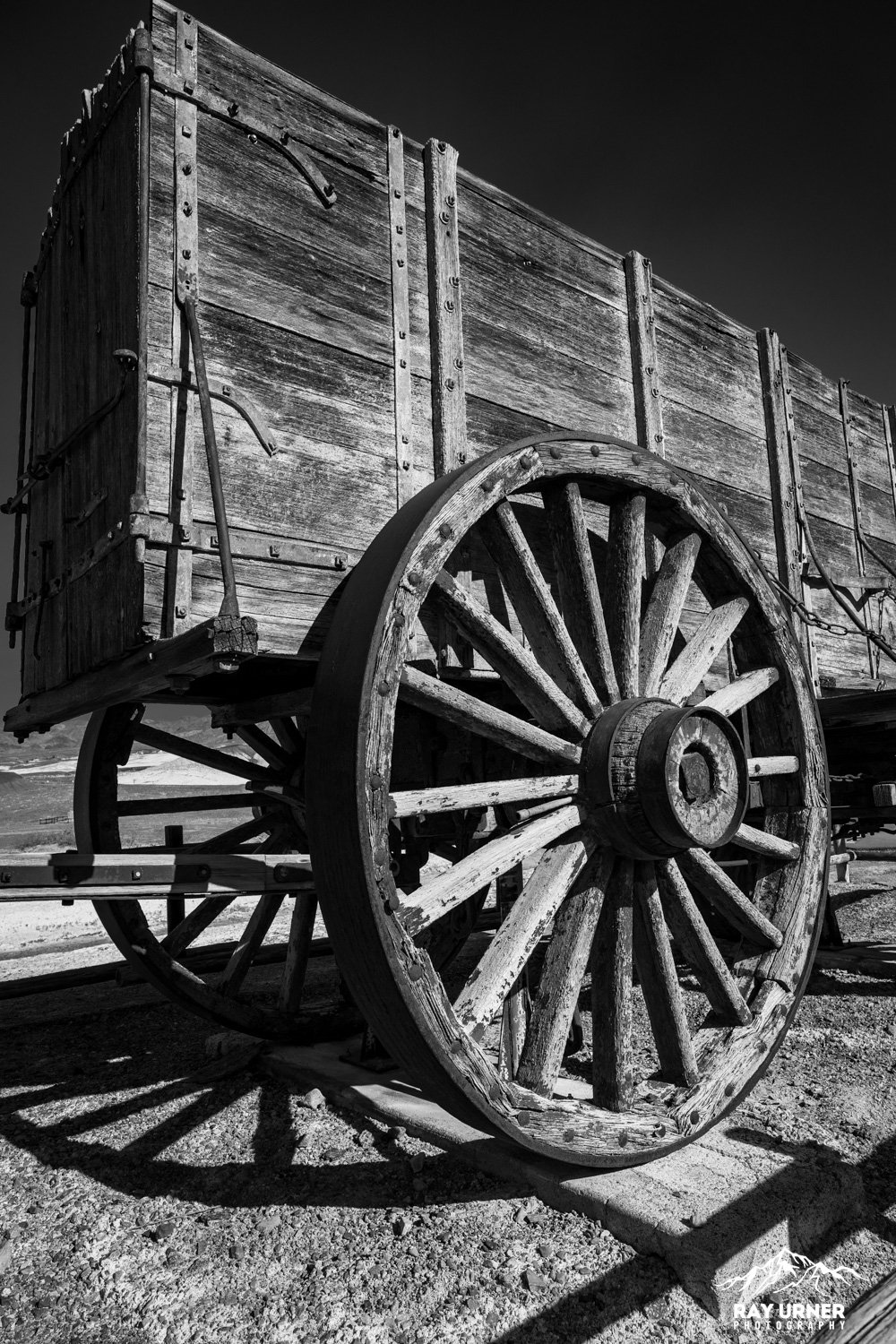
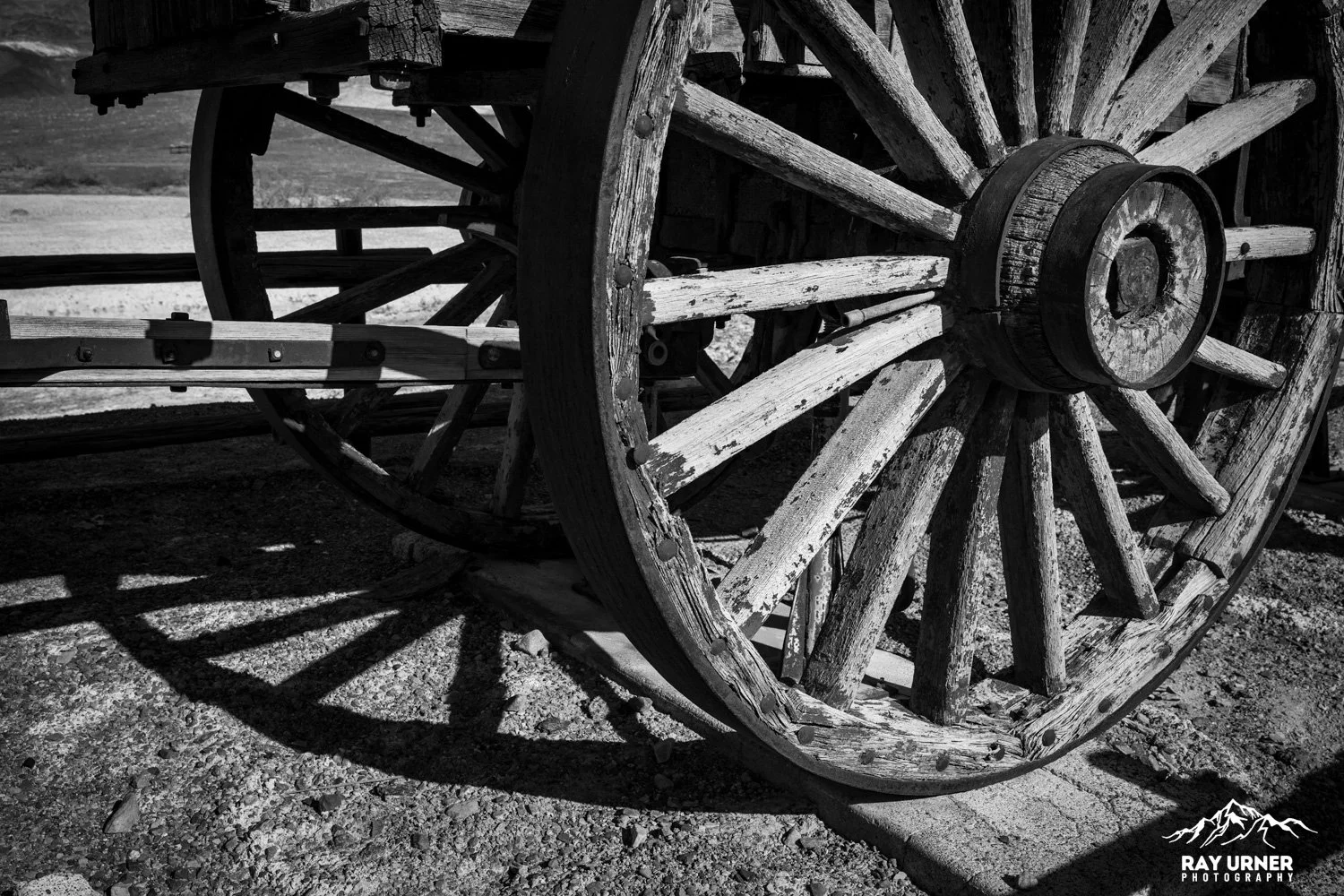
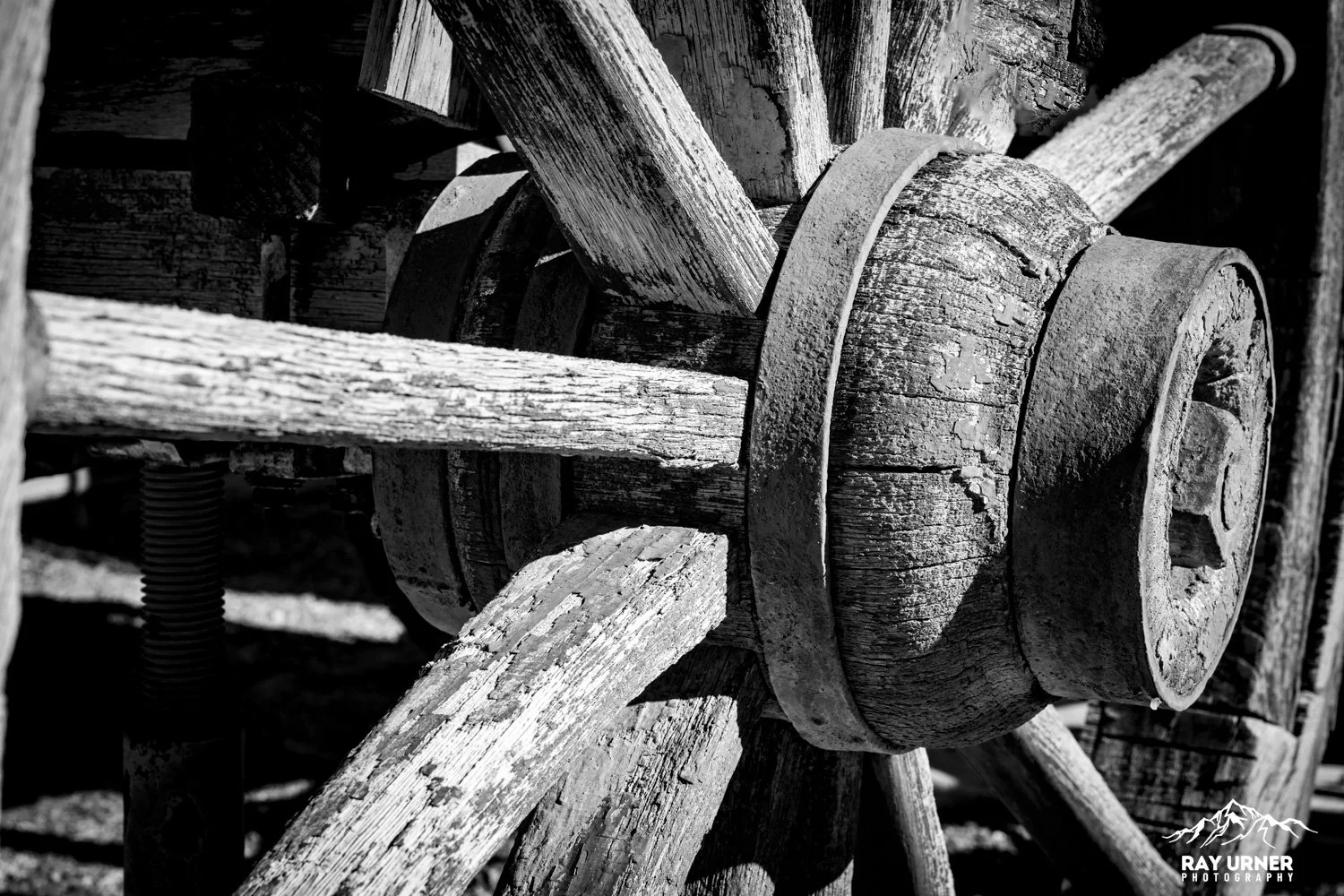
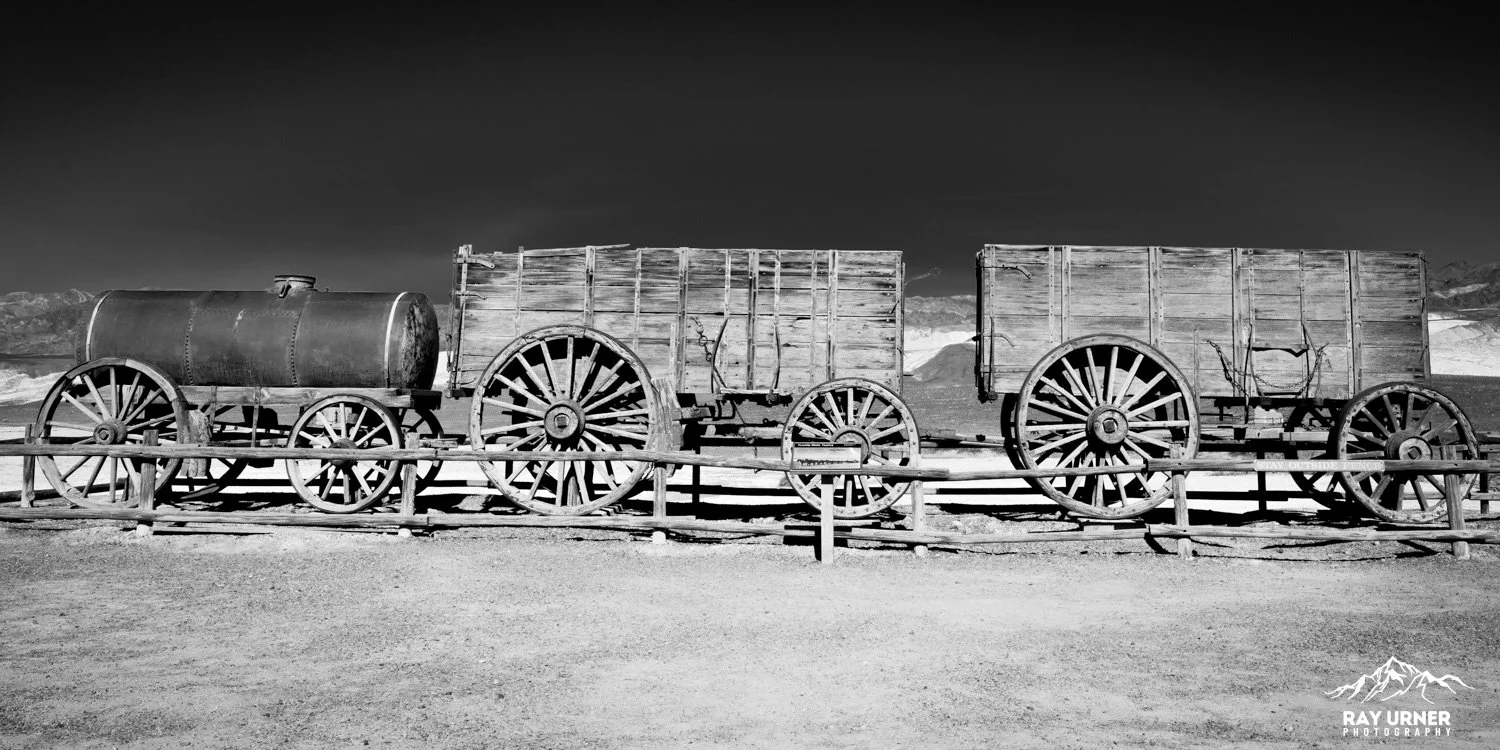
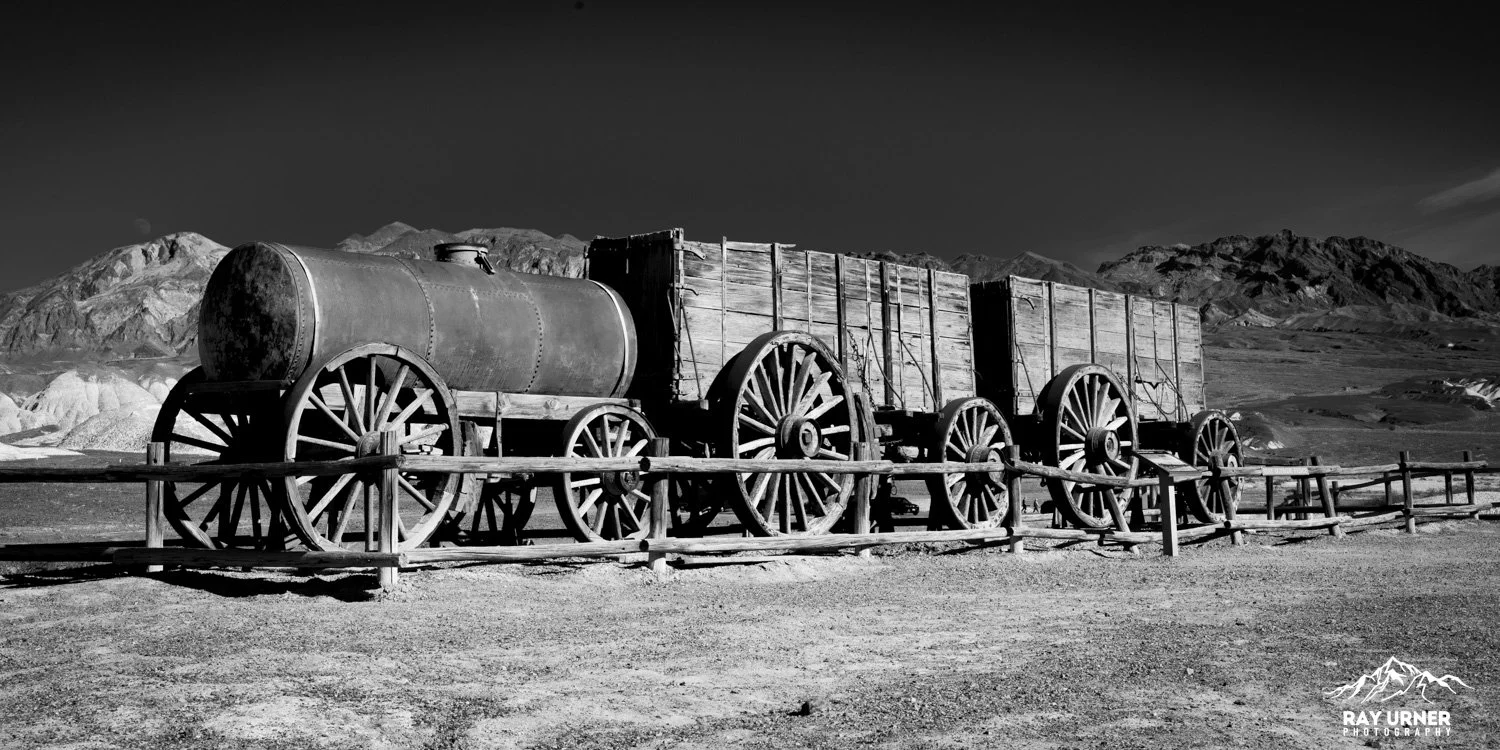
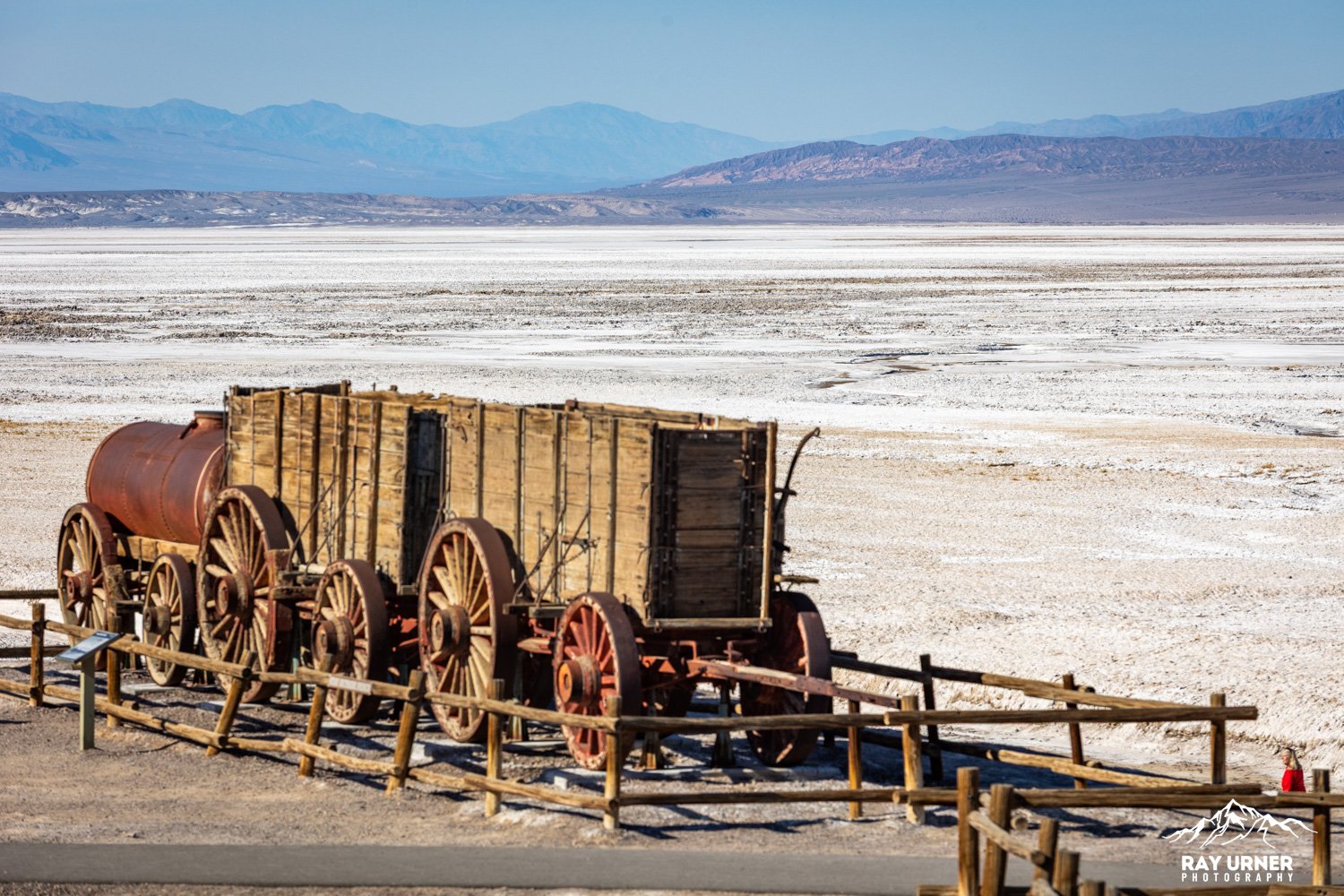
A pair of replica wagons — enormous and iron‑rimmed — standing beside the trail, representing the teams that once hauled borax across the Mojave.
3. Historic Tramway Foundations
Remnants of the rail‑based tram that brought ore down to the refinery.
4. Interpretive Signs
Clear and concise placards telling the story of operations, workers, geology, and transportation.
5. Panoramic Desert Backdrop
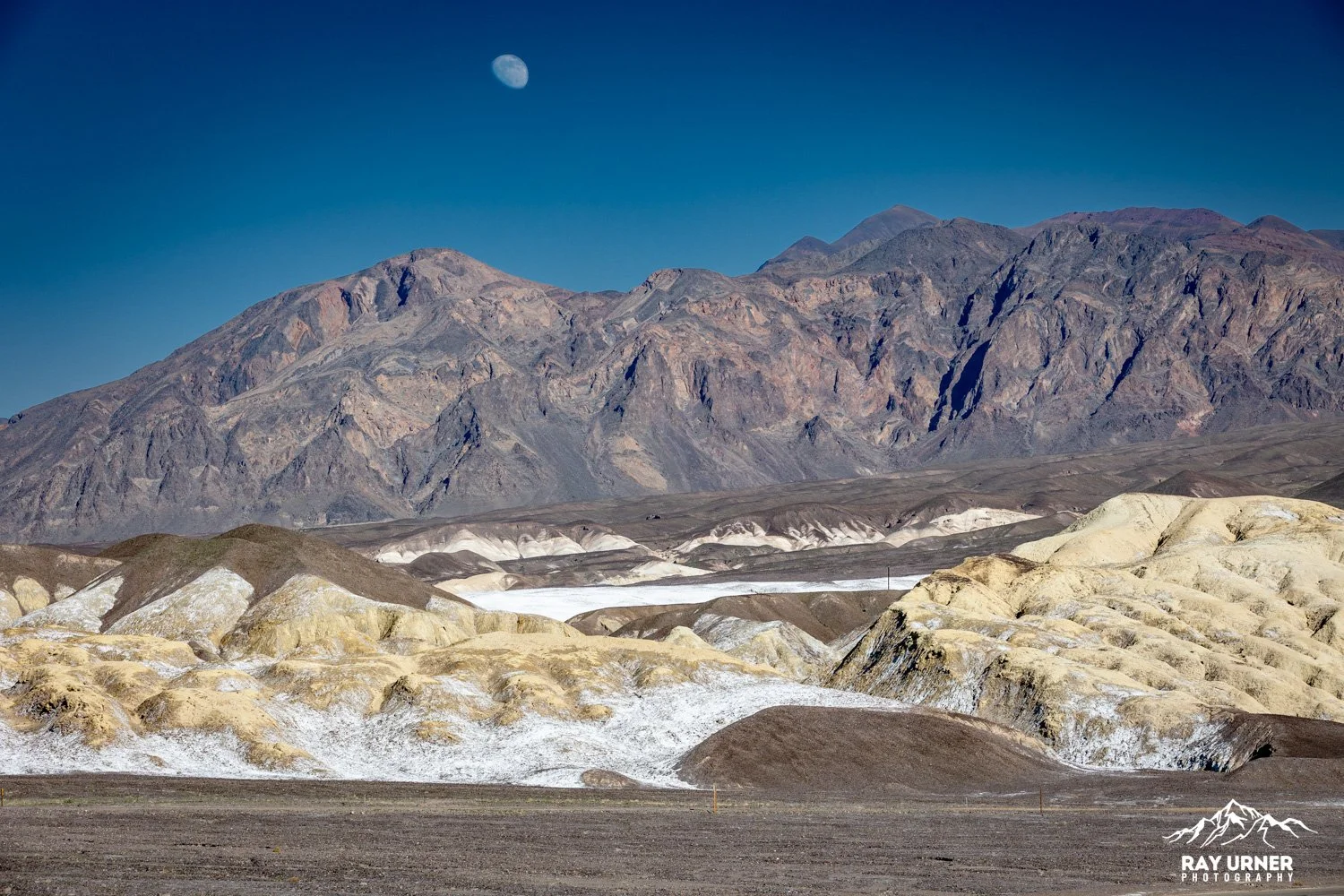
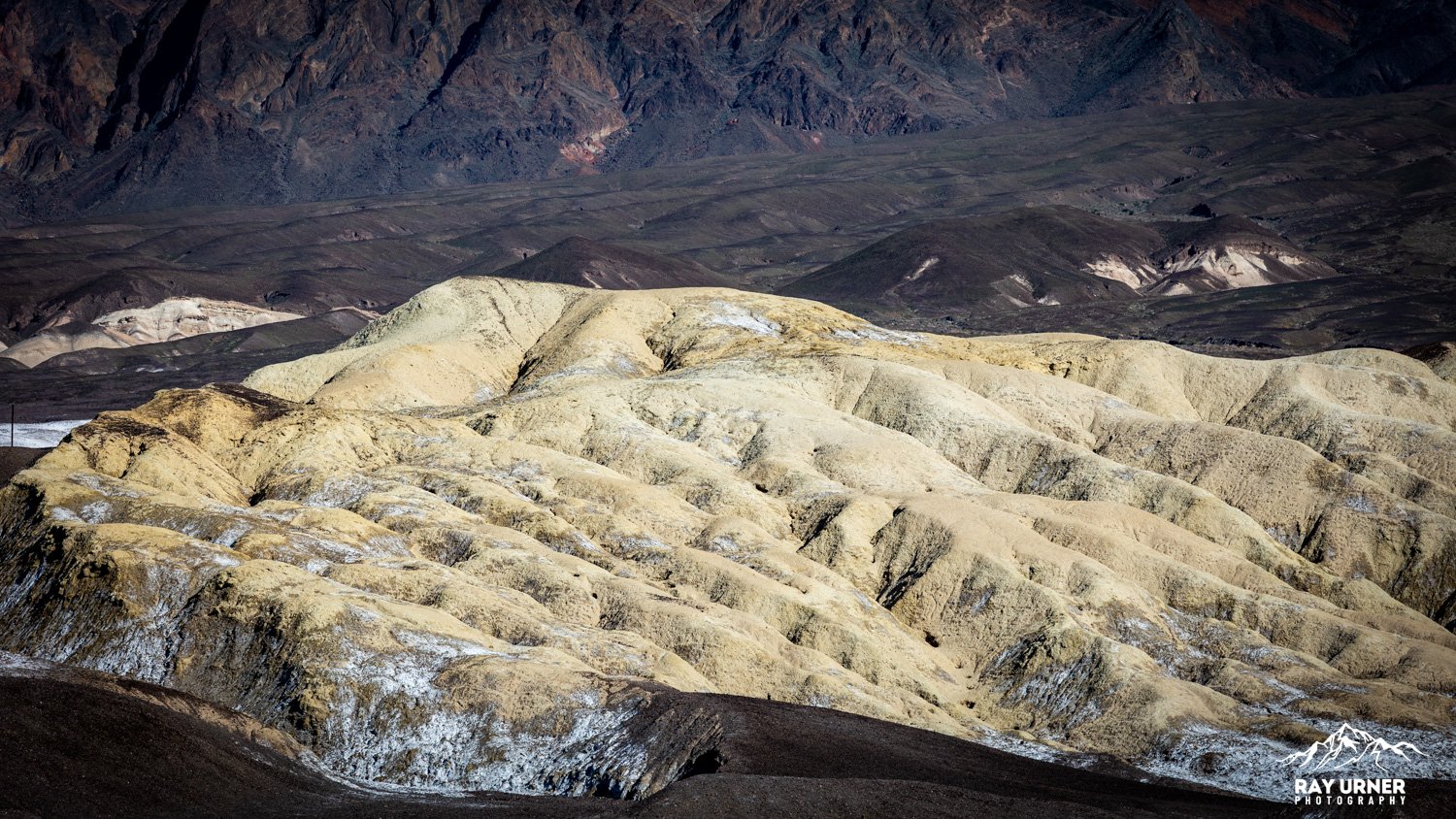
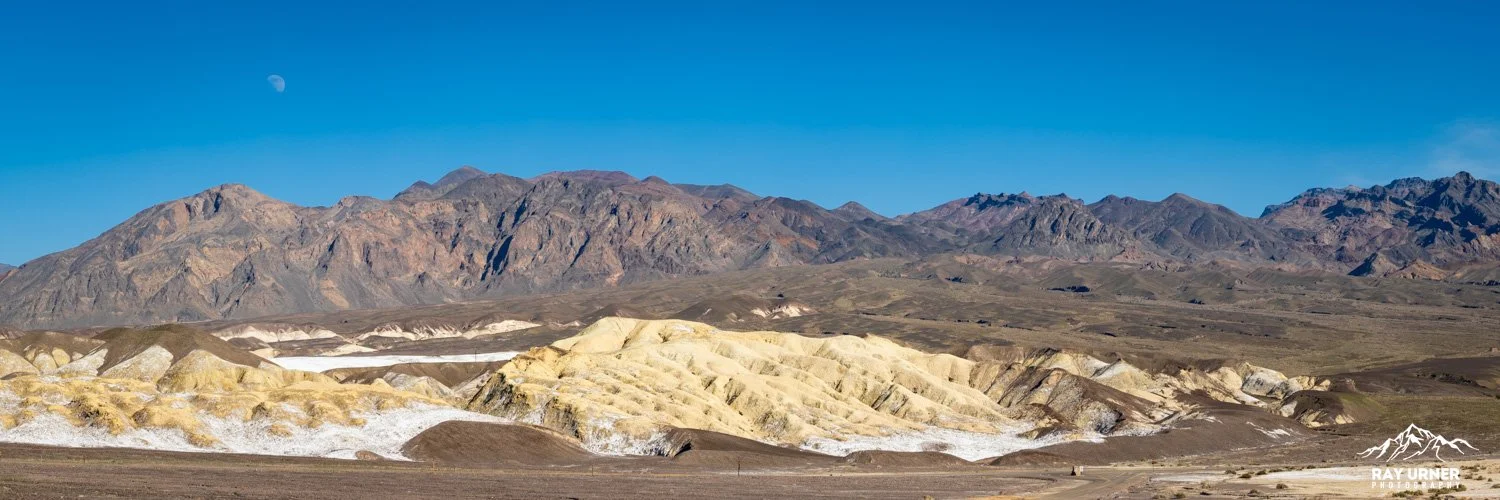
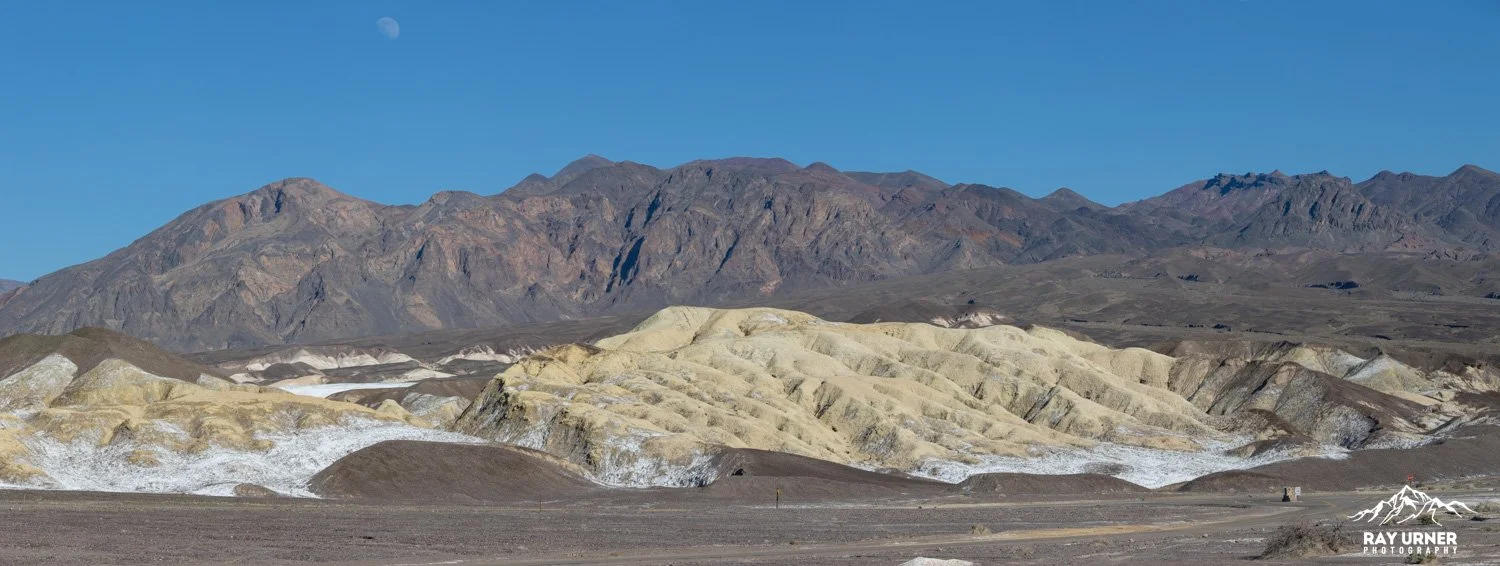
Views of the Funeral Mountains and valley flats add depth to photography and context to the site’s isolation.
Photography Guide
Best Times
Sunrise: Warm low‑angle light illuminates old machinery and textures; fewer visitors.
Late Afternoon: Soft golden light enhances the rusted metal and wagon shadows.
Midday: Flat but workable; great for documentary‑style images.
Best Angles & Subjects
1. 20‑Mule Team Wagons
The massive wagon wheels and chains make strong leading lines.
Shoot from low angles with the Funeral Mountains in the backdrop.
2. Ore Processing Structures
Use 24–70mm for wide storytelling compositions.
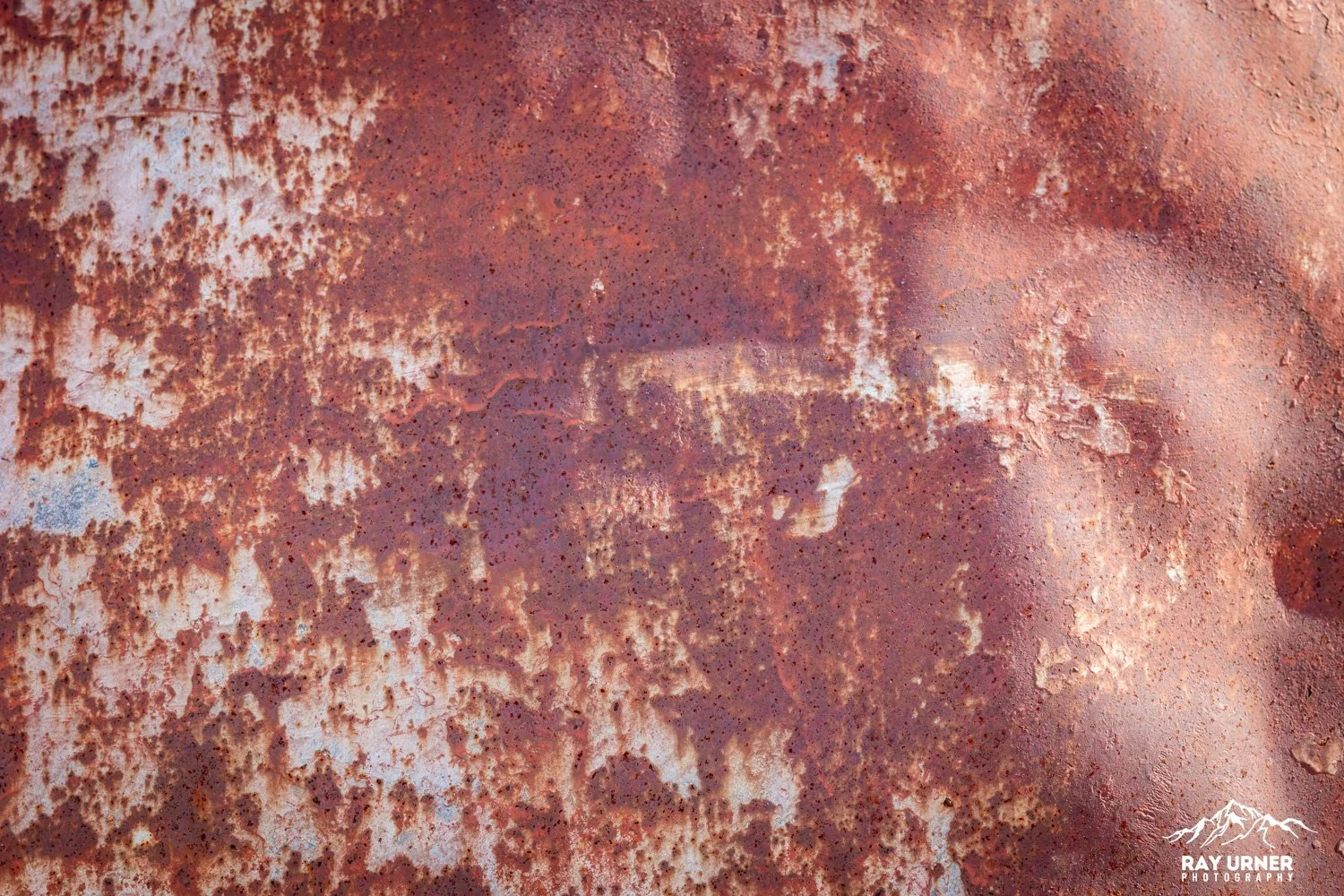
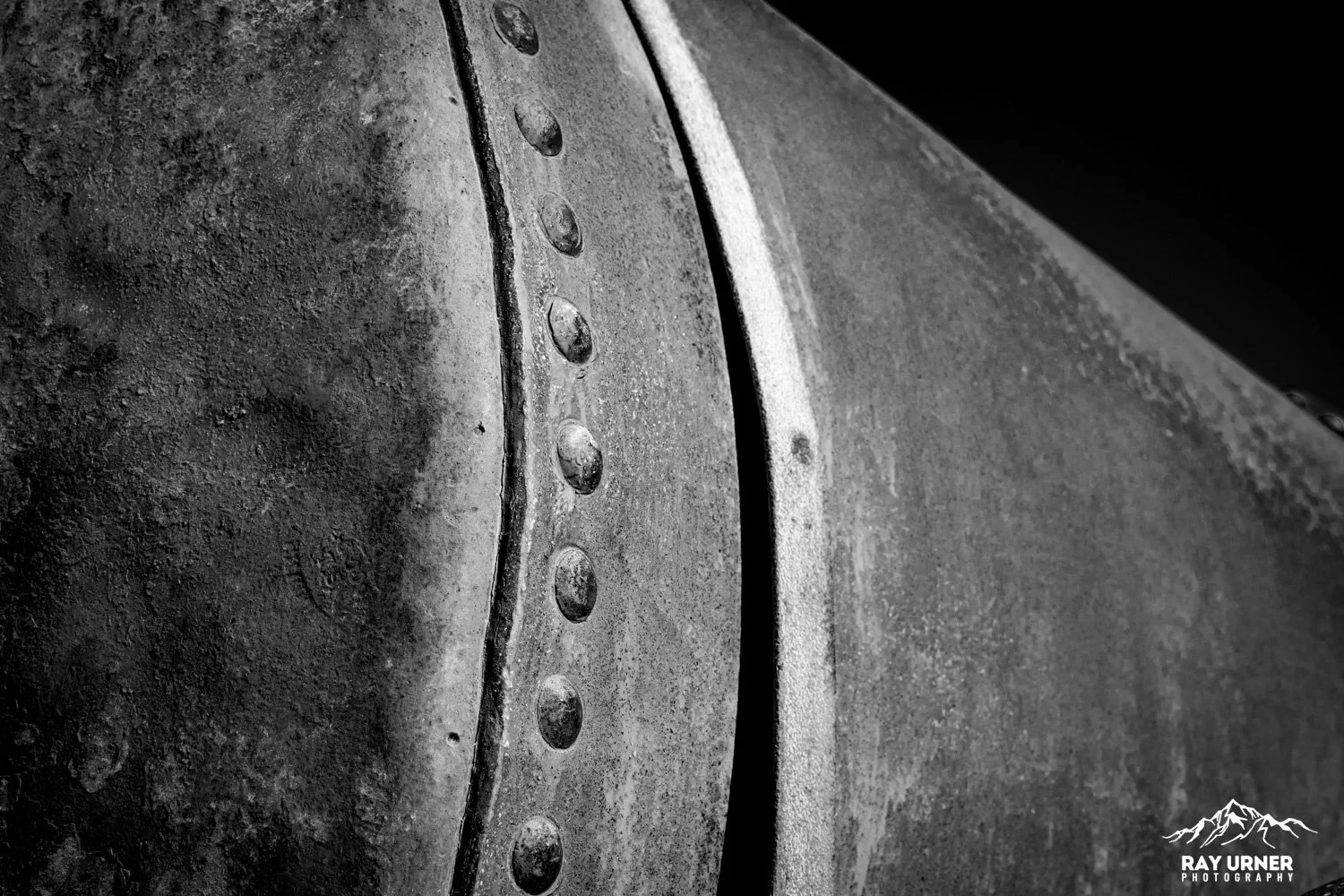
Rust, rivets, and aging metal photograph beautifully in side‑light.
3. Machinery Close‑Ups
Telephoto shots of boilers, gears, and pipes create strong industrial abstracts.
4. Ruins with Desert Context
Step back to frame the entire site with the valley landscape — helps tell the story of isolation and harsh working conditions.
5. Interpretive Plaque + Ruins
Useful for creating multi‑panel educational posts or blog sequences.
On‑the‑Ground Notes
Easy walking; accessible for most visitors.
No shade — bring water even for a short stop.
Stay on paths to preserve delicate ruins.
No drones (National Park-wide restriction).
Time it right for a ranger led tour.
Great stop immediately after sunrise at Zabriskie/Badlands or on the way toward Stovepipe Wells.
Pro Tips
Pair a visit with Furnace Creek Ranch or the Borax Museum for additional historical context.
If the wind is up, look for dust‑haze backlighting around sunset for atmospheric frames.
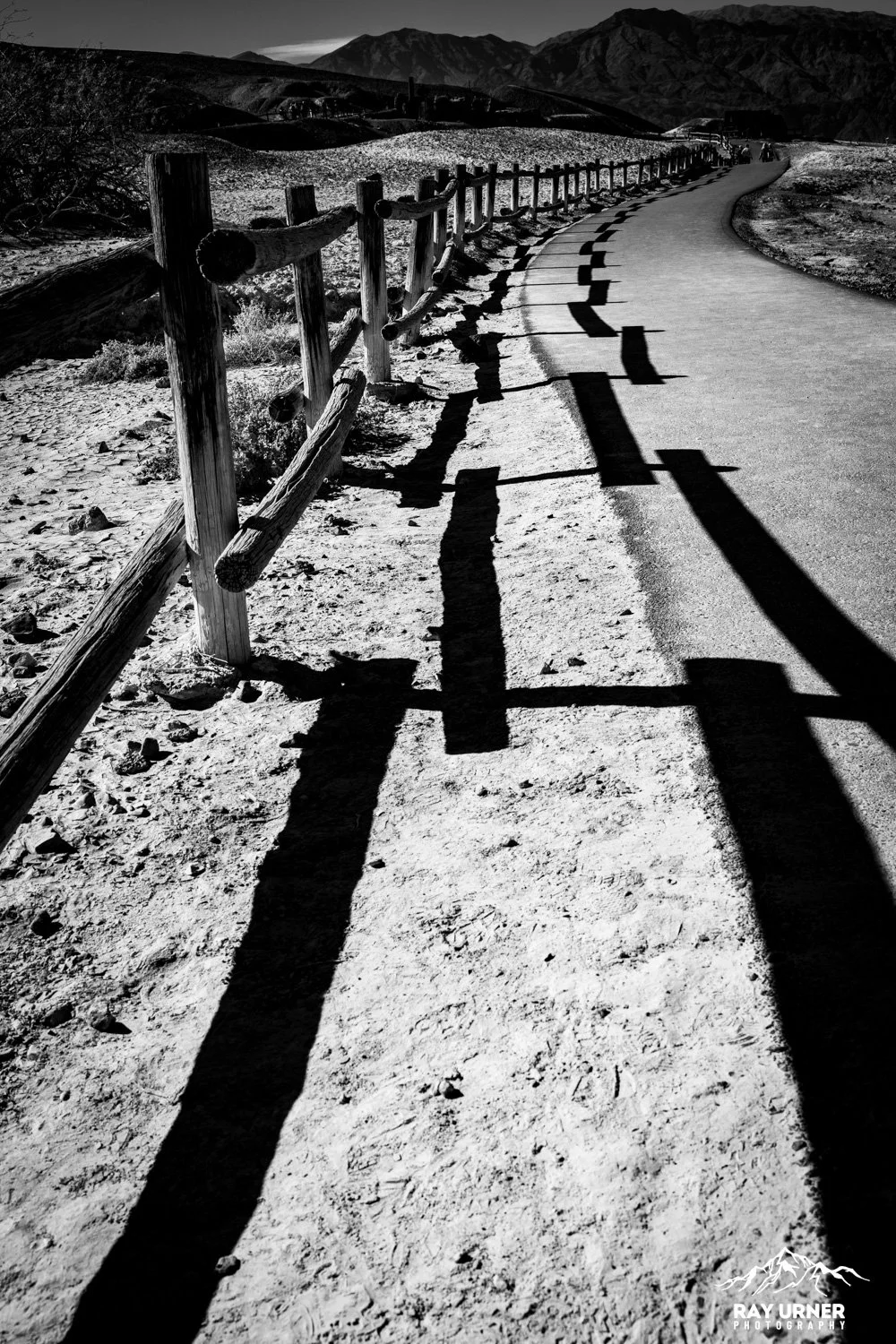
Black-and-white processing works extremely well to emphasize textures and industrial shapes.