
Madison Falls
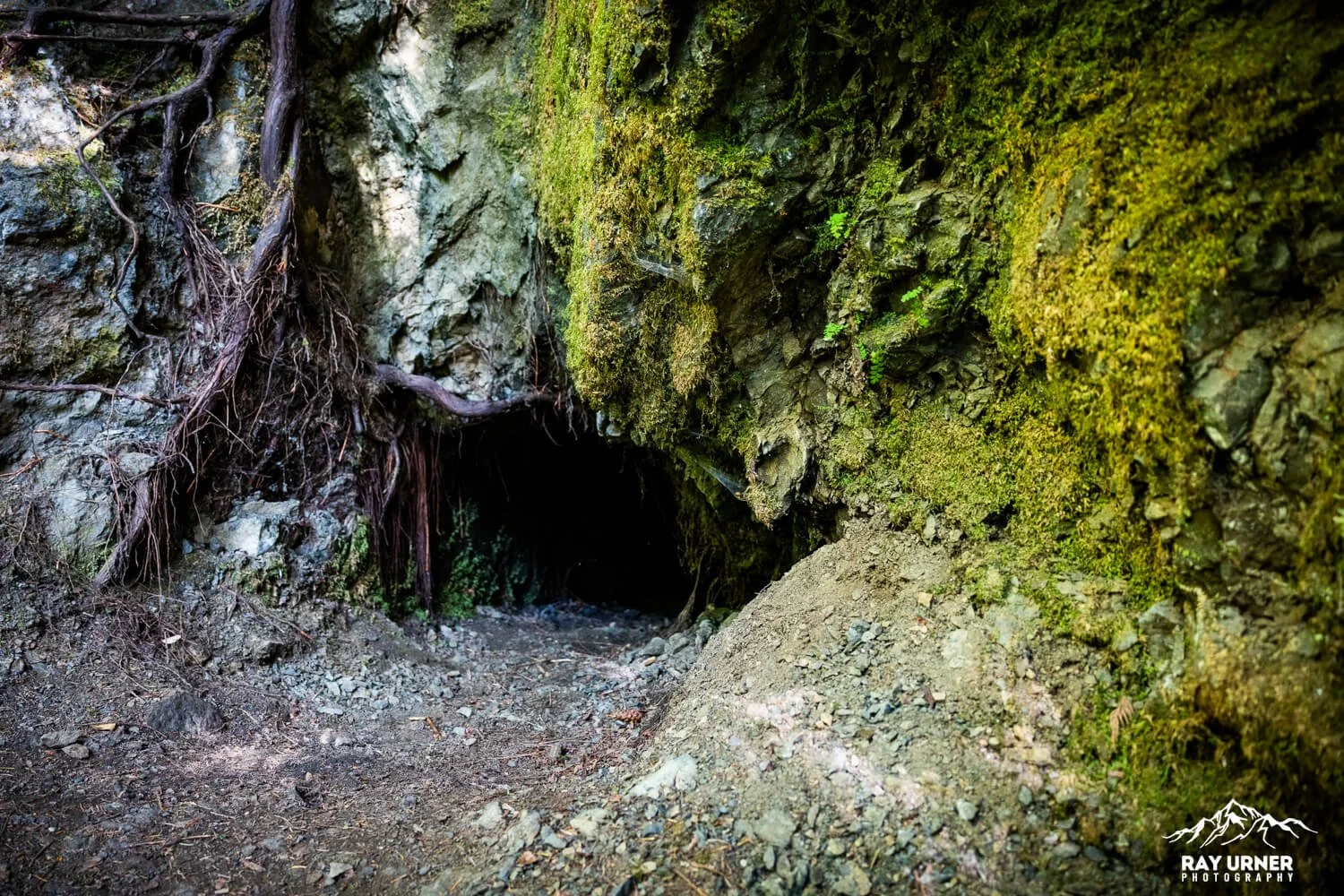
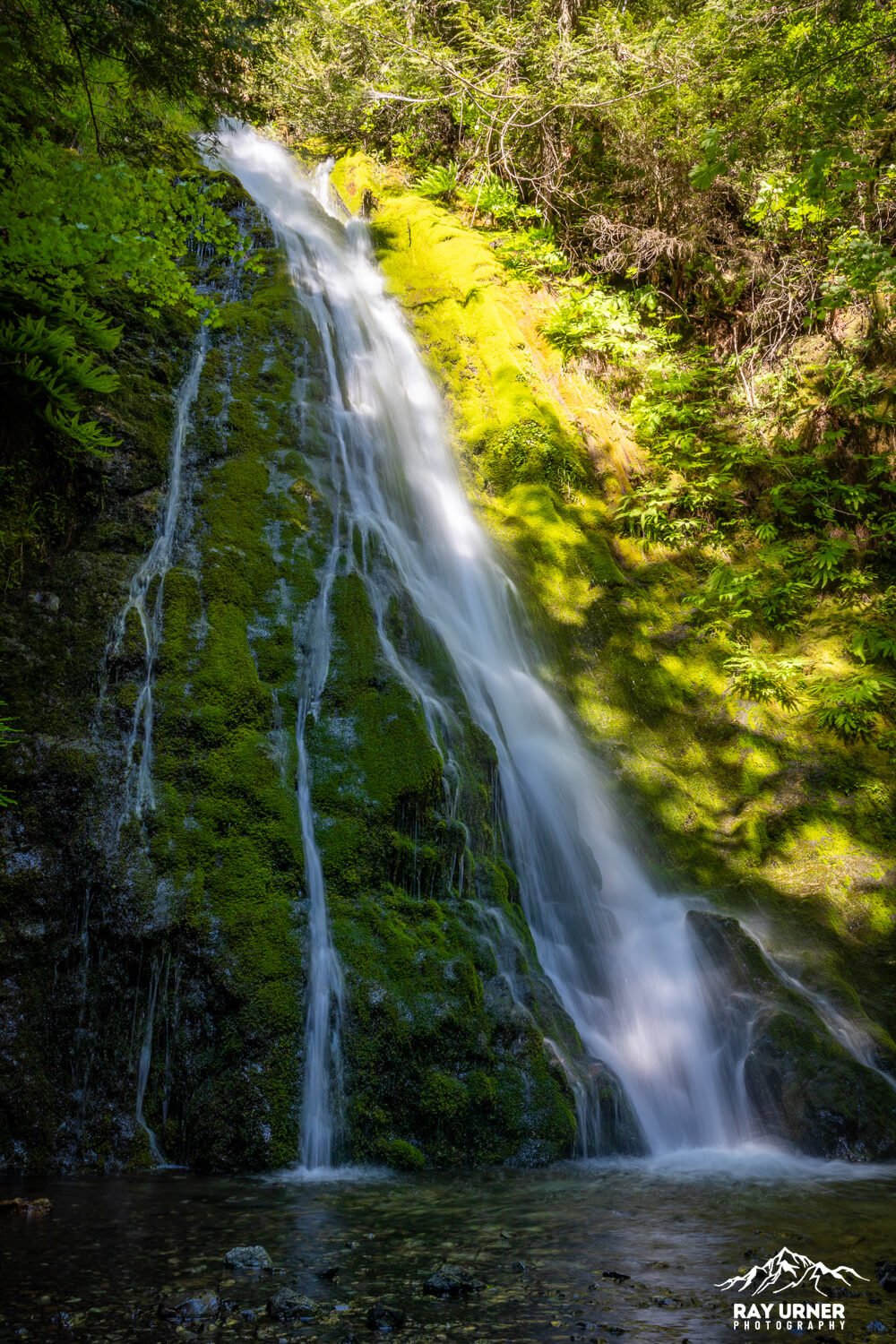
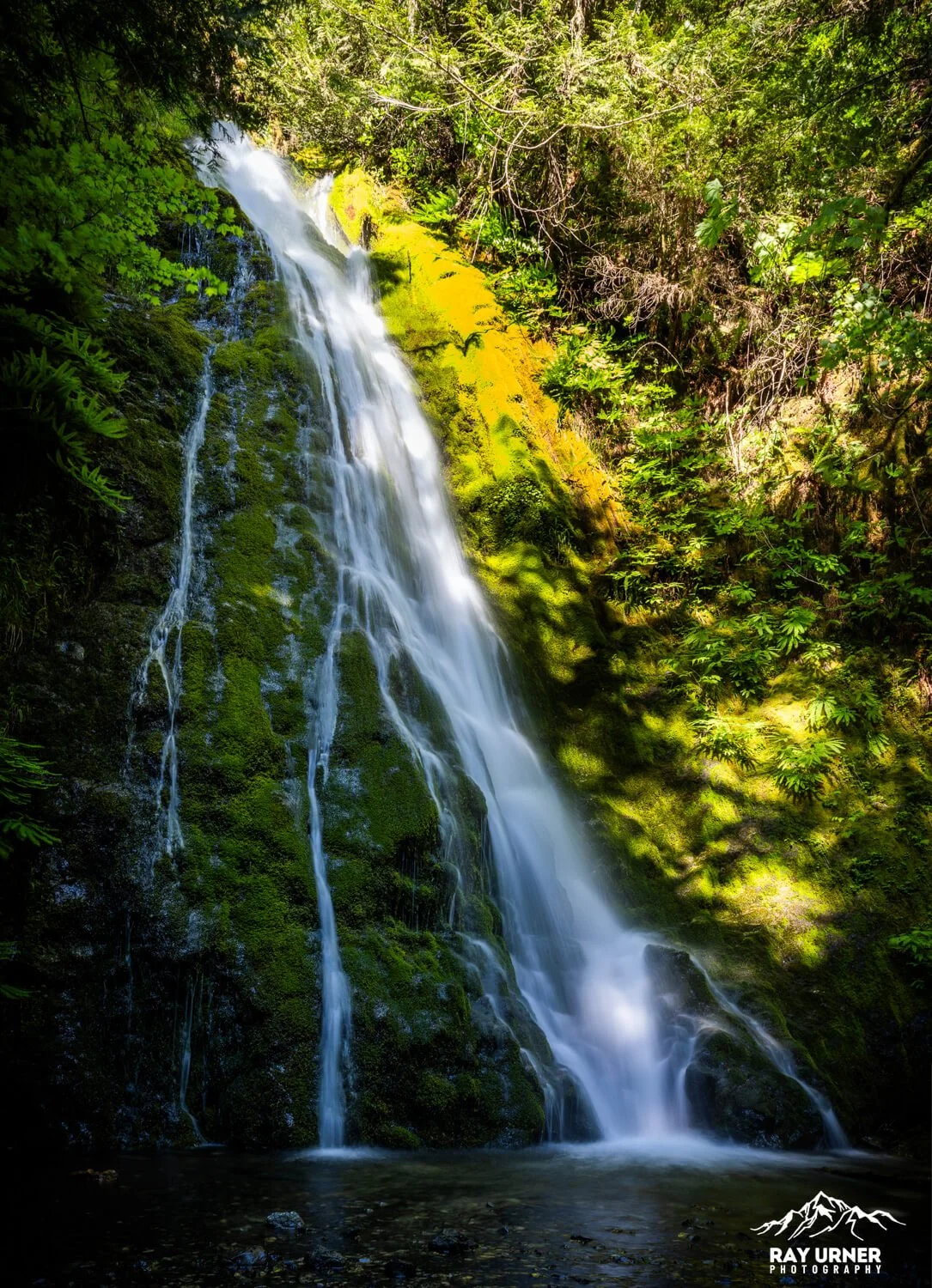
Nestled in the lush, temperate rainforest of Olympic National Park, Madison Falls is a hidden gem that offers both novice and seasoned photographers a chance to capture the Pacific Northwest’s raw beauty in a compact, accessible setting. With its 60-foot cascade, moss-draped trees, and the nearby Elwha River, this location is a dream for nature lovers and shutterbugs alike.
Trail Overview: A Short Walk to a Big Reward
The Madison Falls Trail is one of the most accessible hikes in Olympic National Park. Located just off Olympic Hot Springs Road, the trailhead is a short drive from Port Angeles. The path itself is a paved, gently sloping 0.1-mile walk (0.2 miles roundtrip), making it ideal for families, wheelchair users, and anyone looking for a quick nature escape.
Benches along the way offer spots to pause and soak in the surroundings, and the trail ends at a wooden viewing platform where the waterfall reveals itself in full glory. The accessibility and ease of this trail make it a perfect stop for golden hour photography or a midday nature break.
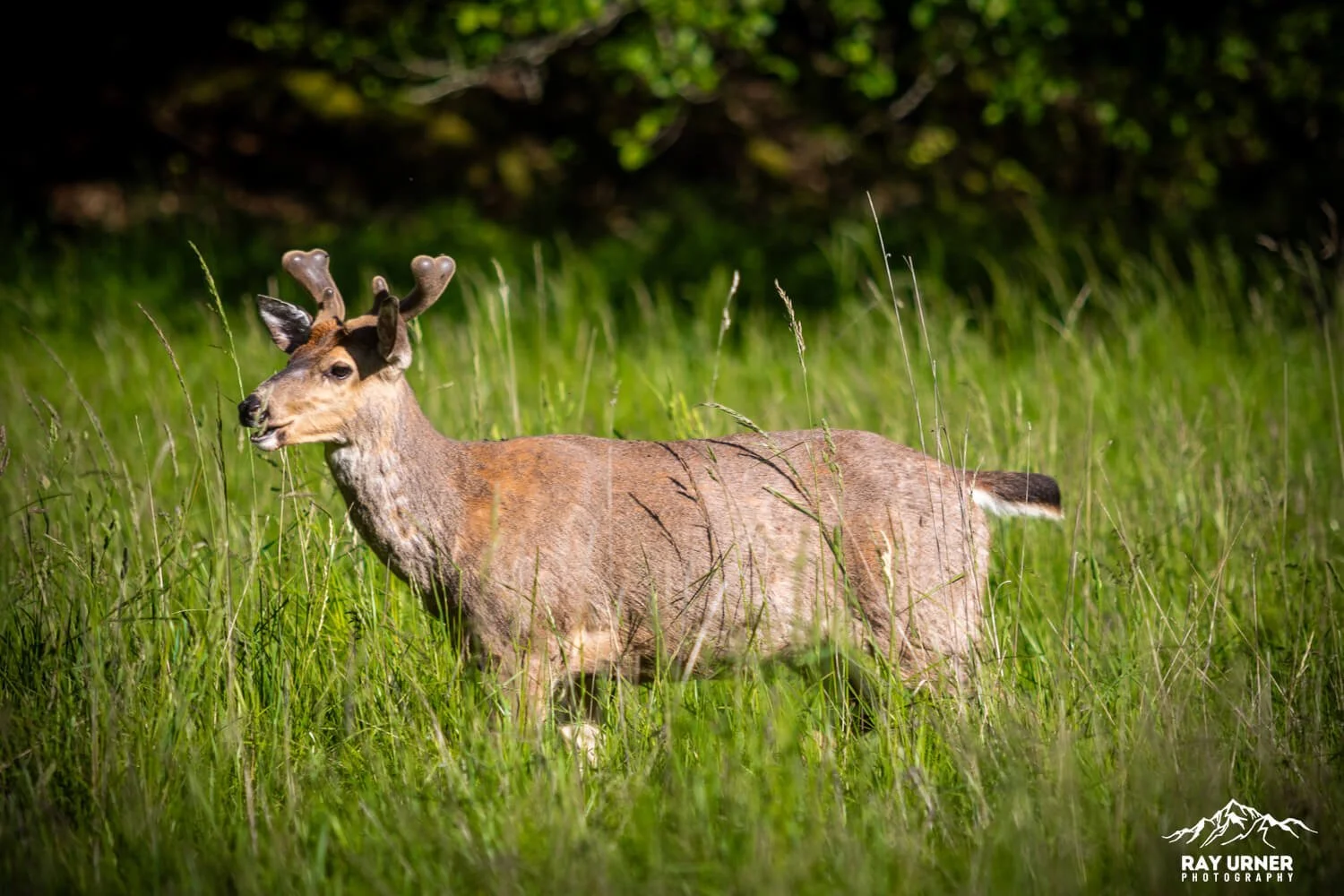
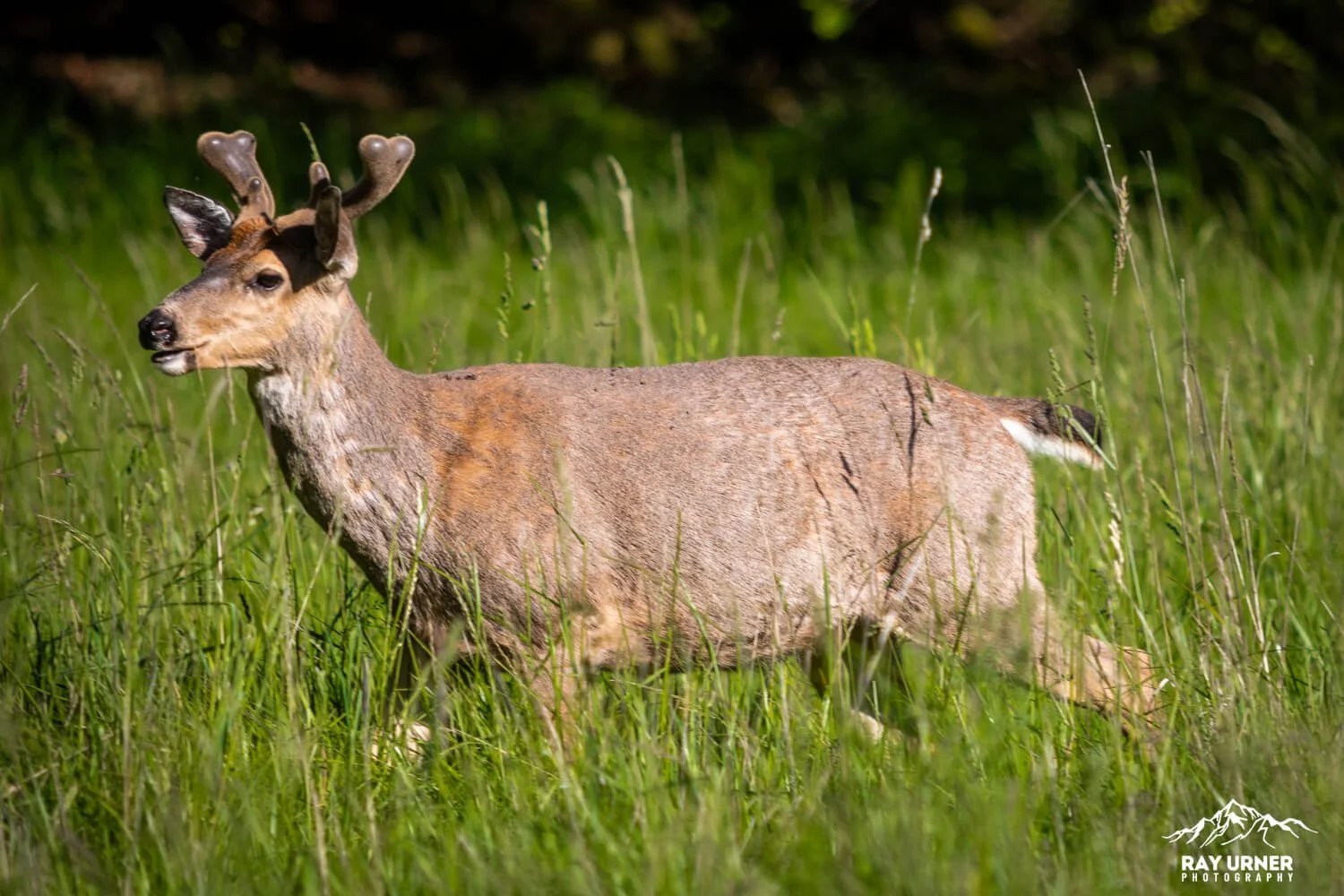
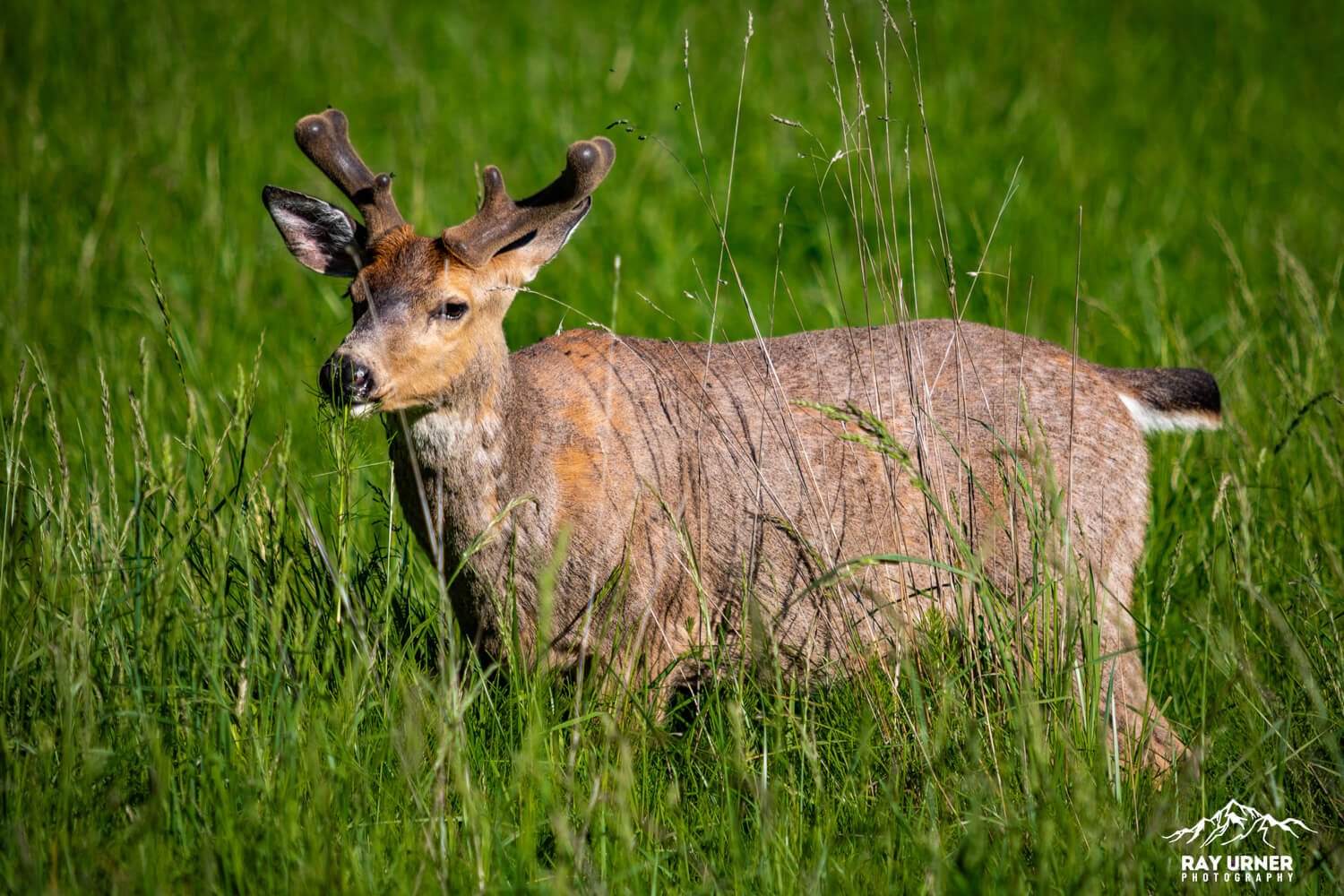
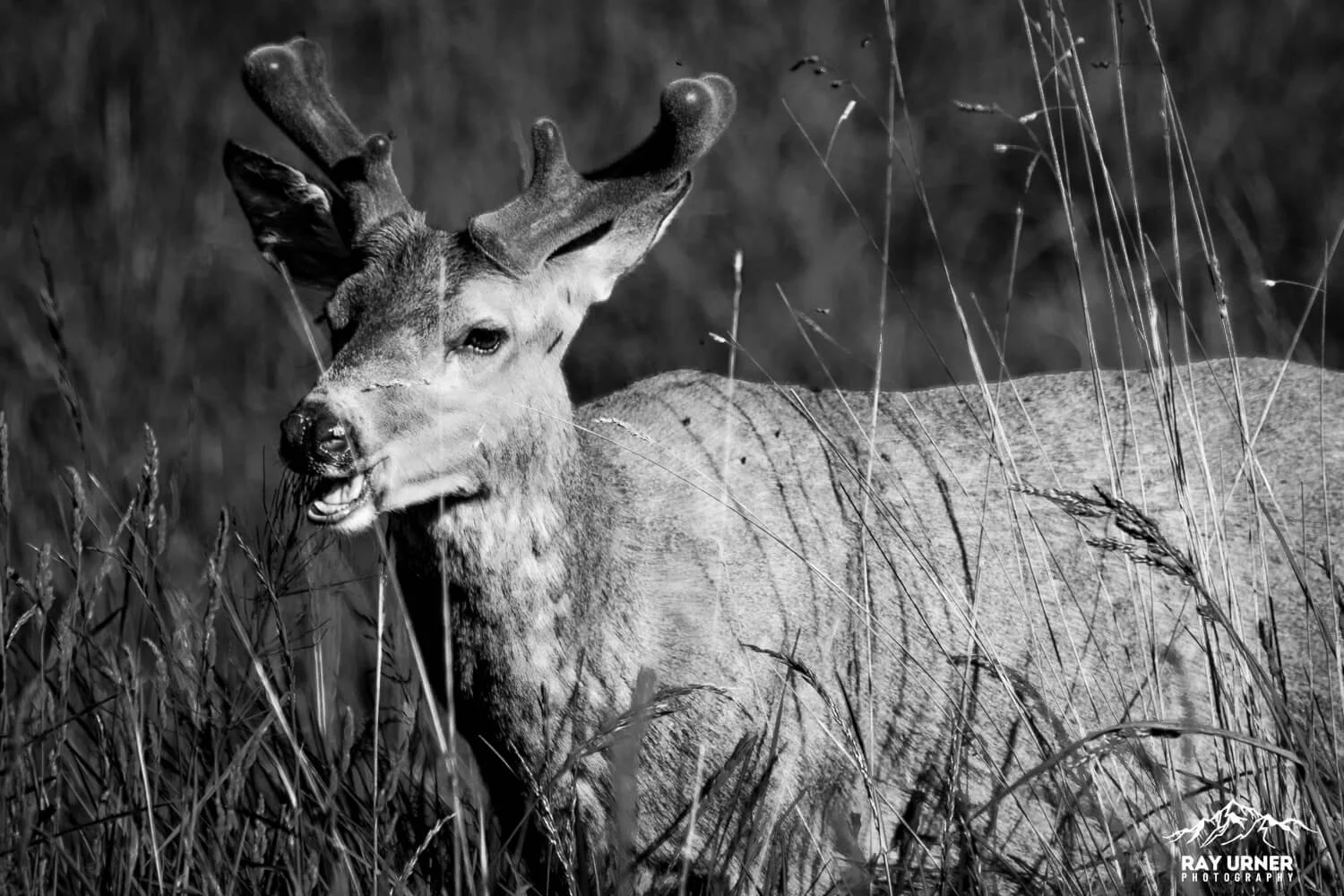
Pro Tip: When you park your car, check out the meadow right beside you to check out the local wildlife!
Flora and Fauna: A Living Canvas
Madison Falls is surrounded by a rich tapestry of Olympic Peninsula biodiversity. The trail winds through a forest of towering western red cedars, Douglas firs, and bigleaf maples. In spring and summer, the understory bursts with sword ferns, trilliums, and wildflowers like bleeding hearts and columbine.
Wildlife sightings are common, especially birds. Look for American dippers bobbing in the creek, or listen for the melodic calls of Pacific wrens and varied thrushes. The nearby Elwha River, once dammed and now restored, is home to returning salmon and trout, a testament to one of the largest ecological restoration projects in U.S. history.
Madison Falls: A Story of Resilience
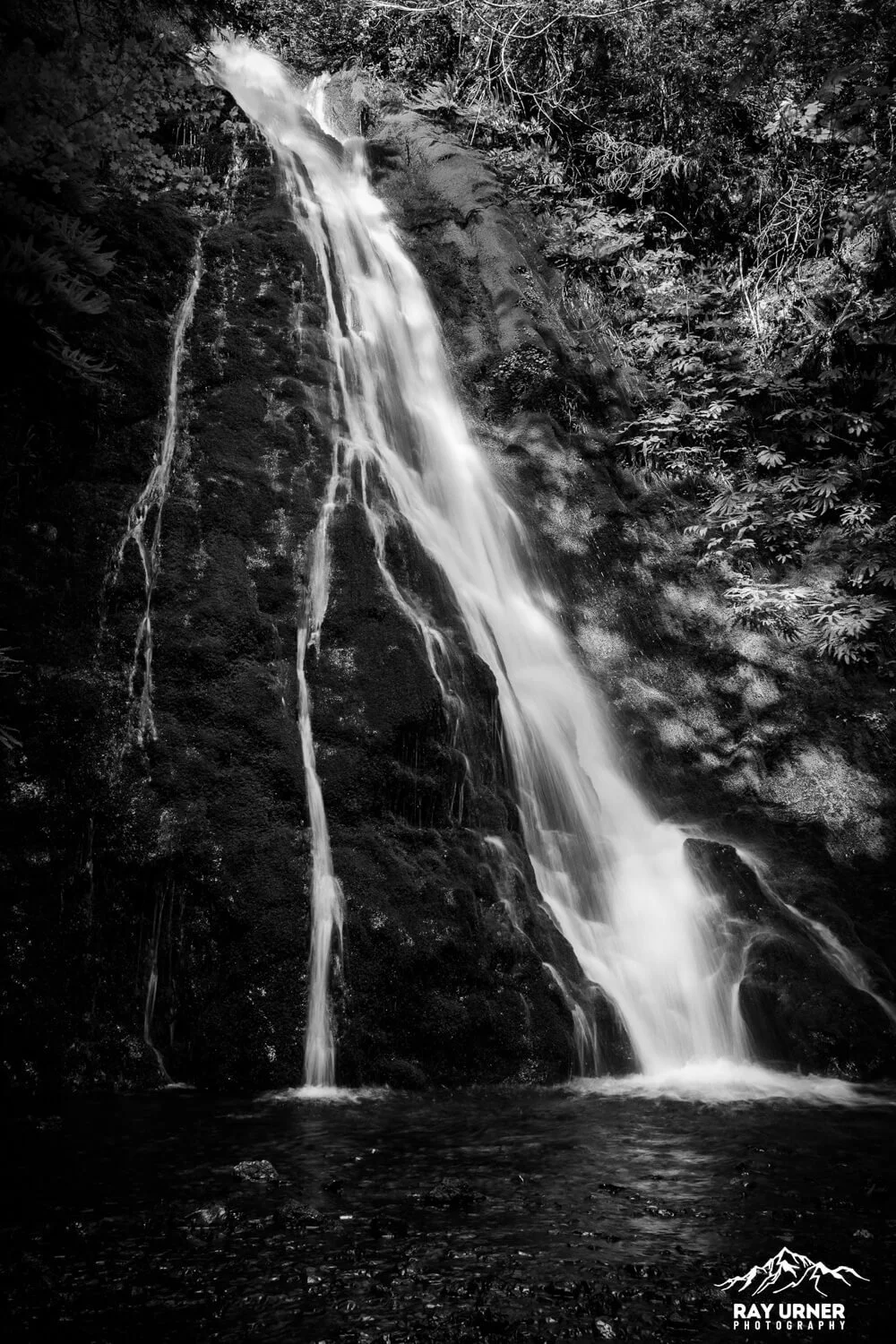
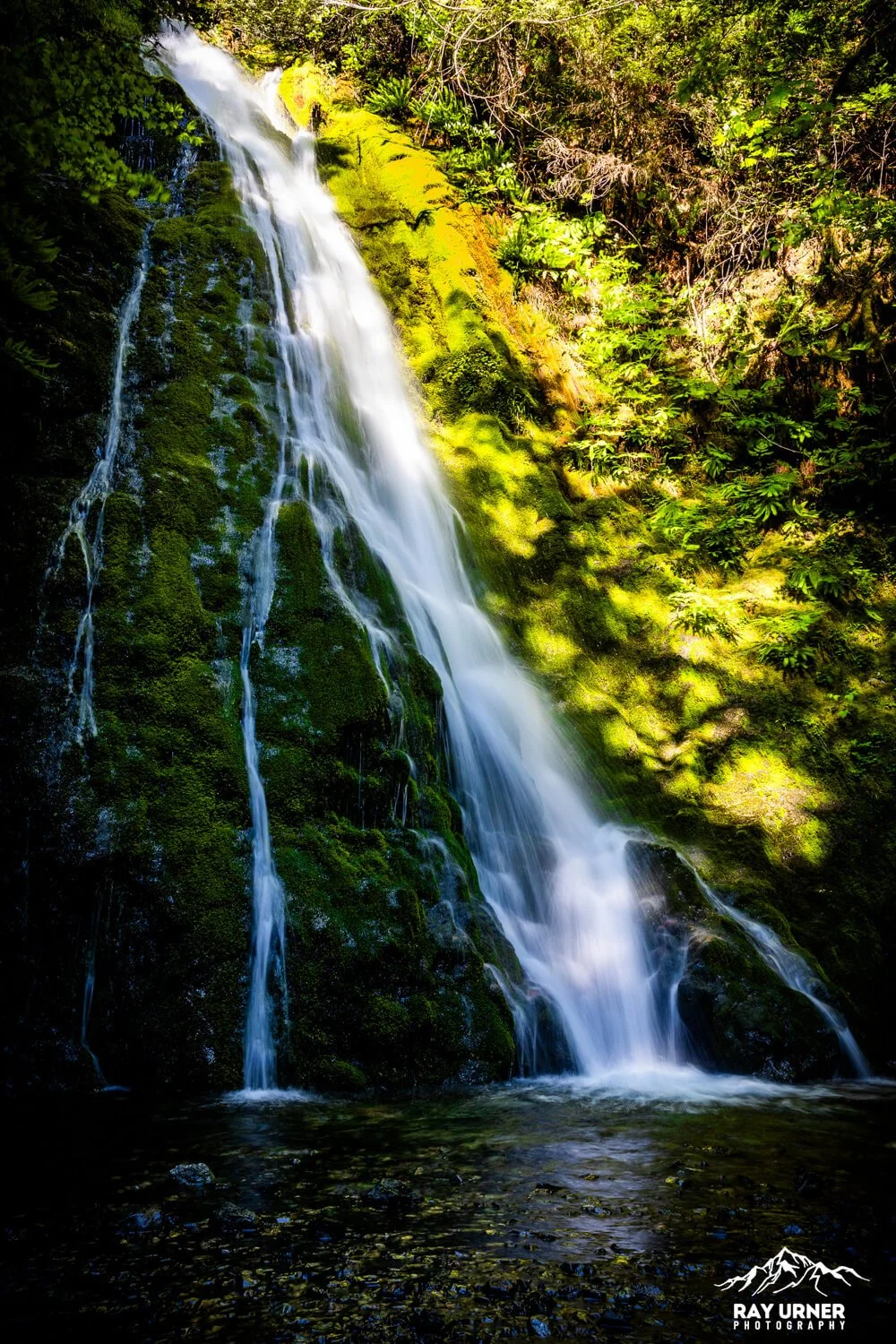
Madison Falls may not be the tallest or most thunderous waterfall in the park, but its charm lies in its elegance and accessibility. The 60-foot drop fans out over mossy rock, creating a veil-like cascade that’s especially photogenic after rainfall.
Its proximity to the Elwha River adds historical and ecological significance. The removal of the Elwha and Glines Canyon dams in 2014 marked a turning point for the region’s ecosystem. Today, the river flows freely, and salmon have returned to spawn in its upper reaches for the first time in over a century.
Photographing Madison Falls: Tips and Techniques
1. Timing is Everything: Early morning or late afternoon provides the best lighting. The soft, diffused light filtering through the forest canopy reduces harsh shadows and highlights the waterfall’s silky flow.
2. Long Exposure Magic: Bring a tripod and use a neutral density (ND) filter to capture the waterfall’s motion. A shutter speed of 1–2 seconds will give the water that dreamy, misty effect.
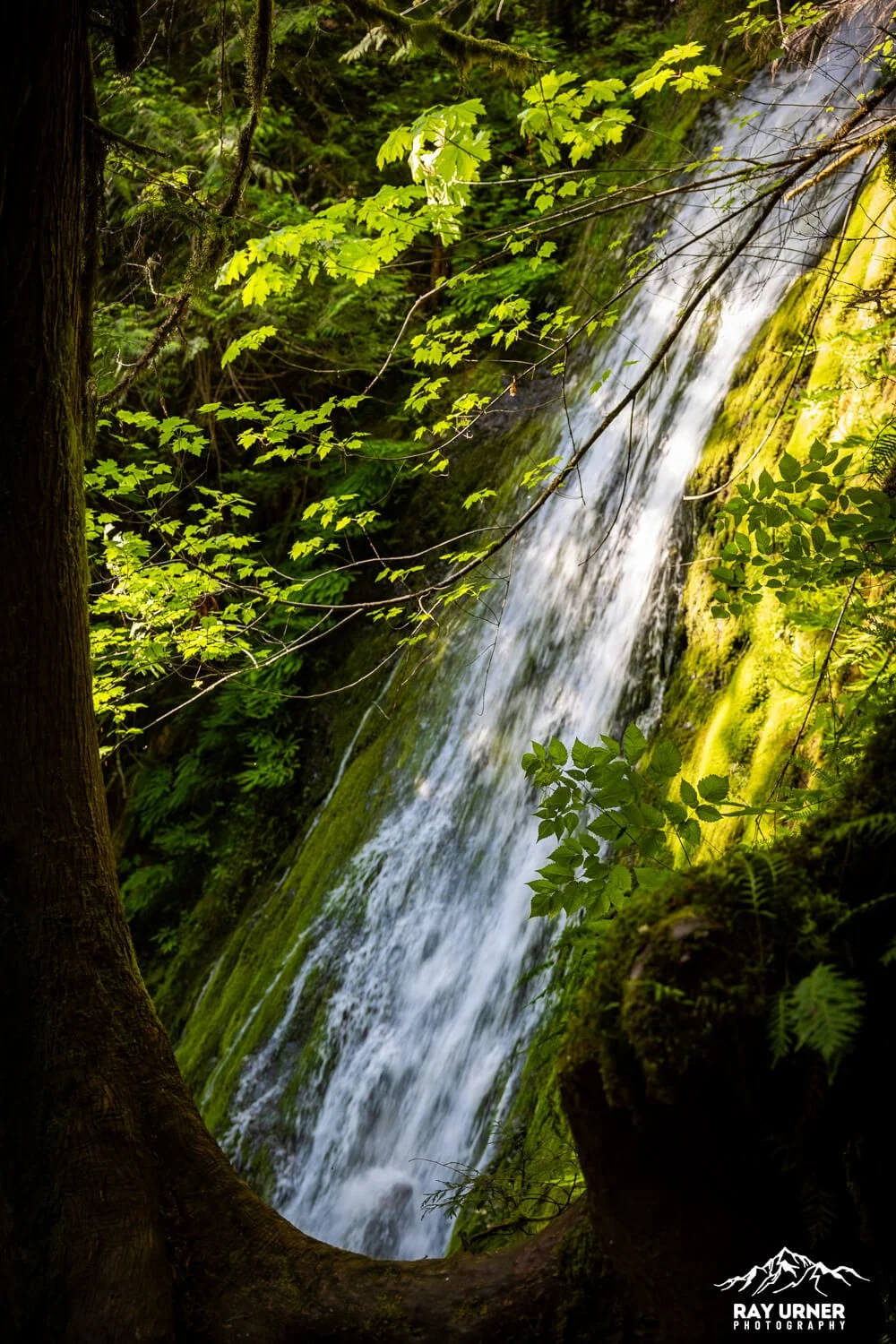
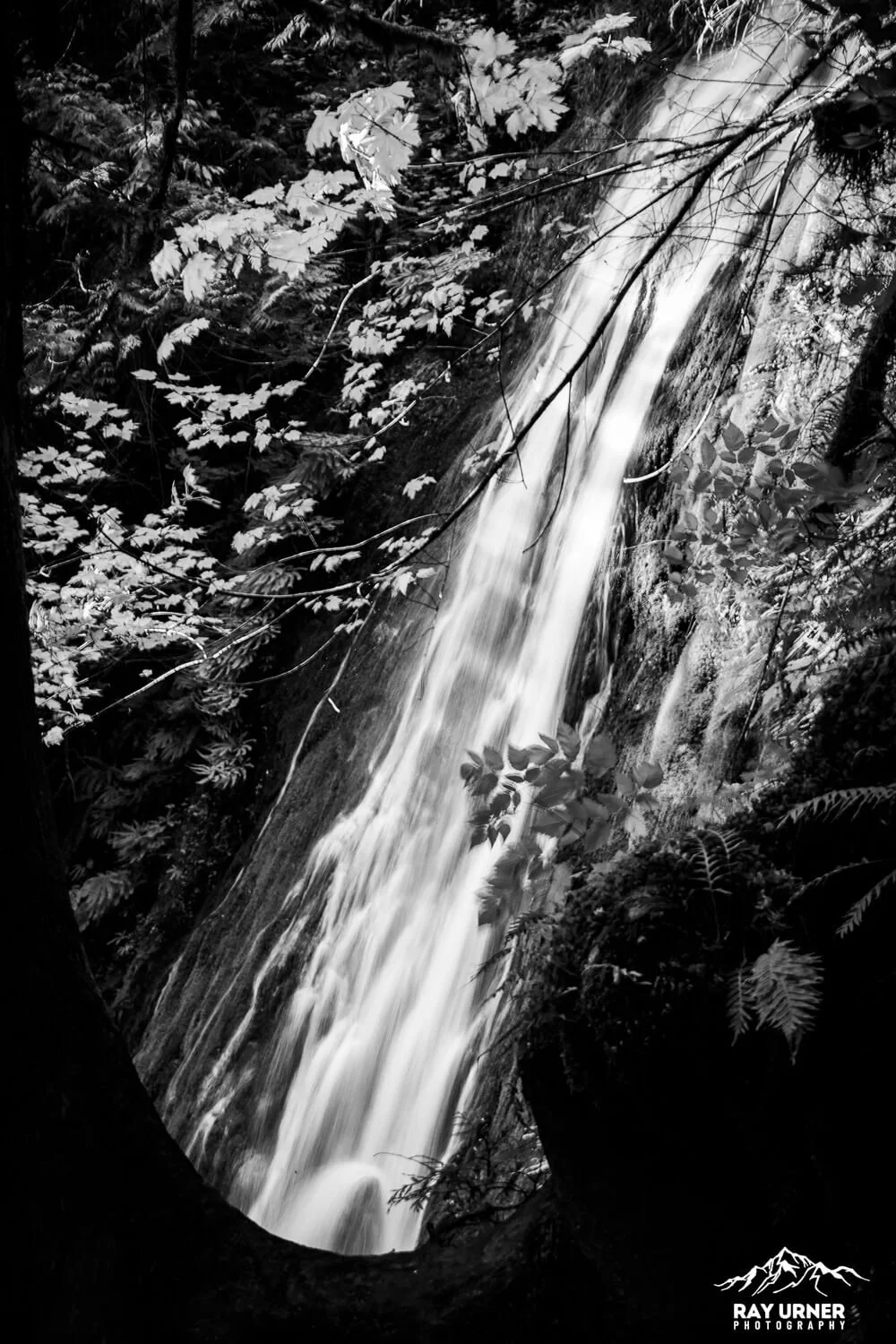
3. Frame with Flora: Use the surrounding ferns, mossy branches, or tree trunks to frame your shot. This adds depth and context, emphasizing the waterfall’s place within the rainforest ecosystem.
4. Don’t Forget the Details: Macro shots of dew-covered leaves, fungi on fallen logs, or the textured bark of ancient trees can add variety to your photo set.
Final Thoughts: A Must-Visit for Nature Photographers
Whether you're a local looking for a peaceful afternoon or a traveler exploring the Olympic Peninsula, Madison Falls offers a perfect blend of accessibility, natural beauty, and photographic opportunity. It’s a place where you can slow down, listen to the water, and capture the quiet majesty of the Pacific Northwest—one frame at a time. And if you’re on your way to Lake Crescent Lodge, it’s literally right on your way!
Where to next?
Hall of Mosses
Hurricane Ridge
Lake Crescent
Madison Falls
Merrymere Falls
Rialto Beach
Spruce Trail
Tree of Life & Third Beach
Olympic Main Page
National Parks Main Page