
Hall of Mosses
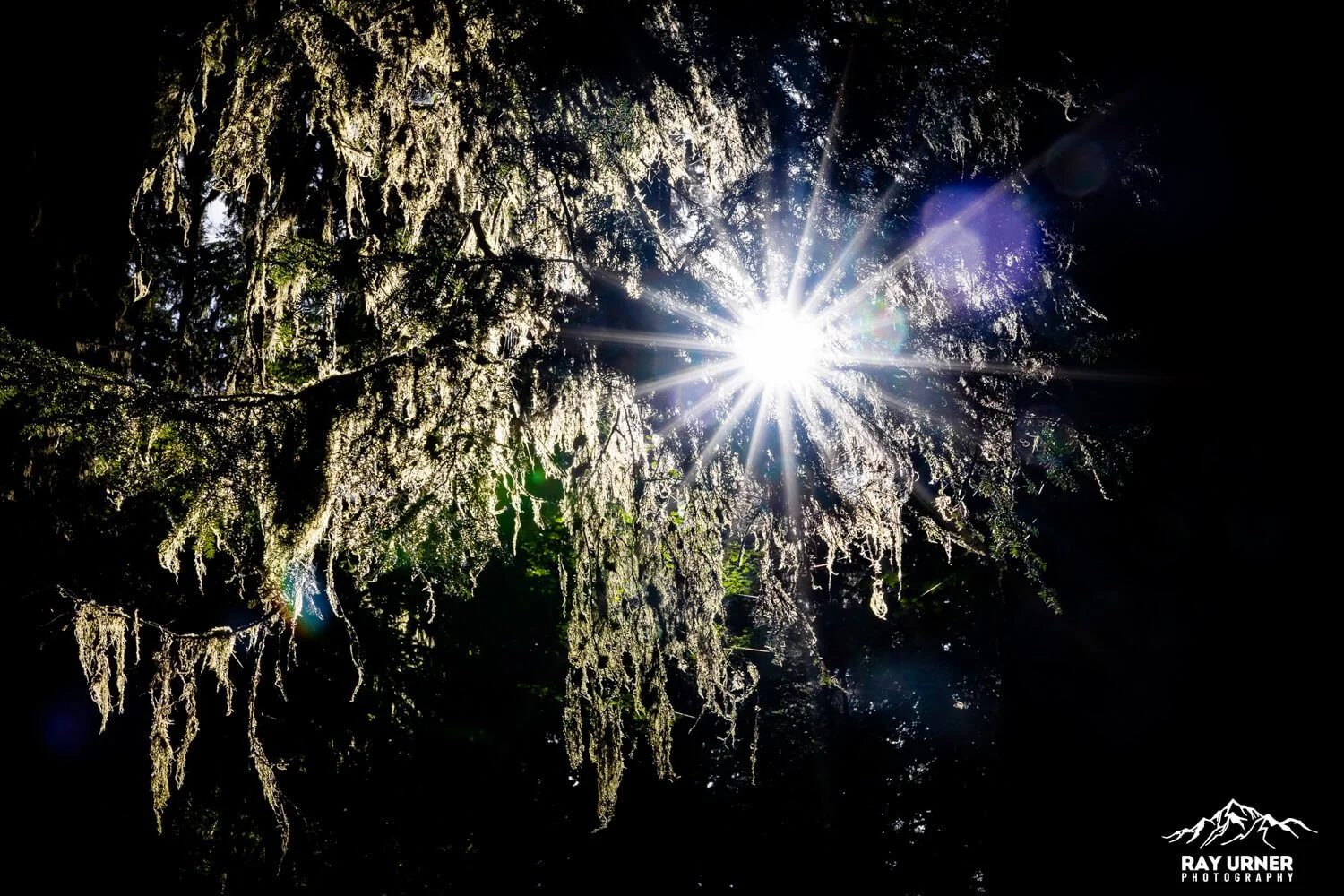
Step into a world where time slows, light softens, and every surface is cloaked in green. The Hall of Mosses Trail in the Hoh Rain Forest of Olympic National Park is not just a hike—it’s a journey into one of the most enchanting ecosystems on Earth. For photographers, it’s a living dreamscape of texture, light, and life.
Trail Overview: A Short Walk Through Ancient Majesty
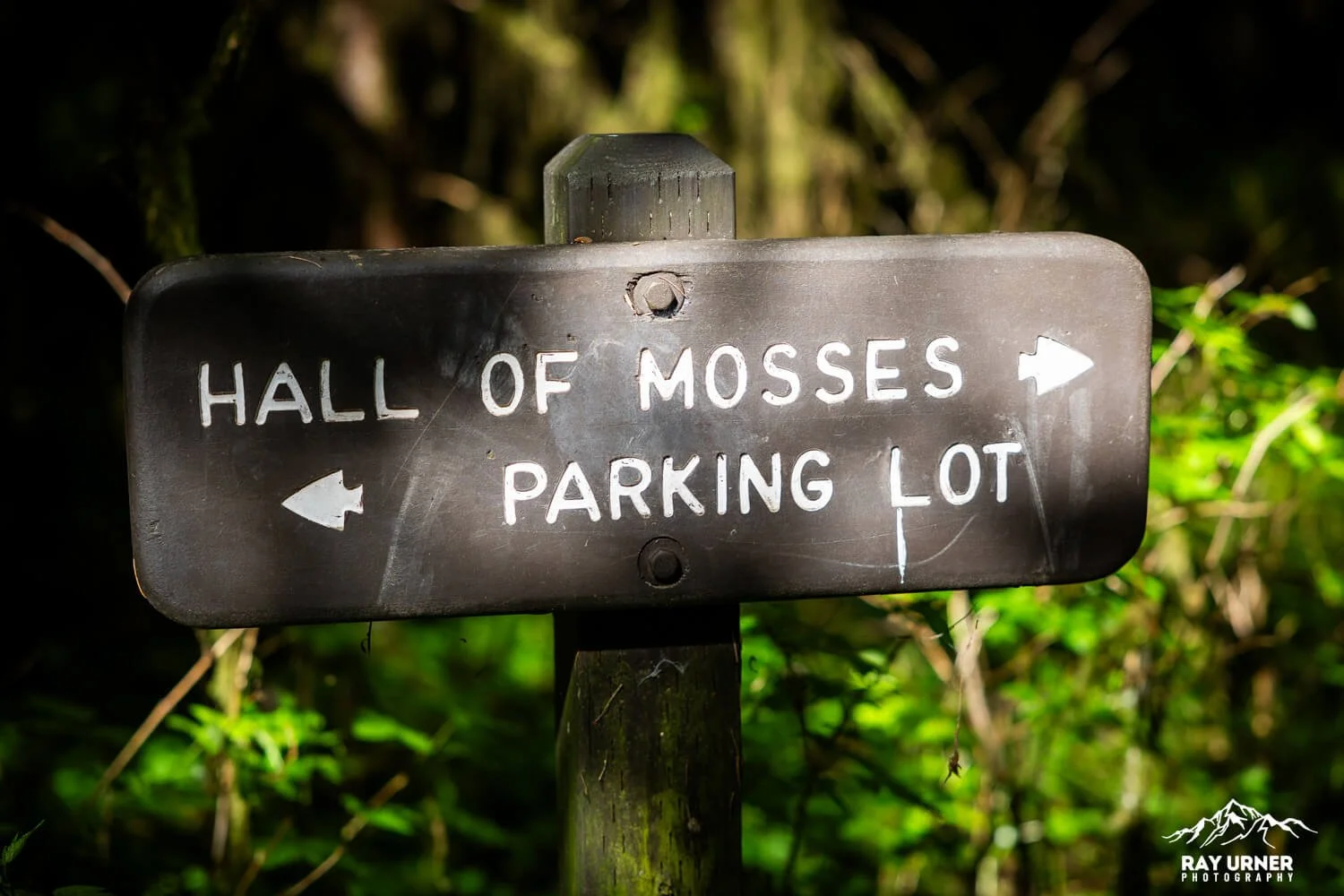
The Hall of Mosses Trail is a gentle 0.8-mile (1.2 km) loop that begins at the Hoh Rain Forest Visitor Center, located at the end of Upper Hoh Road.
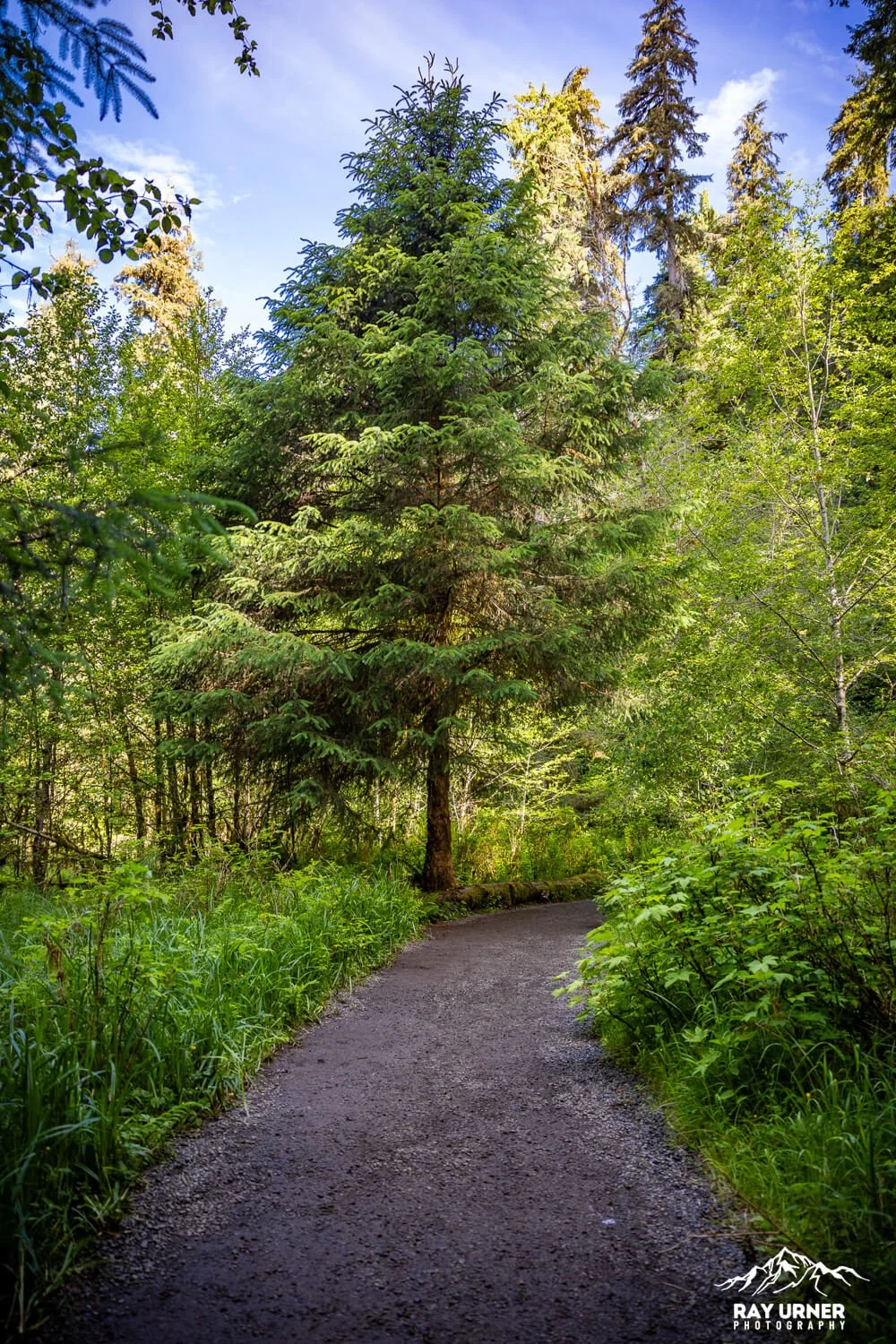
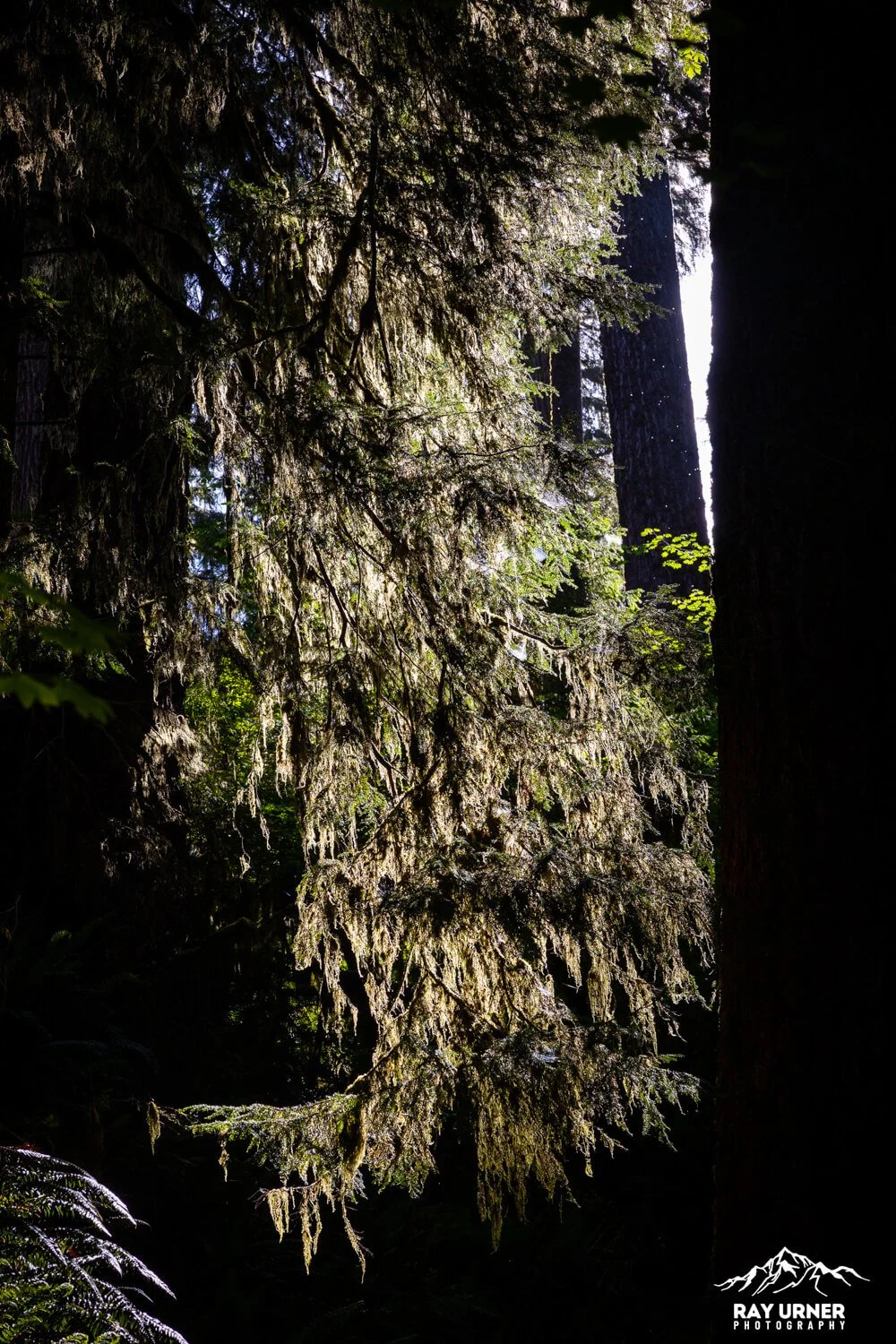
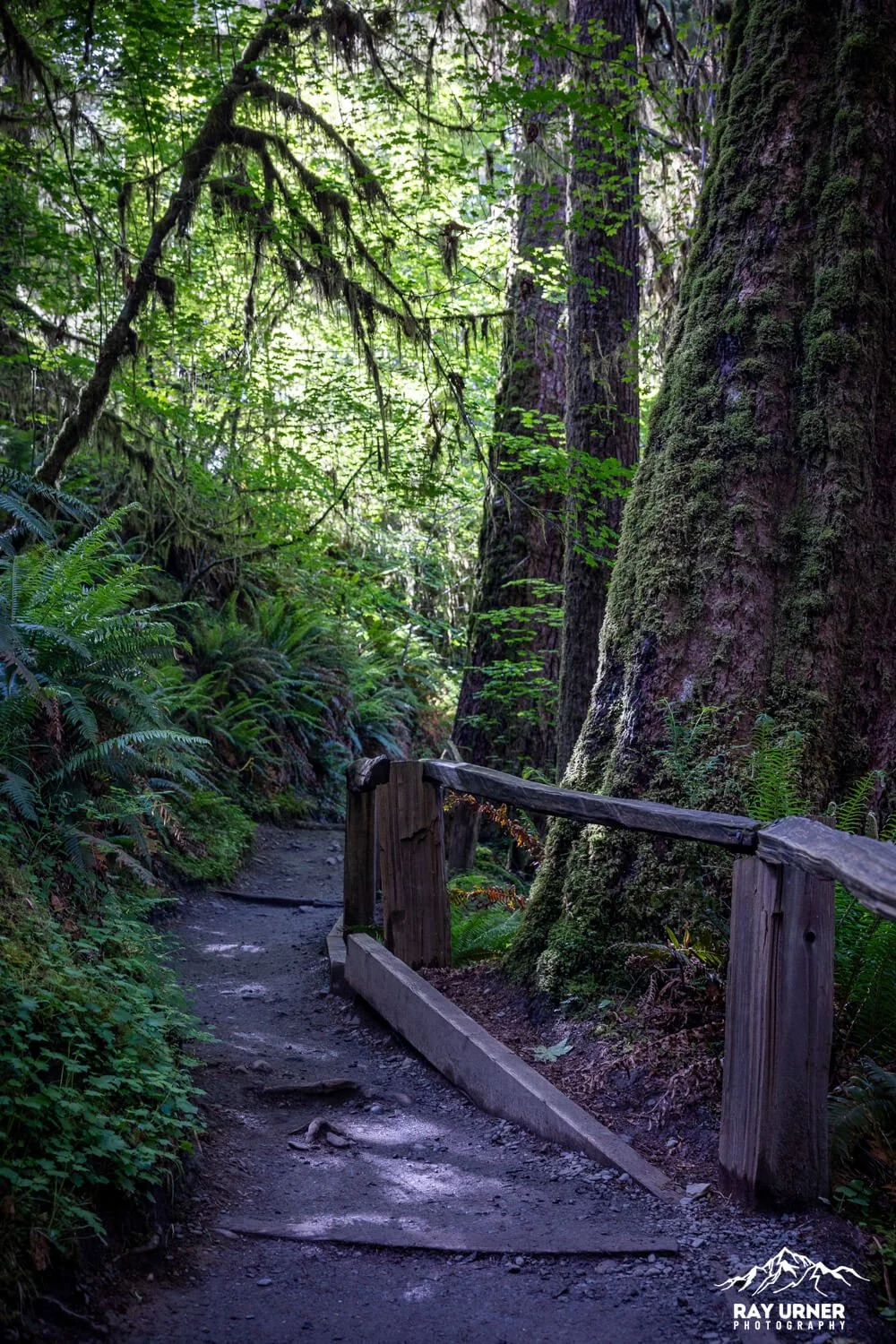
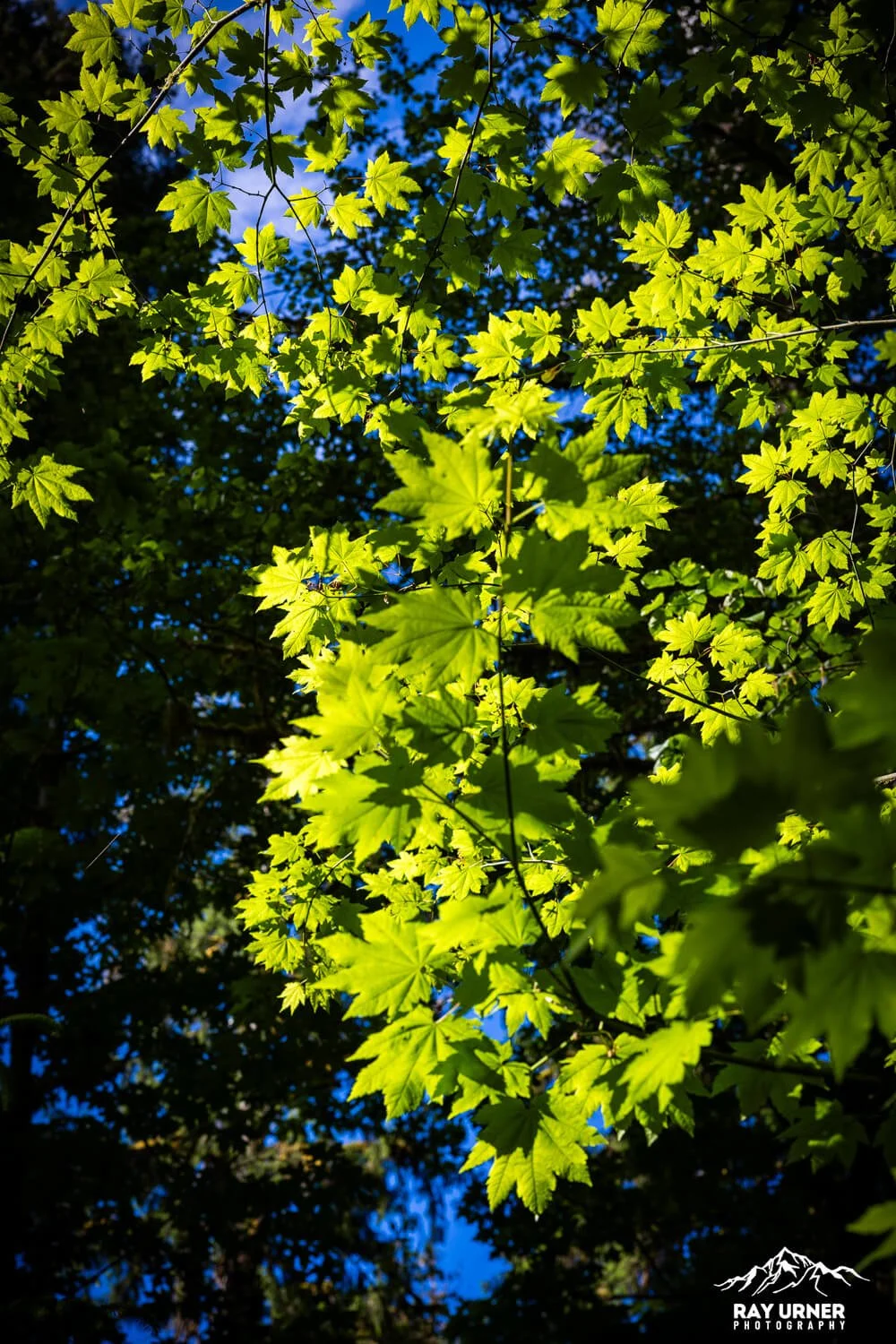
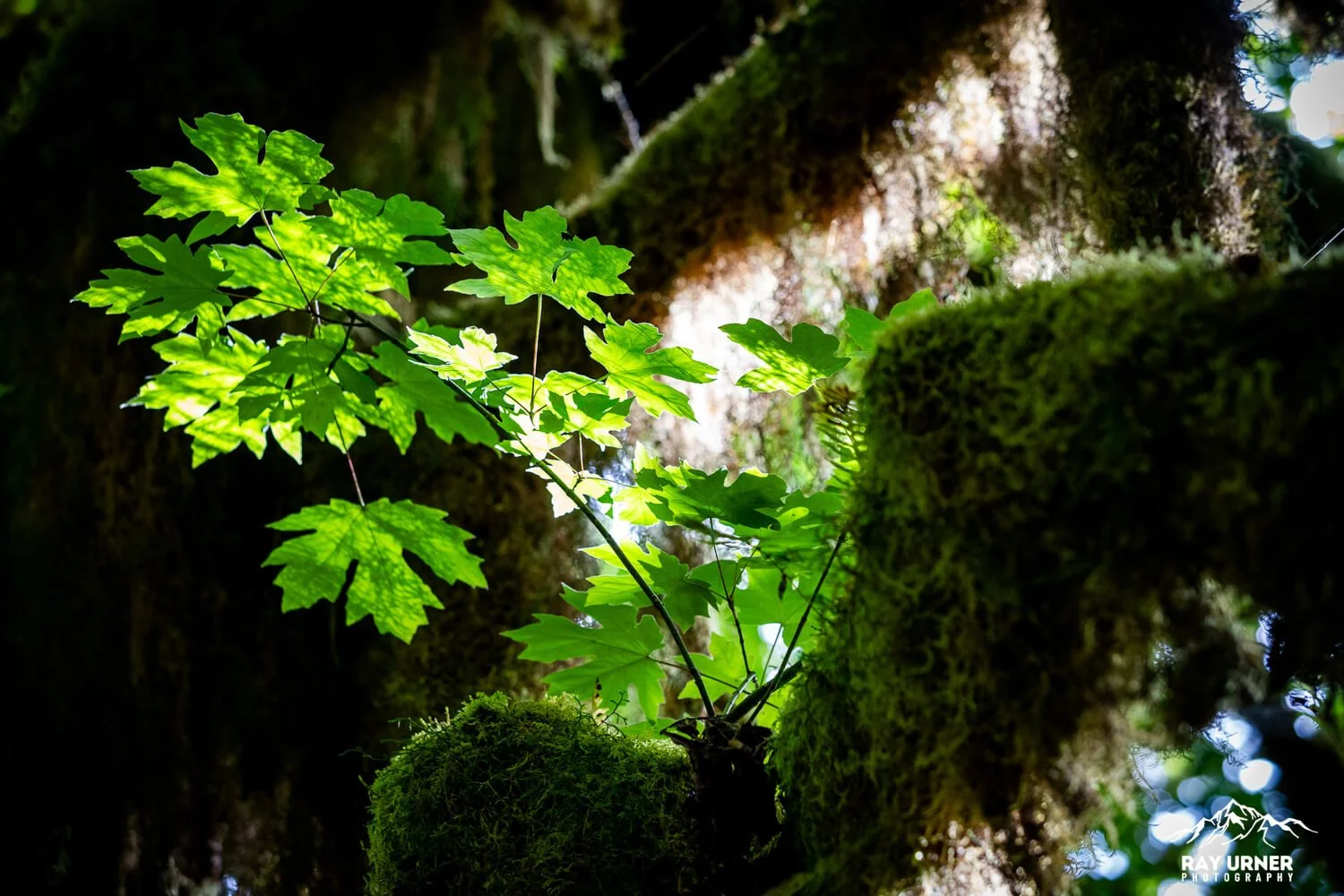
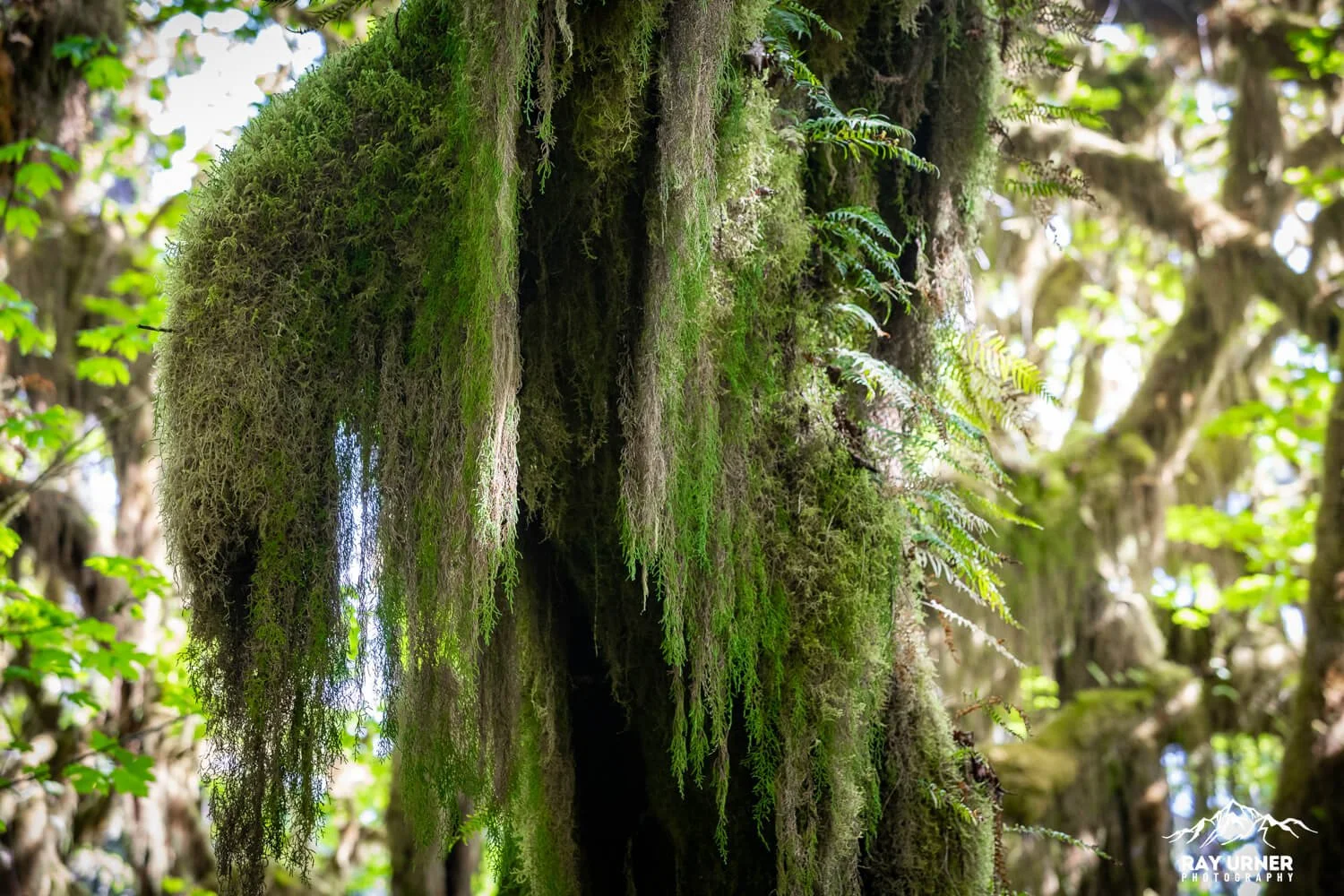
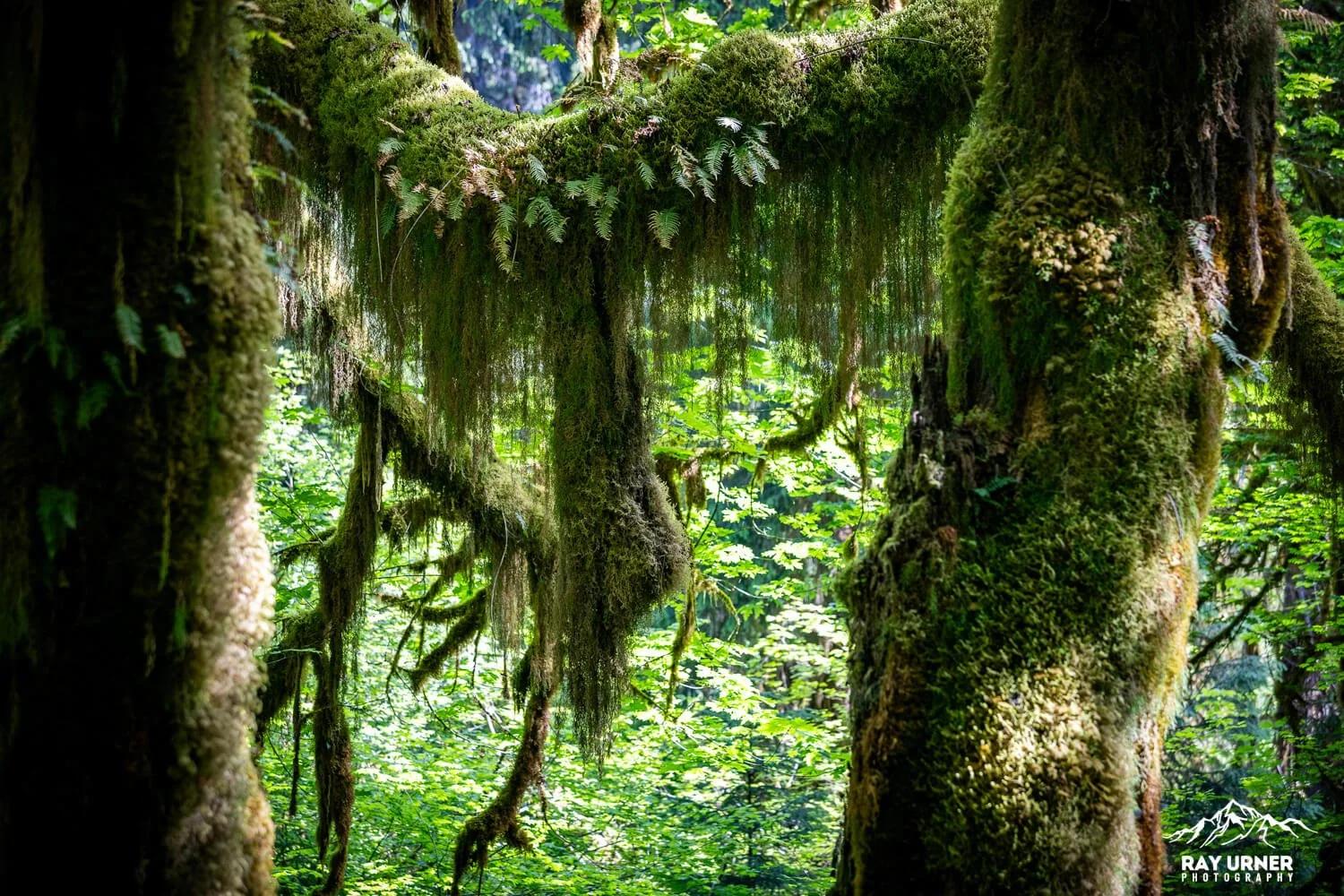
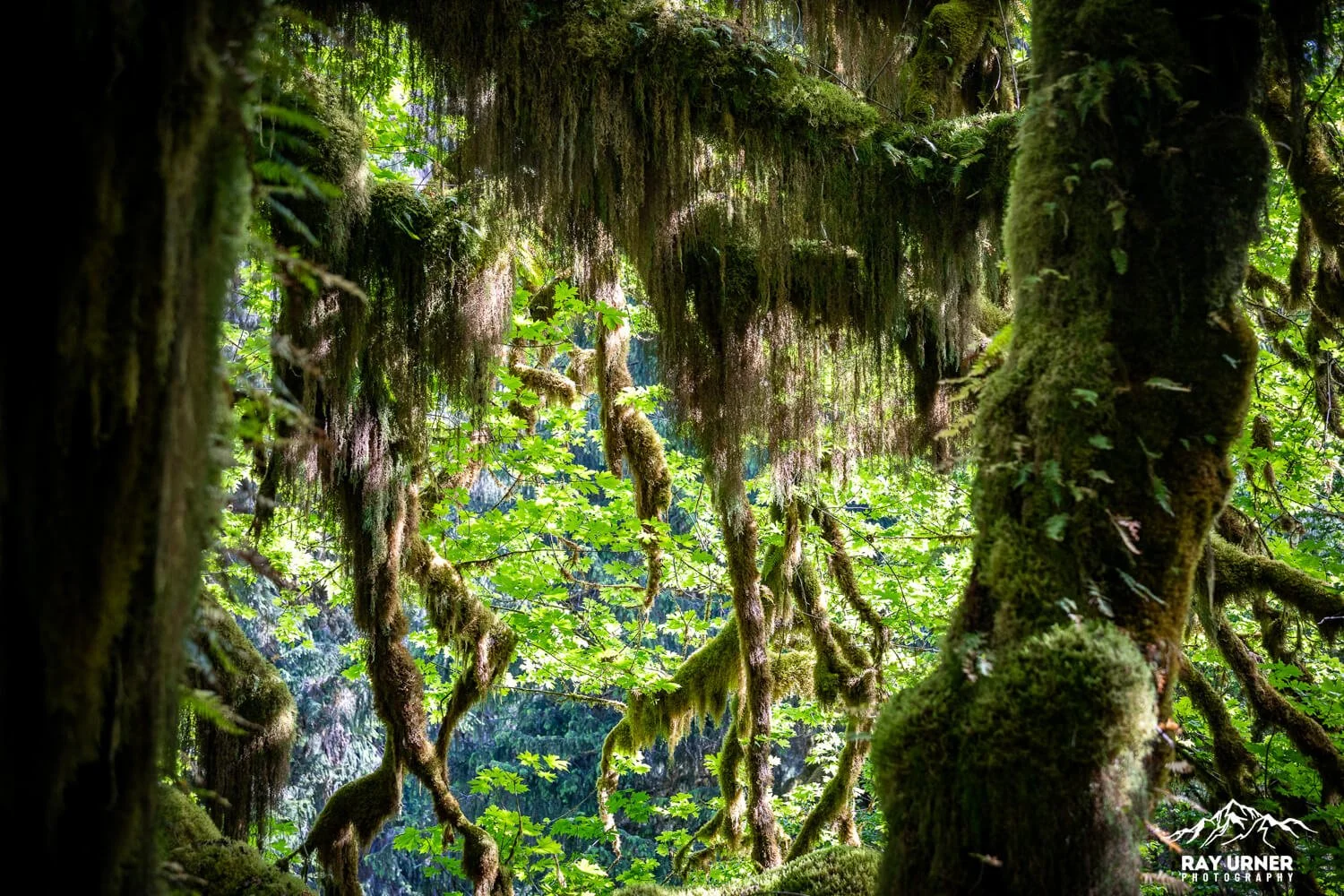
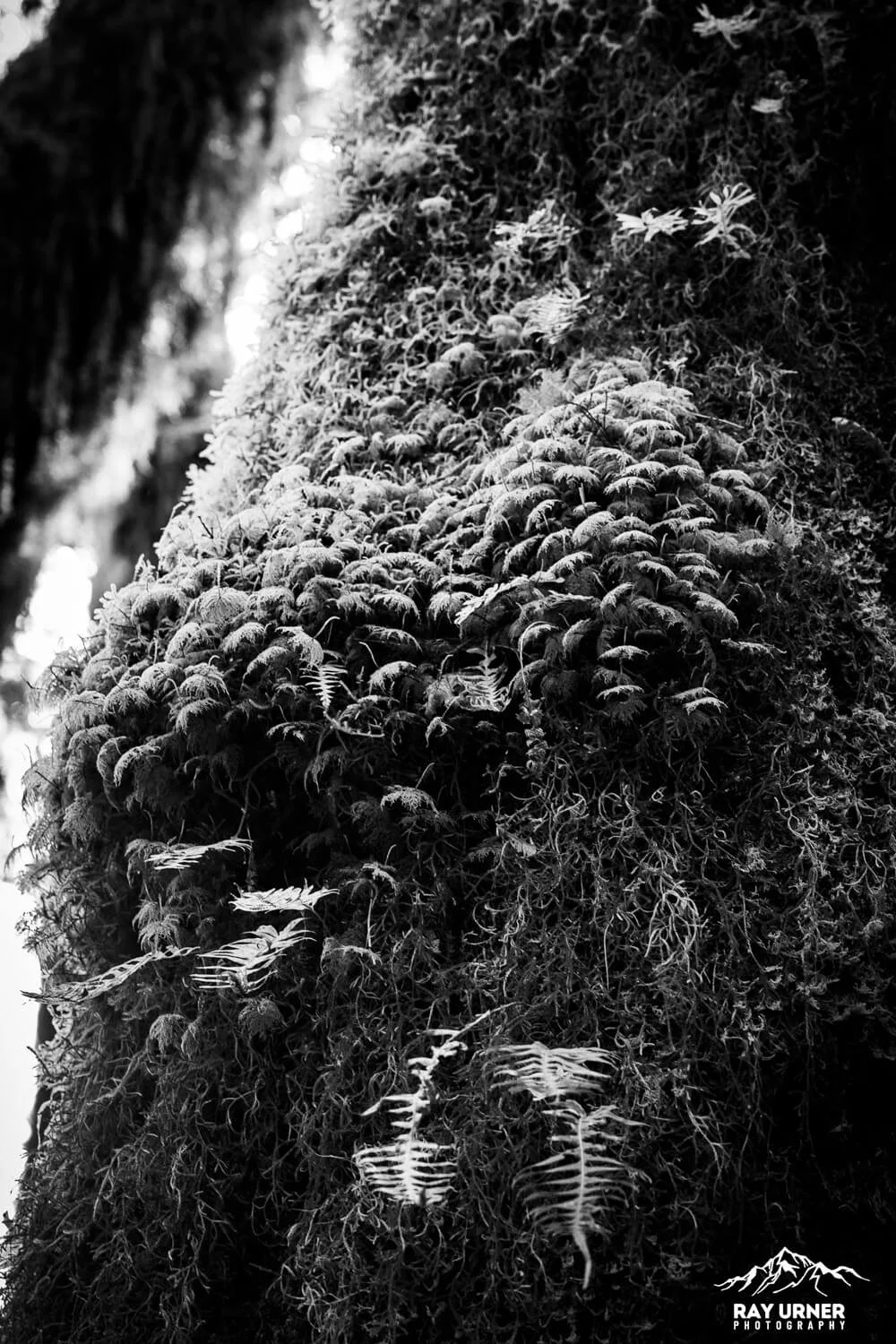
.With only 100 feet of elevation gain, it’s accessible to most visitors and ideal for a leisurely photo walk. The trail winds through old-growth forest, where centuries-old Sitka spruce and bigleaf maples tower overhead, their limbs draped in thick curtains of club moss and licorice fern.
Interpretive signs along the way provide insight into the ecology of the rainforest, making this not only a visual feast but an educational experience as well.
Flora and Fauna: A Living Rainforest
The Hoh Rain Forest receives an average of 140 inches of rain annually, creating a lush, vibrant ecosystem.
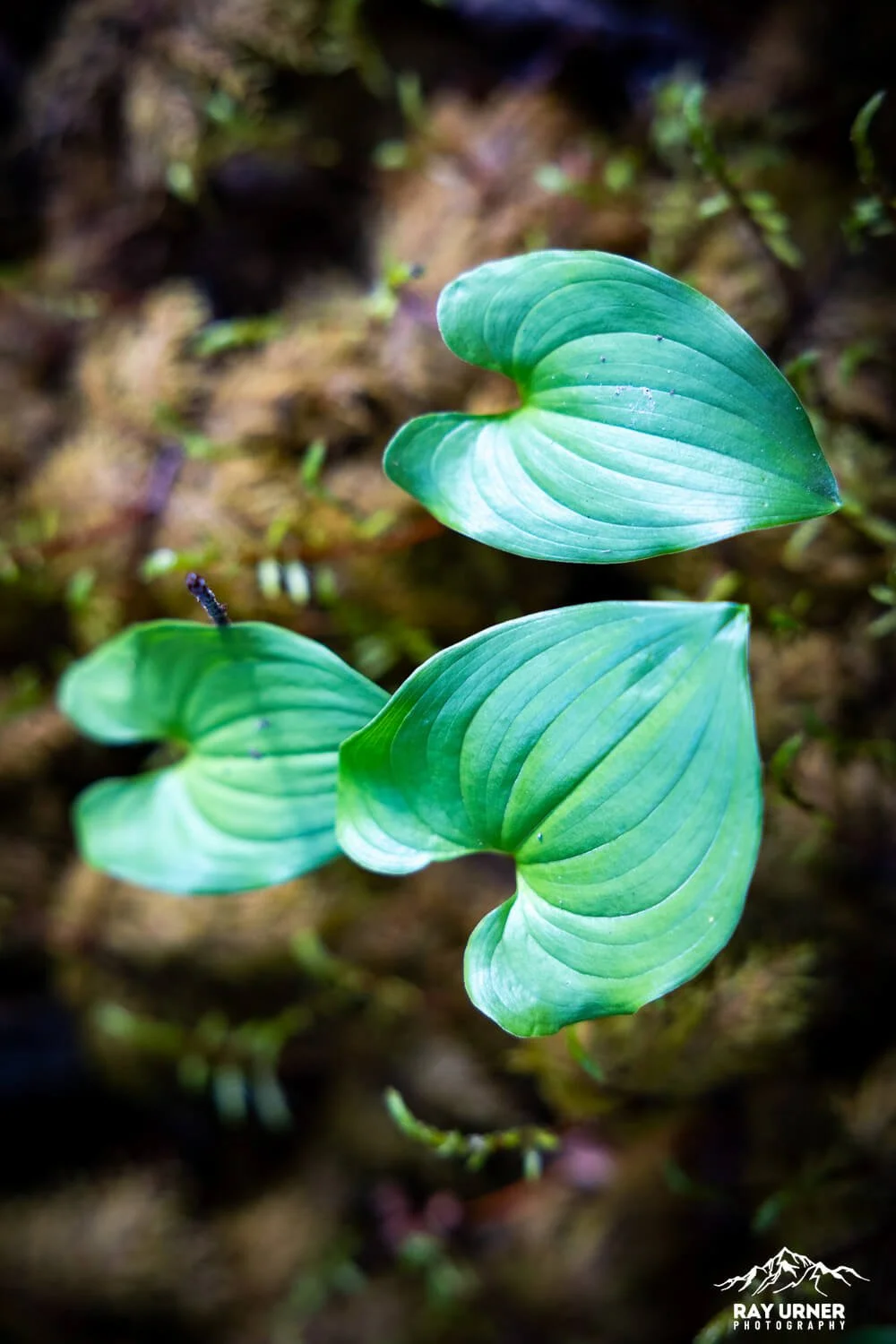
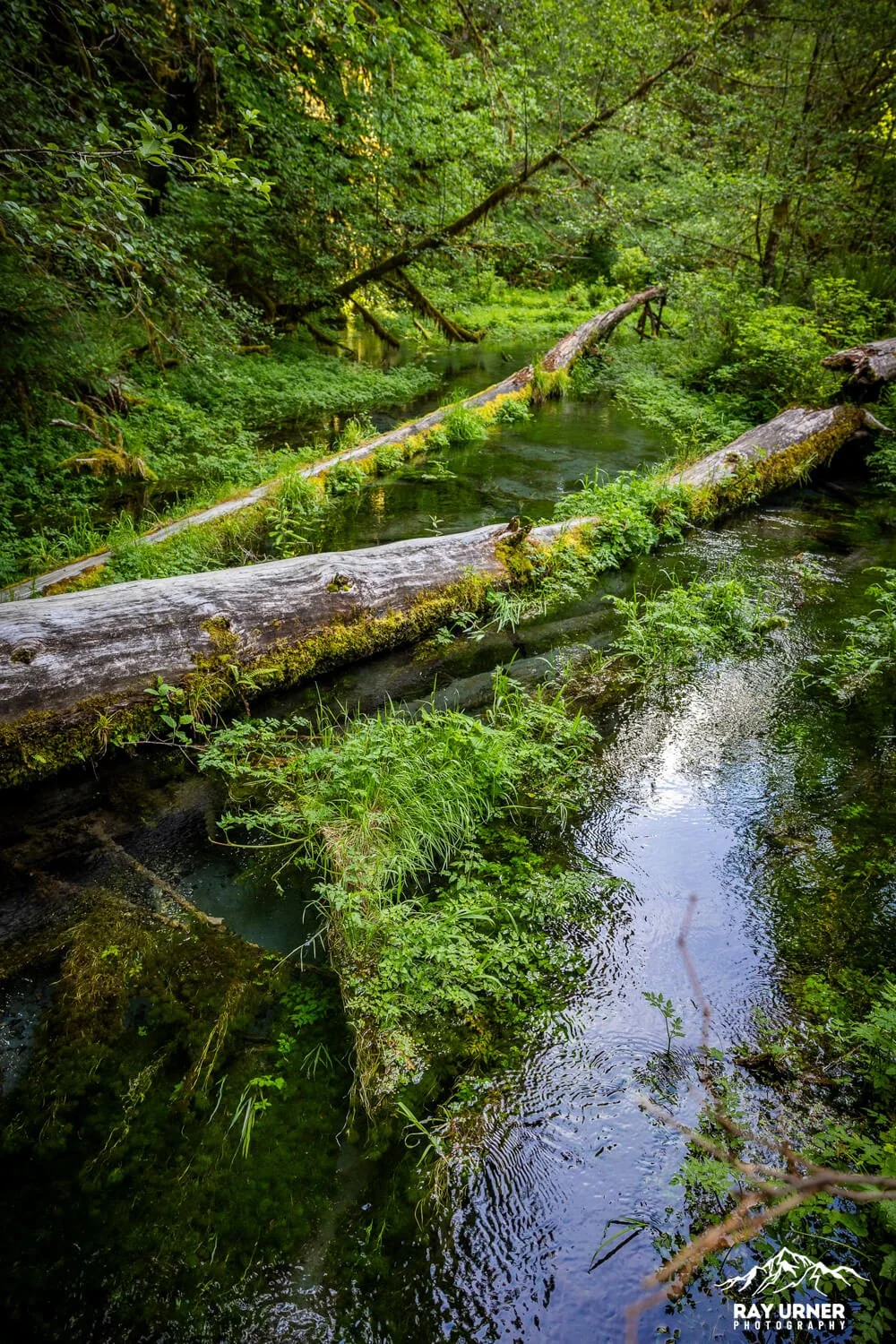
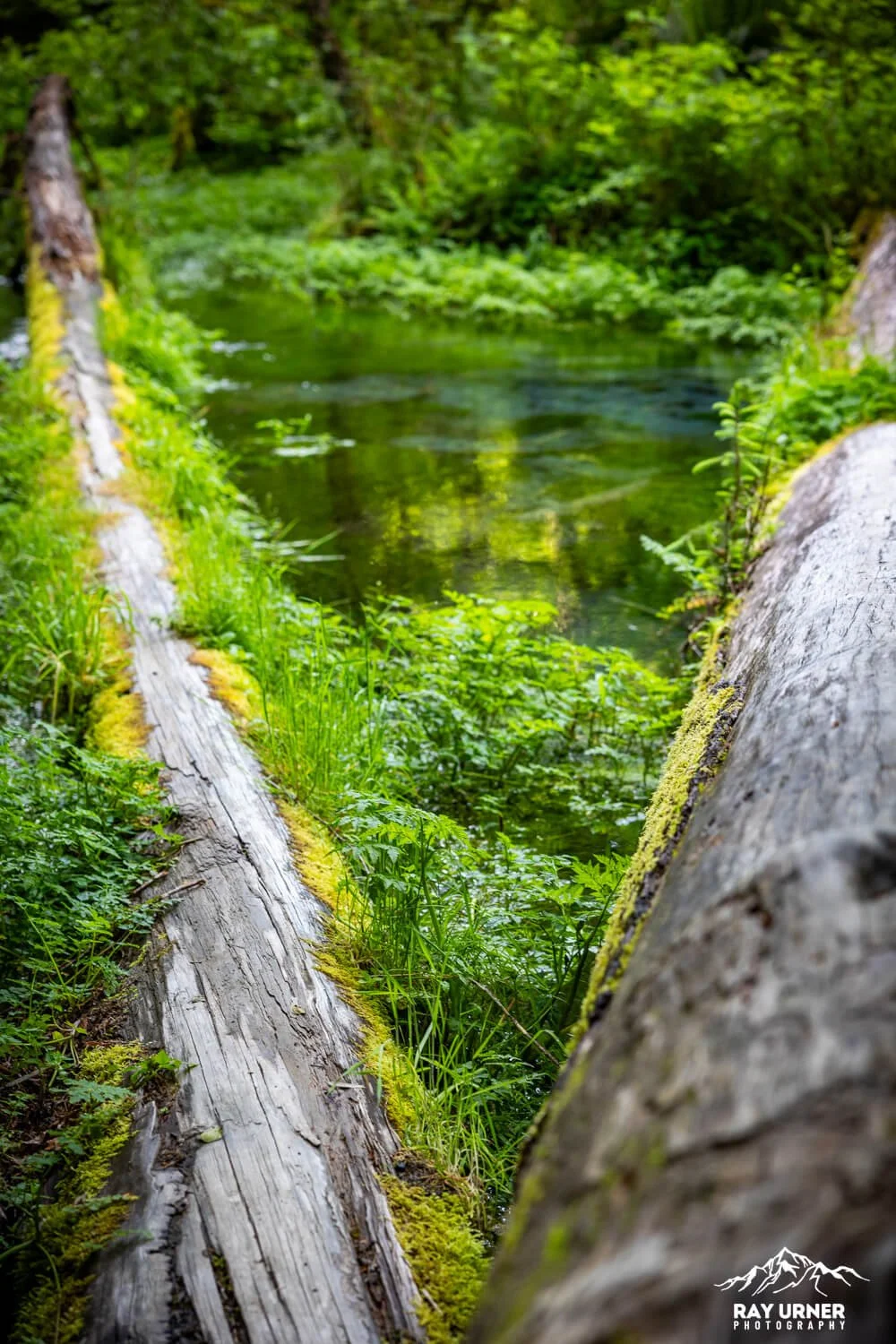
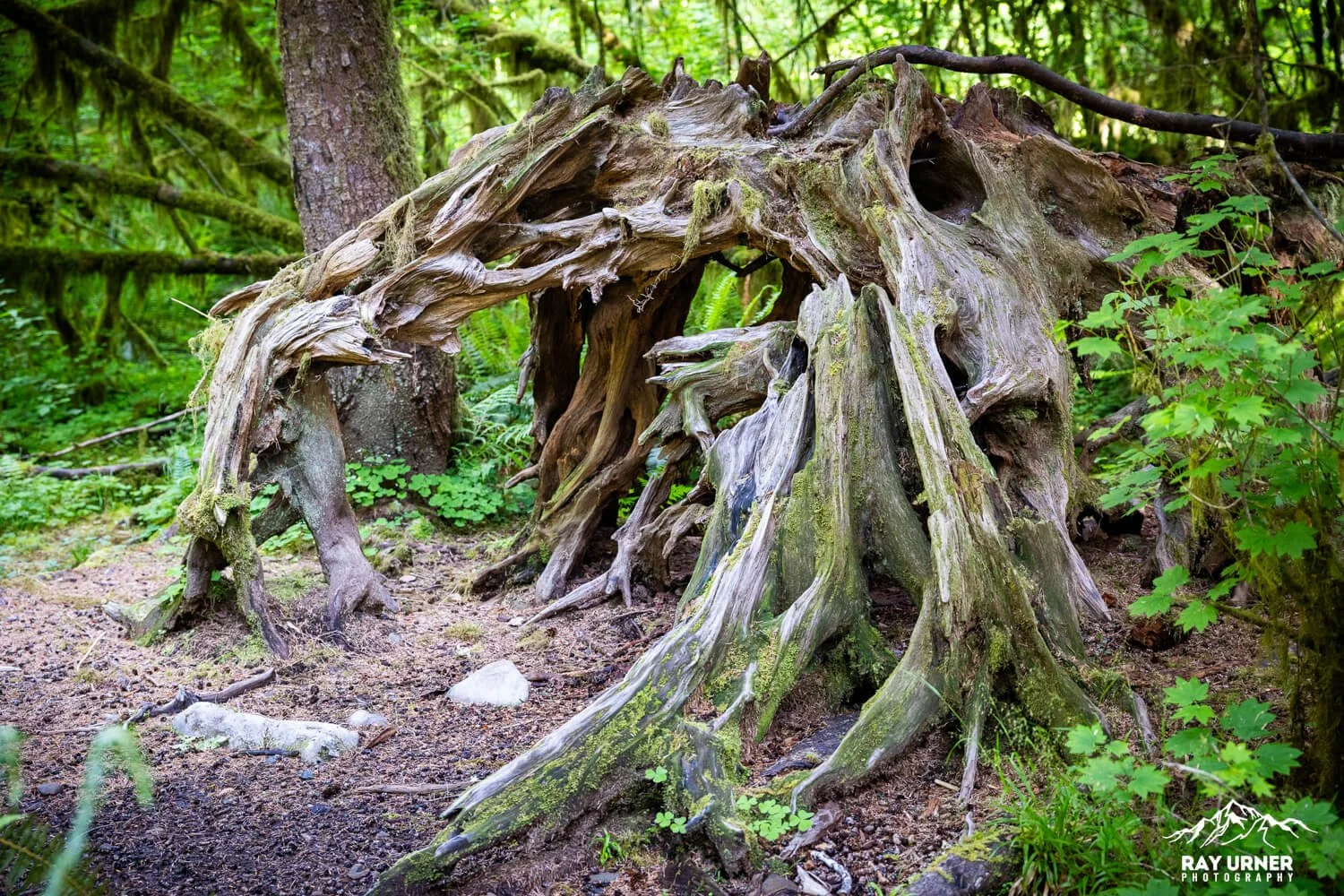
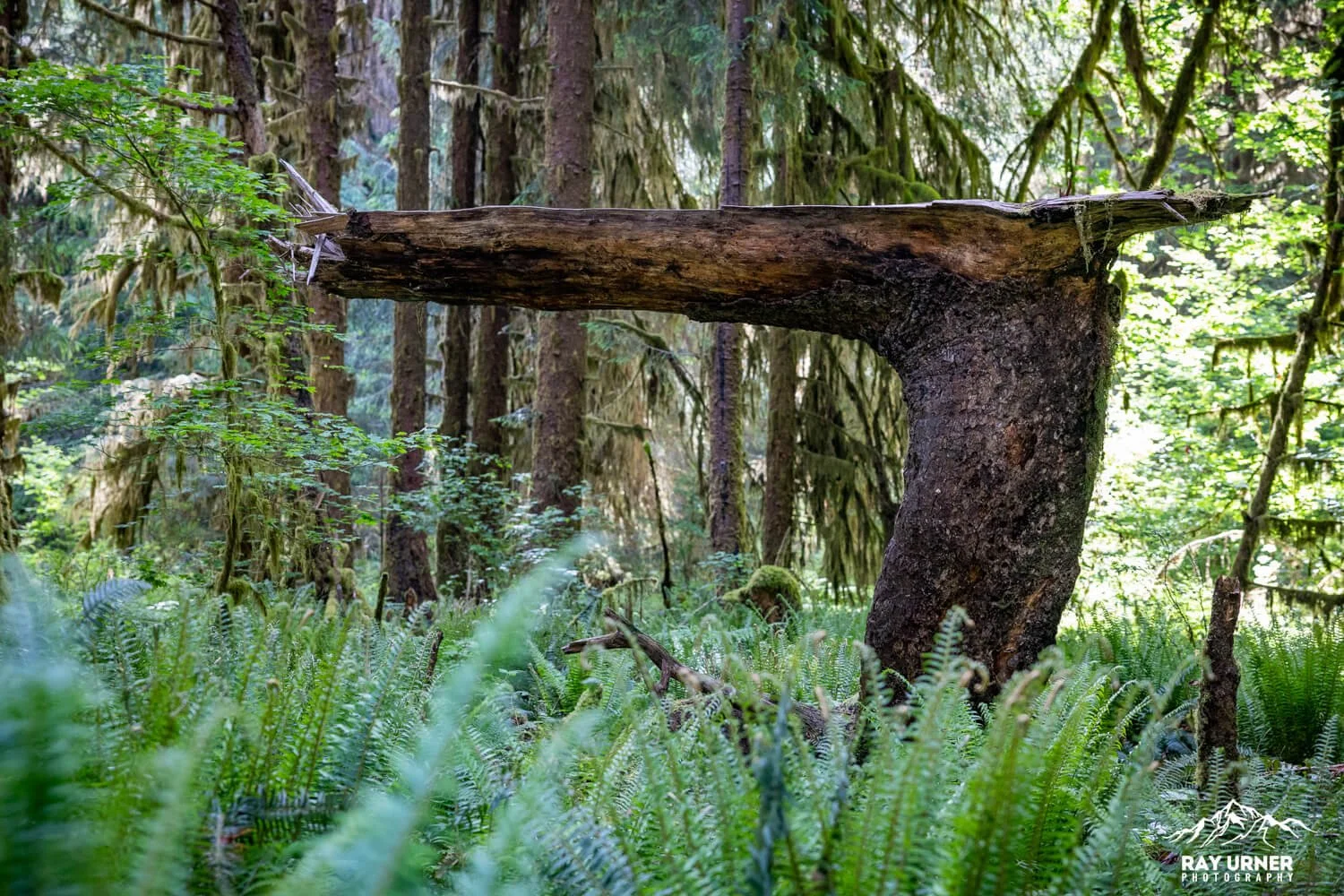
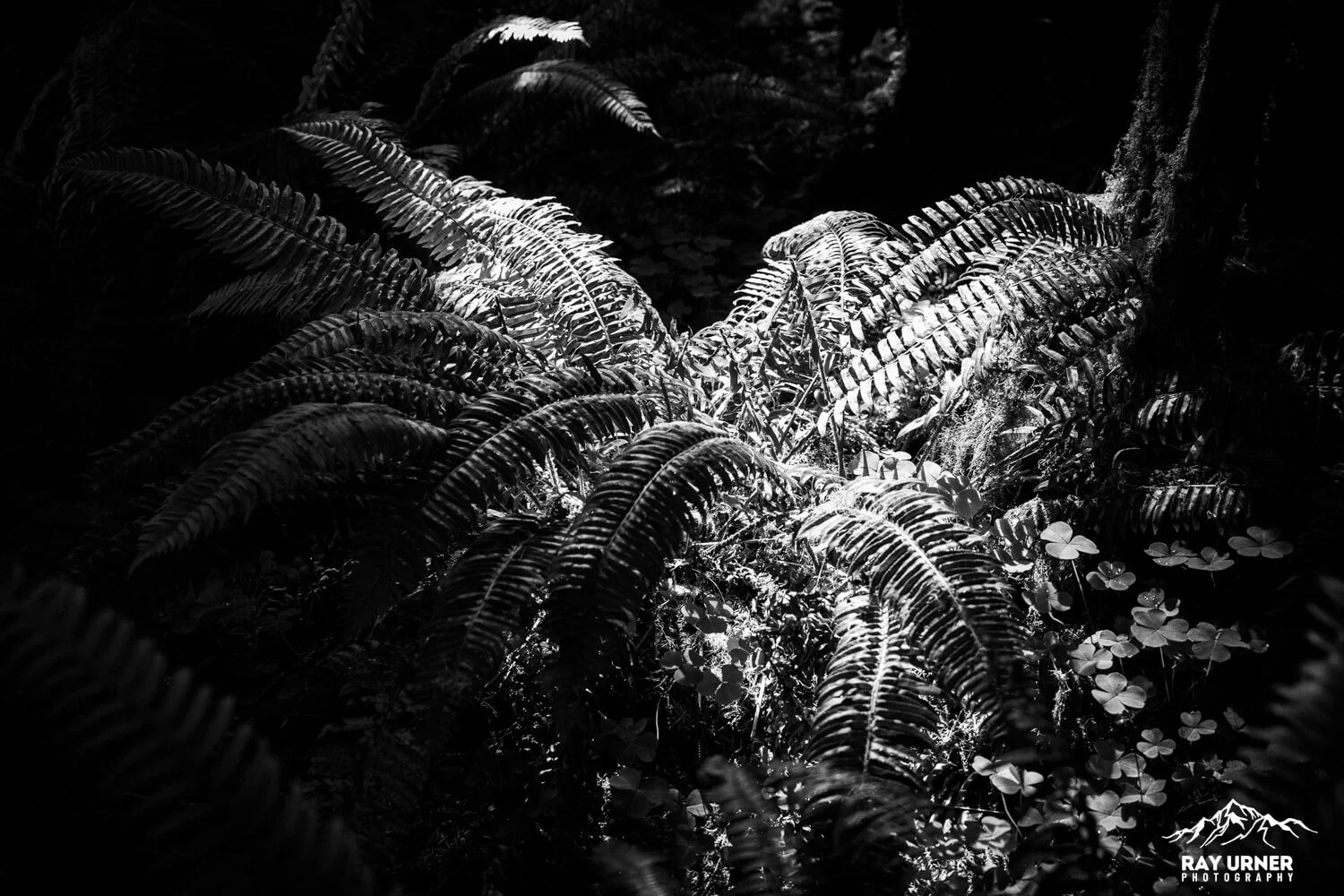
The trail is dominated by Sitka spruce, western hemlock, and bigleaf maple, all festooned with mosses and epiphytes. The forest floor is a carpet of sword ferns, oxalis, and nurse logs teeming with new life.
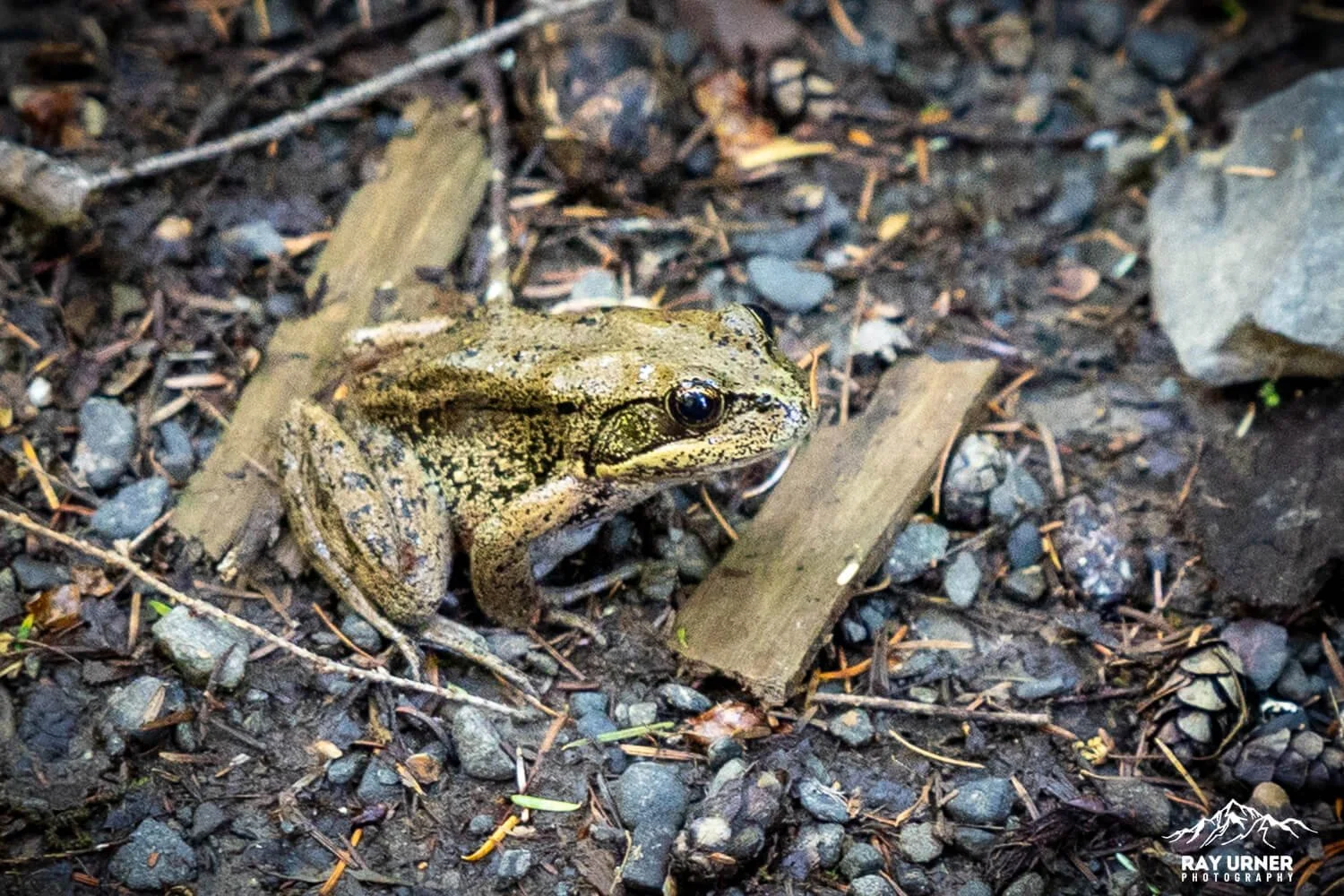
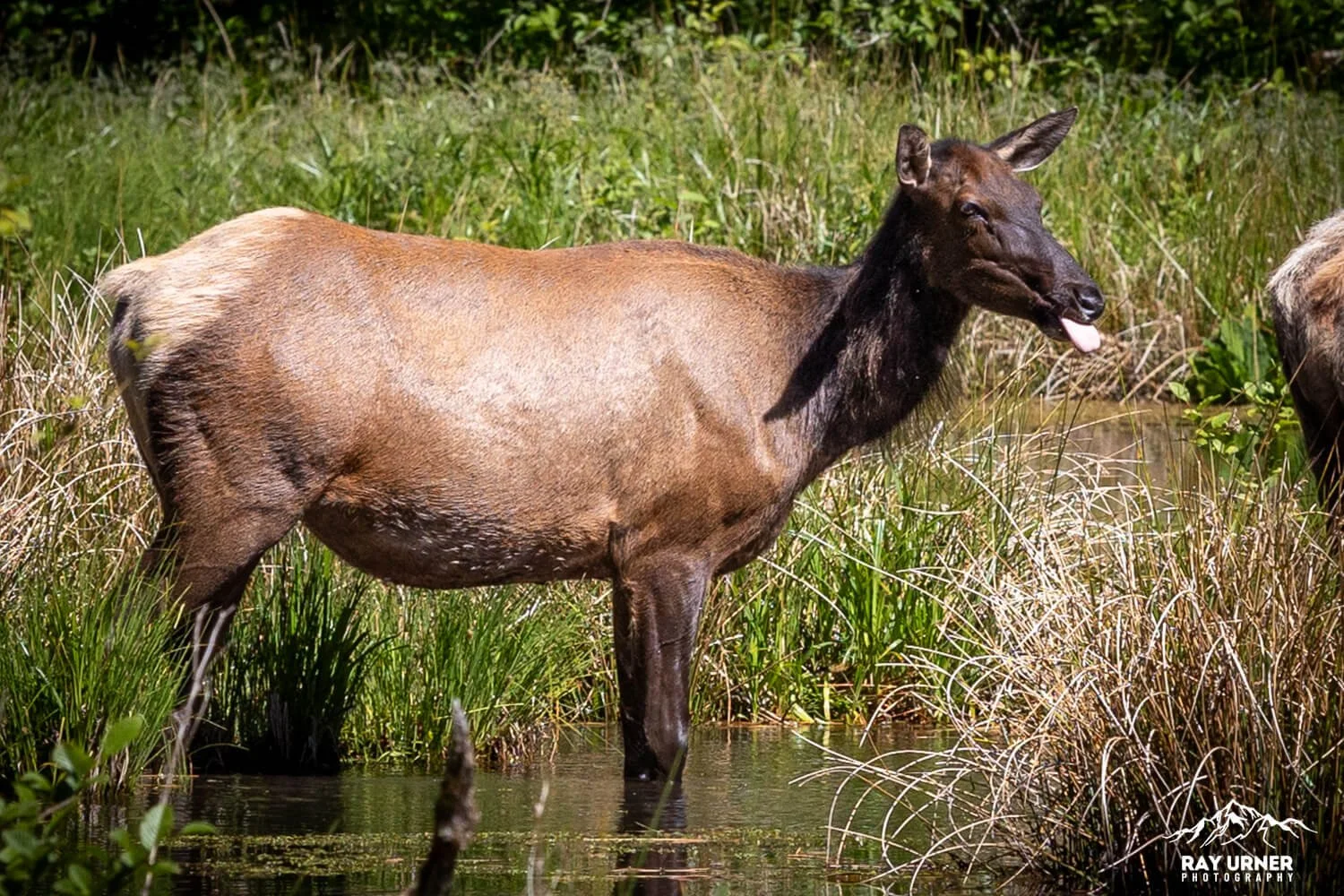
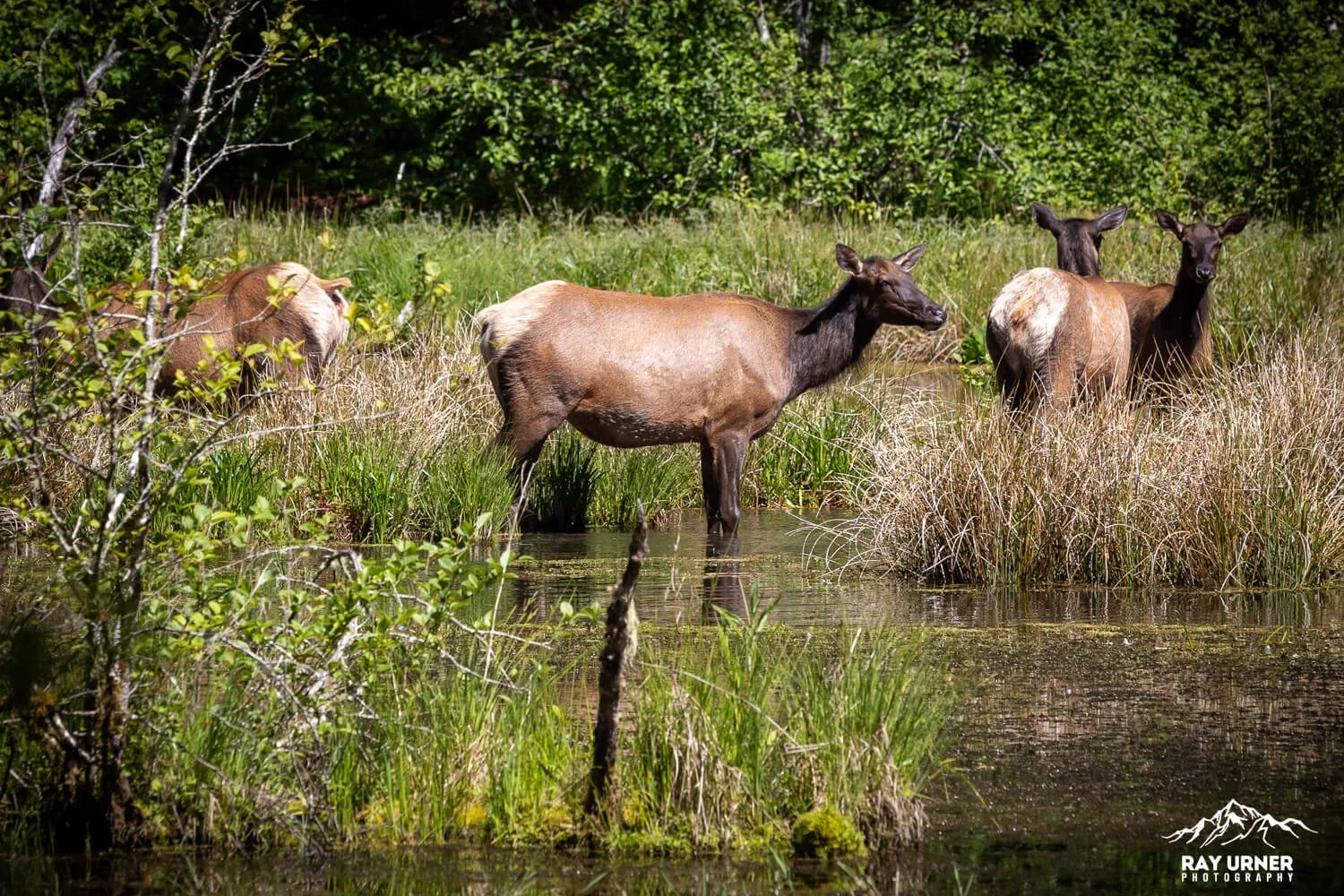
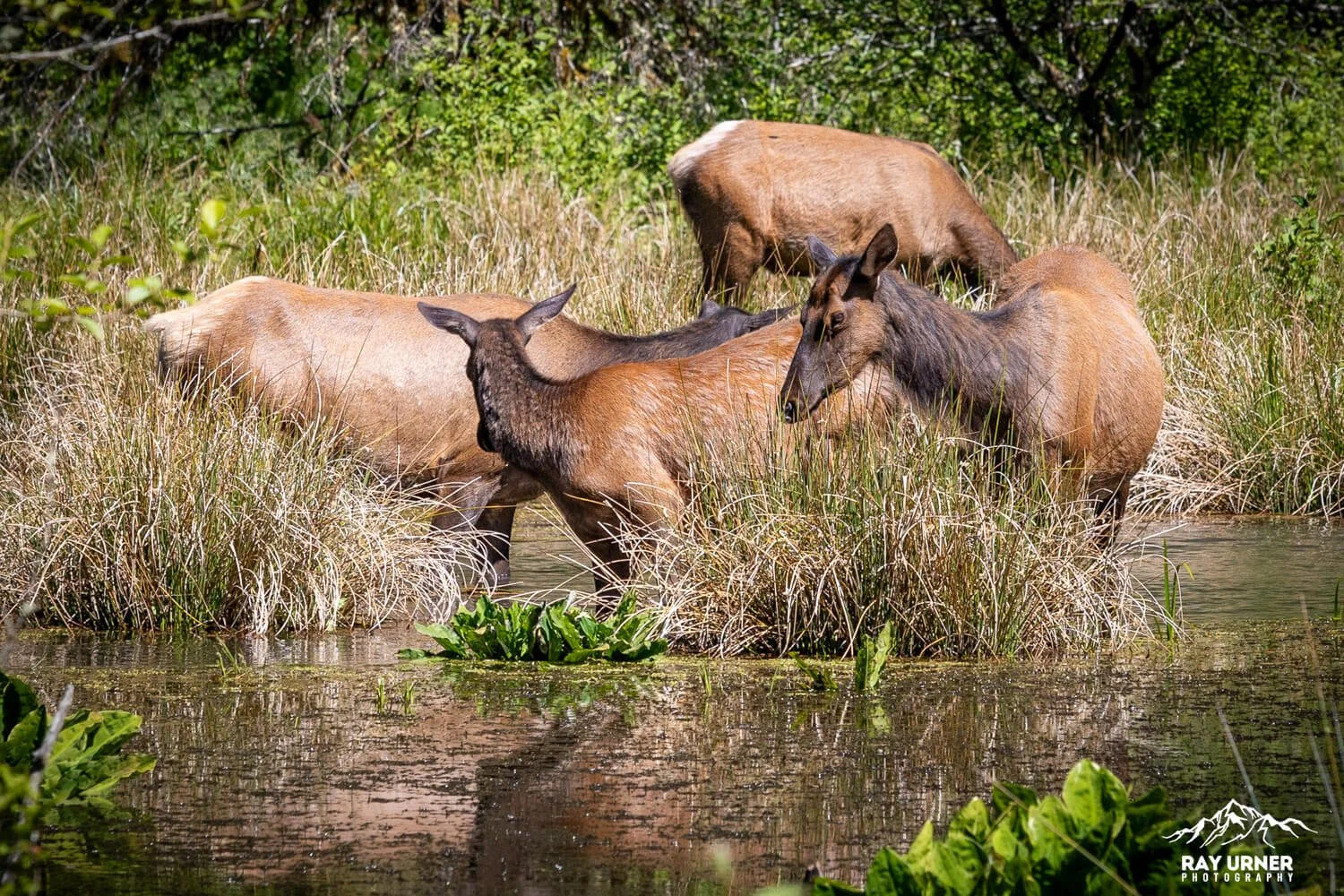
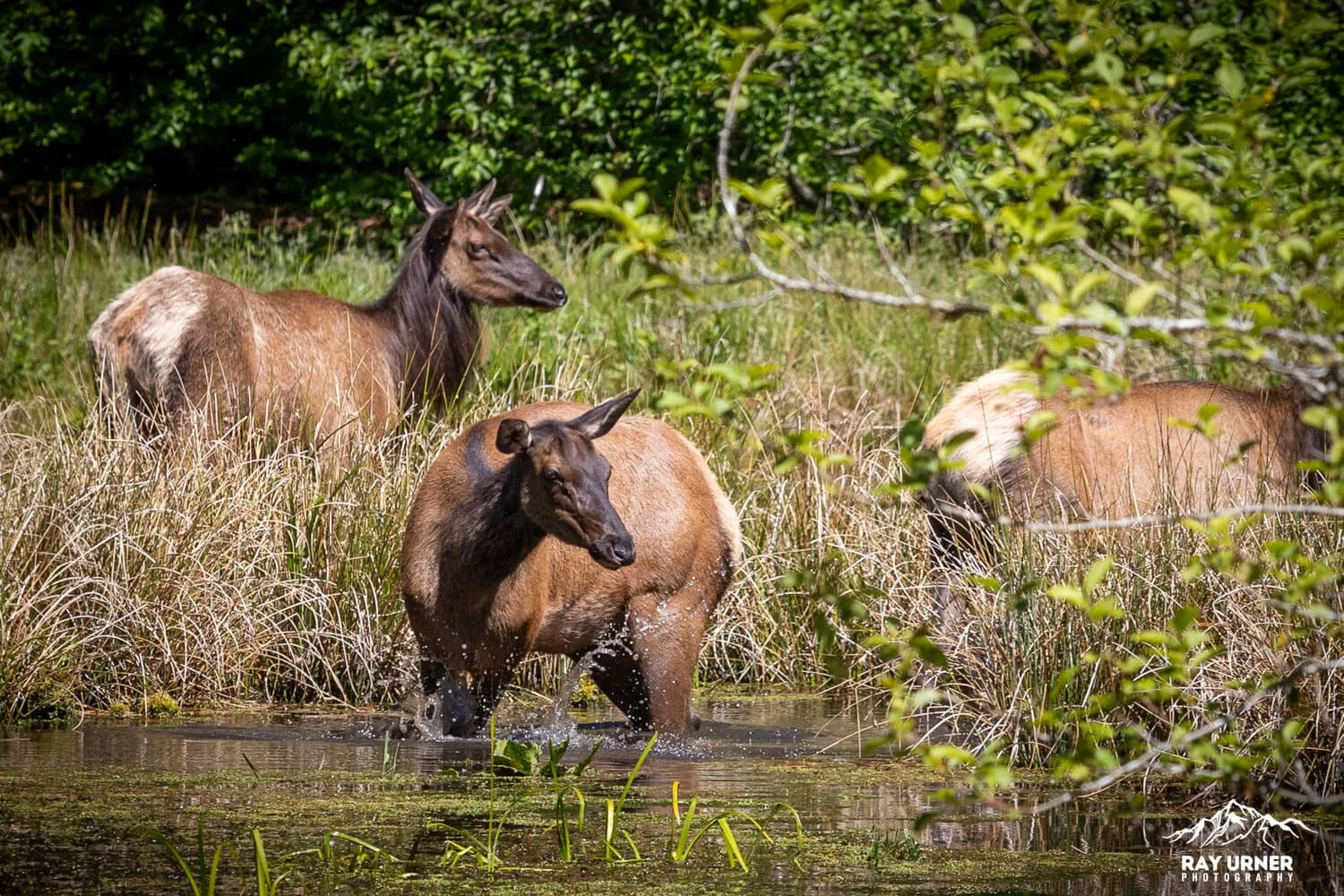
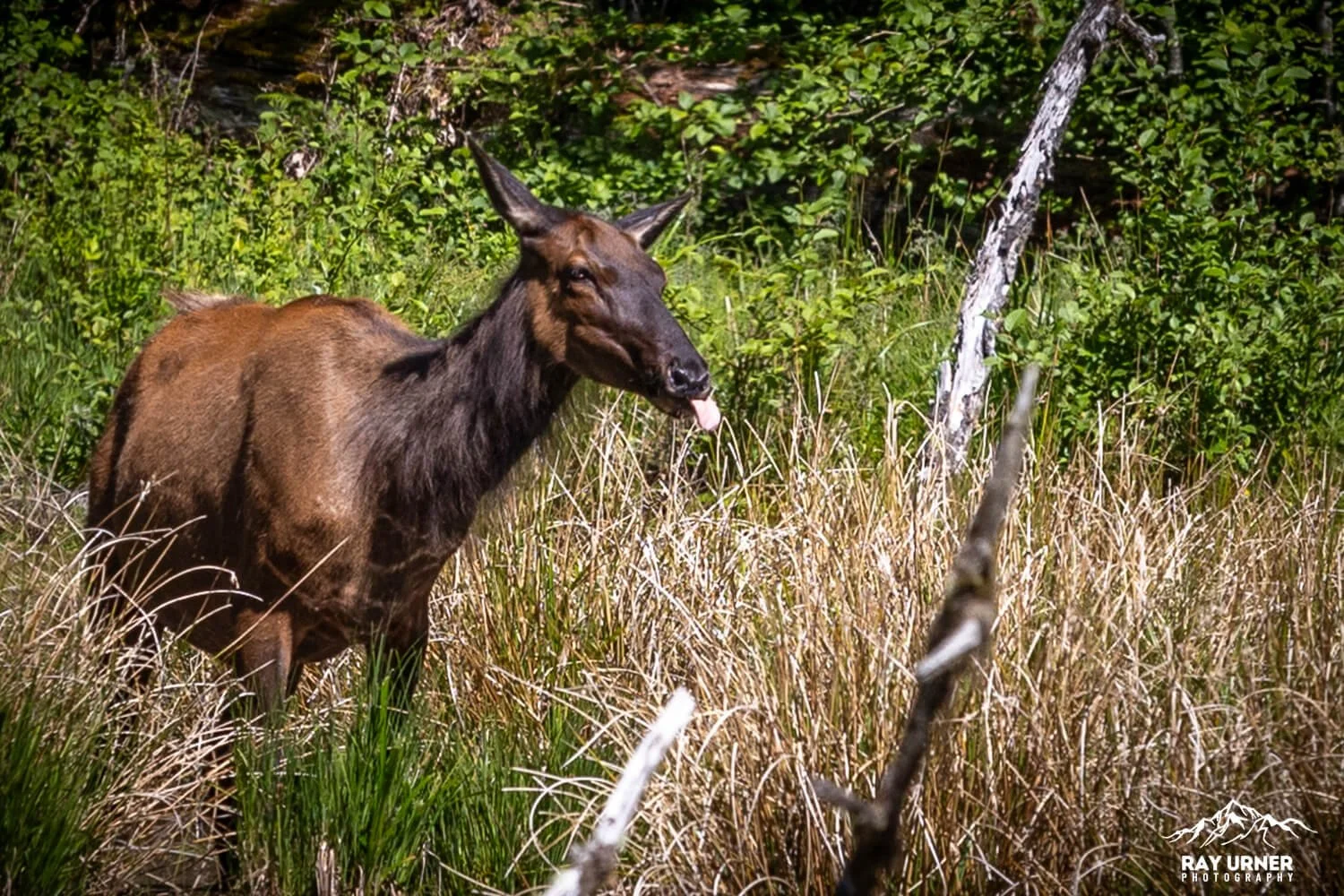
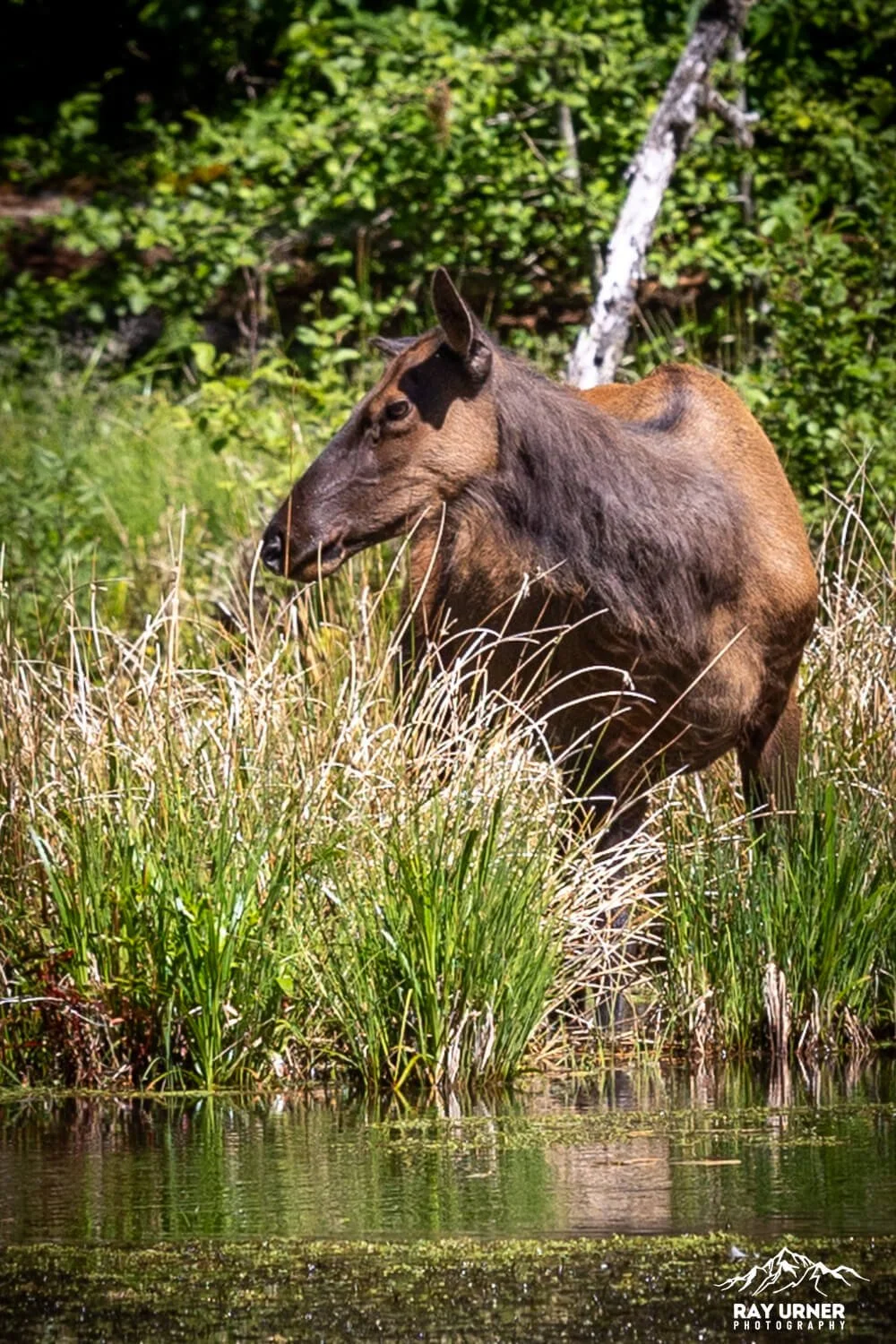
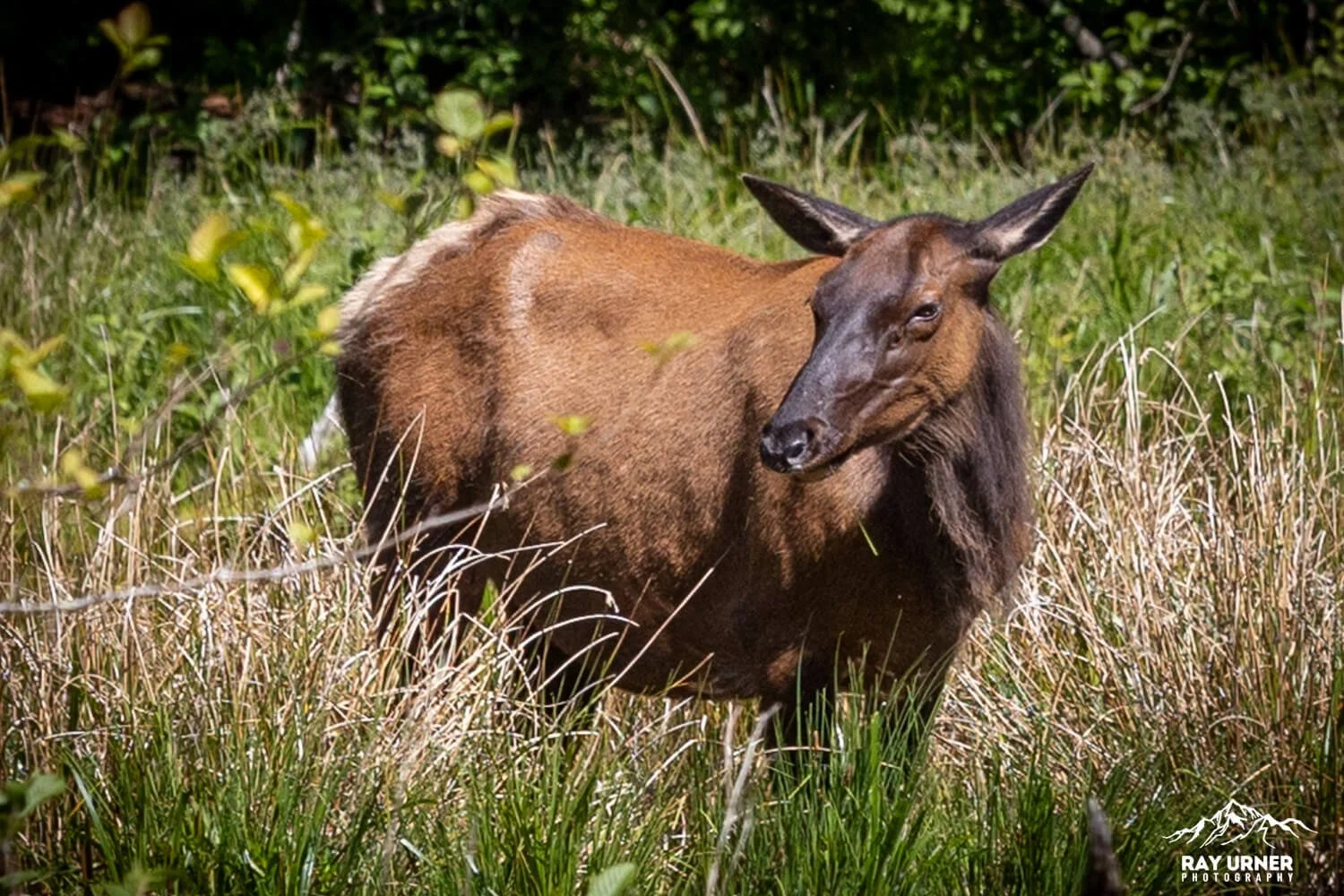
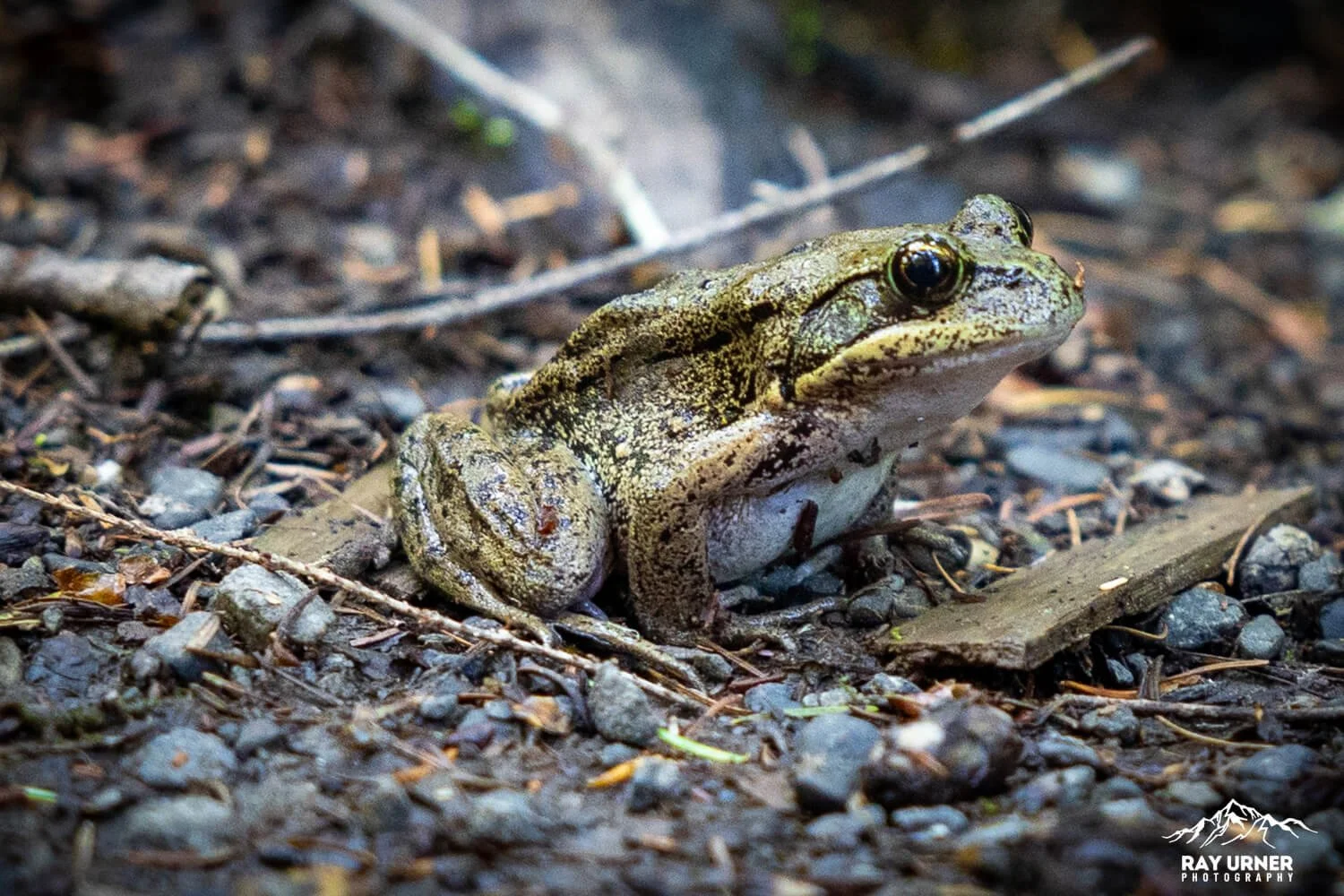
Wildlife is subtle but present. Look for Roosevelt elk grazing in the distance, banana slugs gliding across the trail, and Pacific wrens flitting through the underbrush. In spring and summer, the air is filled with birdsong and the hum of insects. And also, make sure you look down at the ground while you’re on the trail; some of the cute forest critters like to camouflage themselves!
Interesting Details: A Forest of Stories
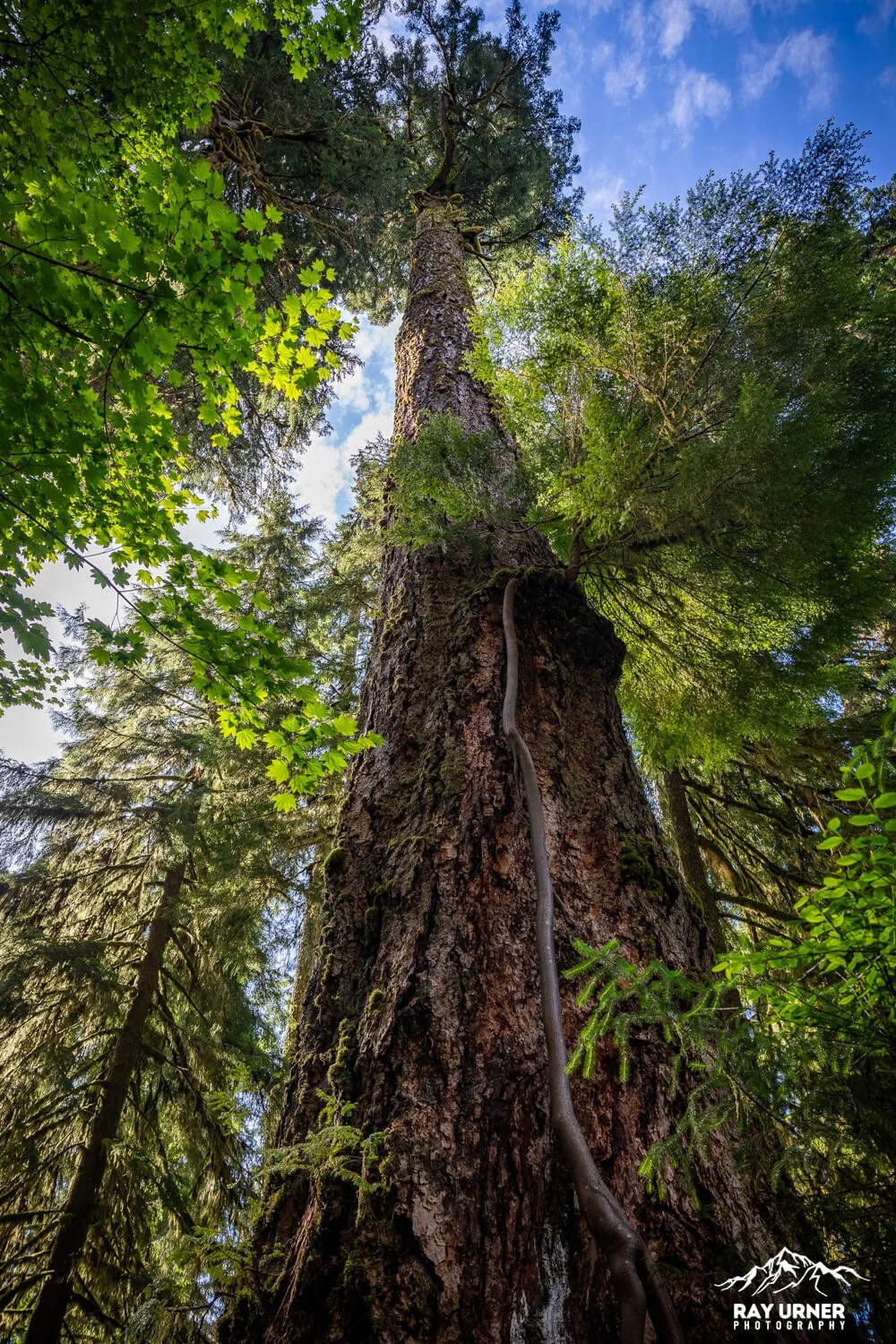
· Ancient Trees: Some of the trees along the trail are over 300 years old, their massive trunks testaments to centuries of growth in this temperate rainforest.
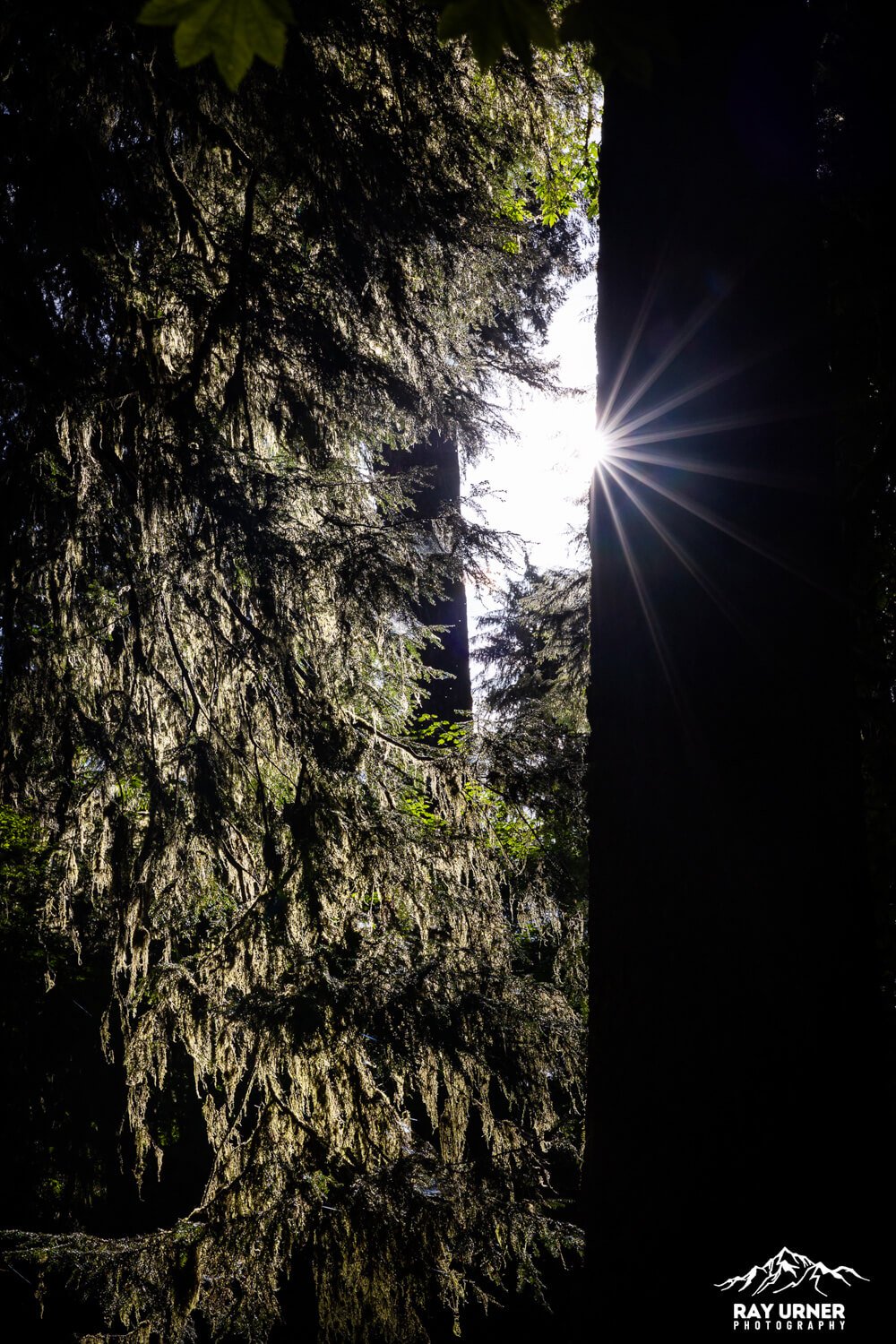
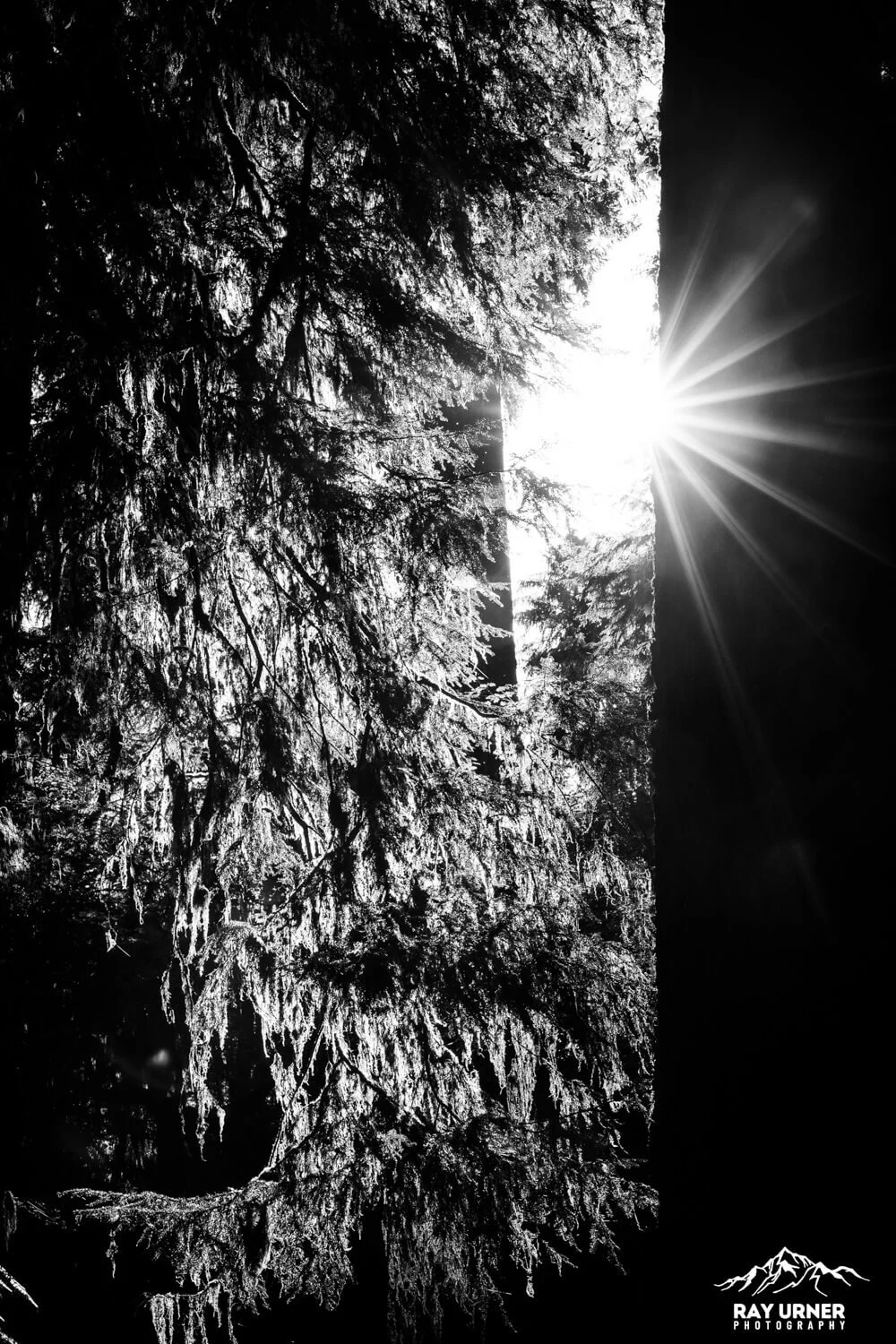
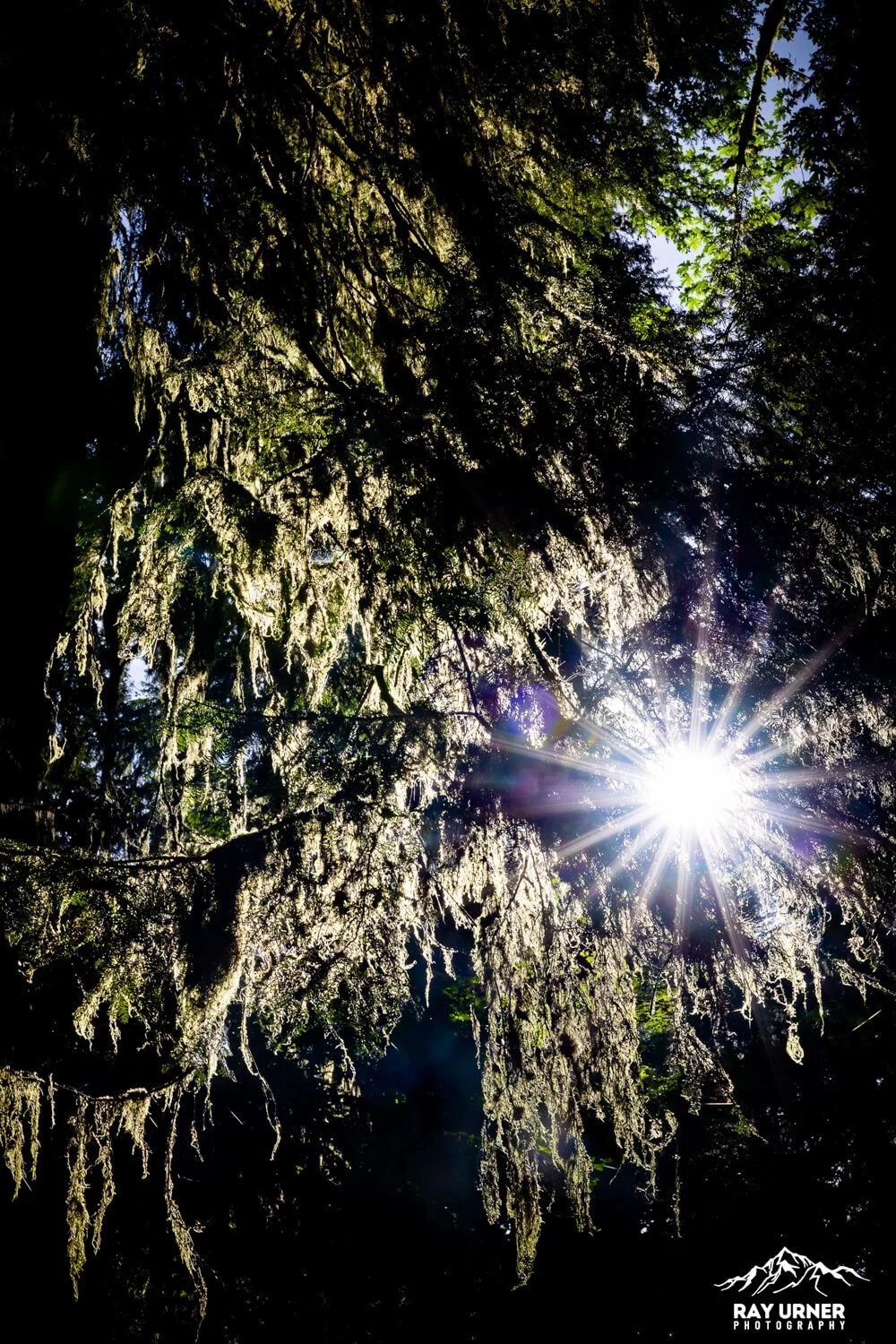
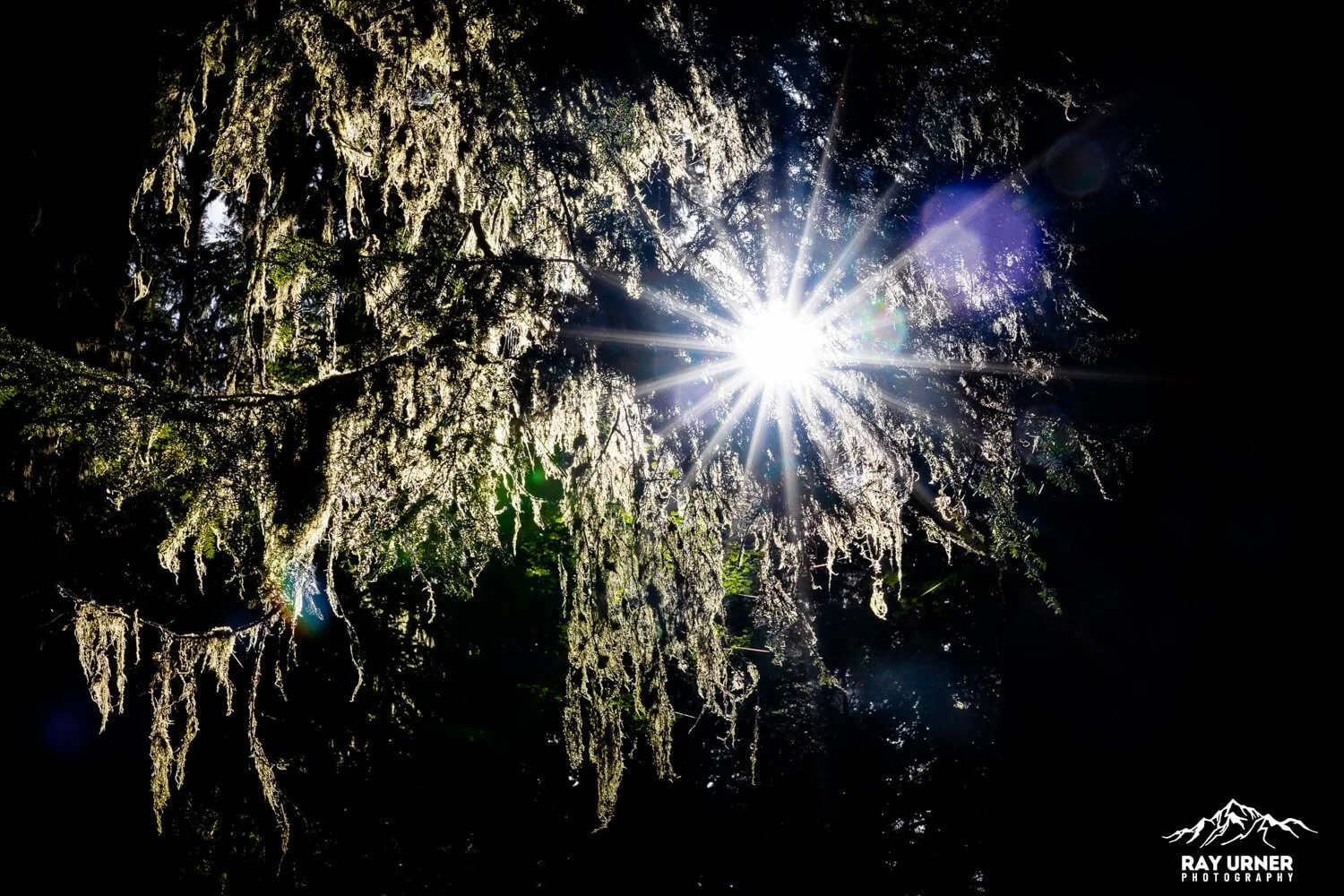
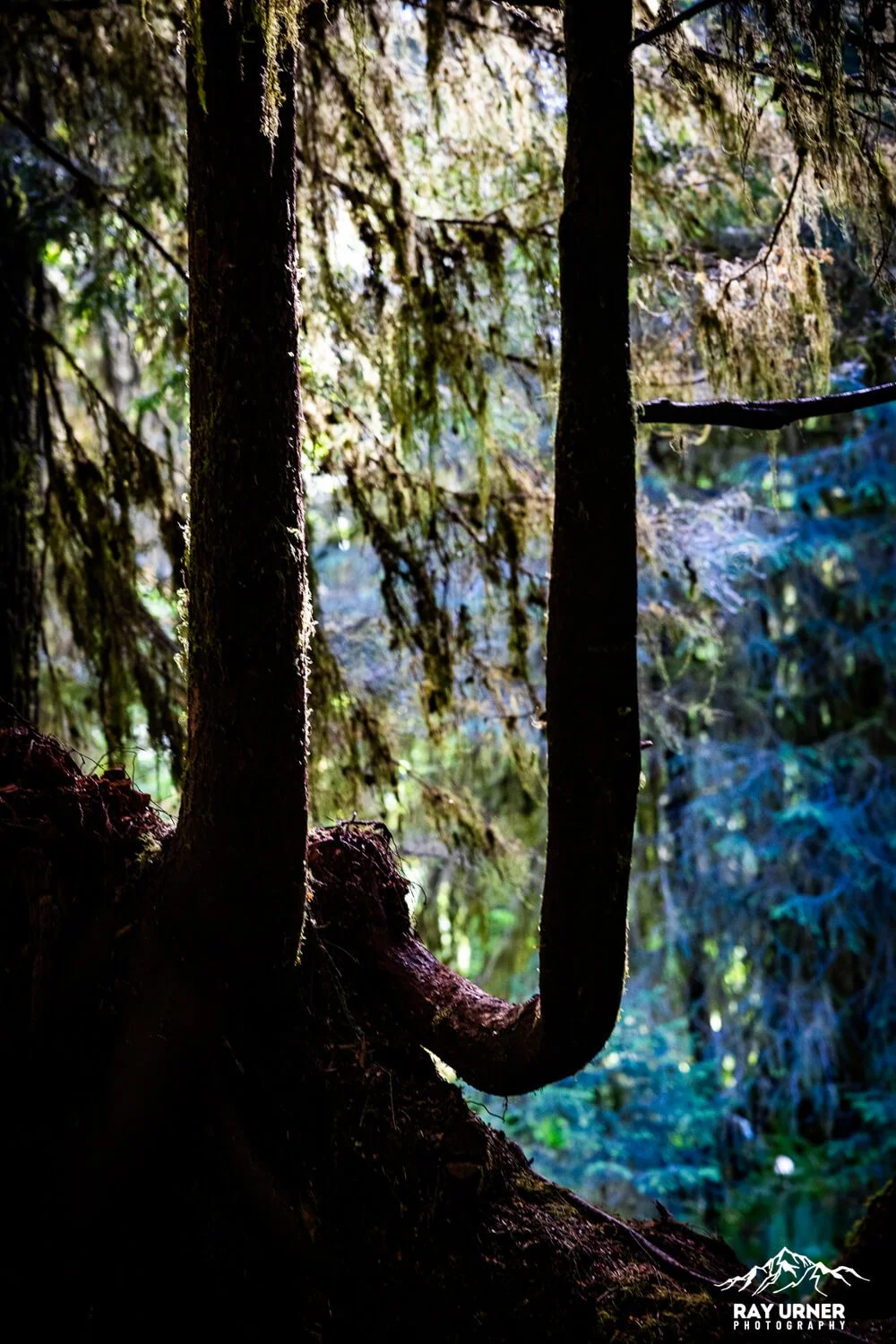
· Mosses Galore: The “hall” effect is created by the sheer abundance of mosses—club moss, cat-tail moss, and hanging mosses that drape like curtains from every branch.
· Cultural Significance: The Hoh Rain Forest lies within the traditional lands of the Hoh and Quileute tribes, who have lived in harmony with this land for generations.
Photographing the Hall of Mosses: Light, Mood, and Detail
1. Embrace the Diffused Light: The dense canopy filters sunlight into a soft, even glow—perfect for photography. Overcast days are ideal, as they enhance the greens and eliminate harsh shadows.
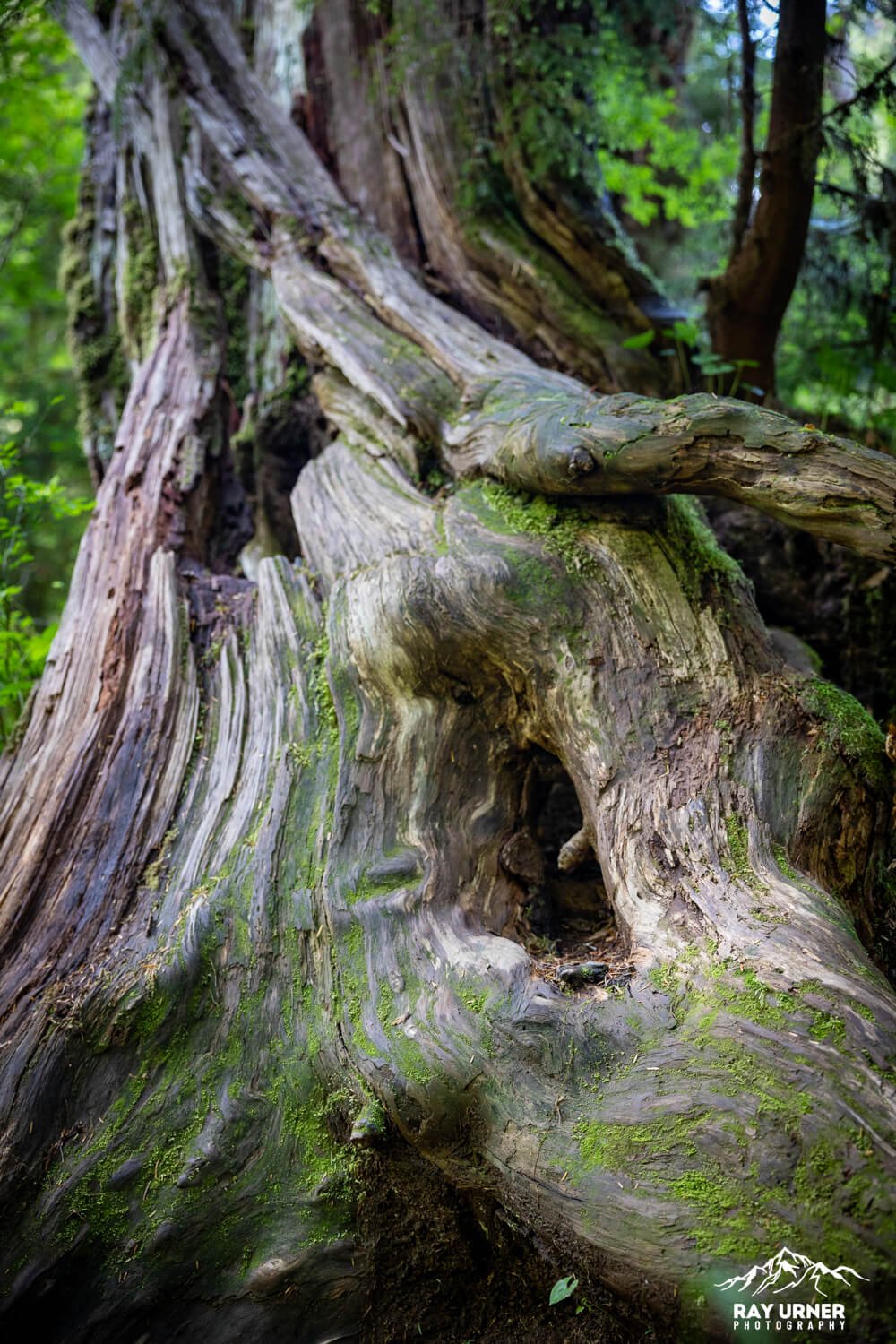
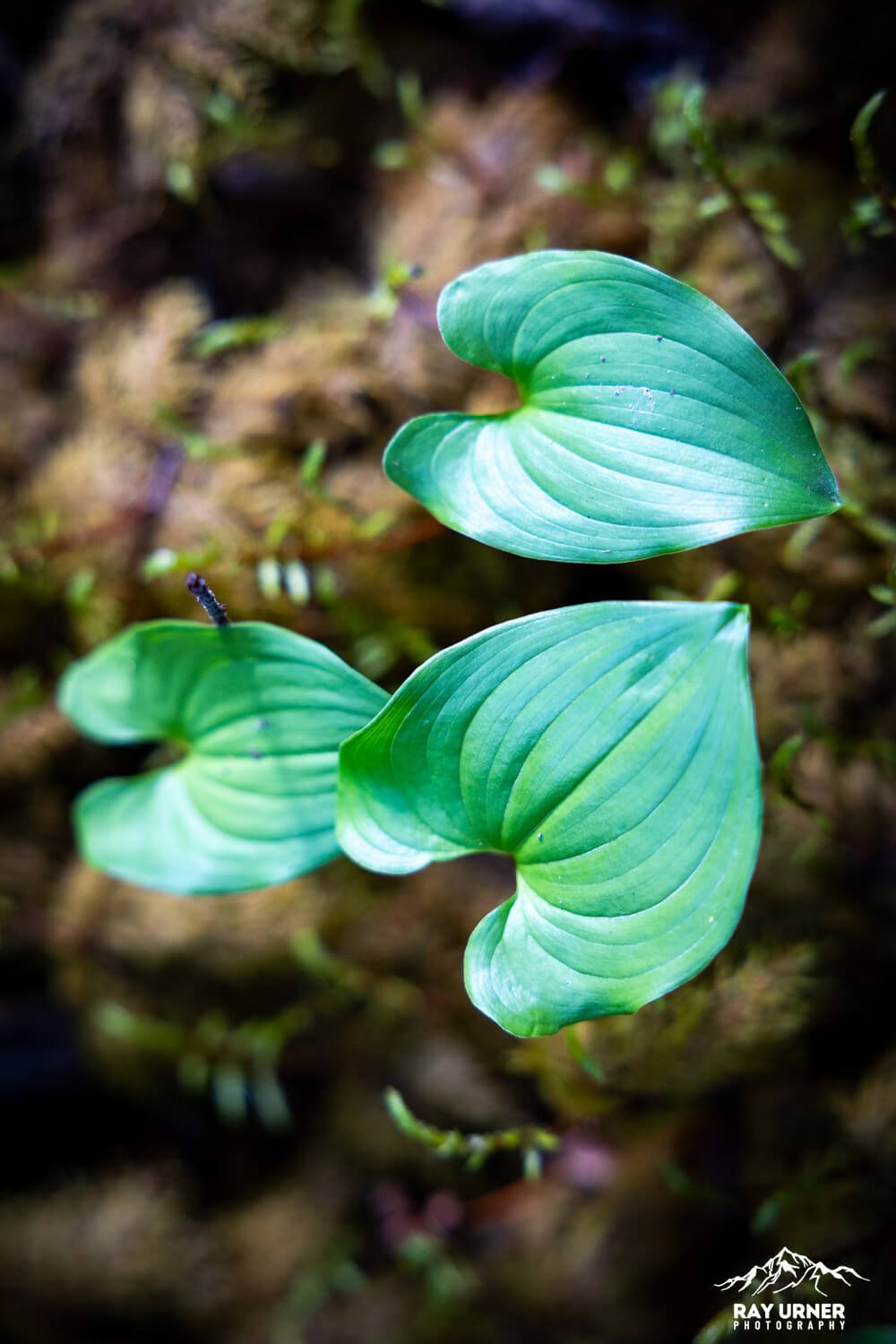
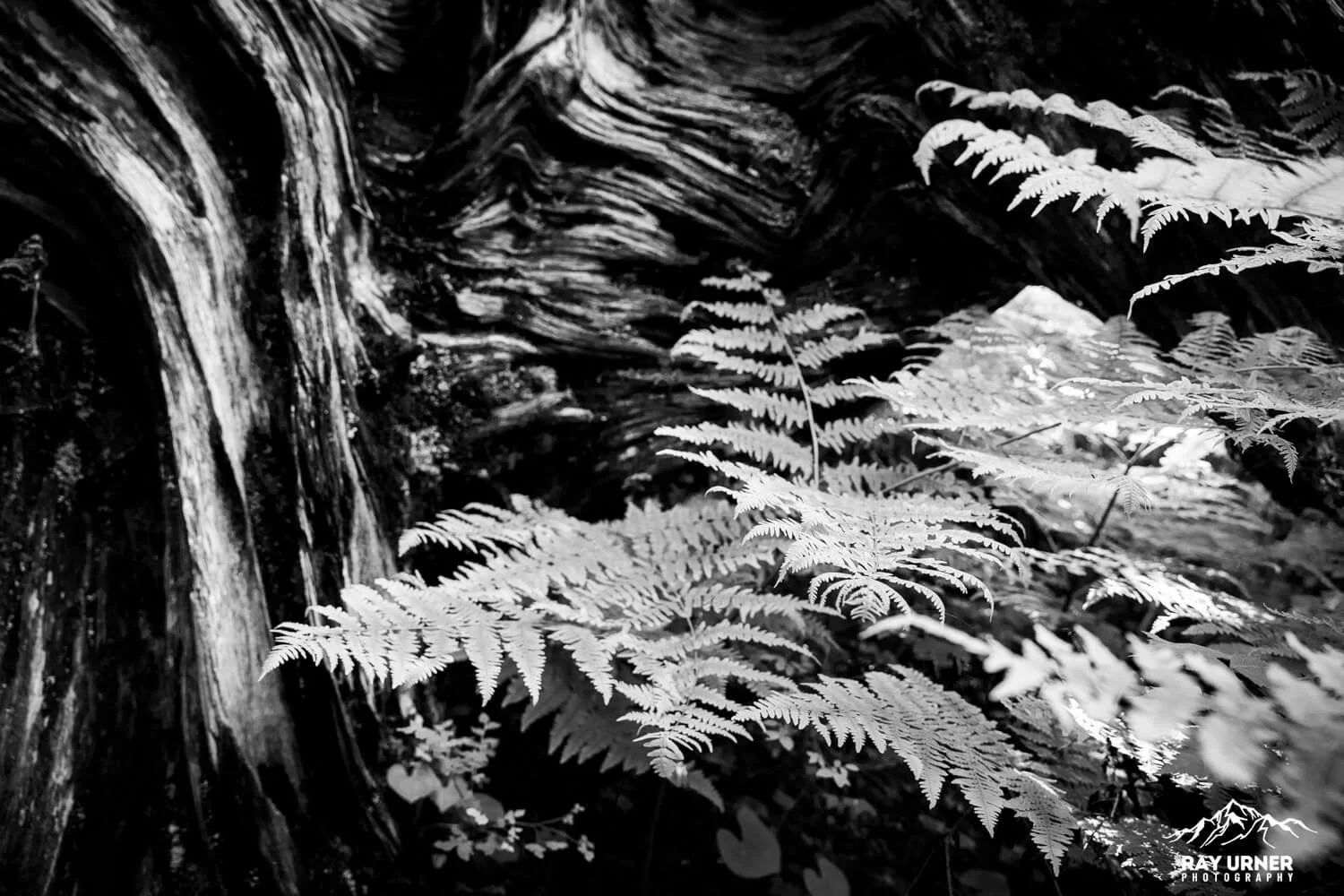
2. Go Wide and Go Close: Use a wide-angle lens to capture the towering trees and moss-draped corridors. Then switch to a macro lens or zoom in on the details: dew-laced spiderwebs, the spiral of a fern frond, or the texture of bark cloaked in lichen.
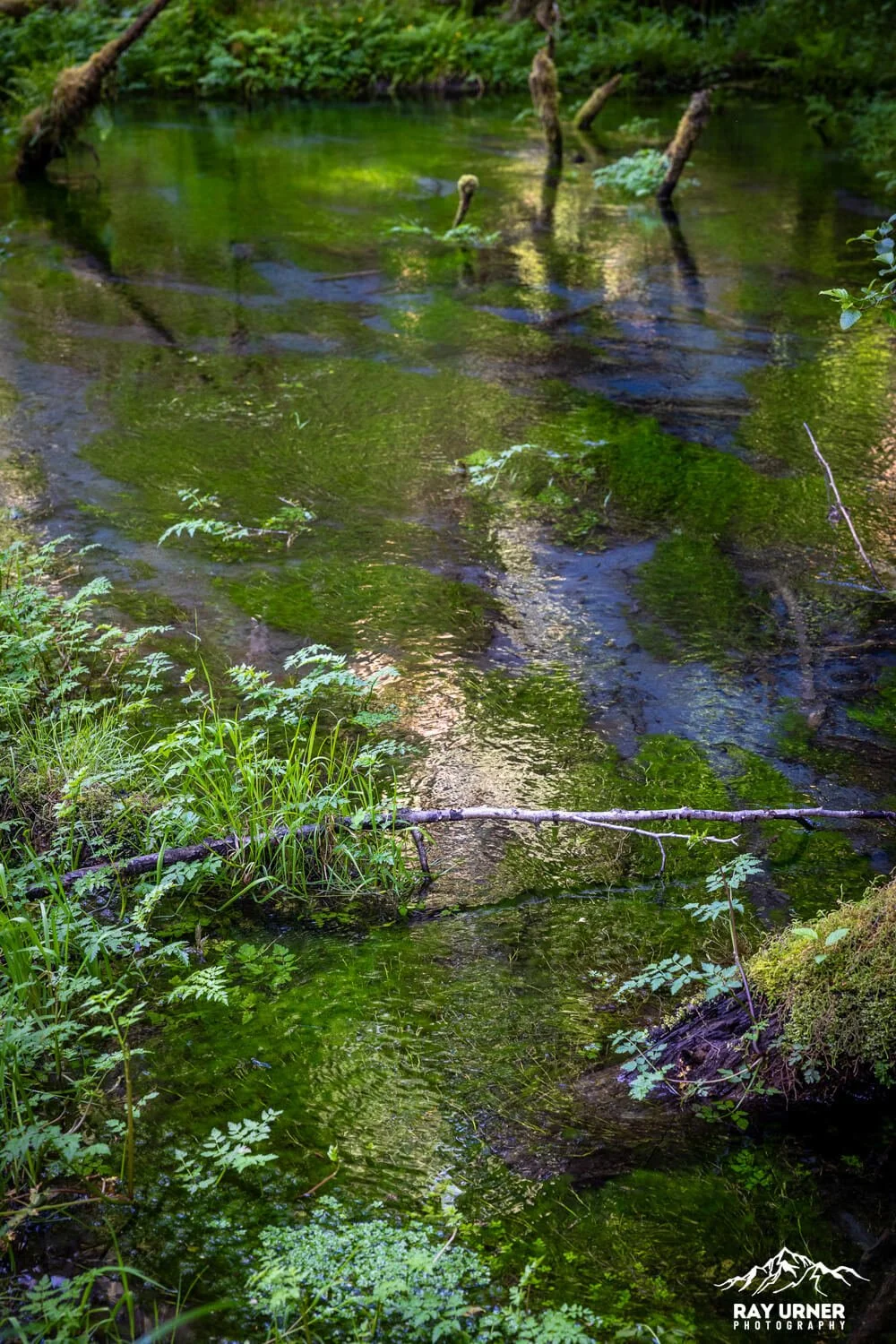
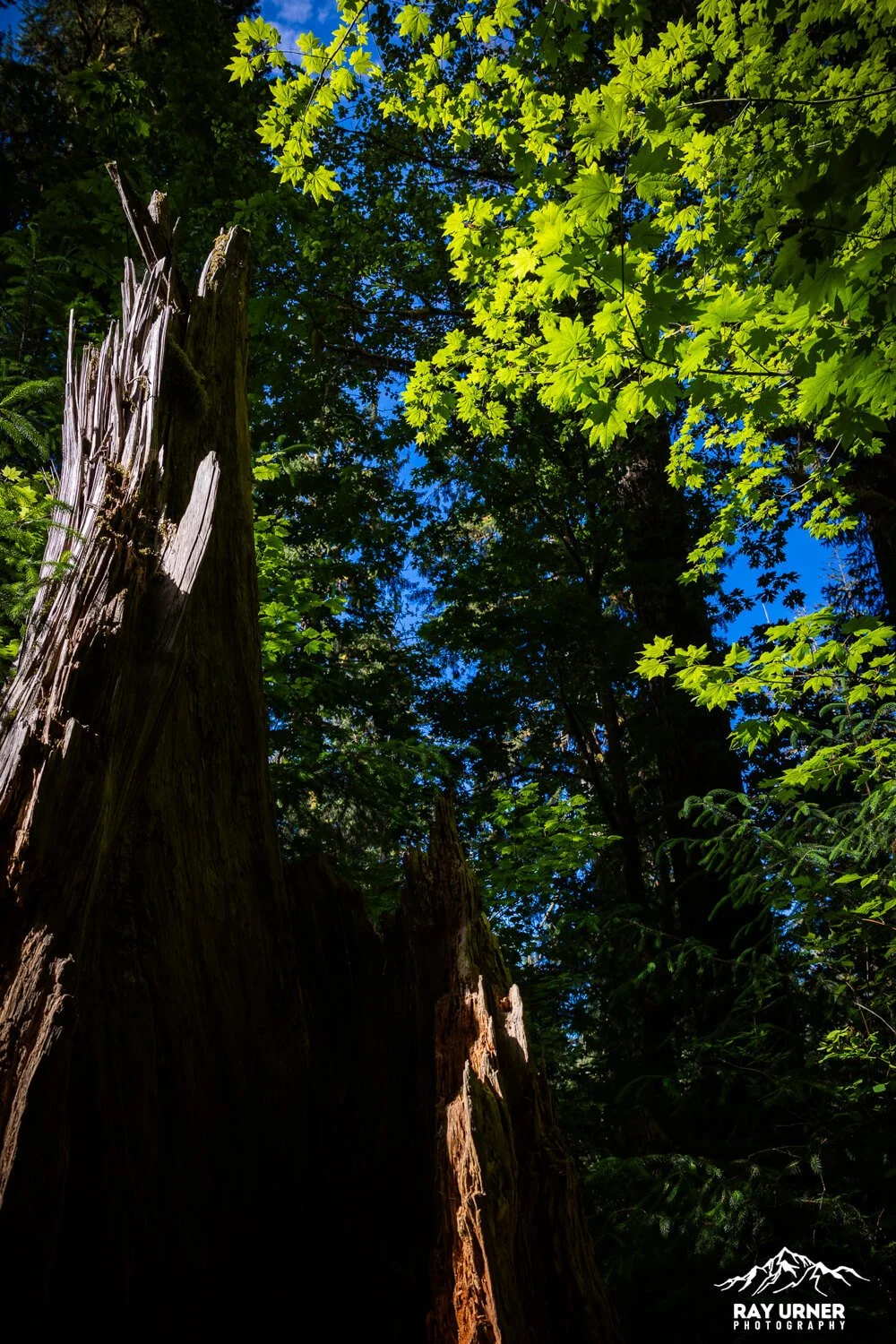
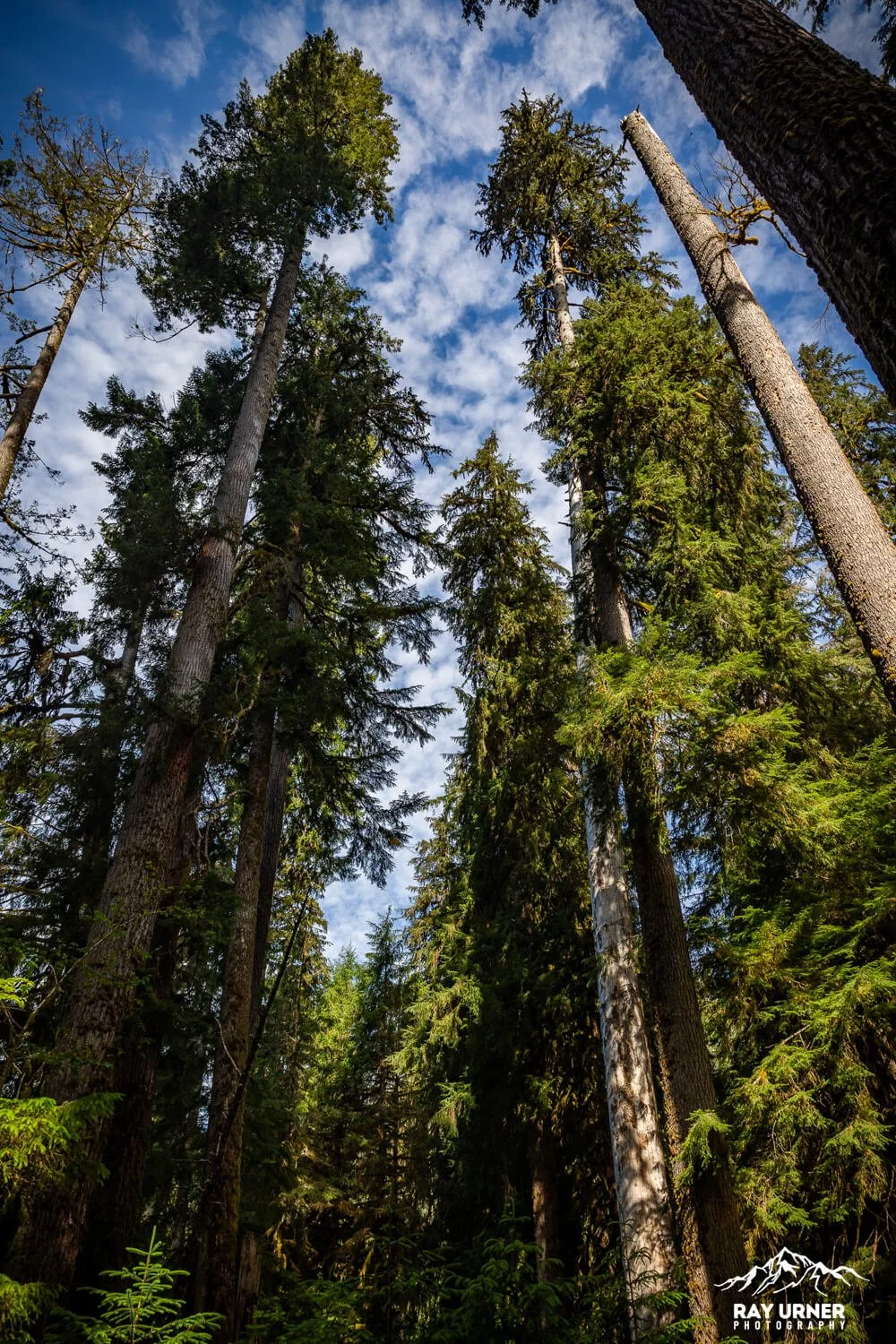
3. Play with Perspective: Shoot low to the ground to emphasize the towering scale of the trees, or look up to capture the cathedral-like canopy. Reflections in puddles or the glint of light through moss can add a magical touch.
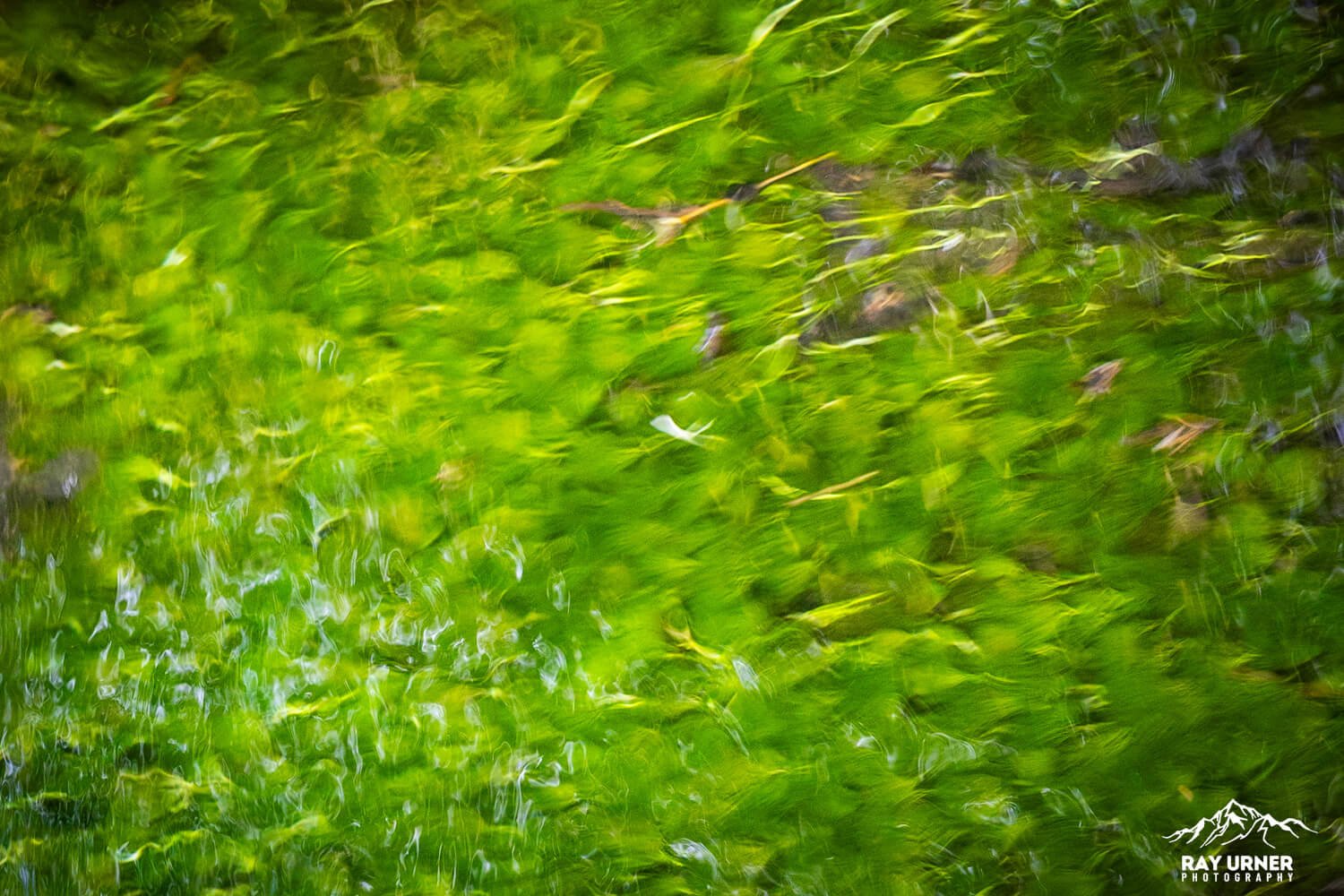
4. Use a Tripod: The low light under the canopy often requires slower shutter speeds. A tripod ensures sharp images and allows for long exposures to capture the stillness of the forest.

Final Thoughts: A Photographer’s Sanctuary
The Hall of Mosses is more than a trail—it’s a portal into a primeval world. For photographers, it offers a rare chance to capture the quiet grandeur of an untouched rainforest. Whether you’re shooting wide landscapes or intimate forest details, every frame tells a story of resilience, beauty, and the timeless rhythm of nature.