Lake Crescent
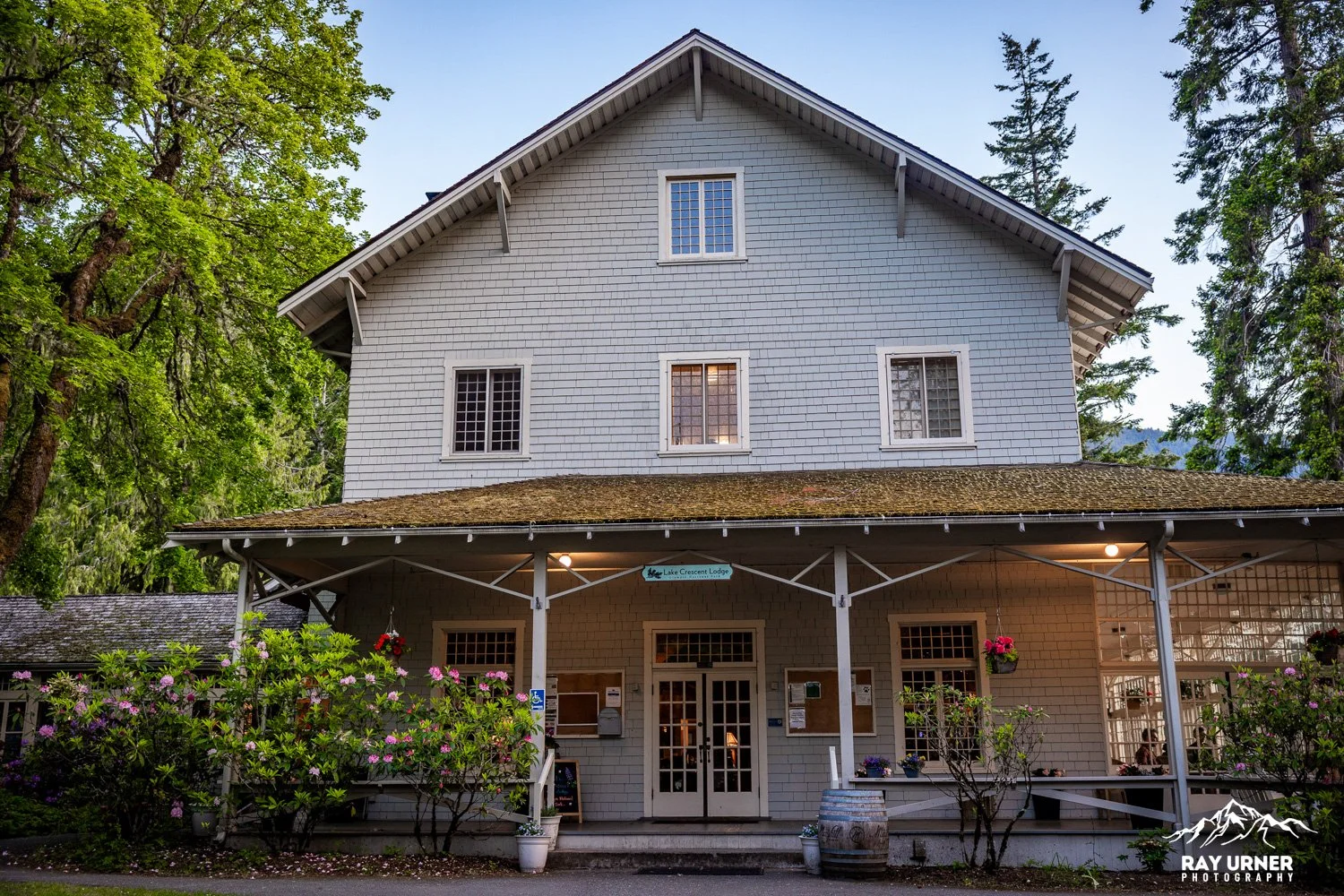
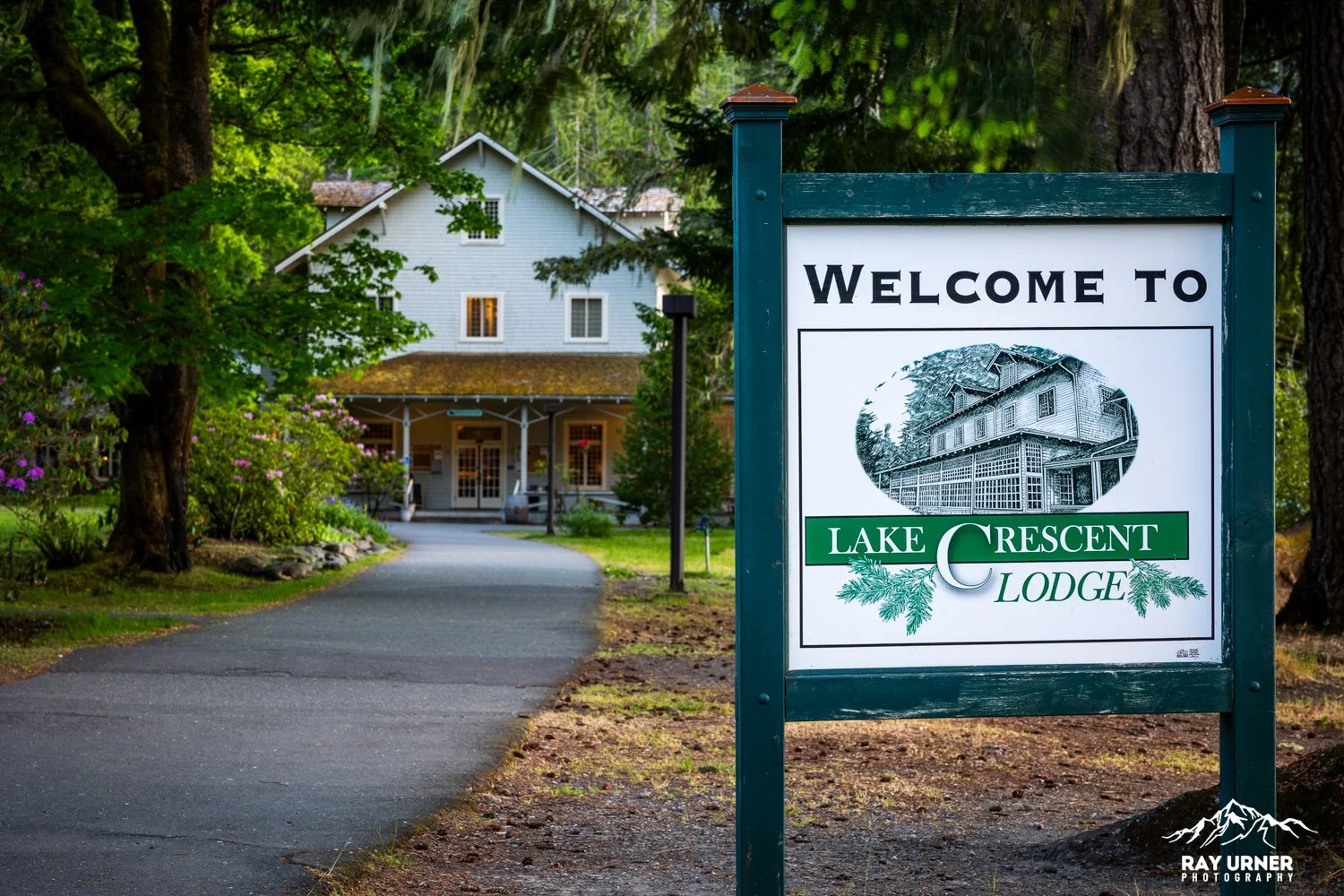
Tucked into the heart of Olympic National Park, Lake Crescent is a glacially-carved jewel of sapphire-blue water, framed by towering evergreens and rugged mountain ridges. For photographers, the lake offers a canvas of ever-changing moods—from golden sunsets to misty rain-soaked mornings. And there’s no better vantage point than the historic Lake Crescent Lodge, where nature’s drama unfolds just steps from your room.
The Lake: A Glacial Masterpiece
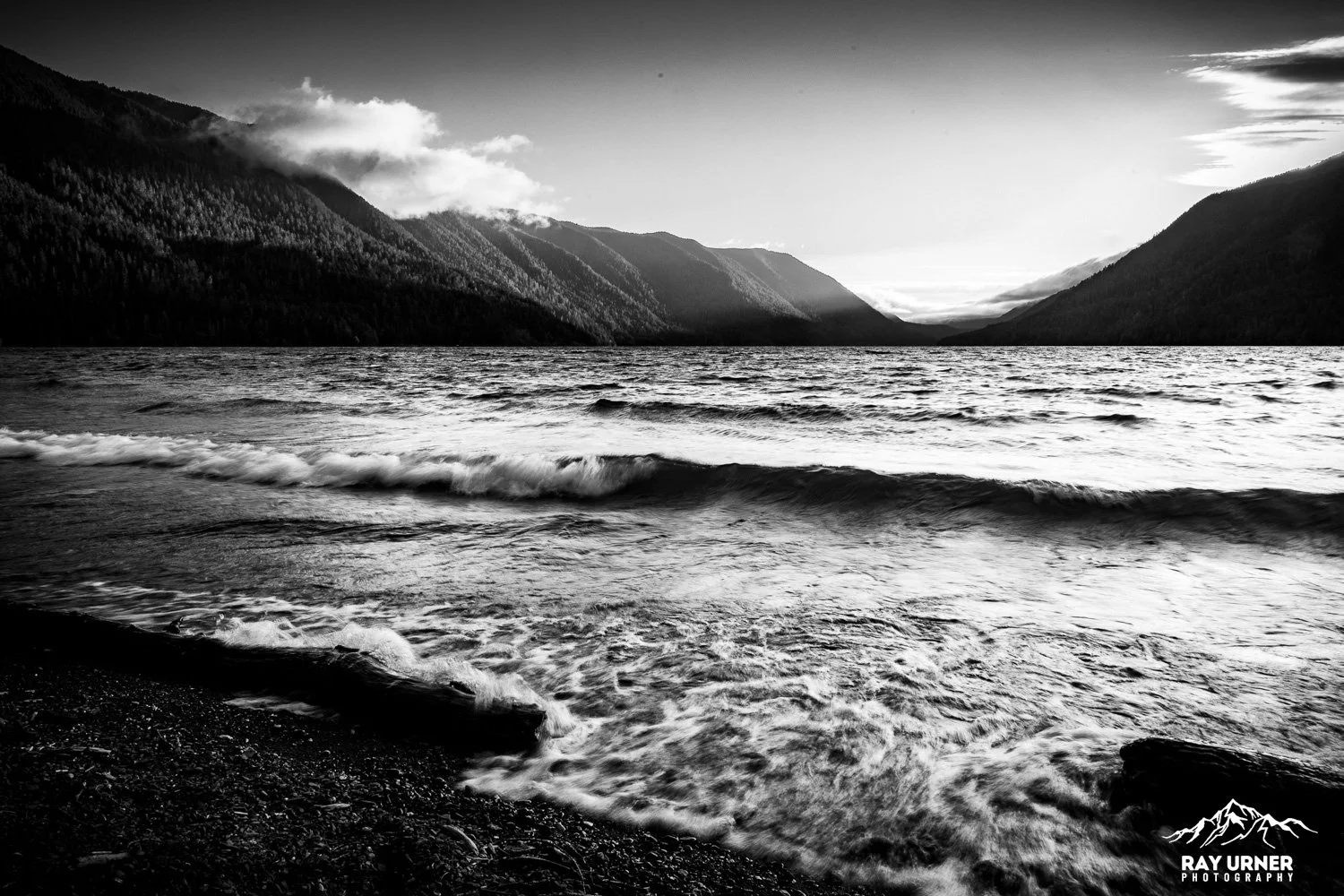
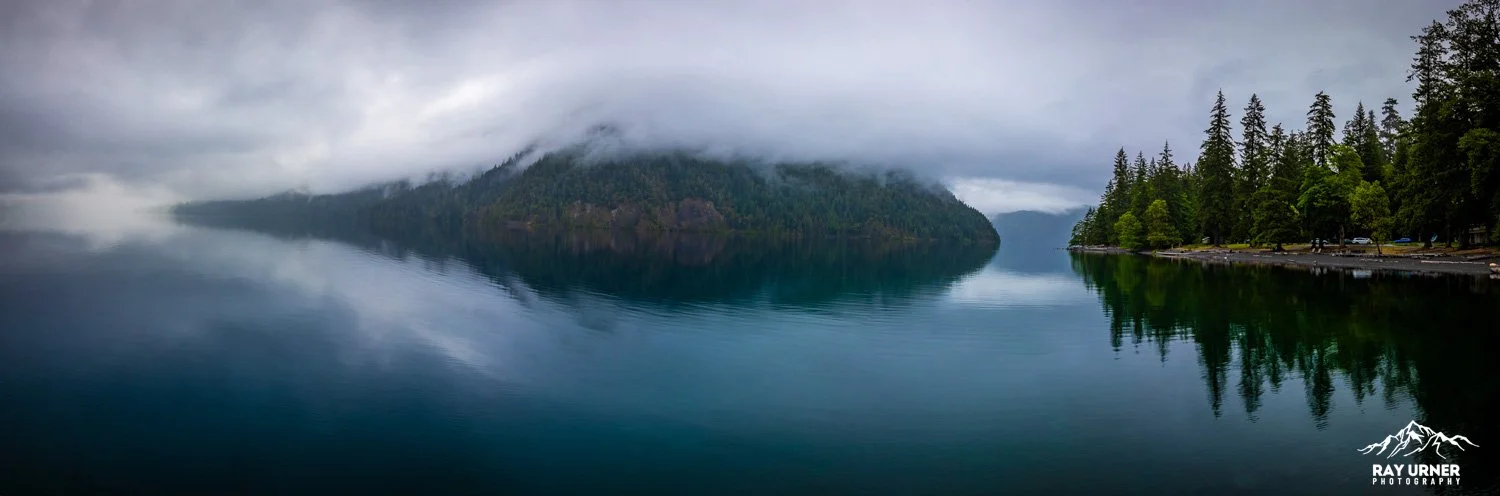
Lake Crescent is the second-deepest lake in Washington State, plunging to depths of over 600 feet. Its clarity and vibrant blue hue are due to a lack of nitrogen, which limits algae growth. Formed by glaciers during the last Ice Age, the lake stretches nearly 12 miles long and is surrounded by steep, forested slopes that reflect beautifully in its still waters
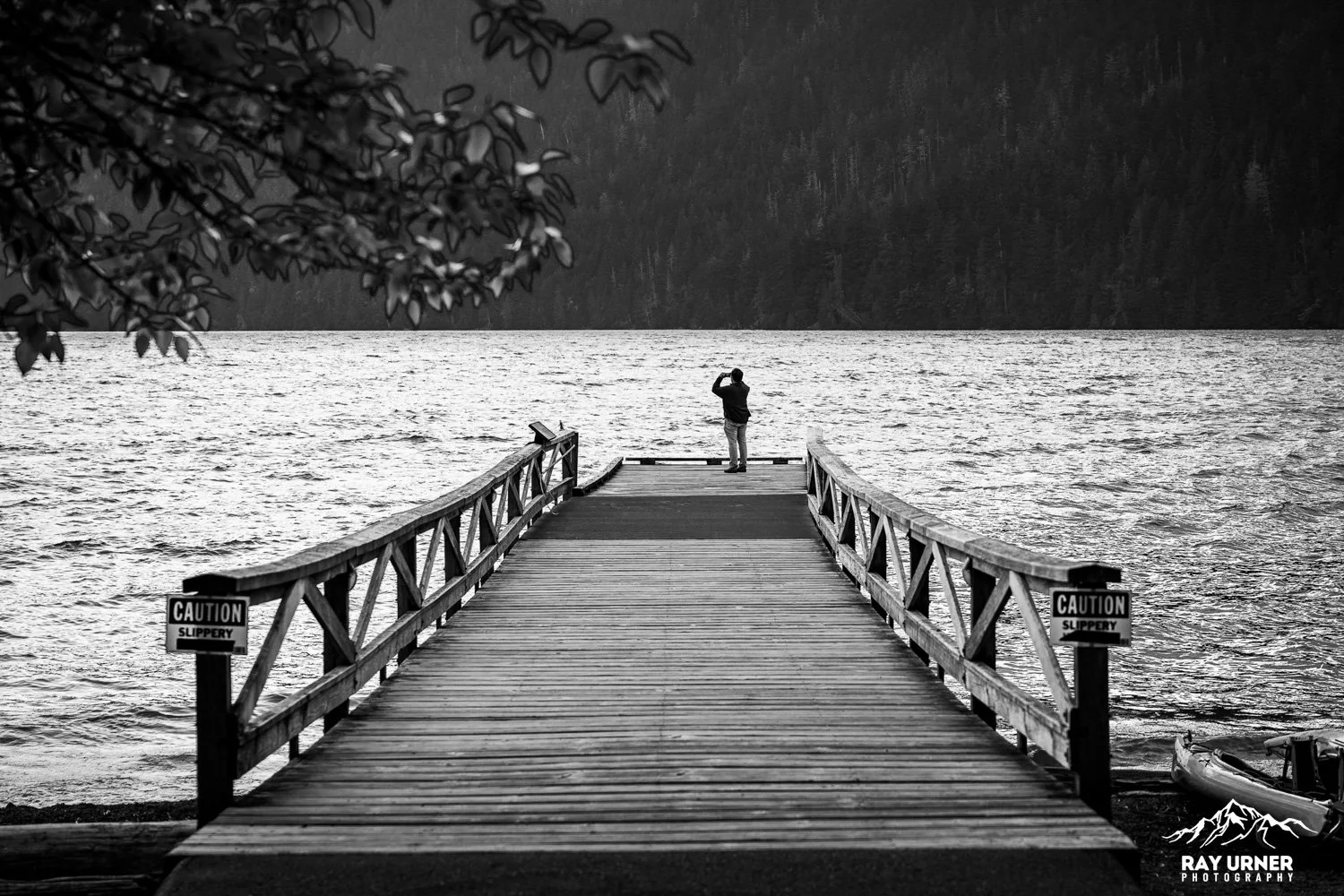
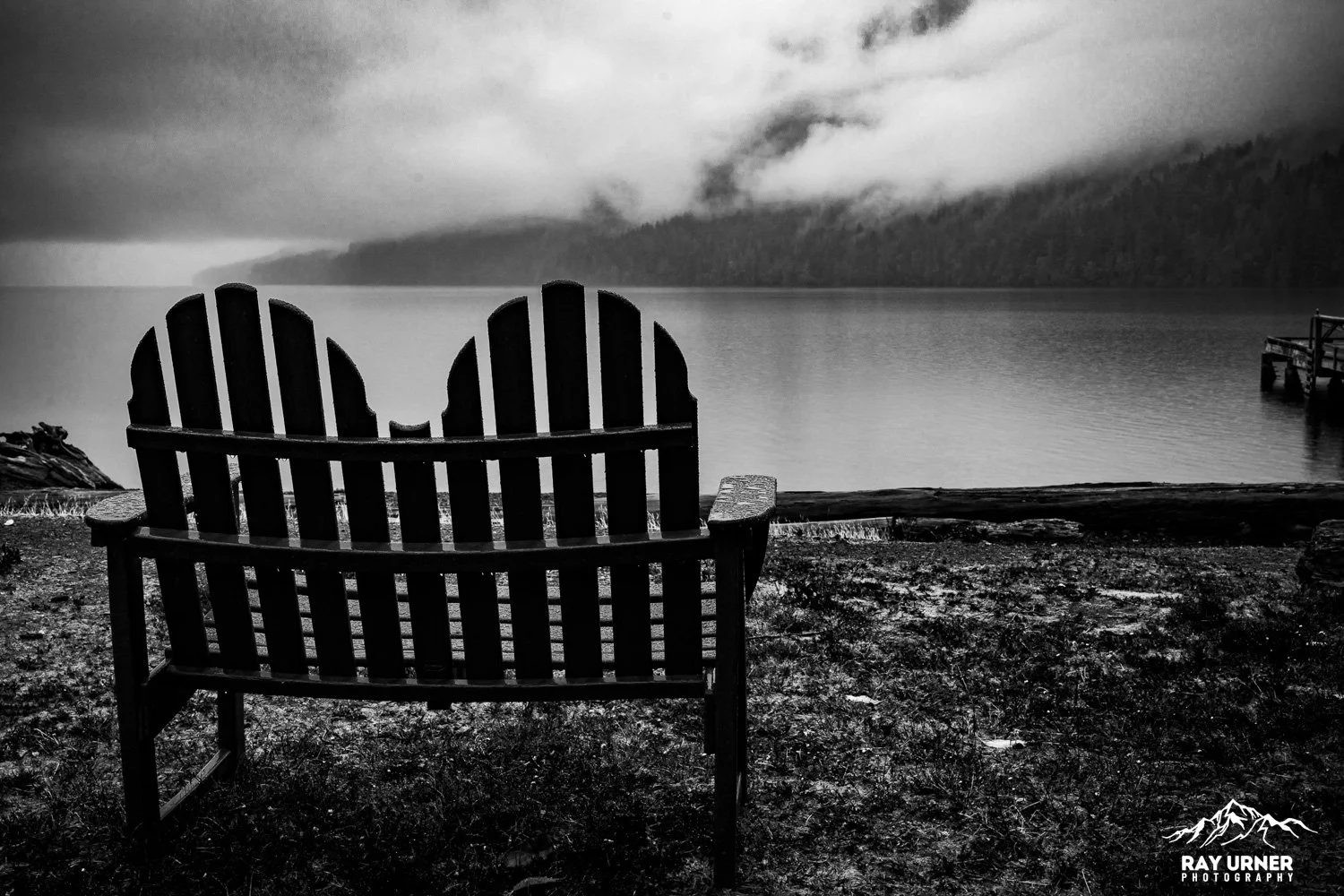
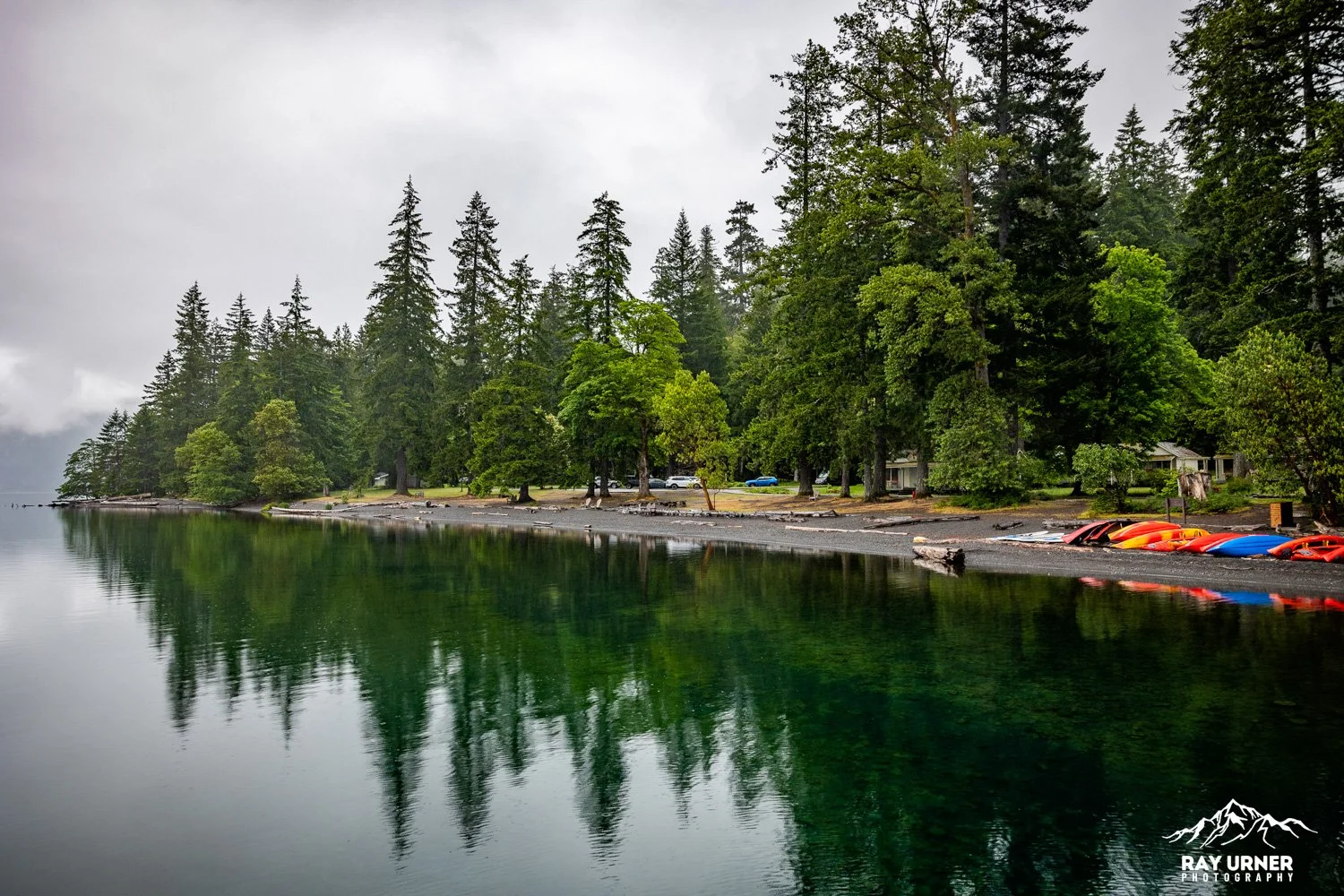
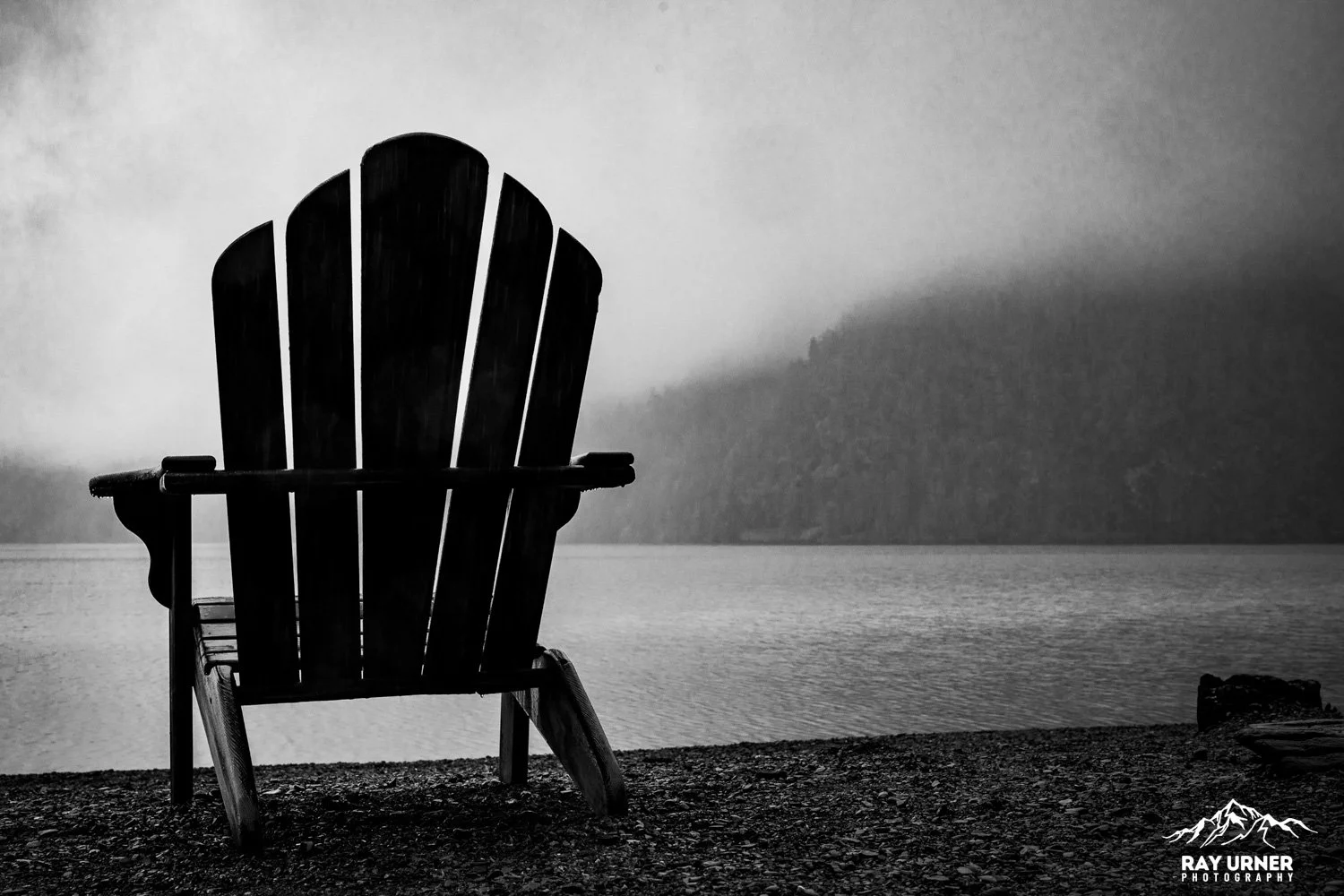
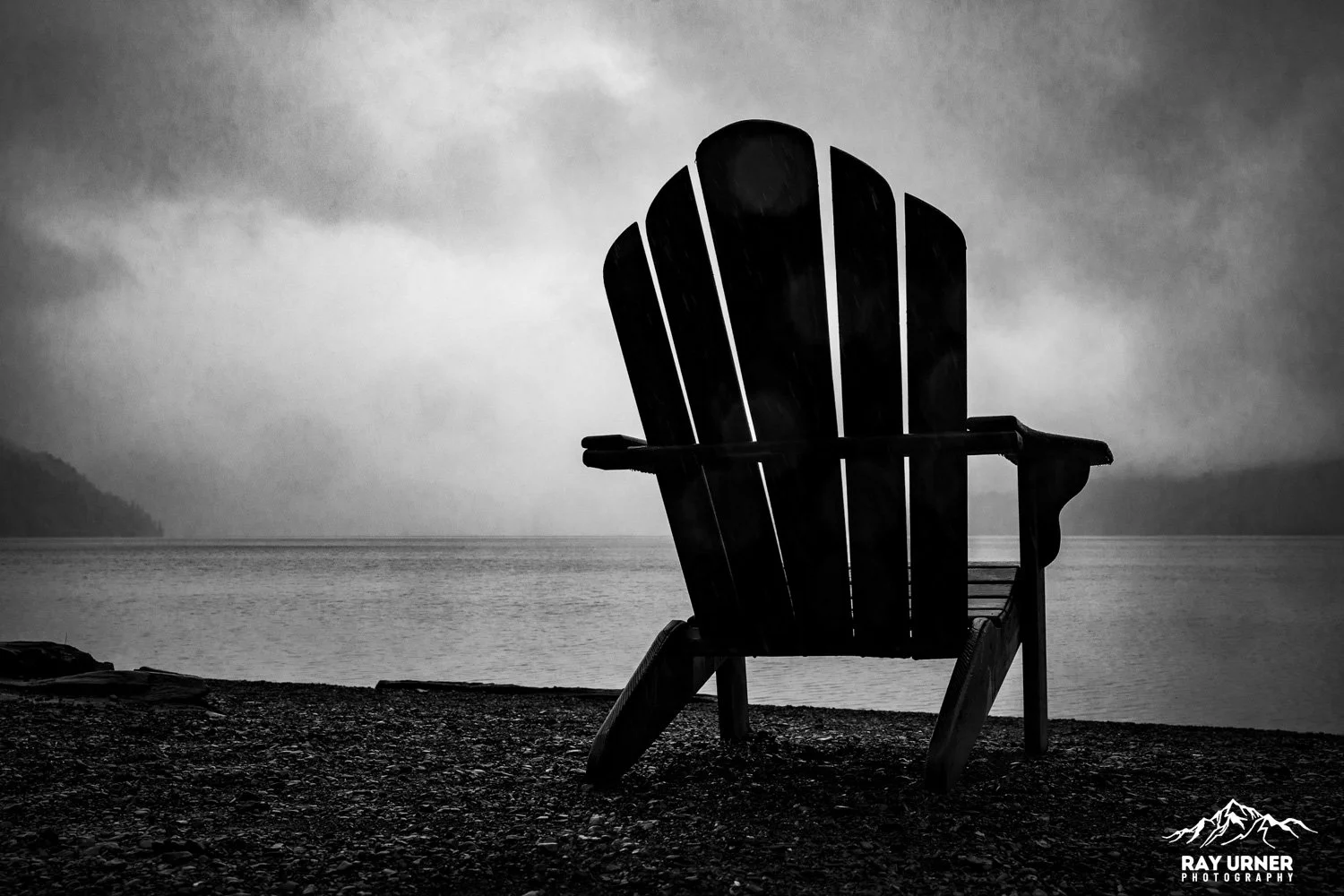
The lodge area, located on Barnes Point, offers panoramic views of the lake’s eastern end. Adirondack chairs dot the shoreline, inviting visitors to sit back and take in the view—or set up a tripod and capture it.
Sunset Splendor: Golden Hour at the Lodge
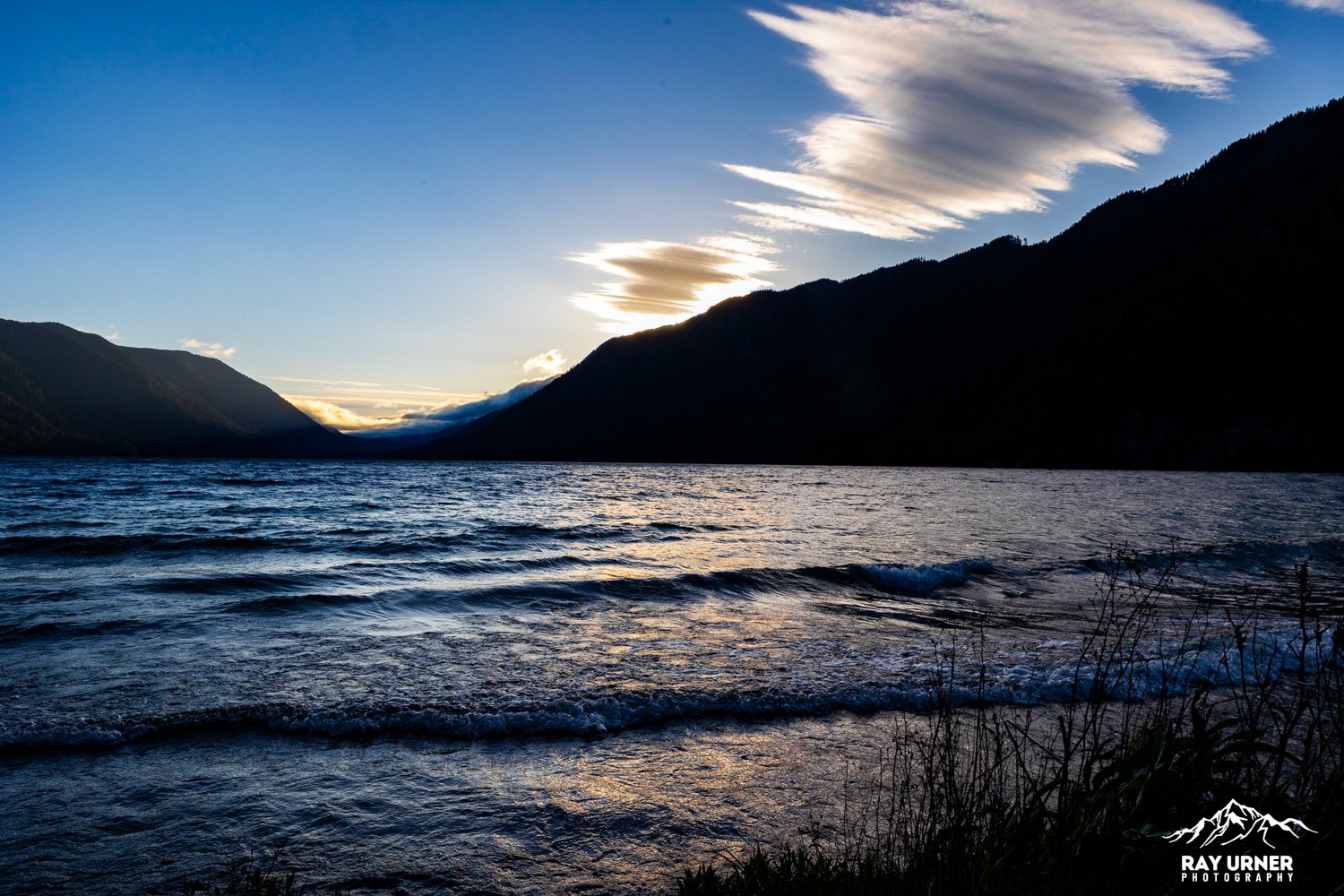
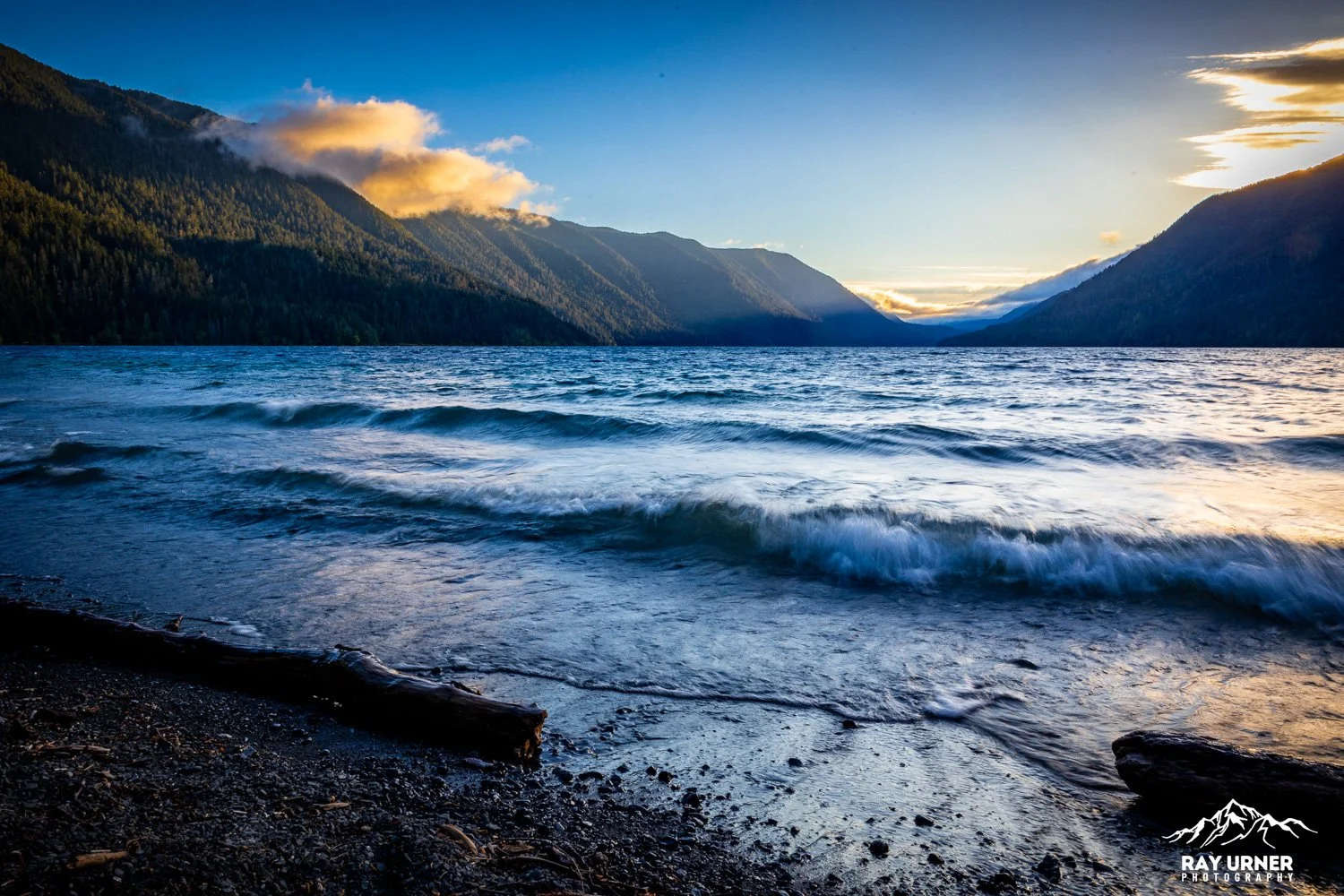
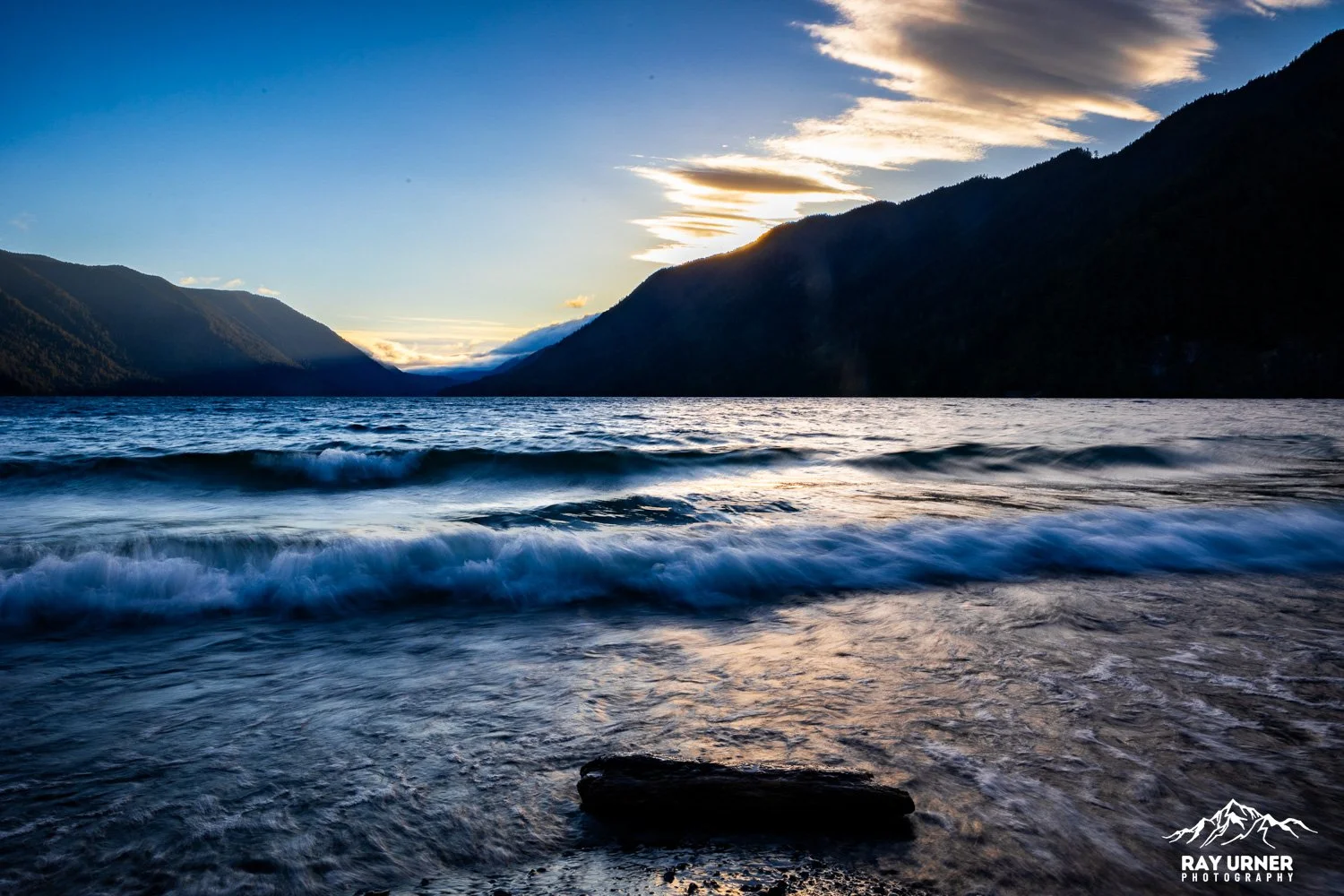
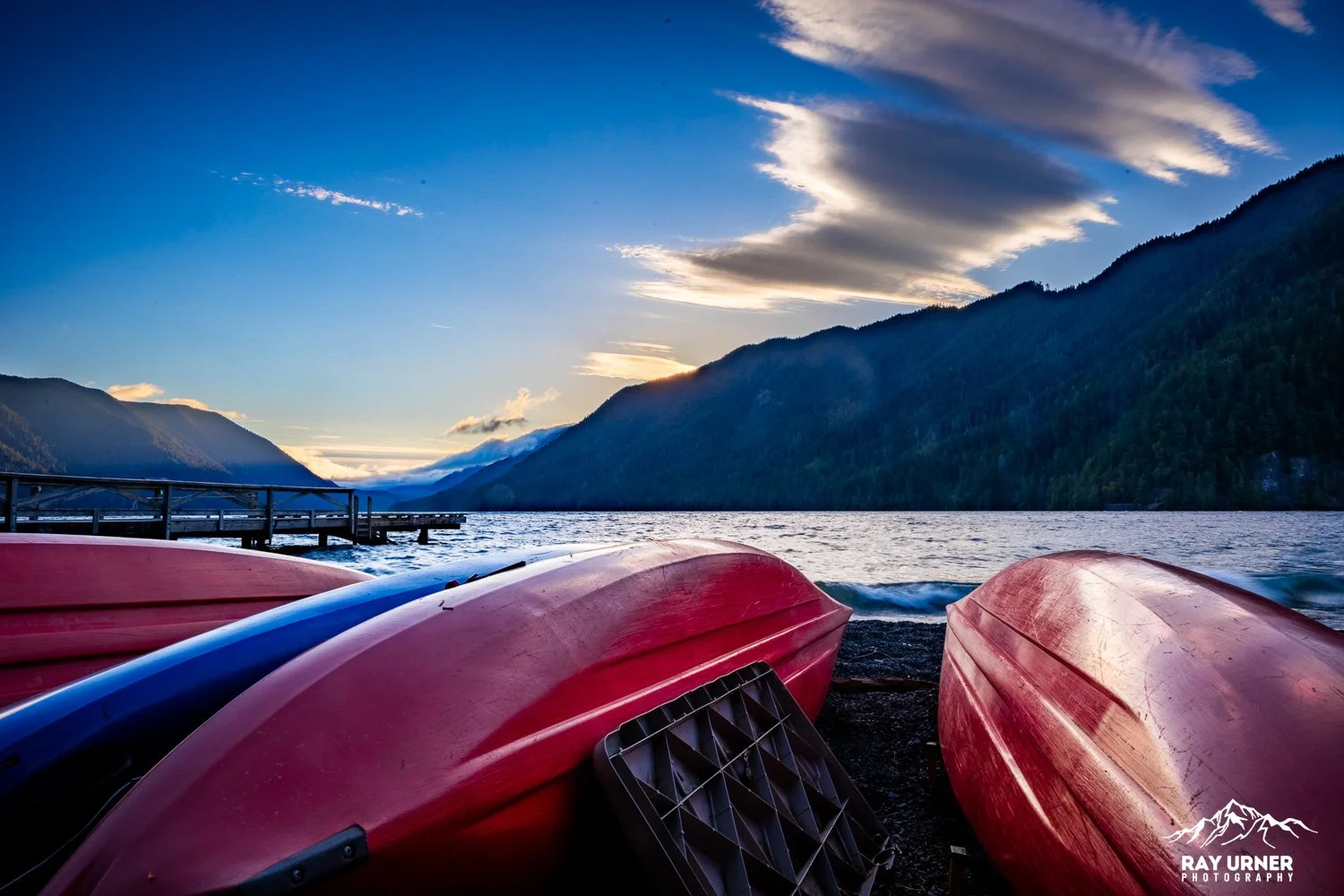
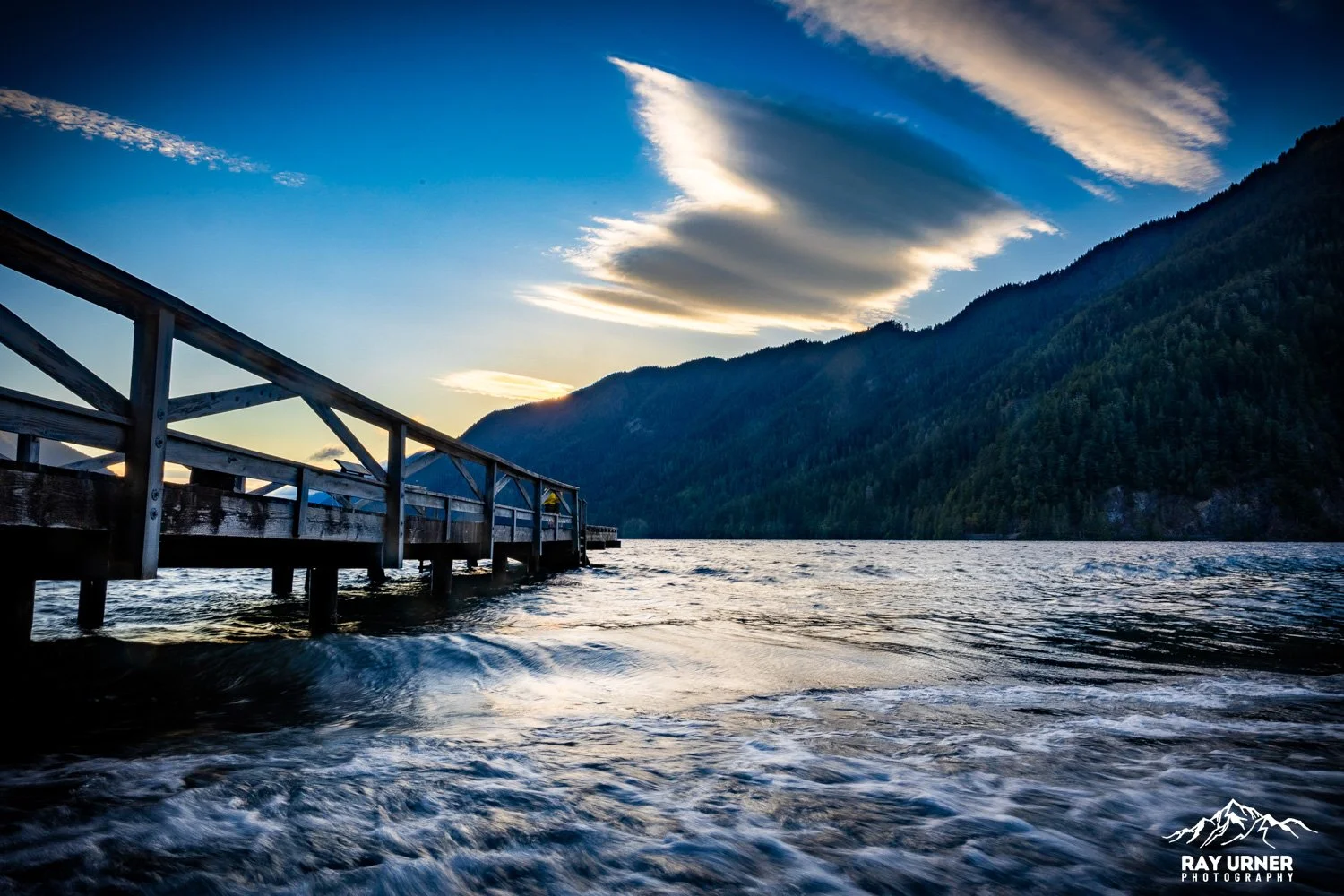
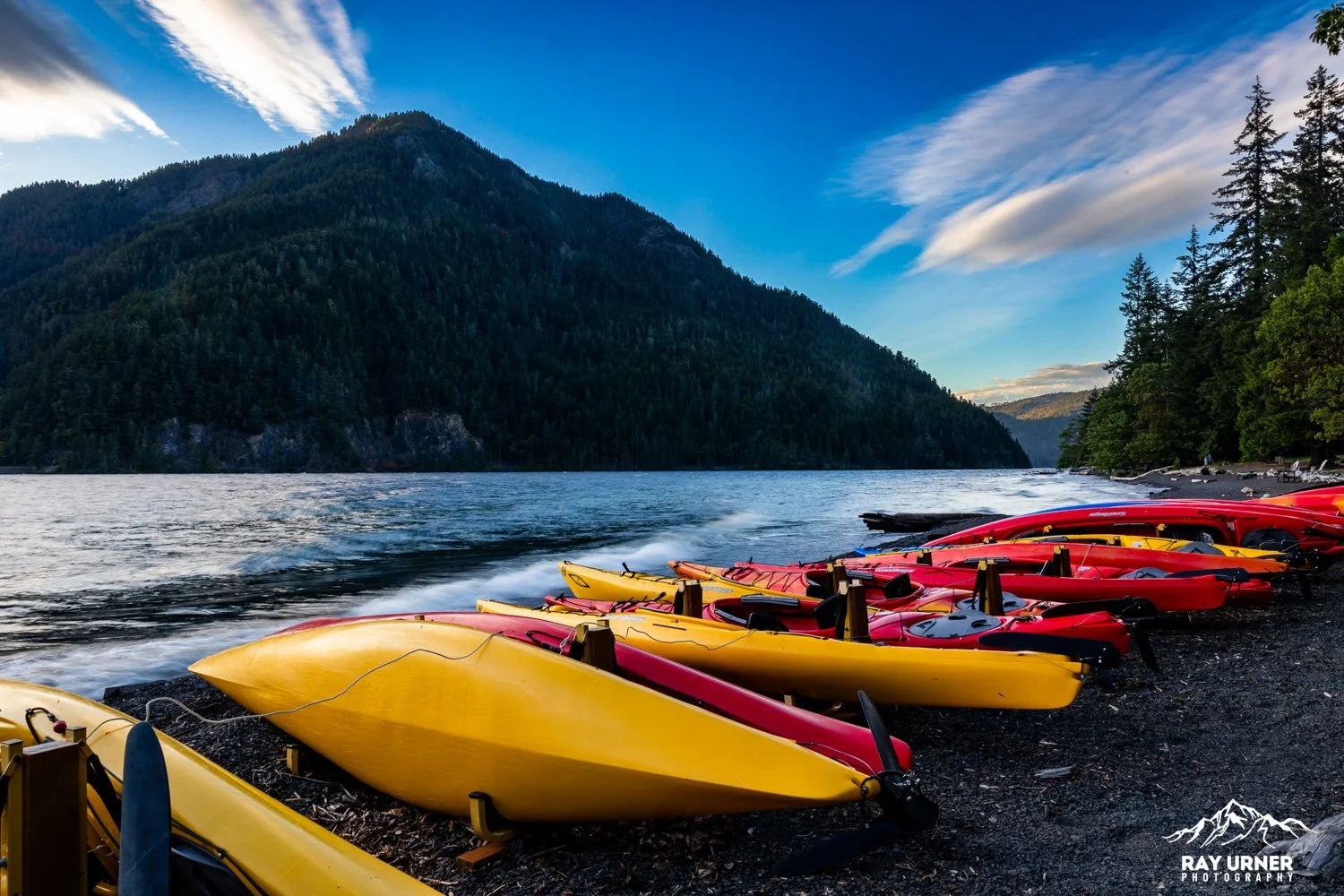
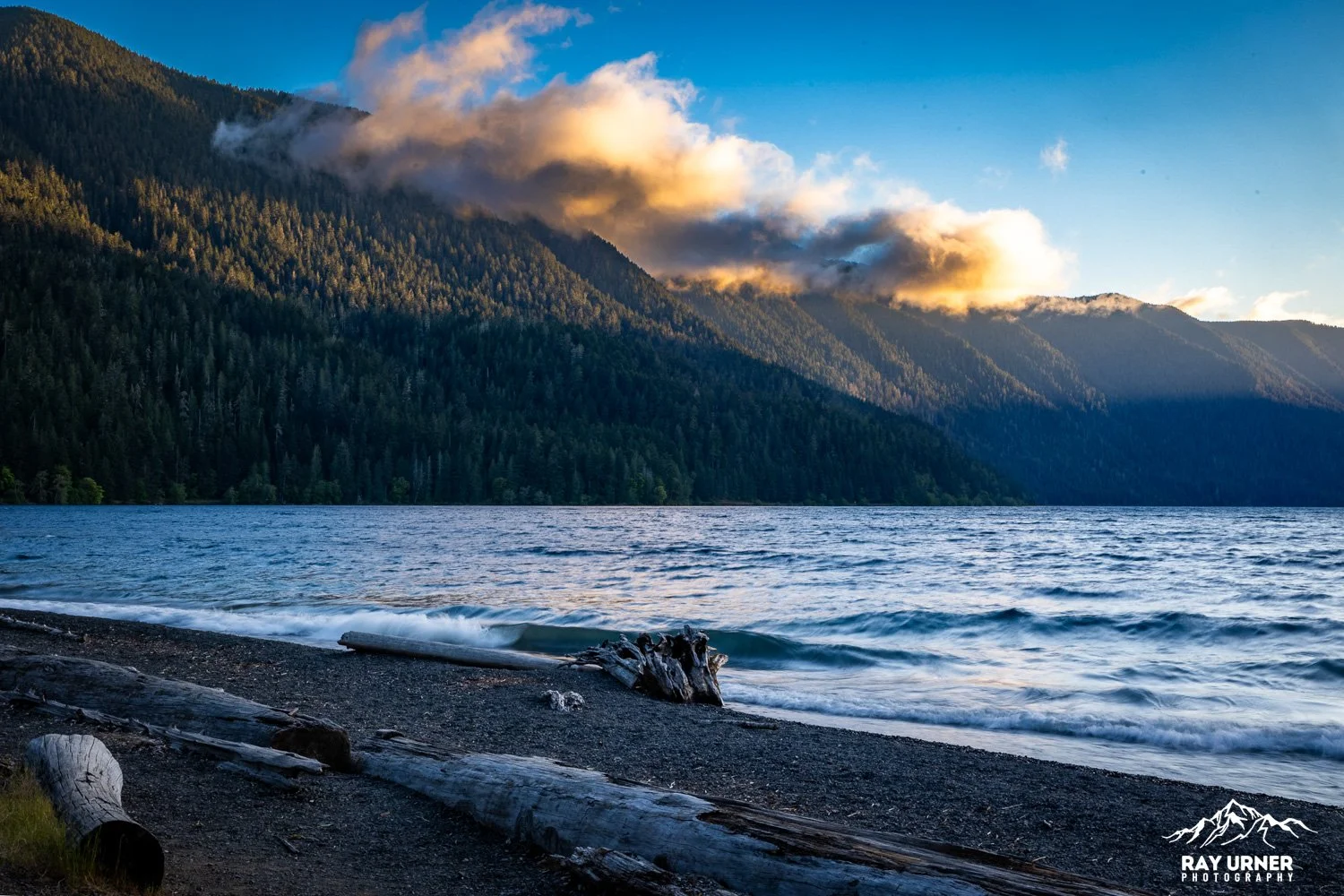
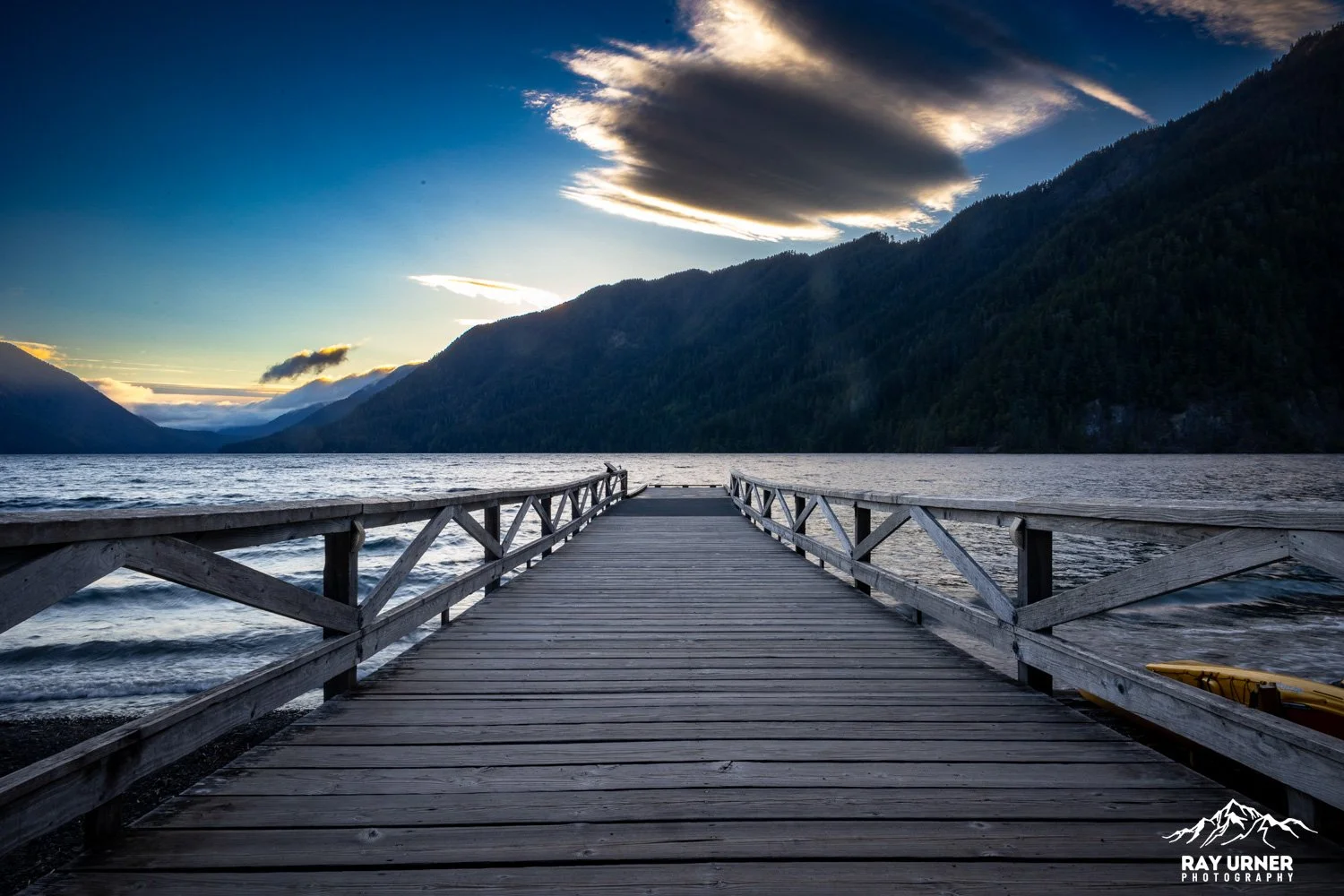
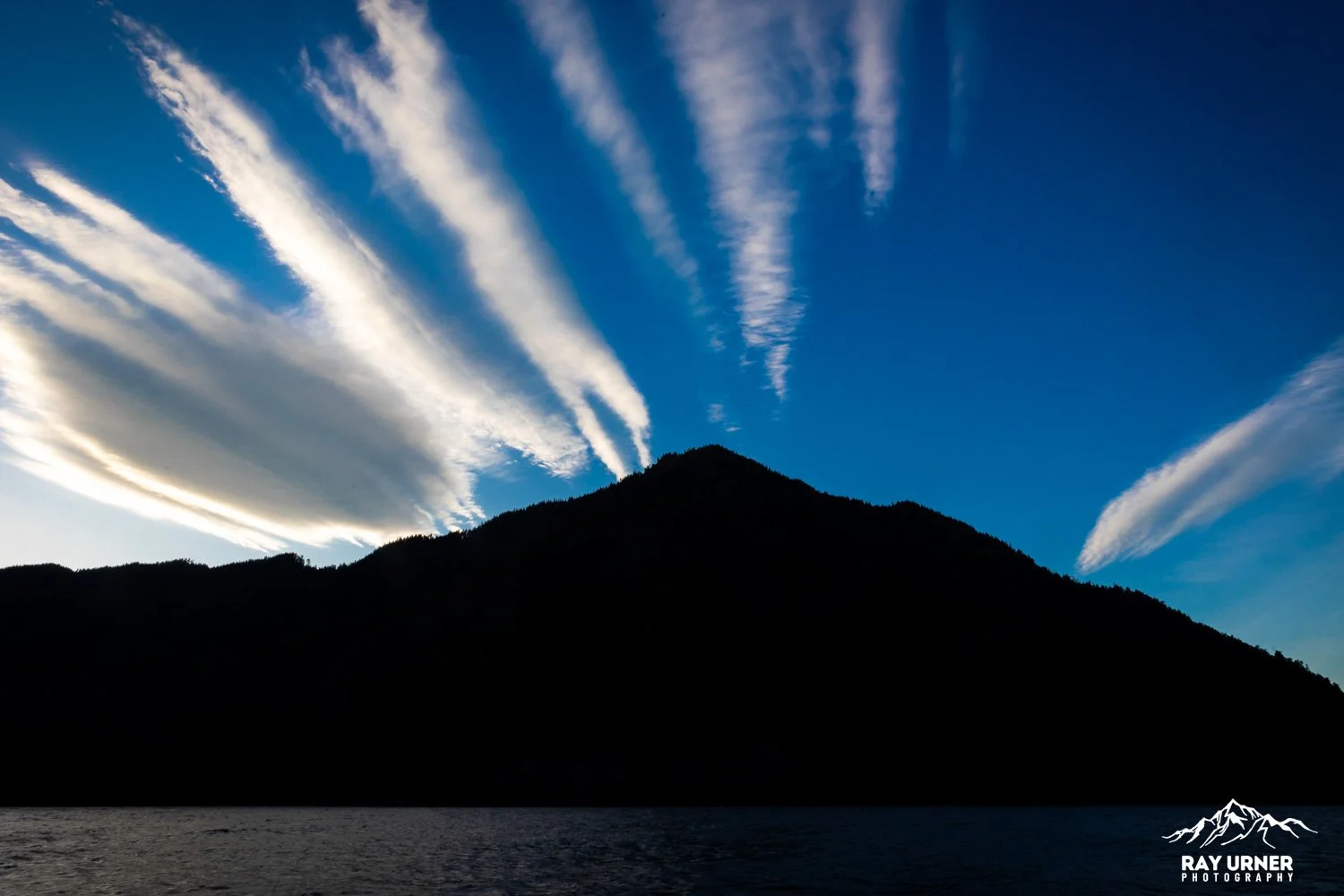
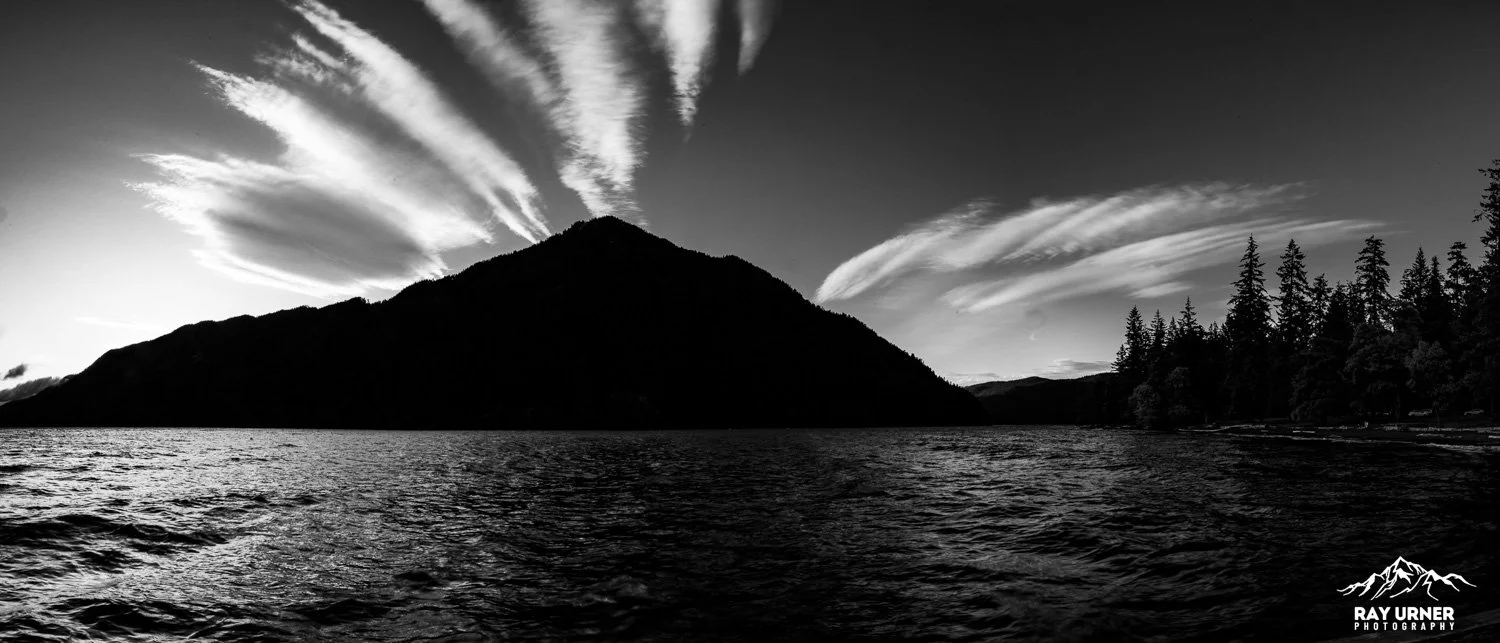
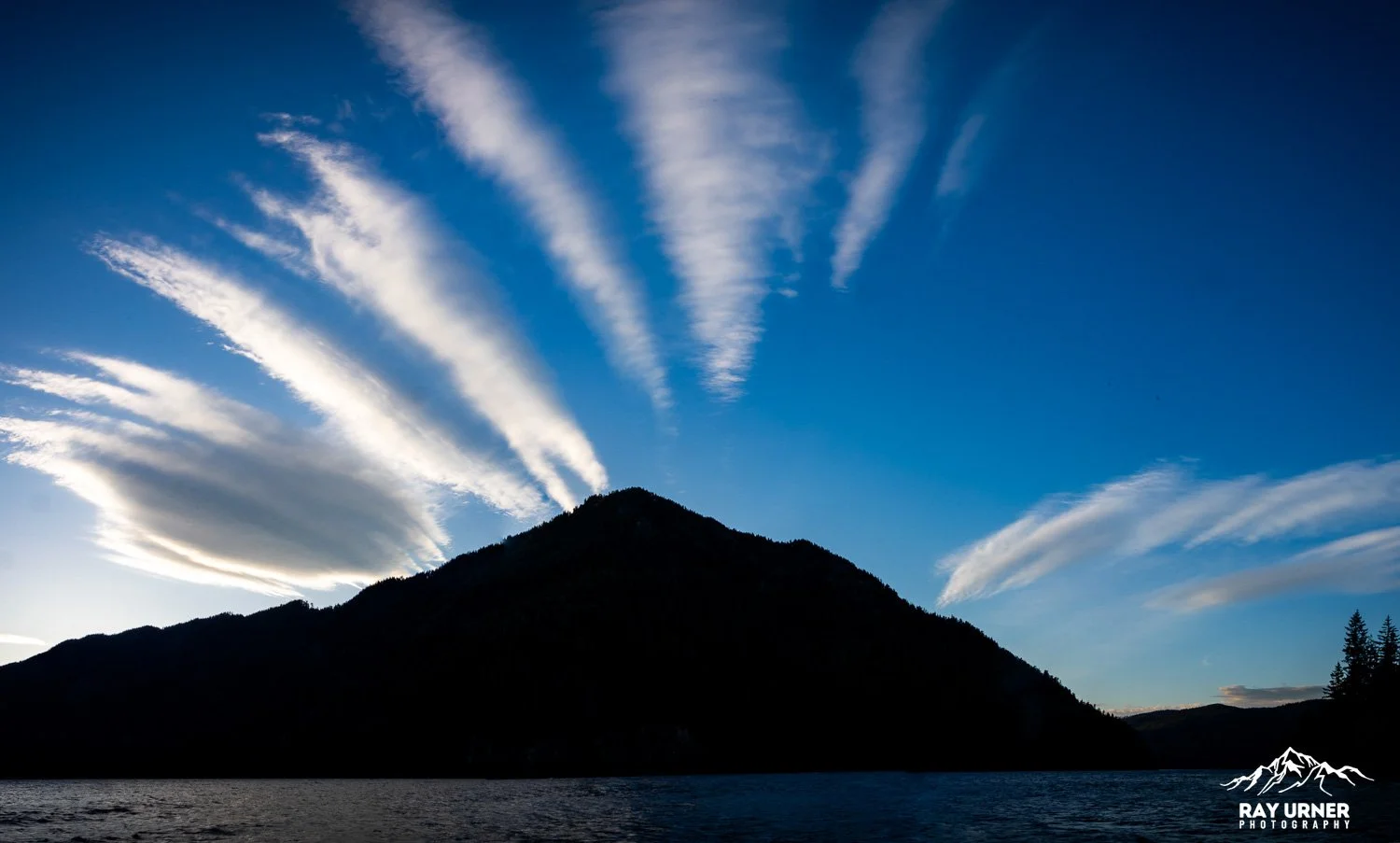
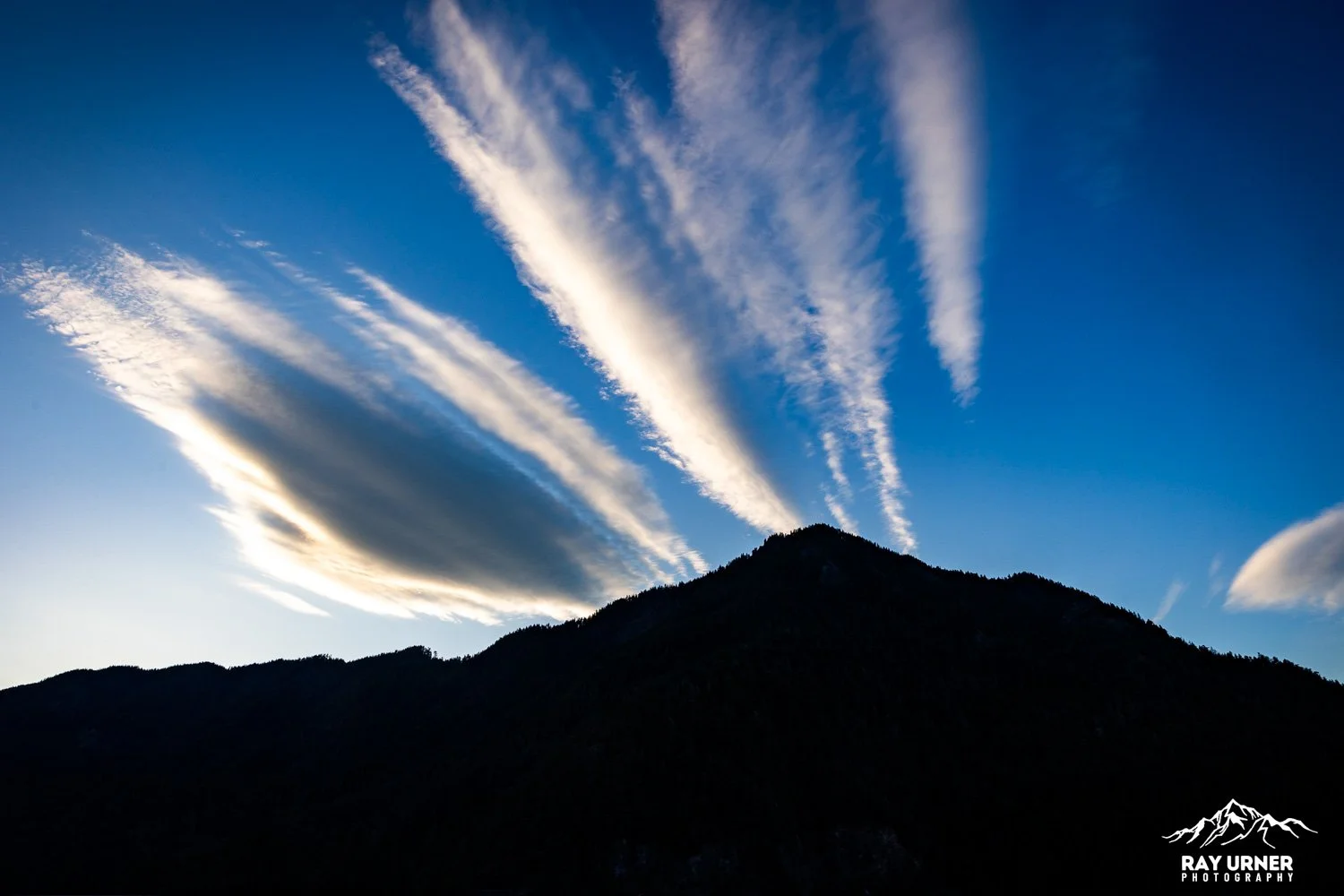
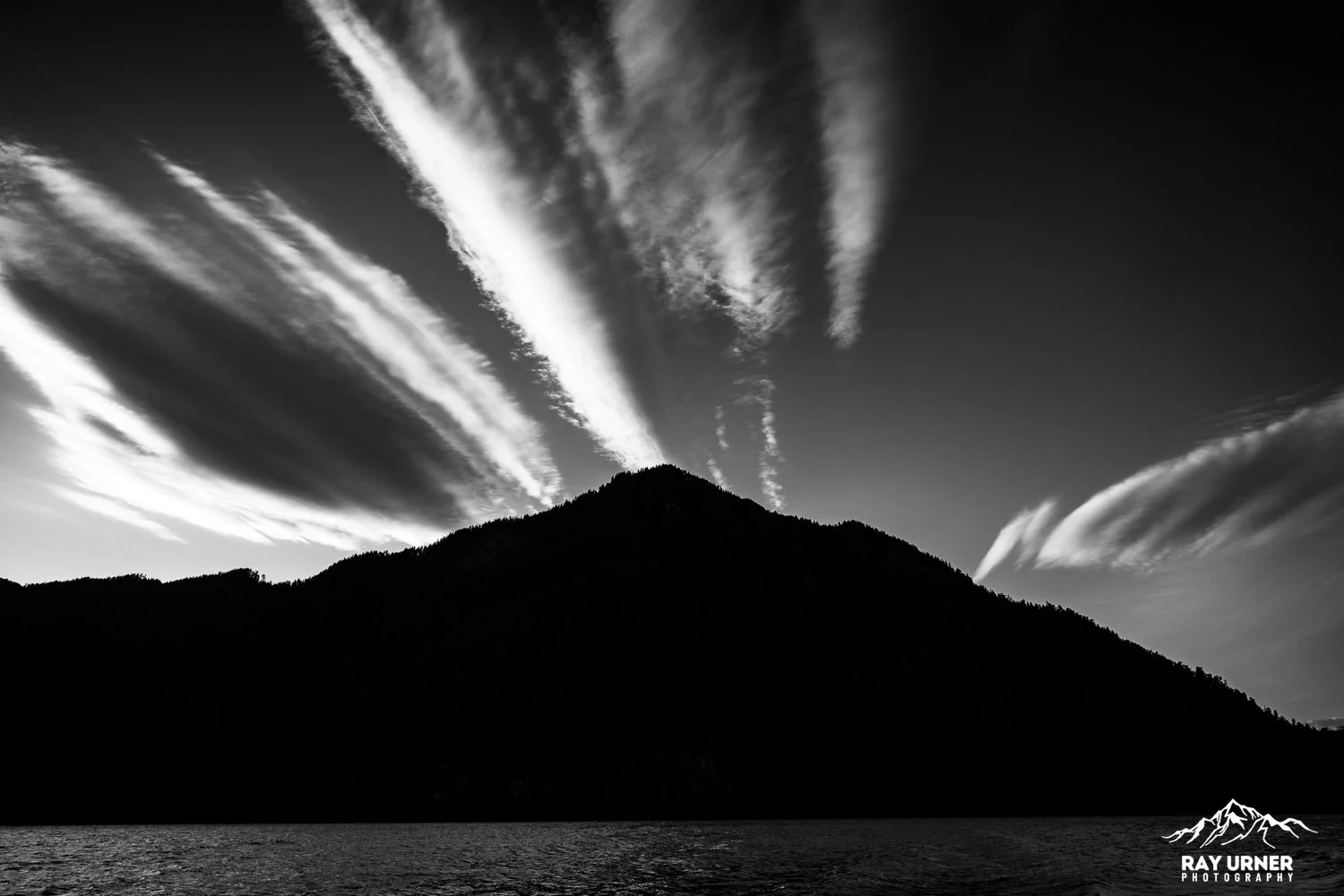
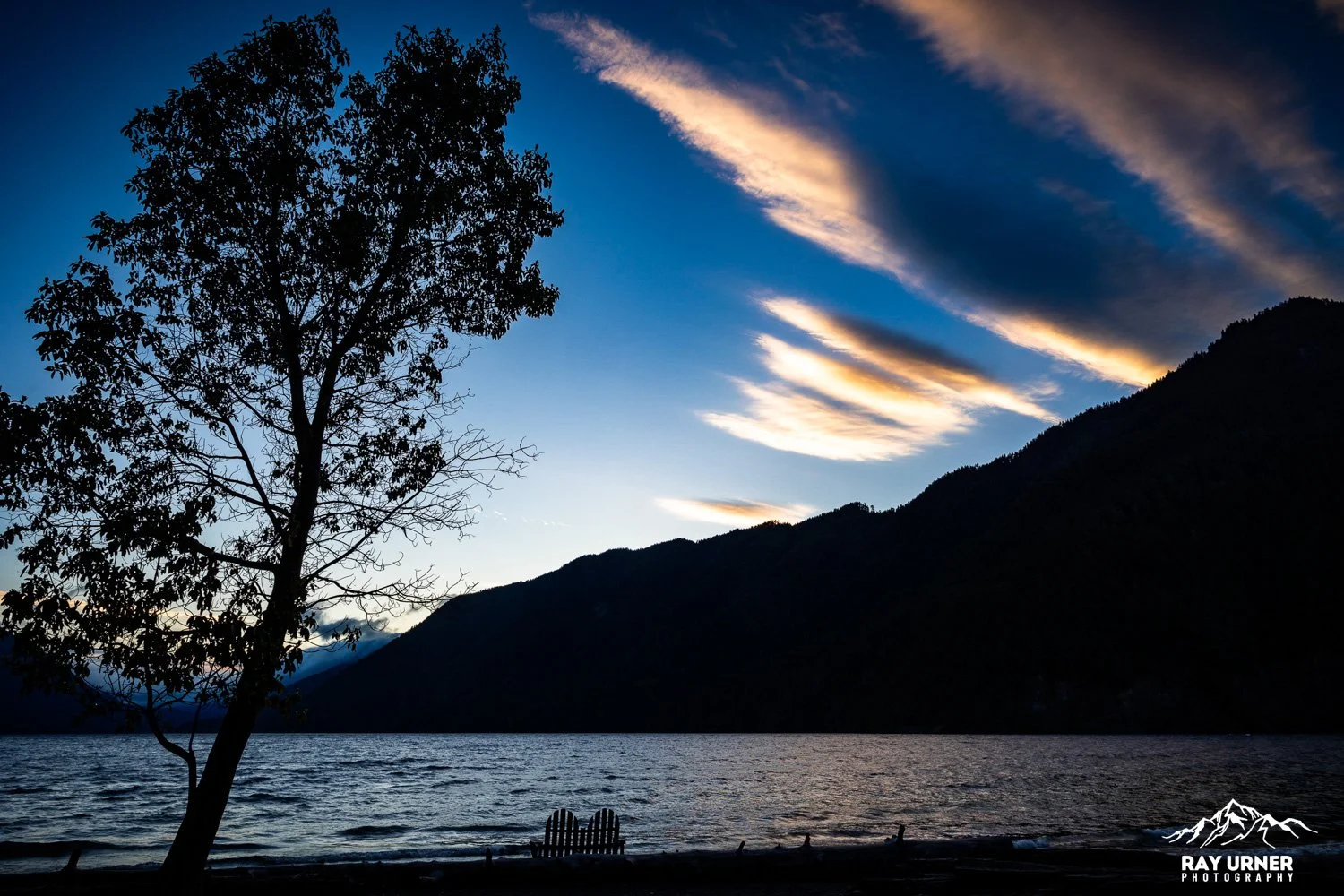
Photographing Lake Crescent at sunset is a sublime experience. In summer, the sun sets to the northwest, casting warm light across the lake’s surface and illuminating the surrounding peaks. From the lodge’s shoreline, you can capture the sun dipping behind the mountains, with the lake glowing in hues of gold, pink, and lavender
Tips for Sunset Photography:
· Arrive Early: Scout your composition and secure a spot before the light show begins.
· Use a Tripod: For longer exposures and to capture subtle reflections.
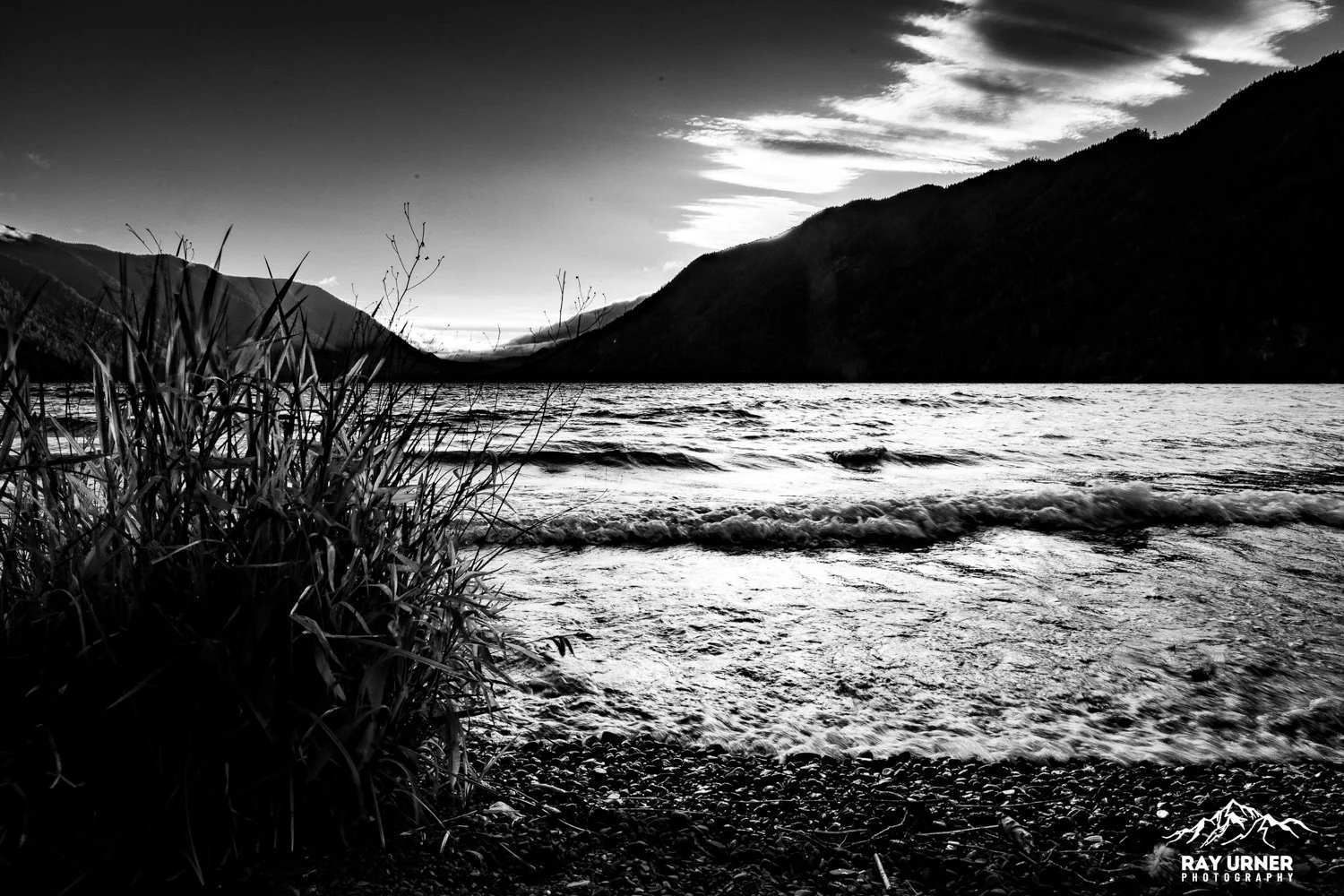
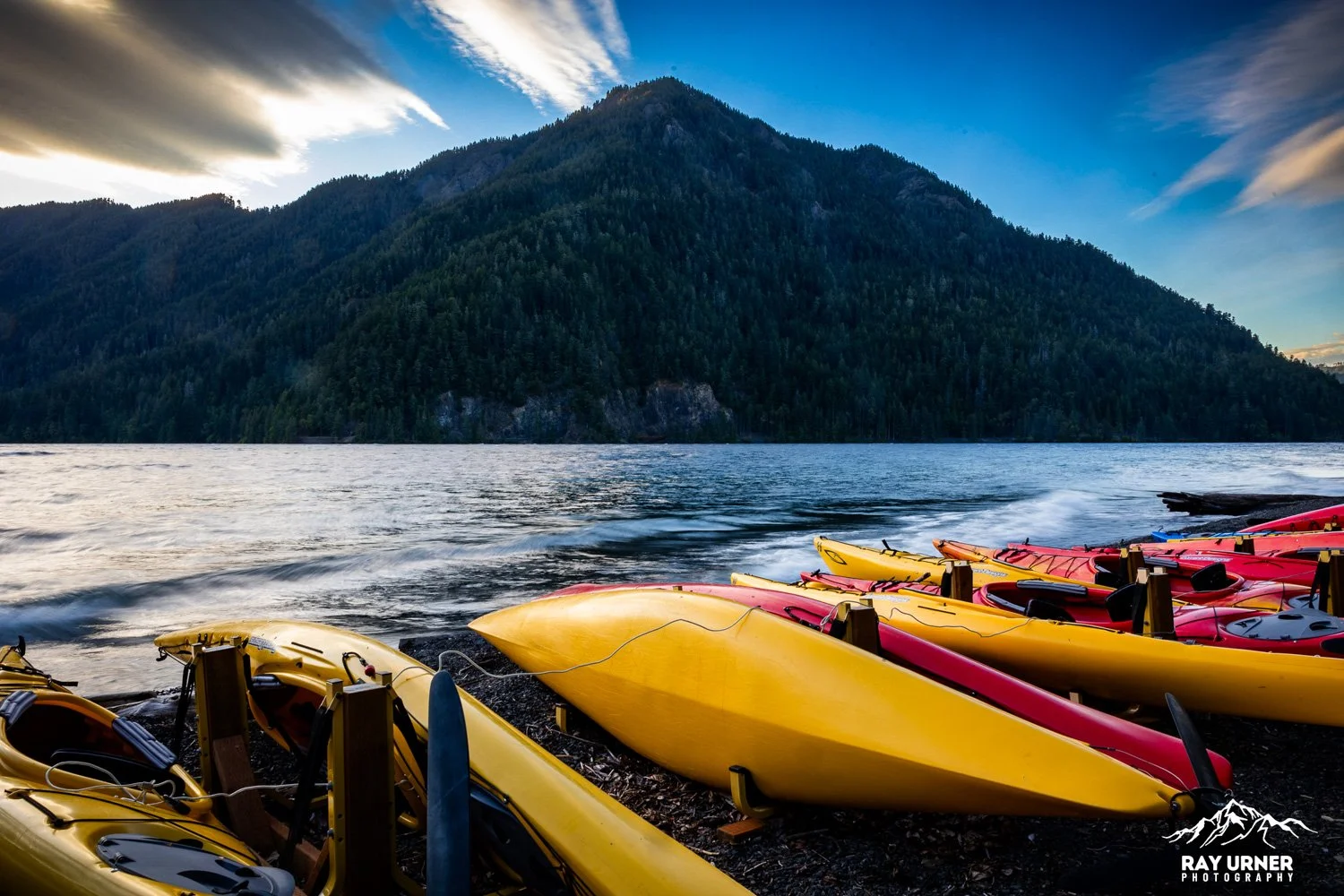
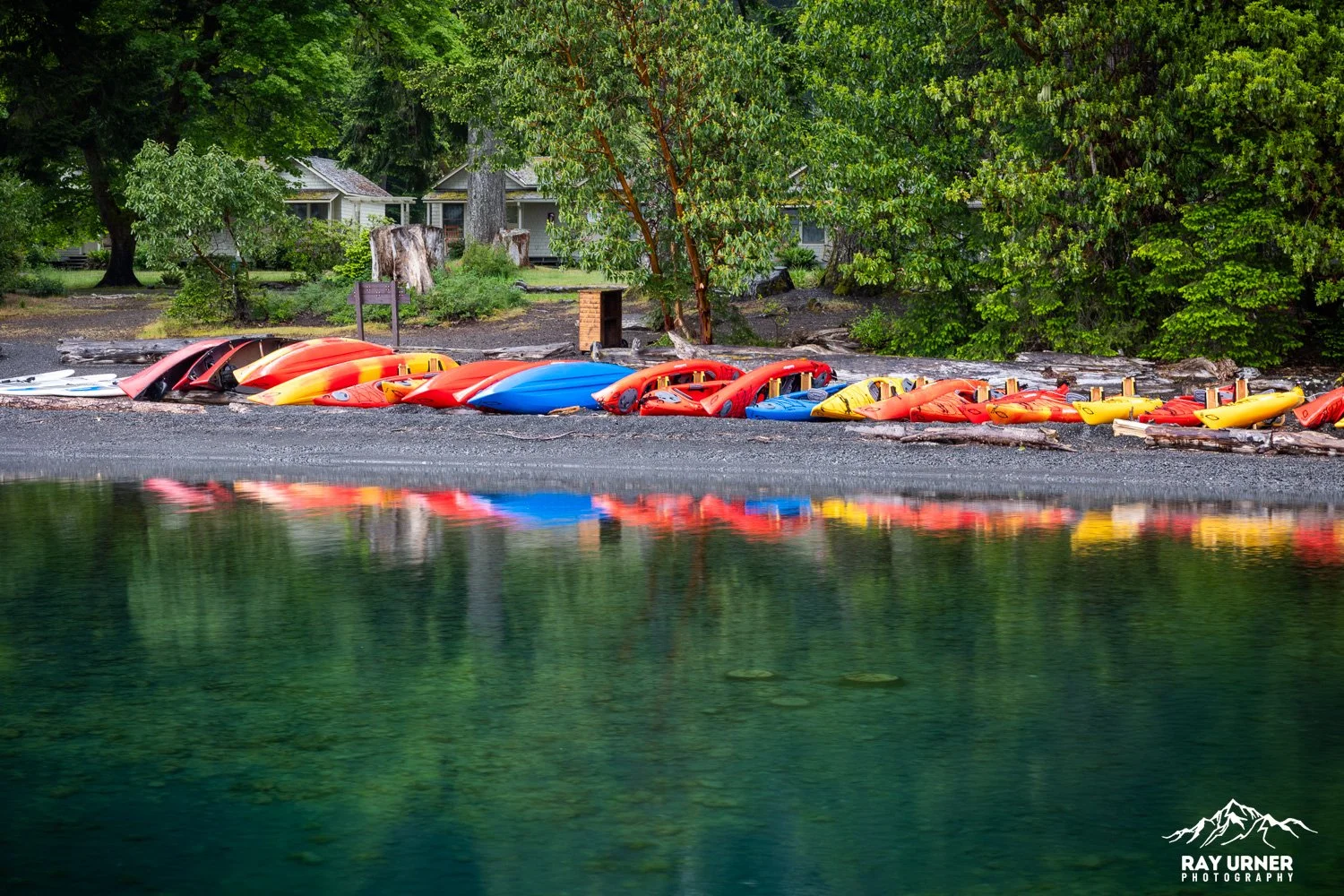
· Foreground Interest: Include rocks, driftwood, or the lodge’s iconic chairs to add depth.
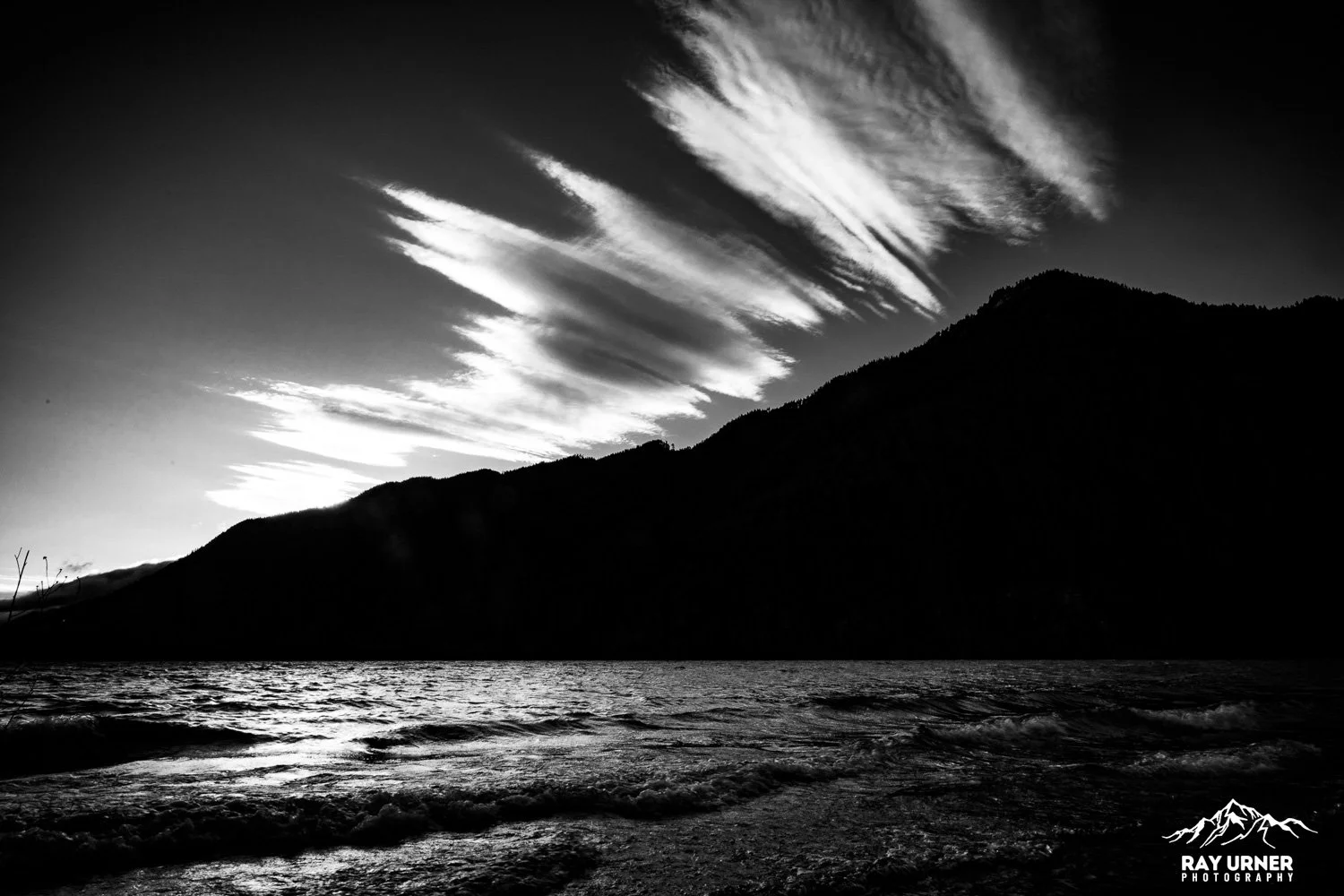
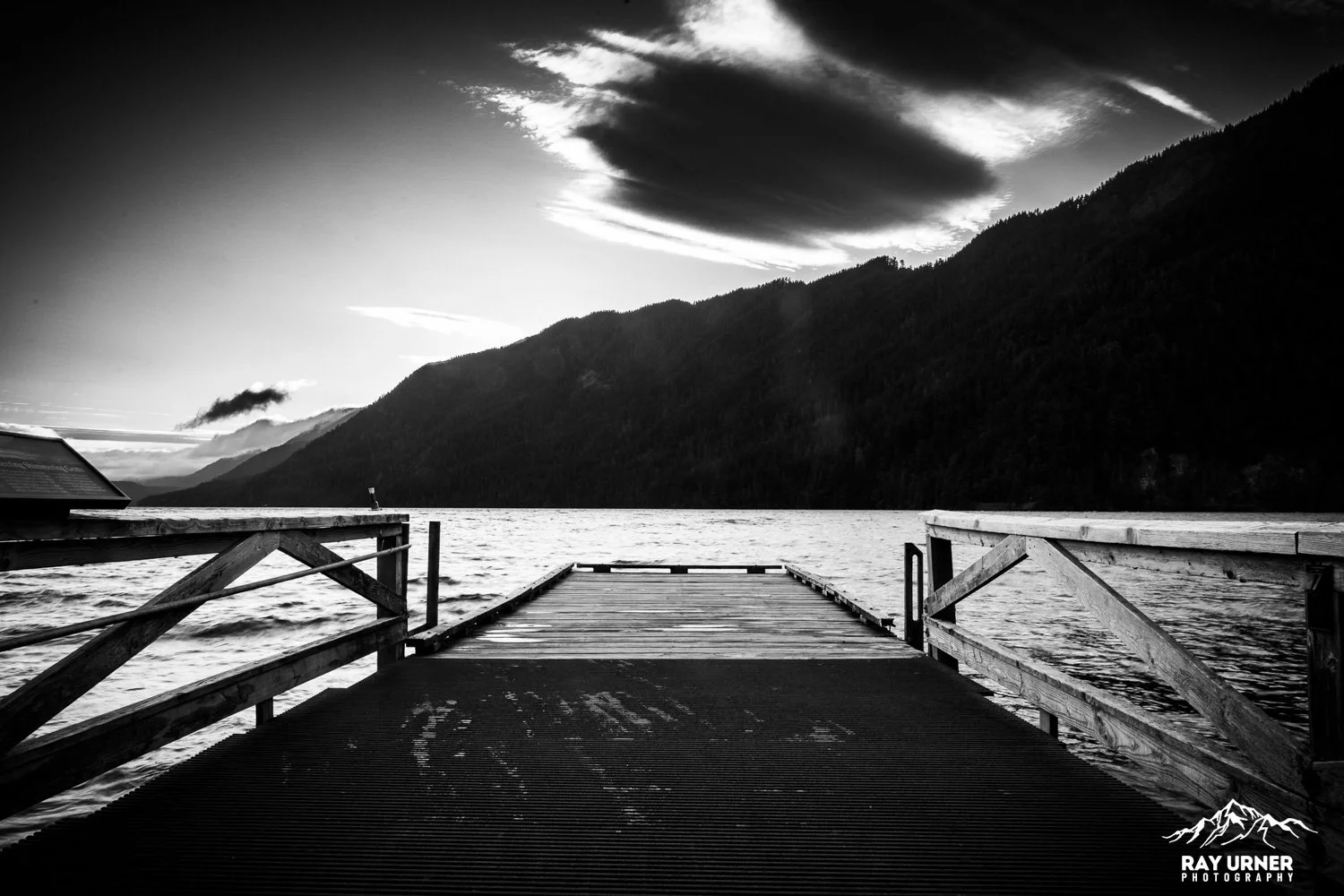
· Watch the Sky: A few scattered clouds can catch the light and create dramatic reflections.
Rainy Day Magic: Embracing the Mist
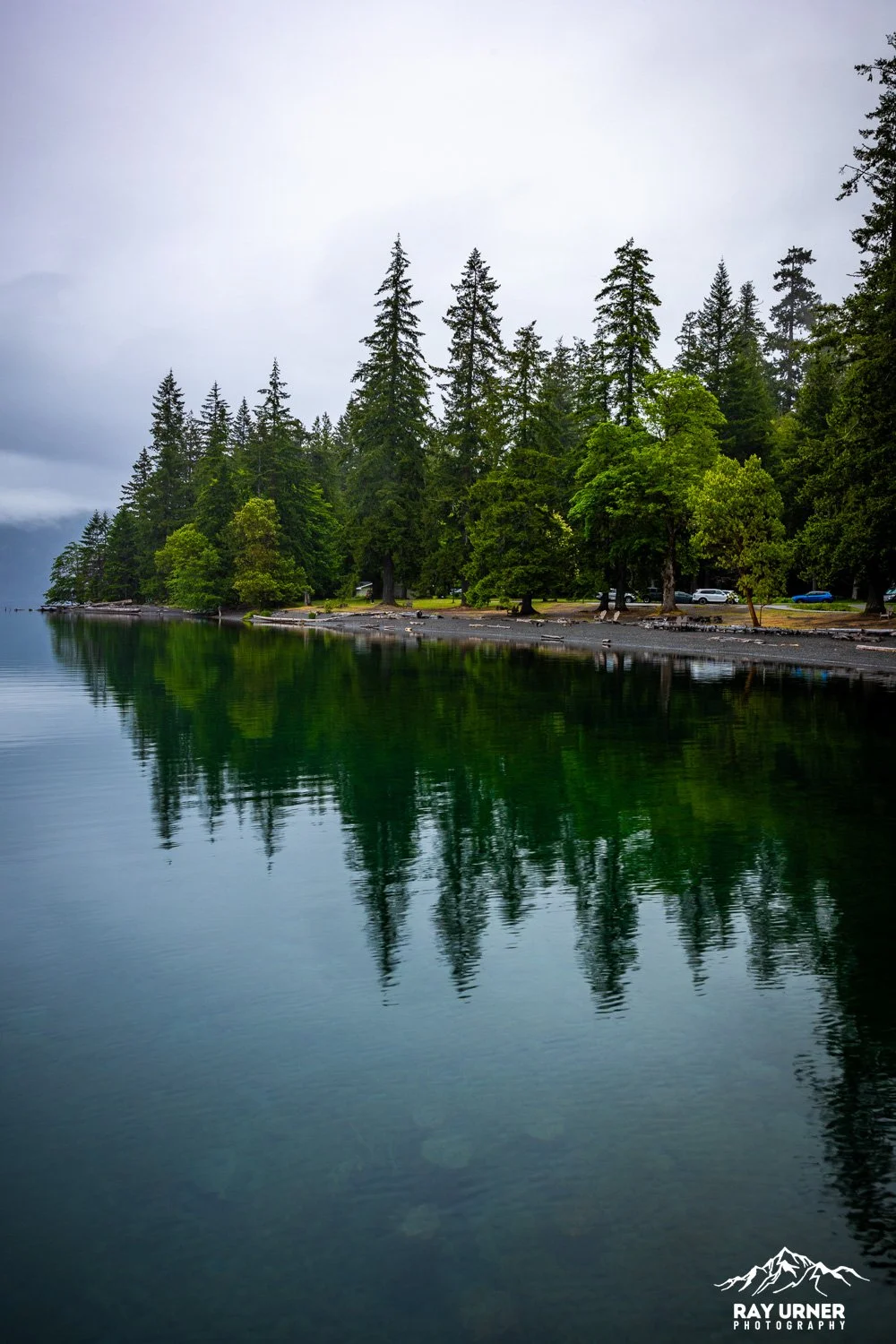
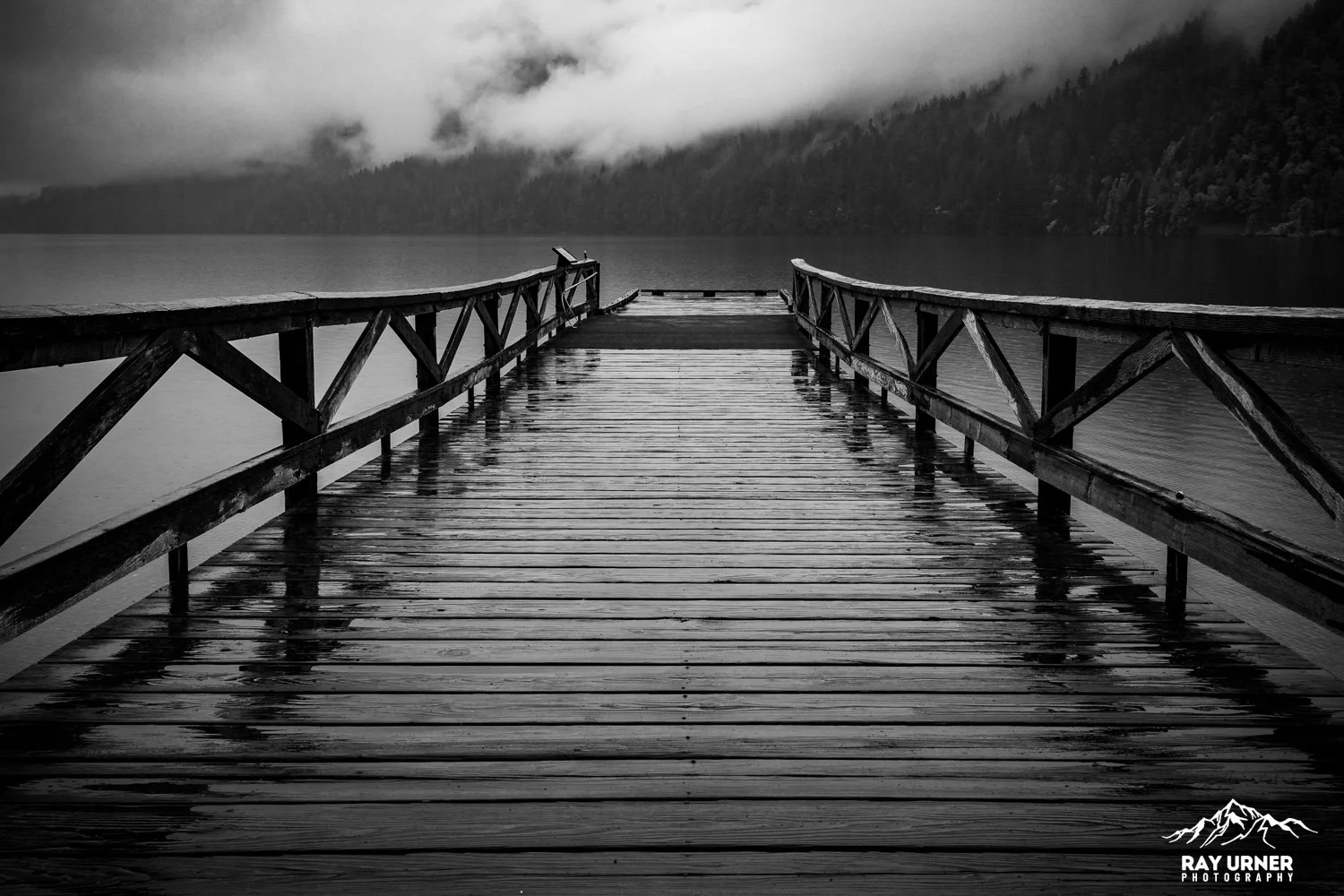
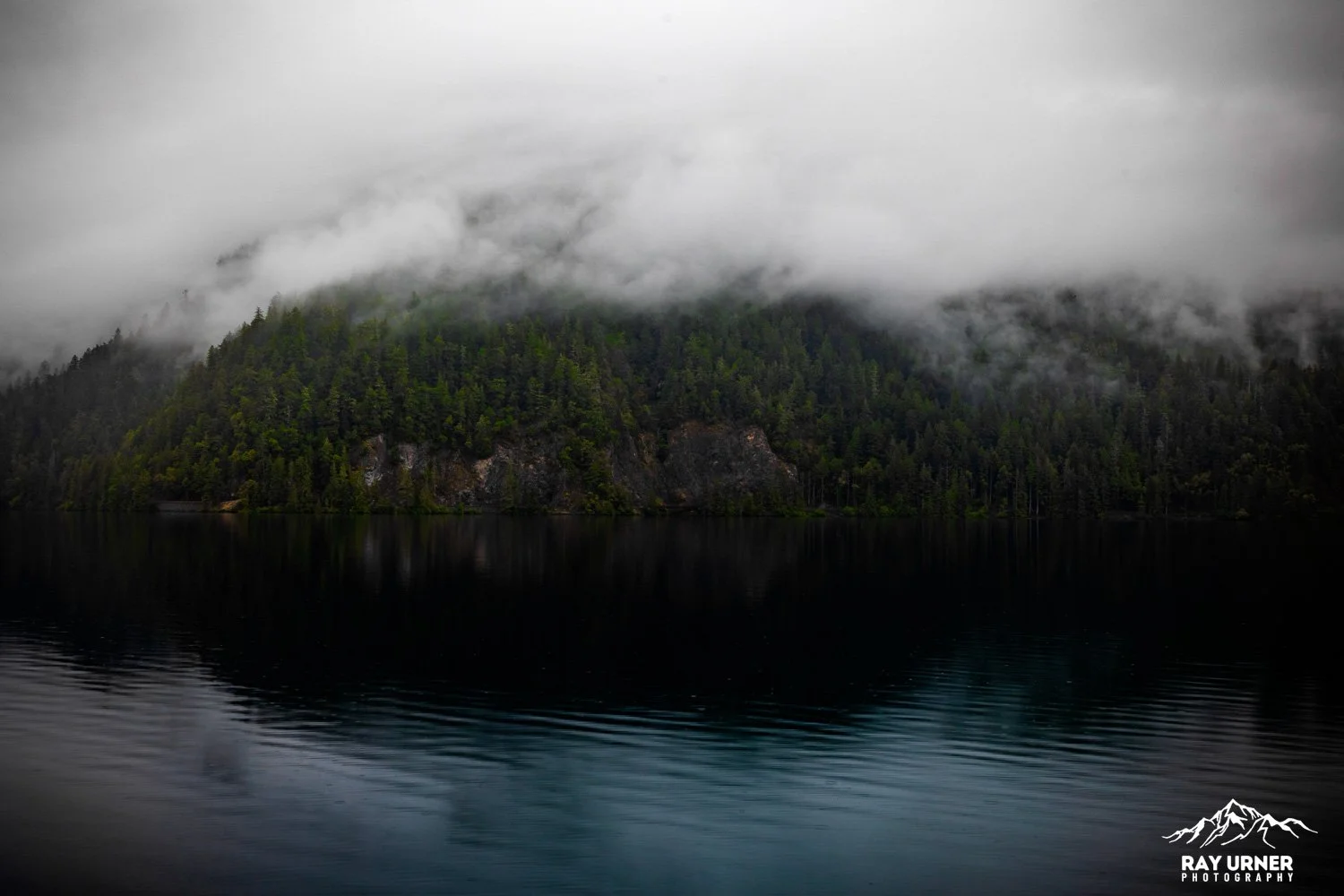
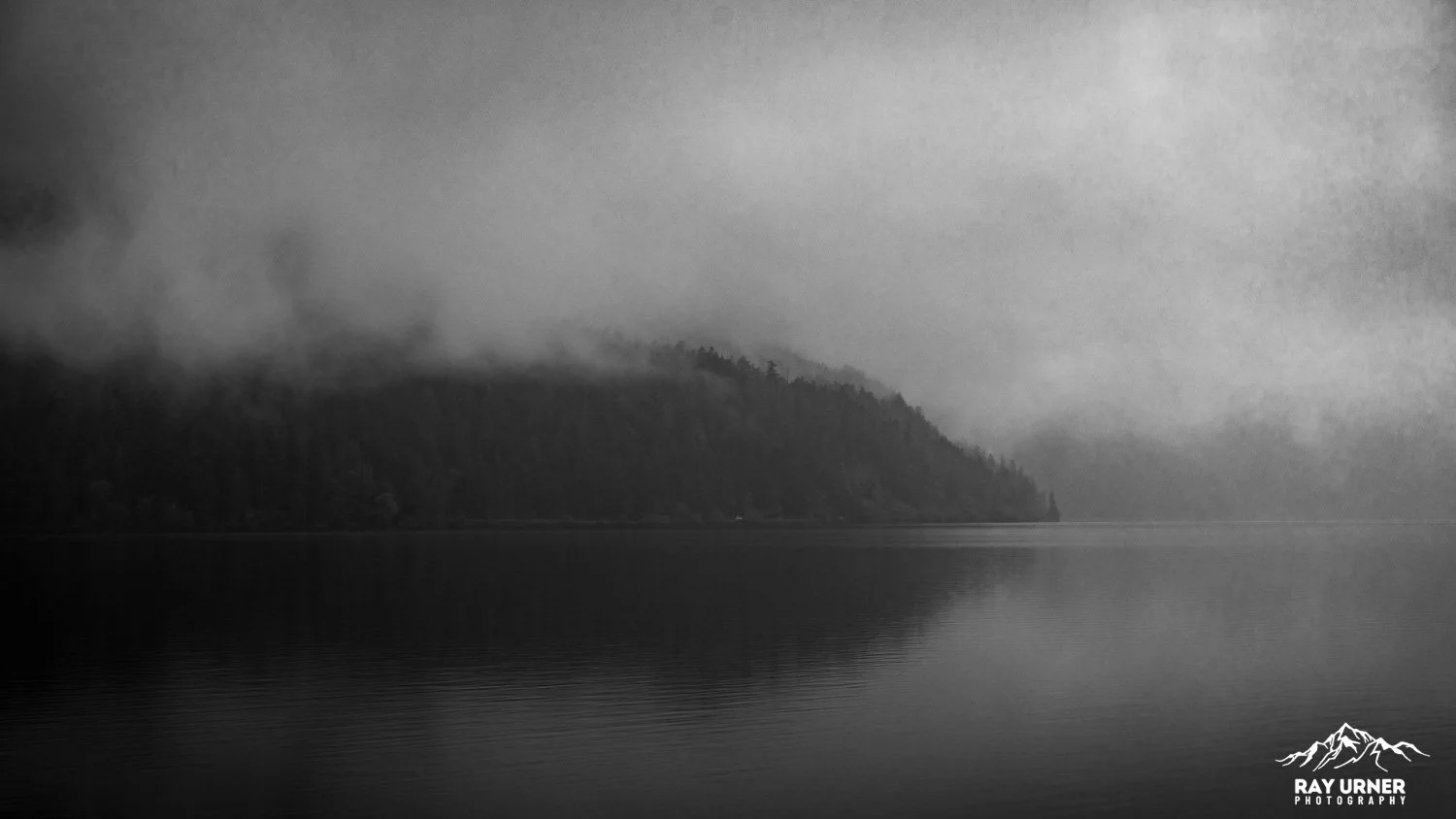
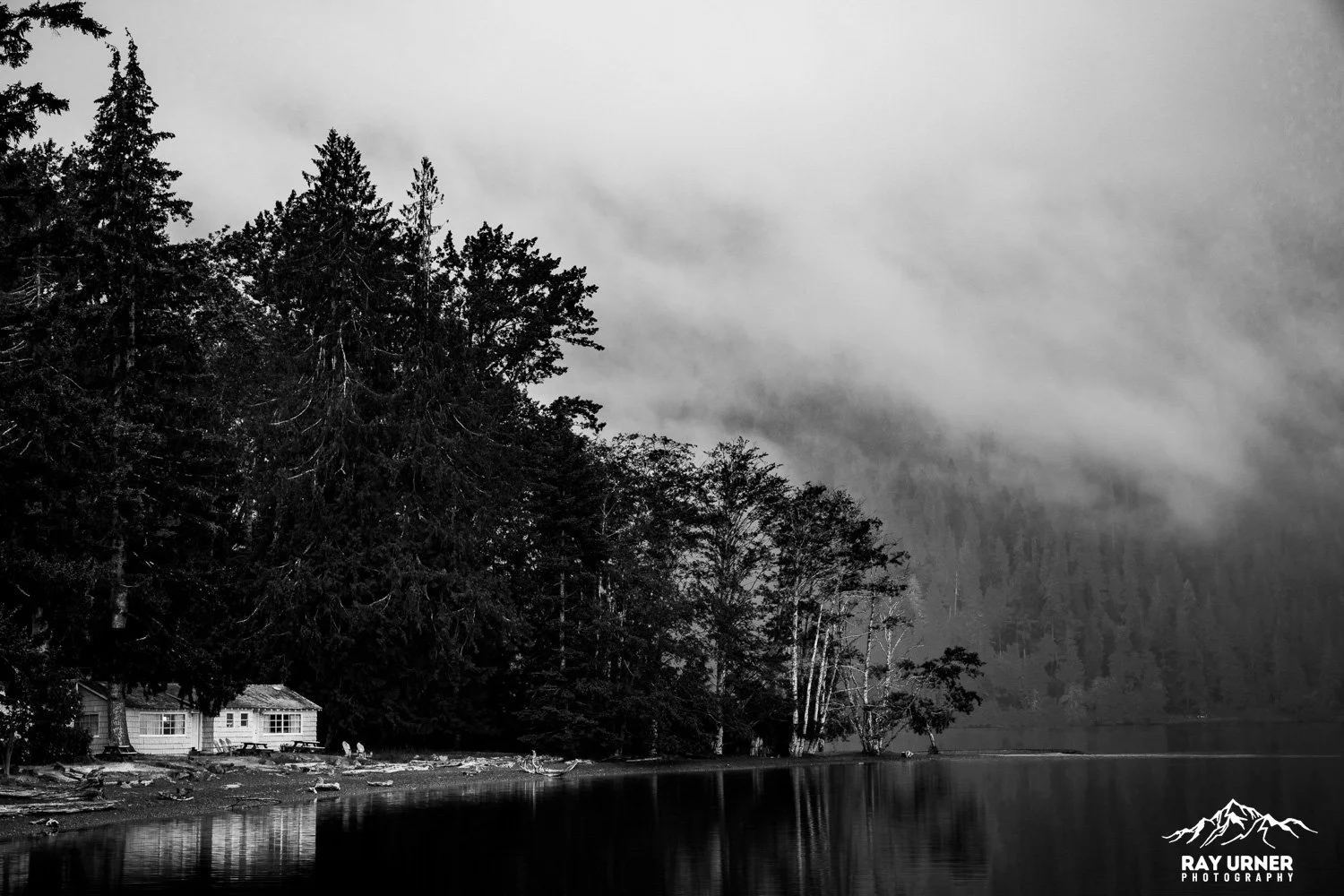
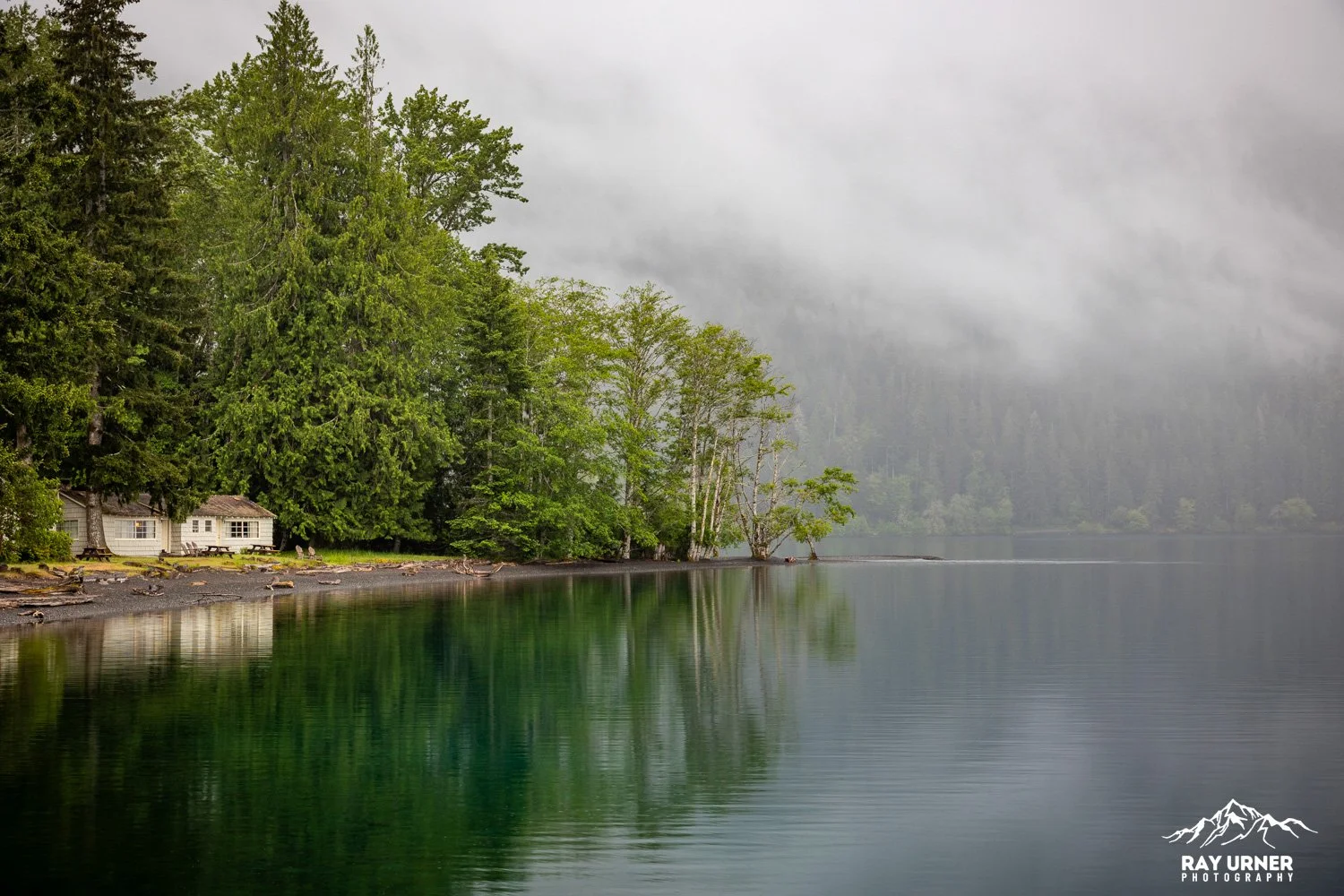
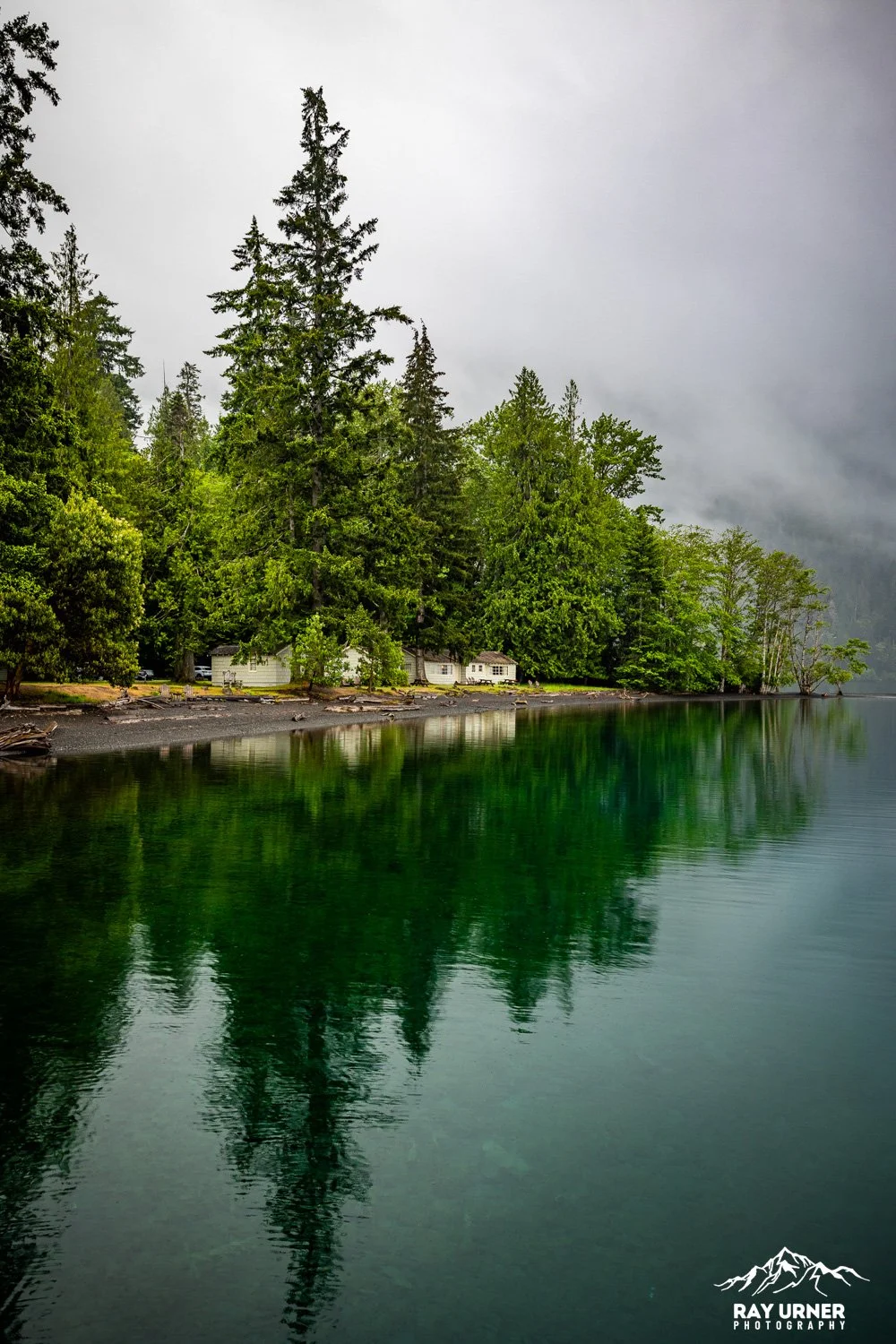
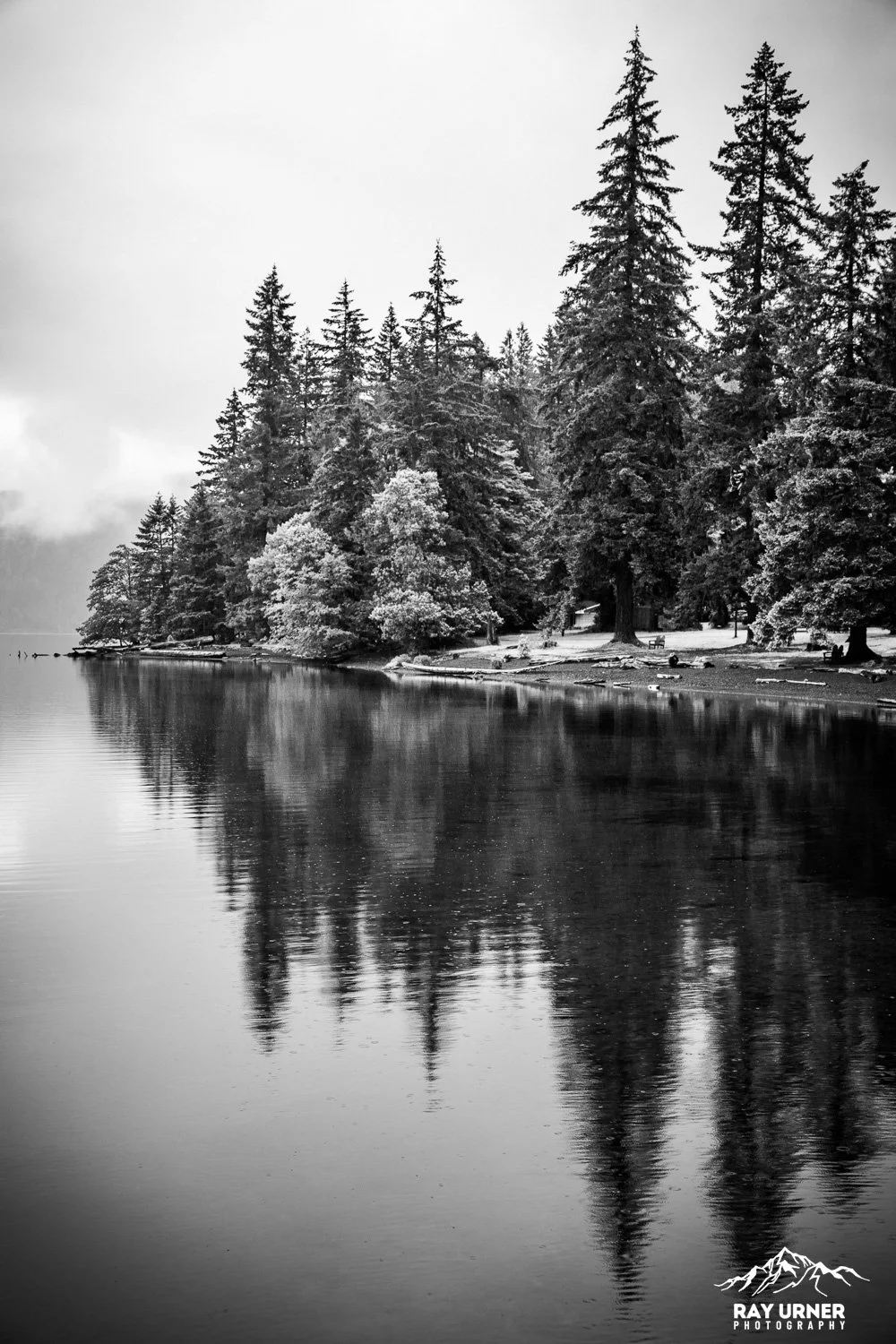
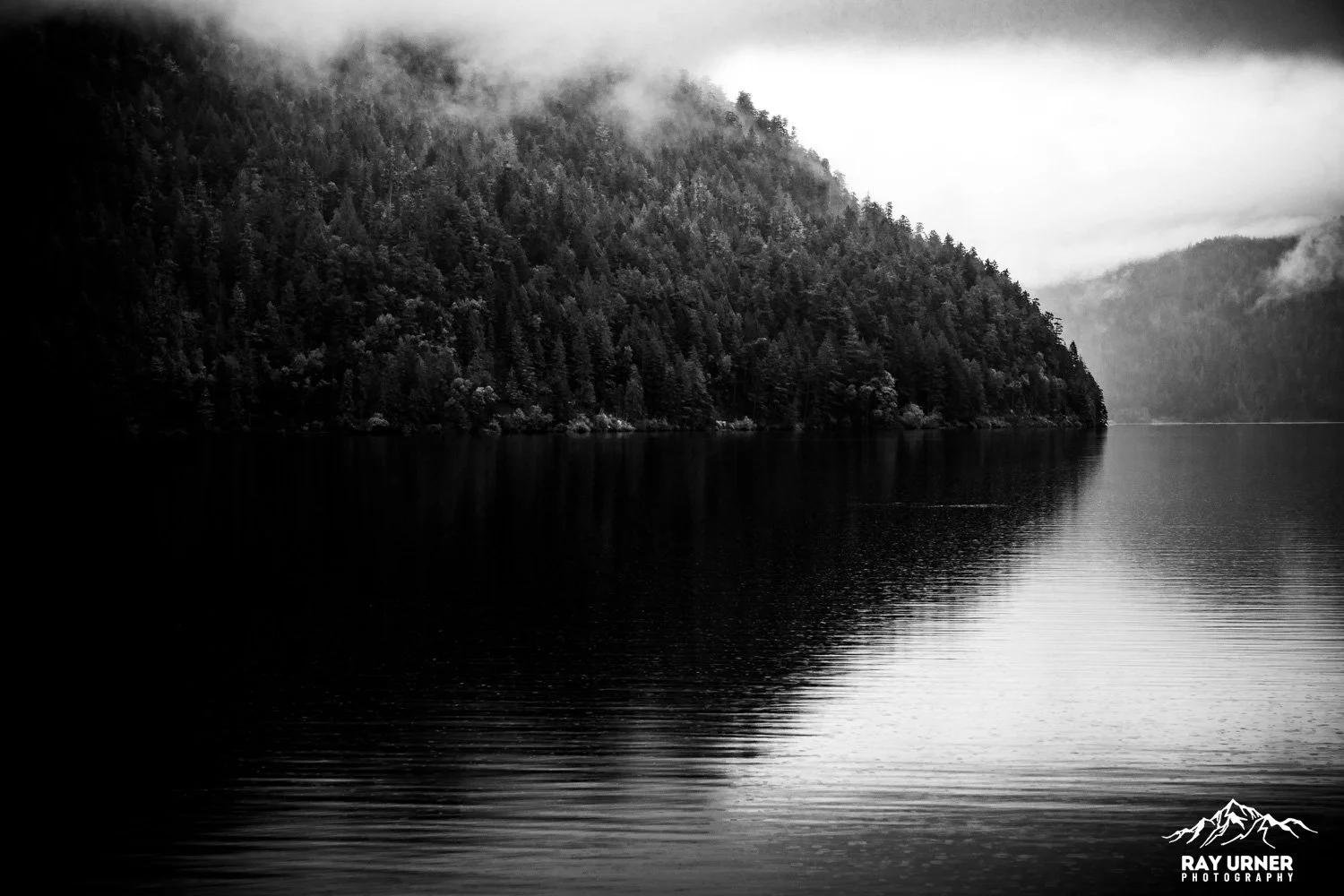
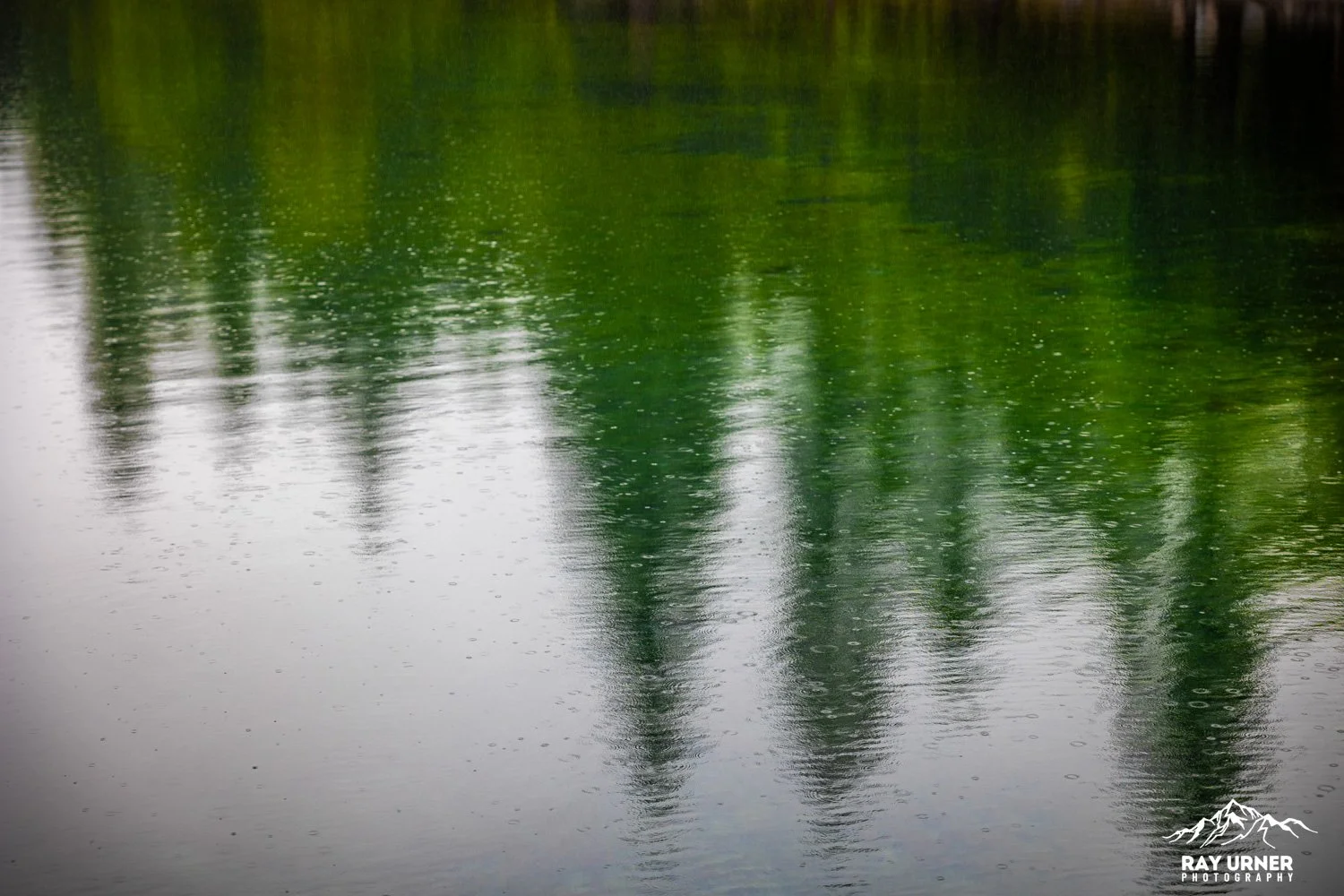
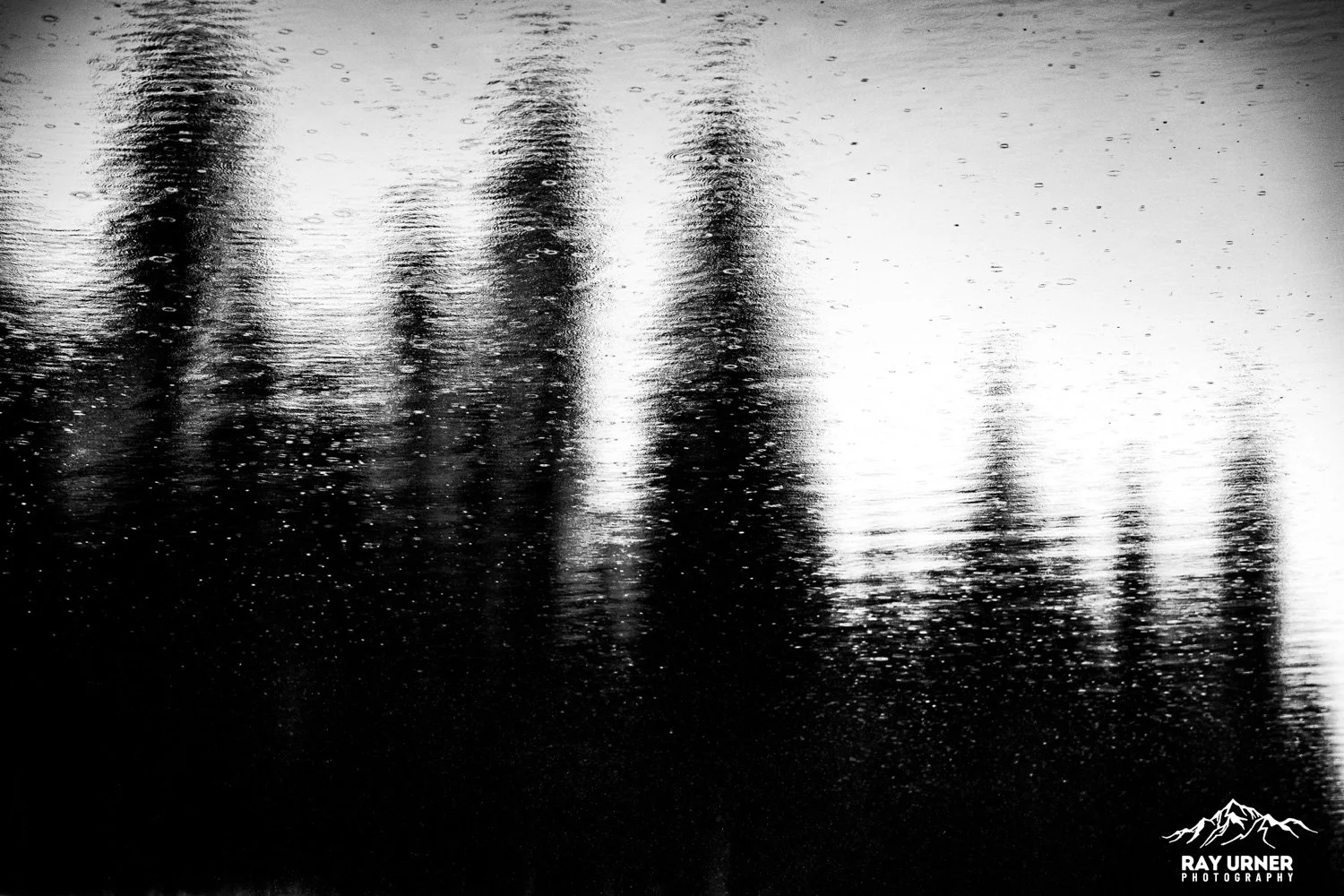
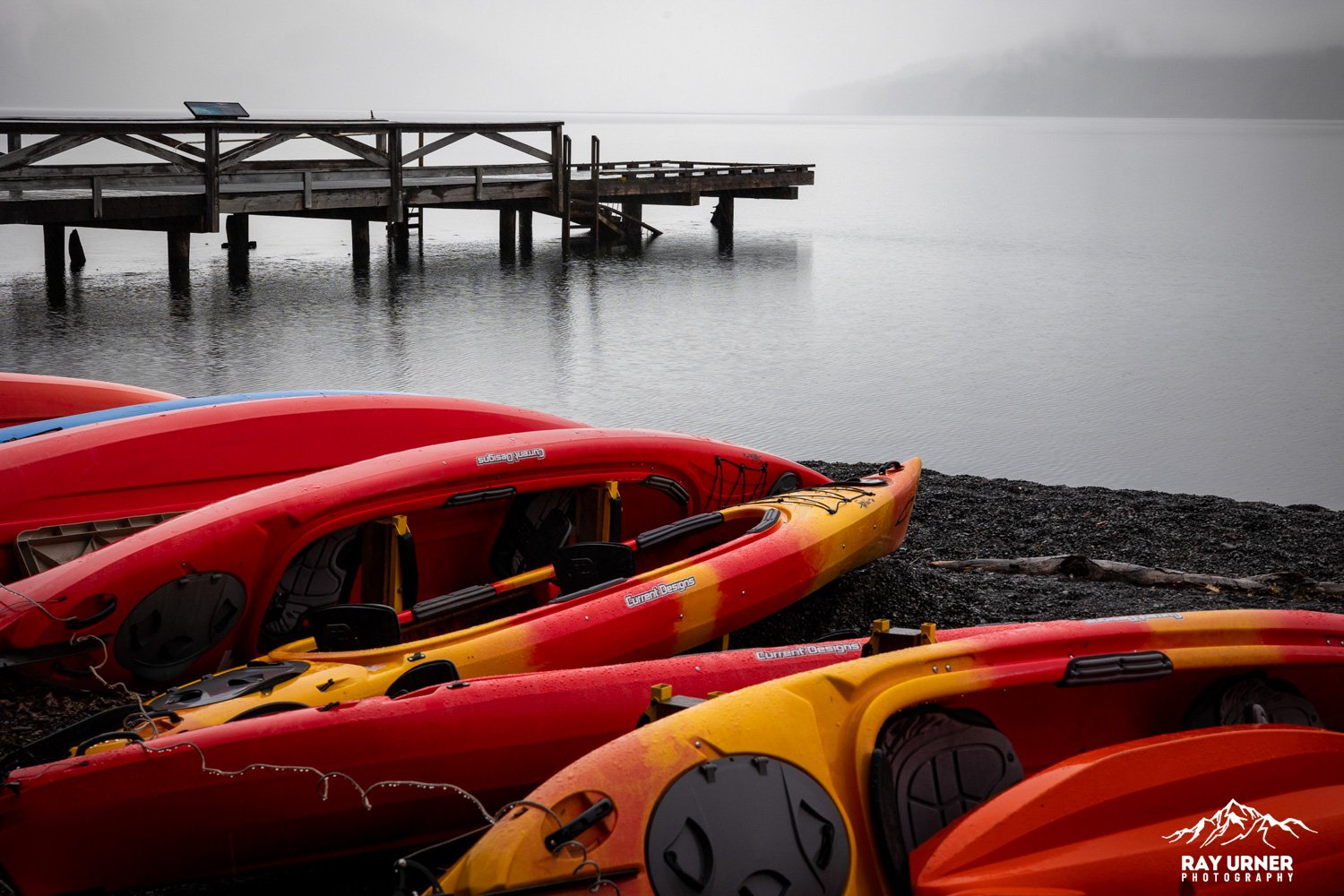
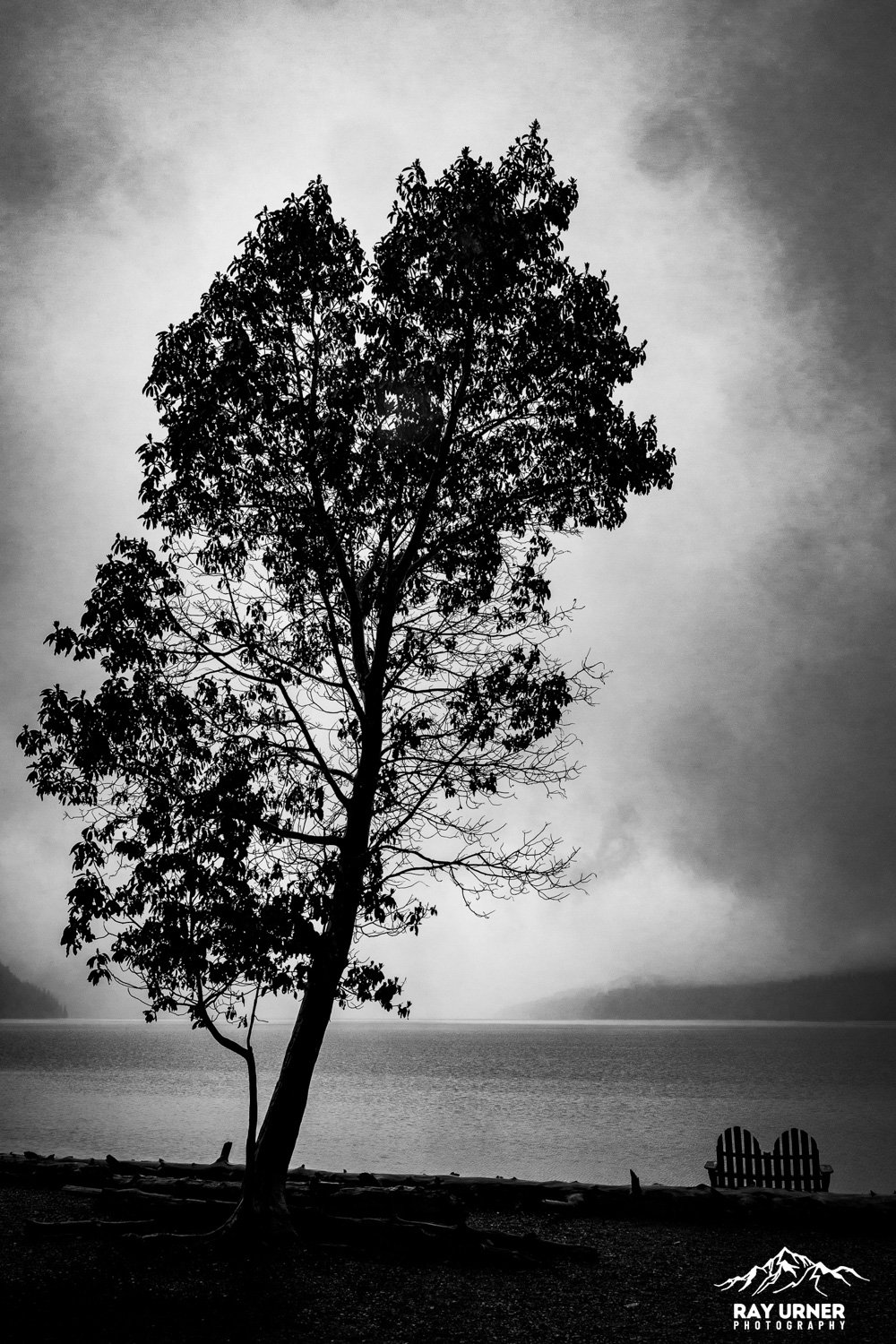
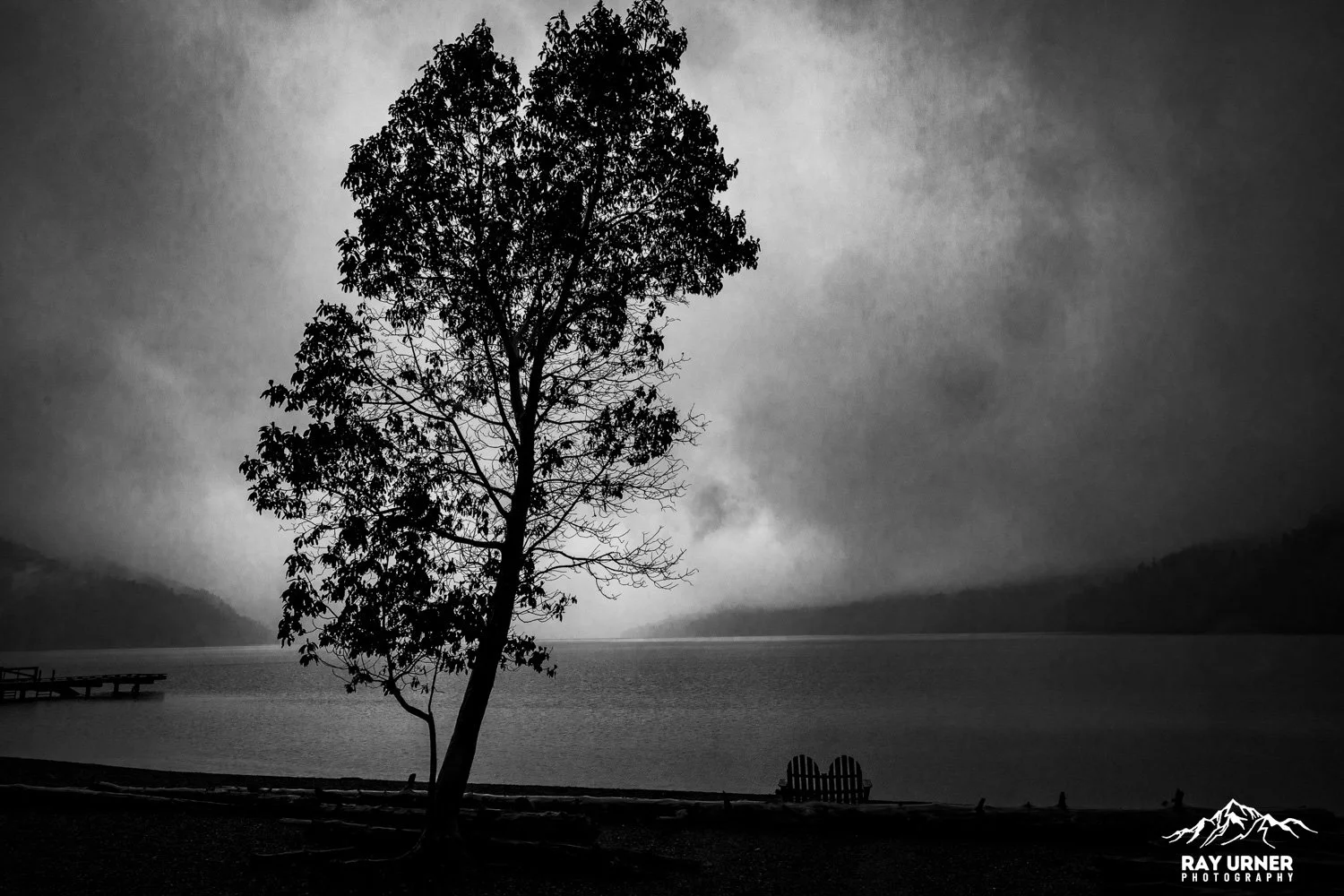
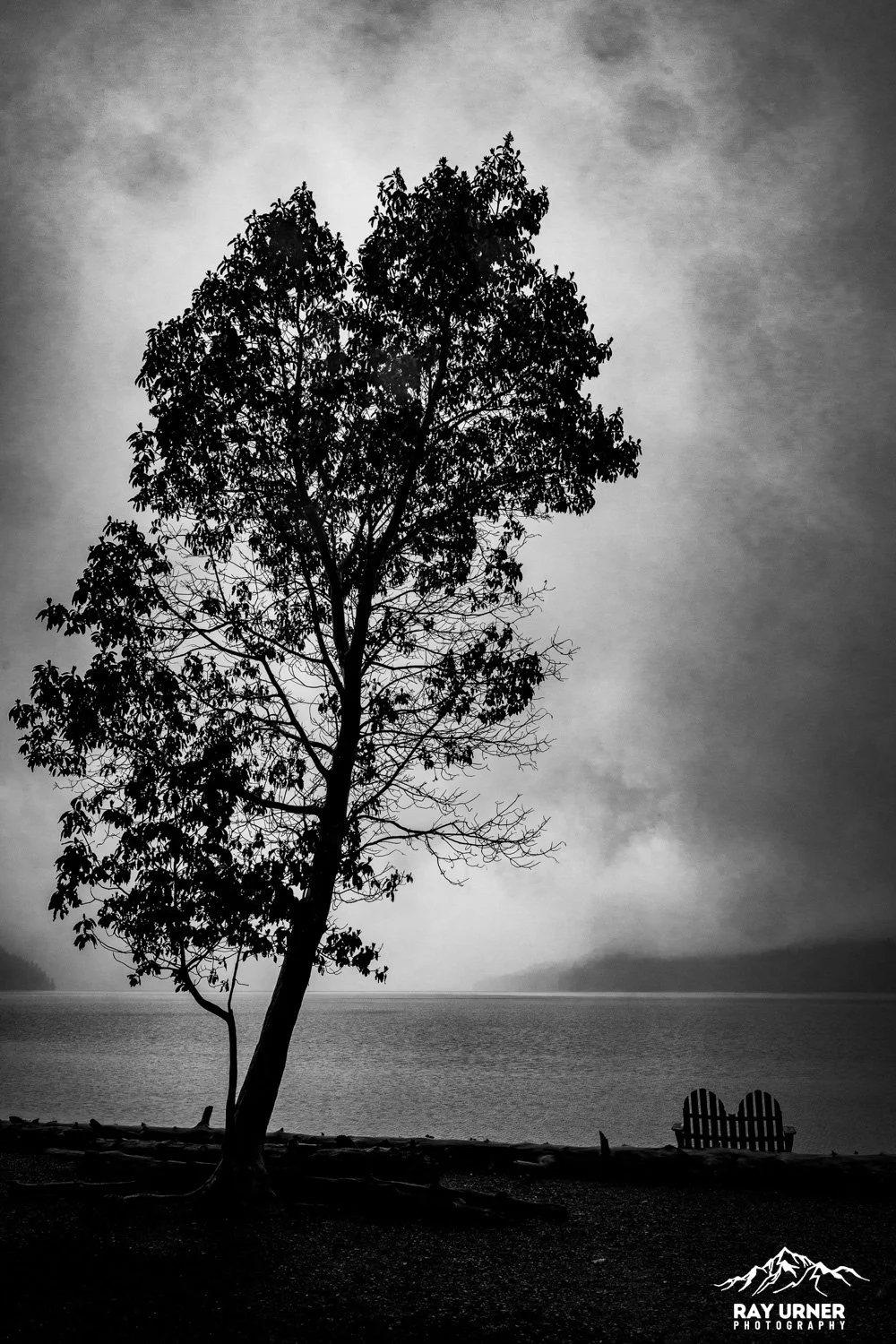
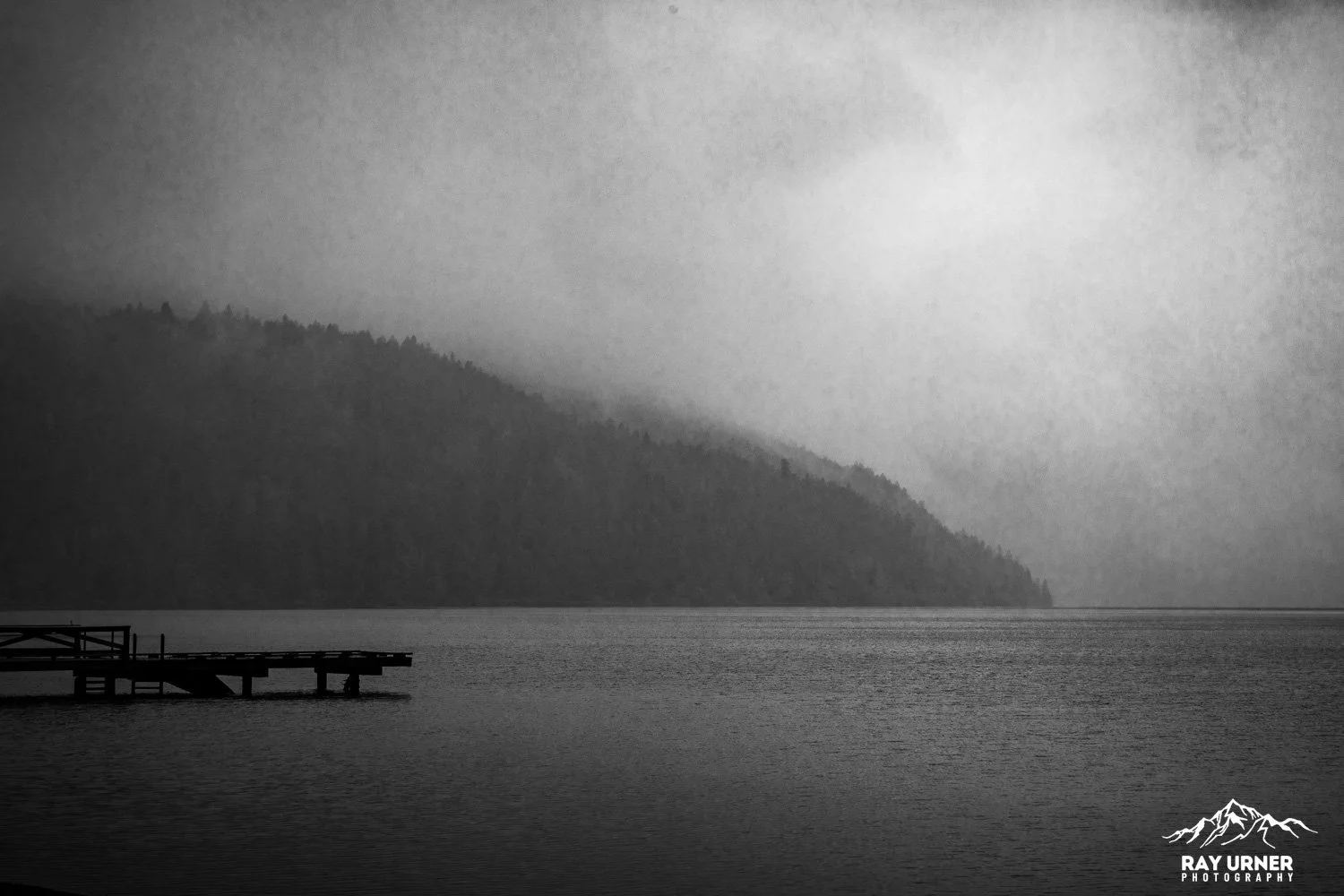
Don’t pack away your camera when the rain rolls in—Lake Crescent is arguably even more photogenic in the mist. Low-hanging clouds cling to the hillsides, and the lake takes on a moody, ethereal quality. Raindrops ripple across the surface, and the surrounding forest glows with saturated greens.
Tips for Rain Photography:
· Protect Your Gear: Use a rain cover or umbrella, and bring a microfiber cloth to wipe your lens.
· Shoot in Soft Light: Overcast skies eliminate harsh shadows, ideal for capturing subtle textures and reflections.
· Look for Layers: Fog and mist create natural depth, especially when shooting across the lake toward the mountains.
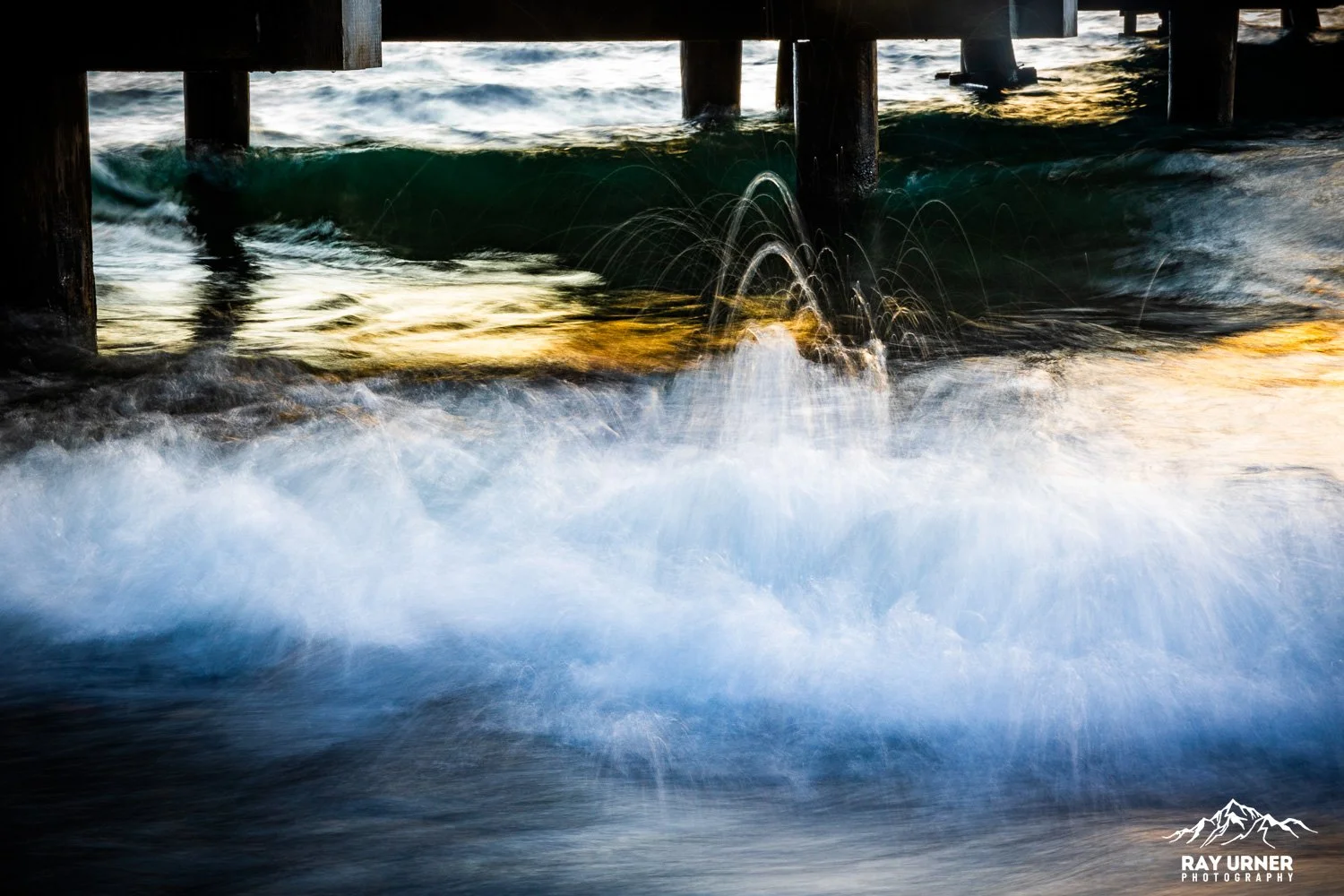
· Go Abstract: Focus on reflections, raindrops, or the interplay of water and wood for artistic compositions.
Flora, Fauna, and Forest Frames
The area around the lodge is rich with photographic opportunities beyond the lake. Trails like the one to Marymere Falls wind through old-growth forests of Douglas fir, western hemlock, and moss-draped maples. In spring and summer, wildflowers bloom along the paths, and birds like kingfishers, warblers, and bald eagles make frequent appearances.
Use overhanging branches to frame your lake shots, or capture the contrast between the dark forest and the bright water. Early morning is best for wildlife photography, when the lake is calm and animals are most active.
Final Thoughts: A Photographer’s Retreat
Whether bathed in golden light or shrouded in mist, Lake Crescent offers a wealth of photographic inspiration. From the comfort of Lake Crescent Lodge, you can witness the lake’s many moods—each one a unique opportunity to capture the soul of the Pacific Northwest. (And don’t forget to grab a beer from the lodge when you’re done shooting!)