
Marymere Falls
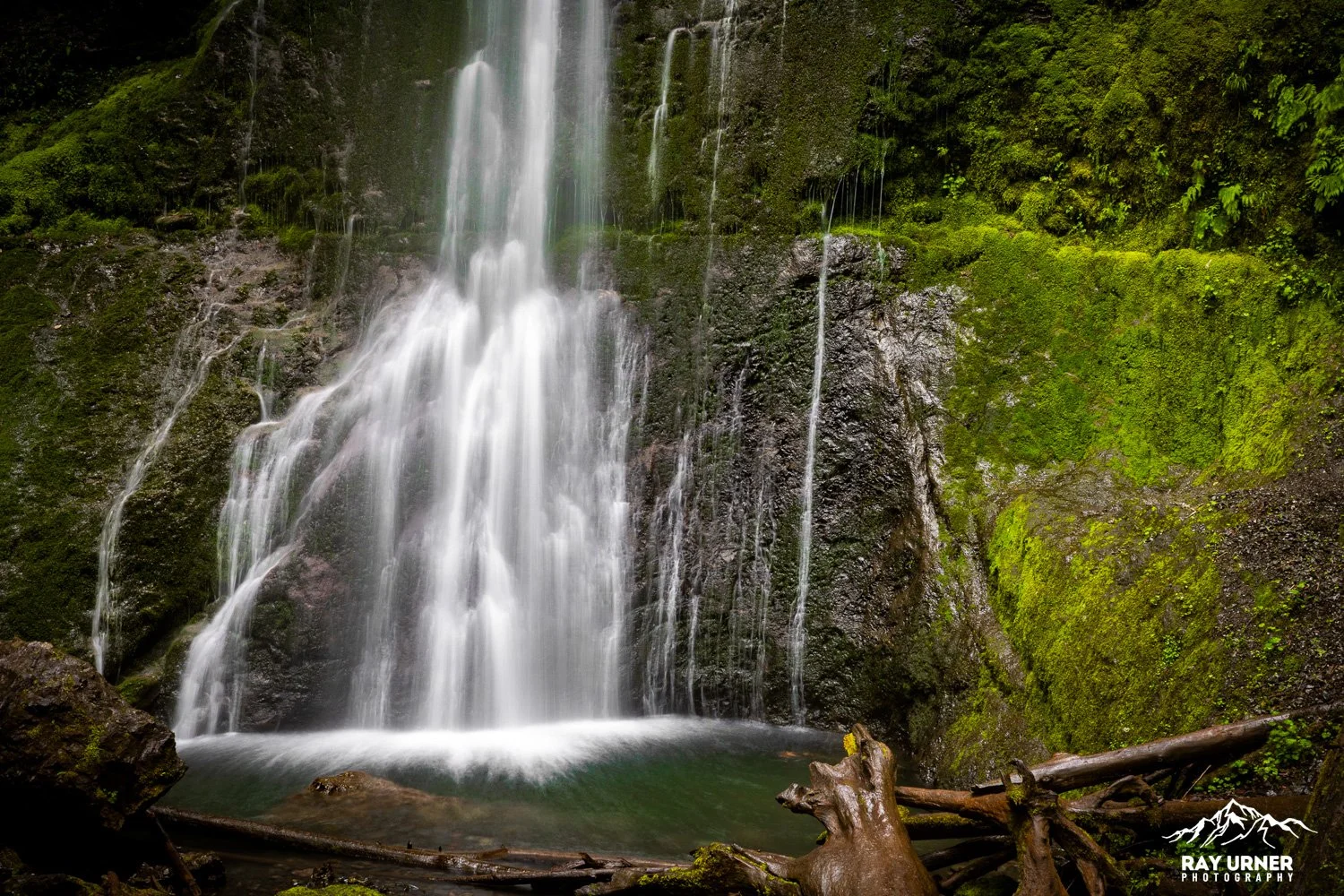
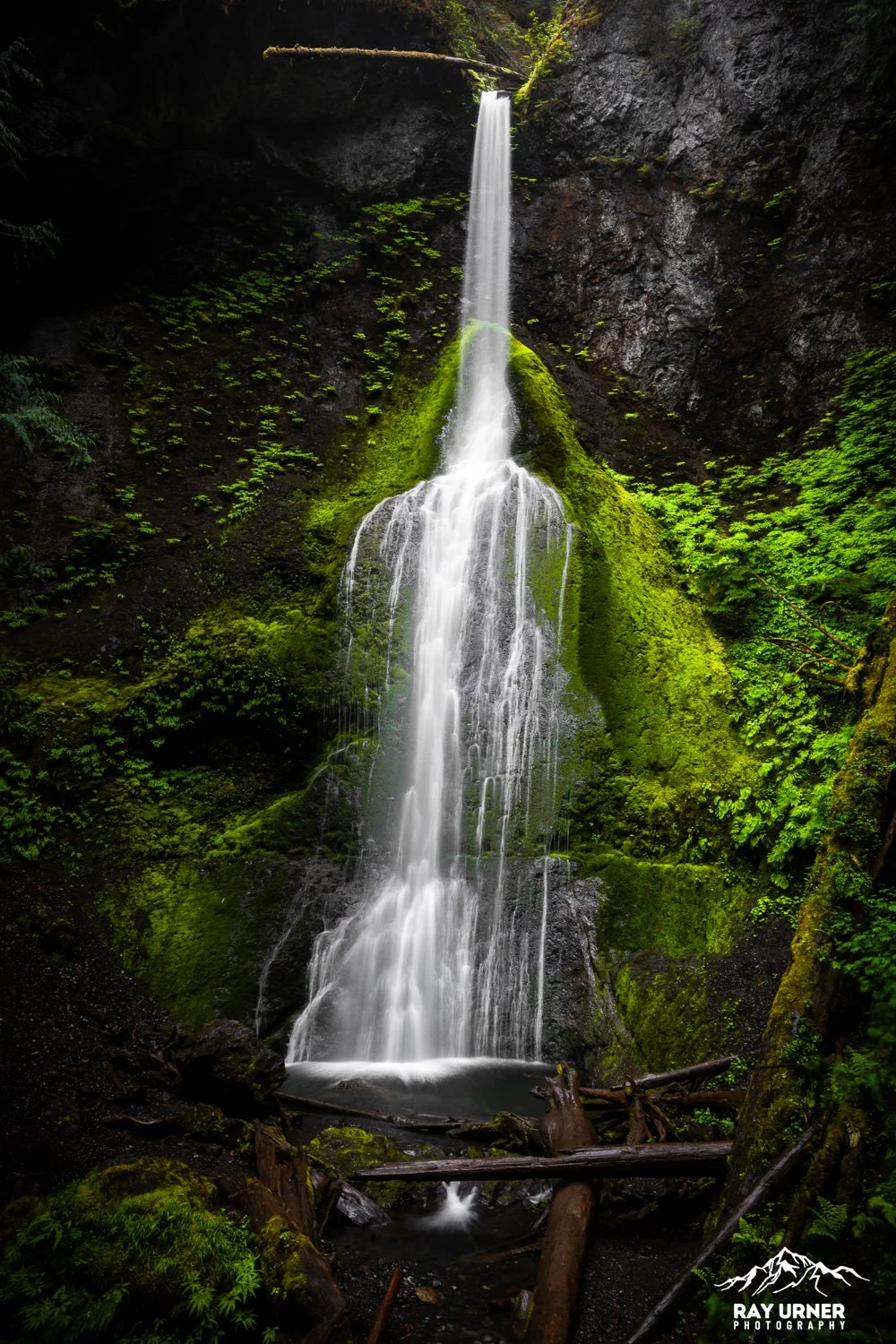
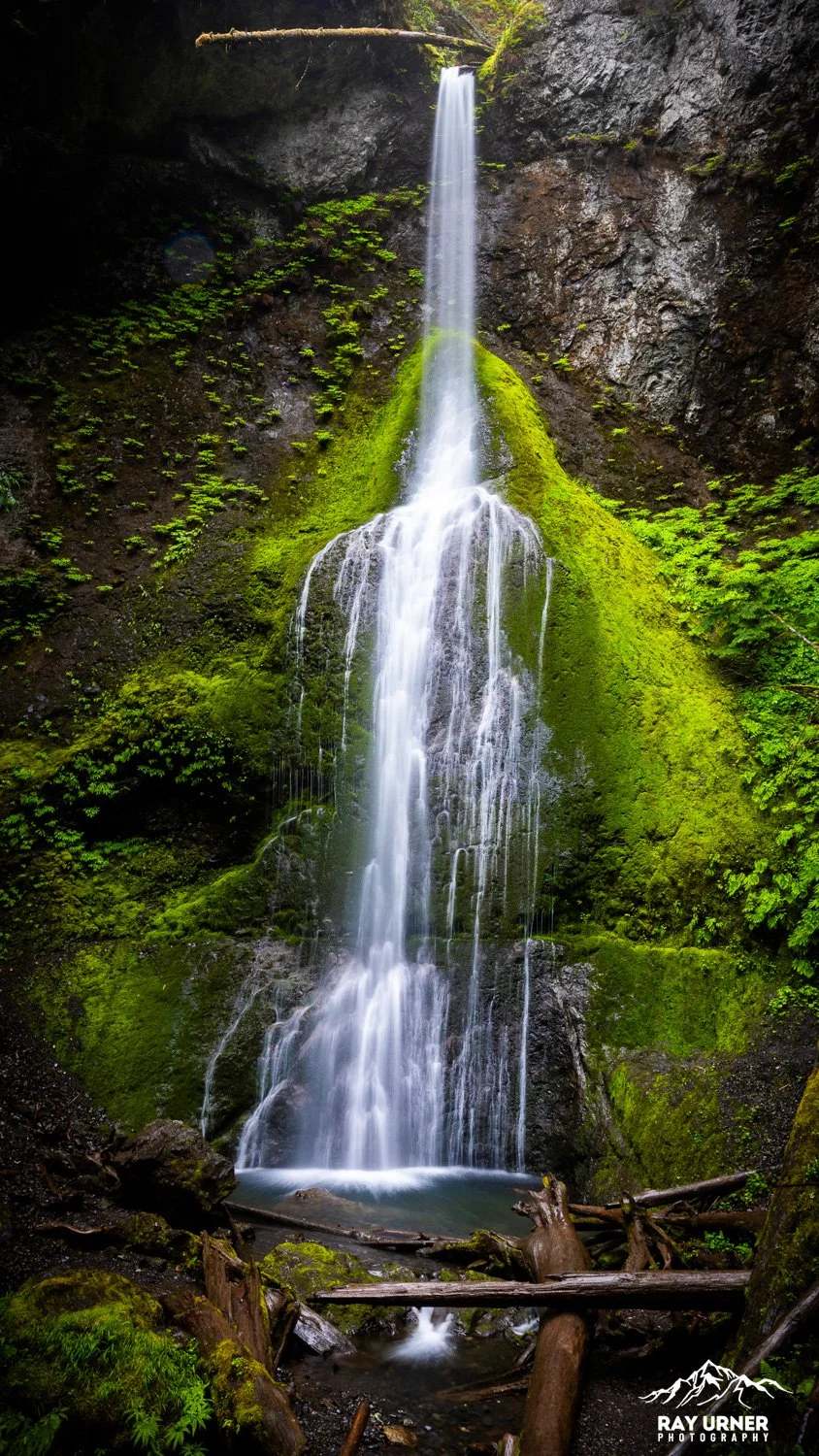
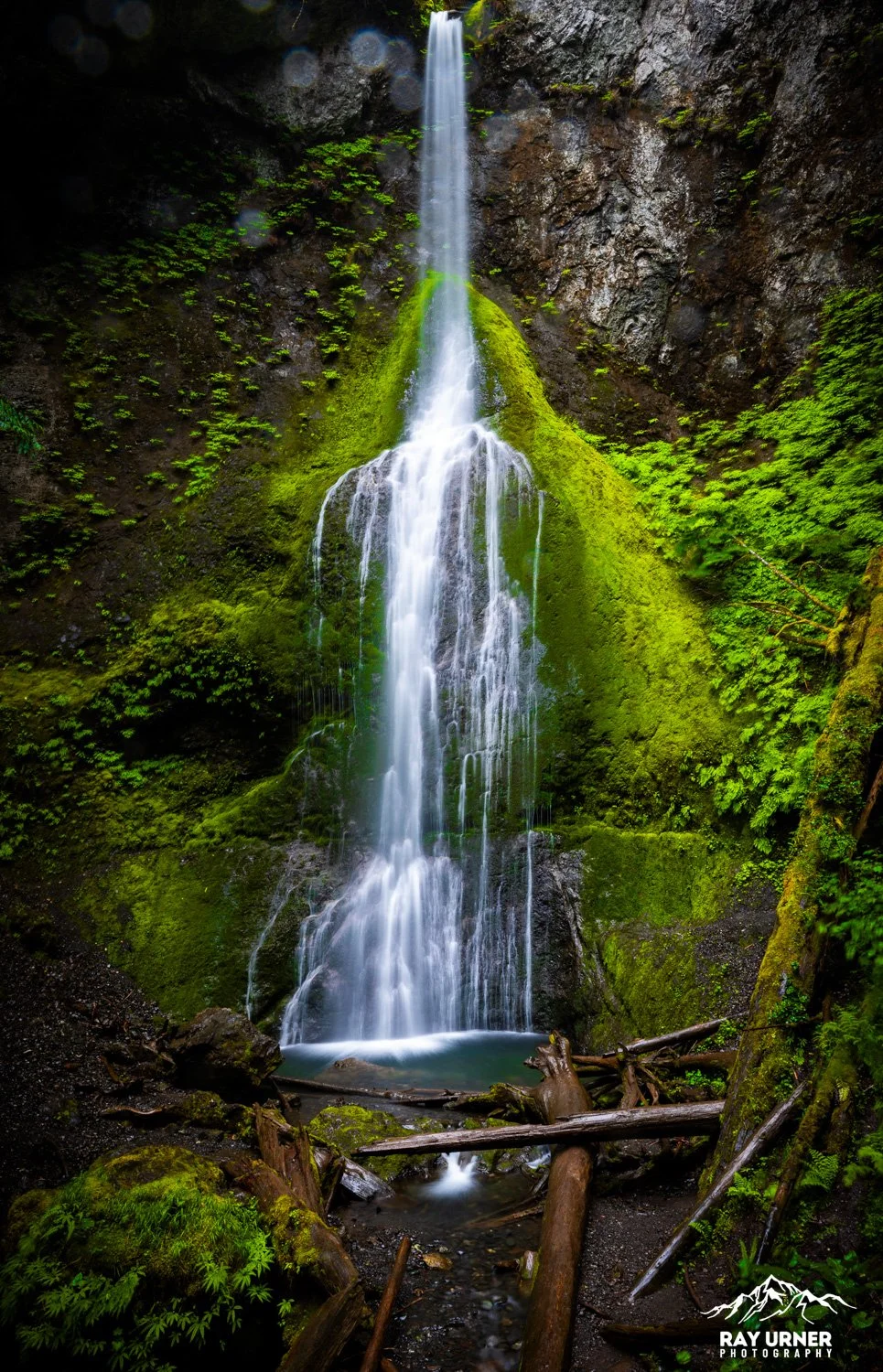
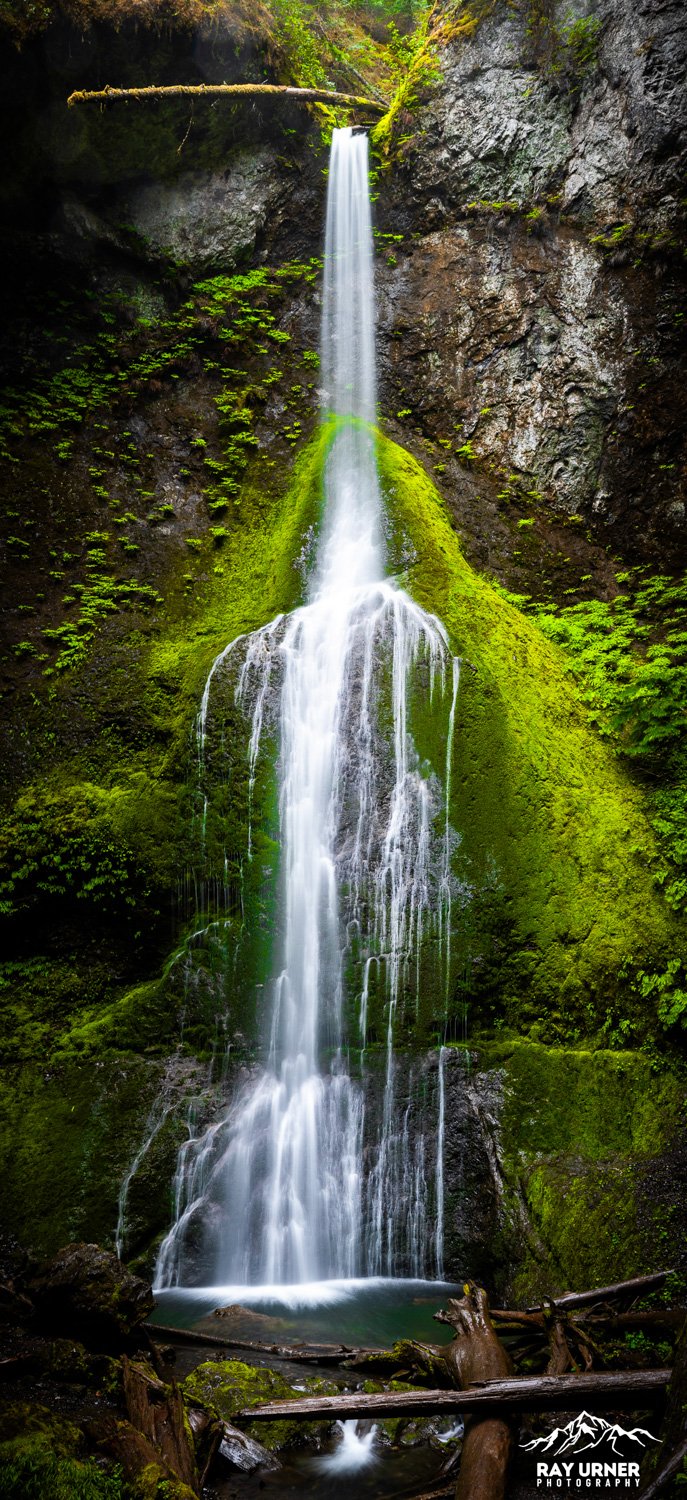
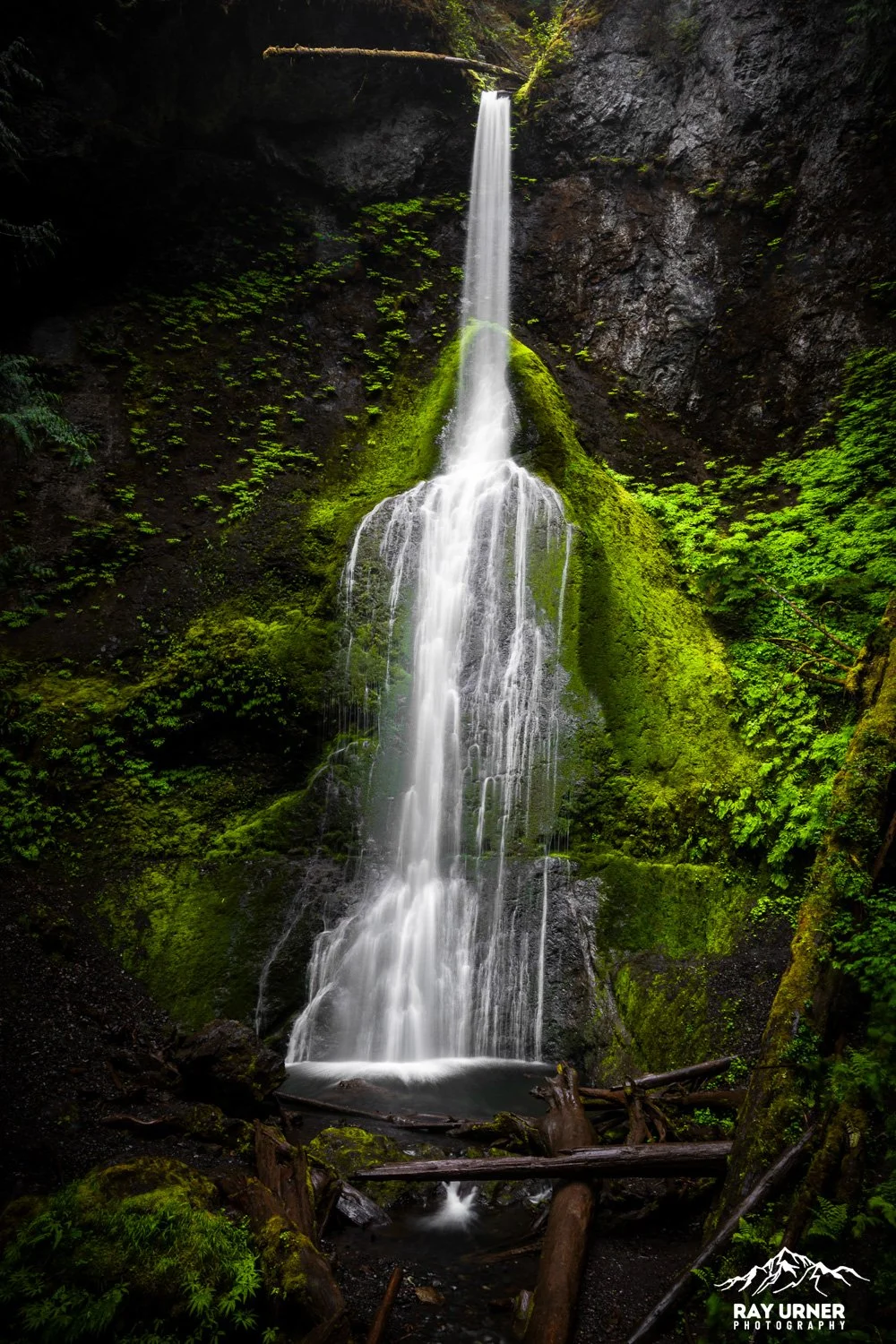
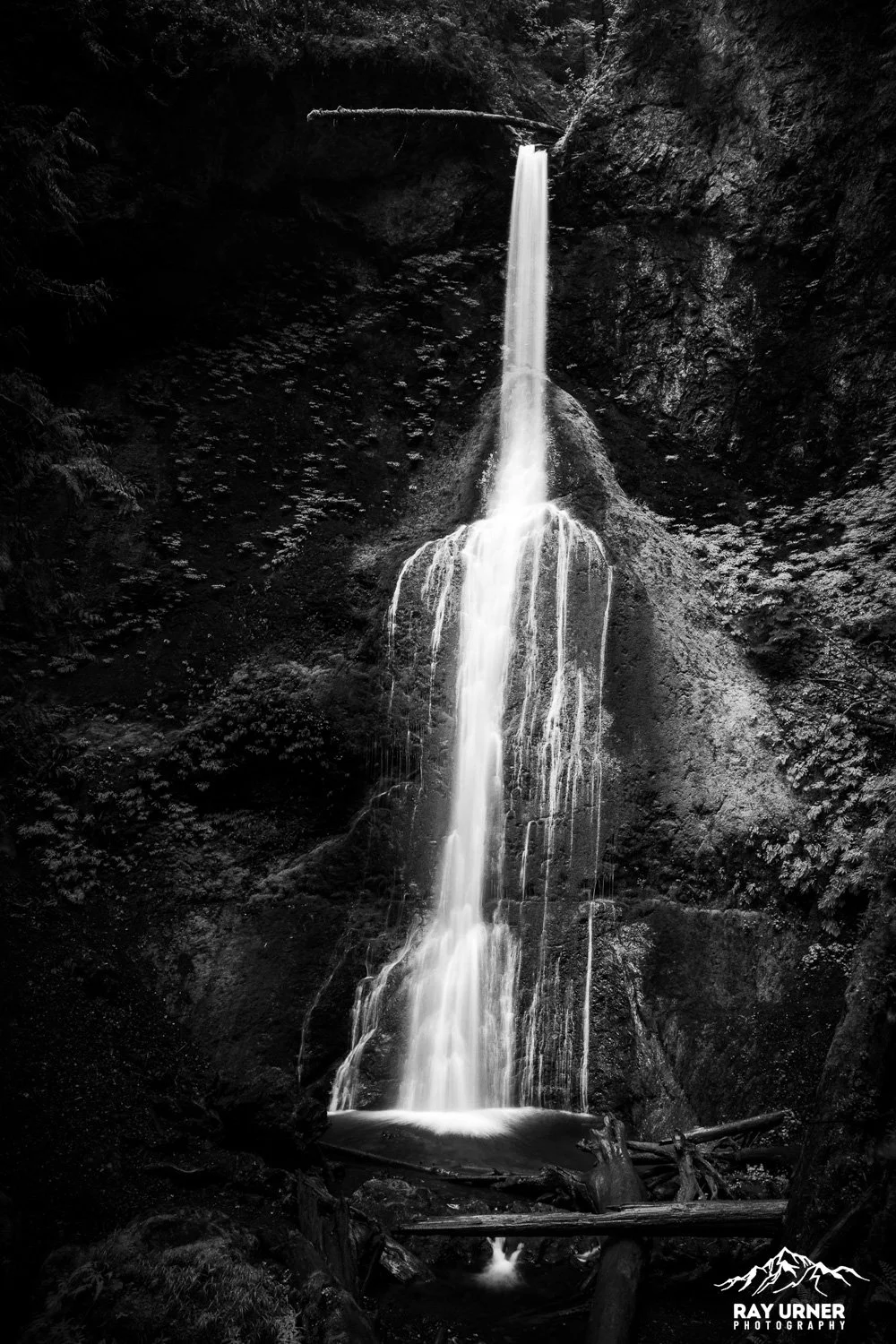
Tucked into the emerald heart of Olympic National Park, Marymere Falls is a photographer’s dream—a 90-foot ribbon of water cascading through a mossy ravine, framed by towering evergreens and the lush undergrowth of a temperate rainforest. Just a short hike from the historic Lake Crescent Lodge, this waterfall offers not only a stunning subject but also a journey through one of the park’s most enchanting landscapes.
Trail Overview: From Lake Crescent Lodge to Marymere Falls
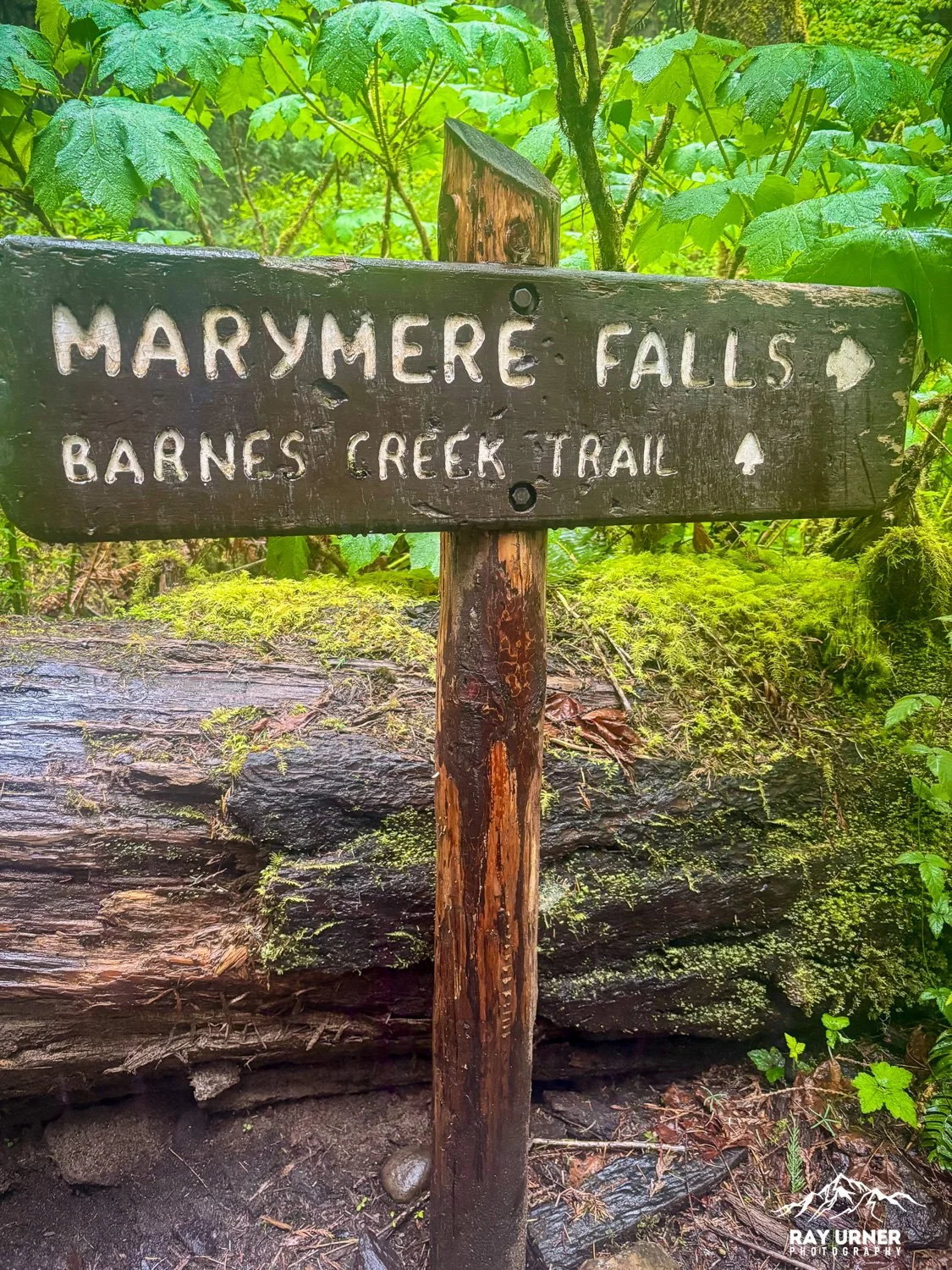
The trail to Marymere Falls begins near the Storm King Ranger Station, just a short walk from Lake Crescent Lodge. This 1.8-mile roundtrip hike is well-maintained and family-friendly, with a gentle elevation gain of about 500 feet.
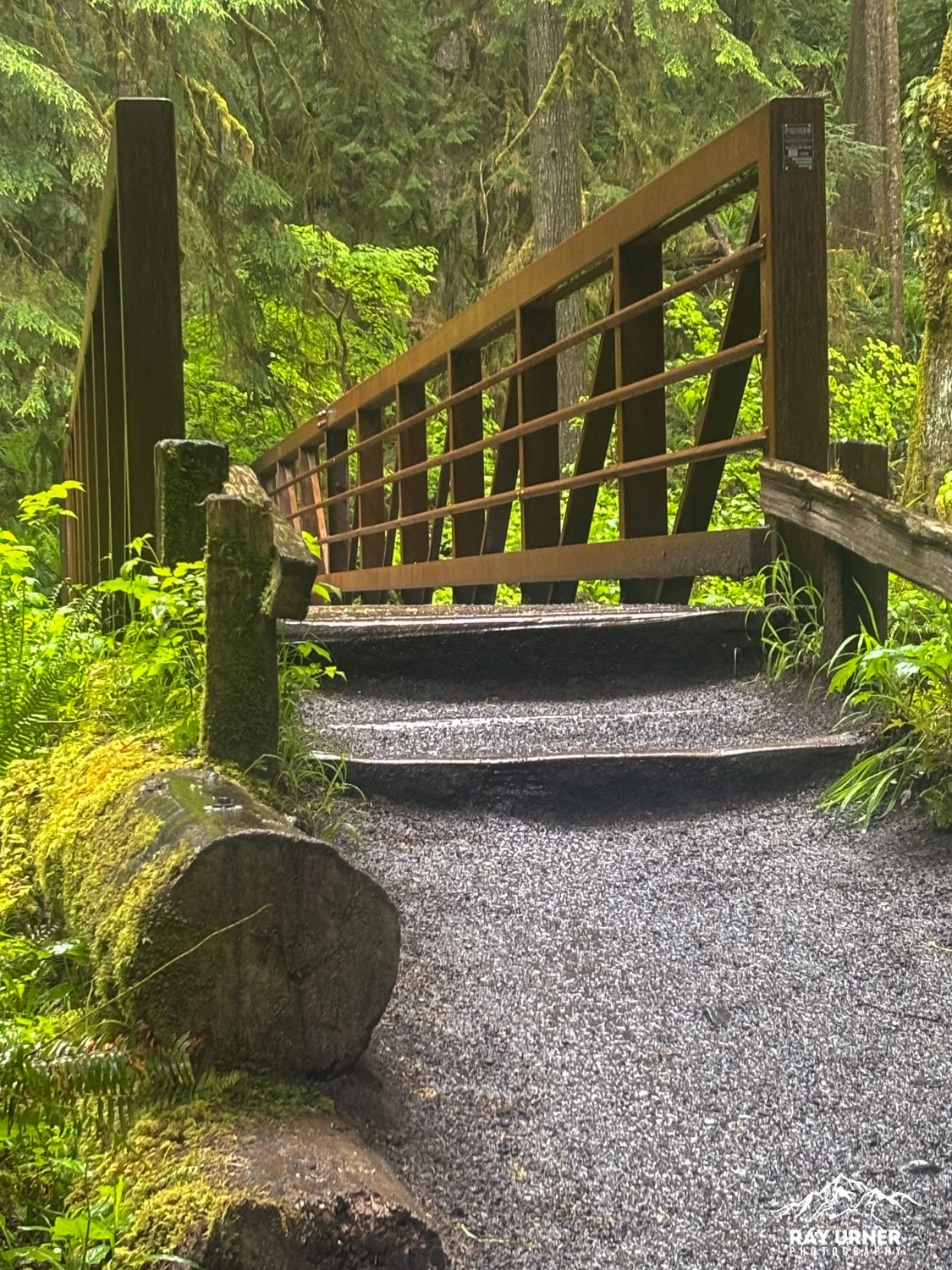
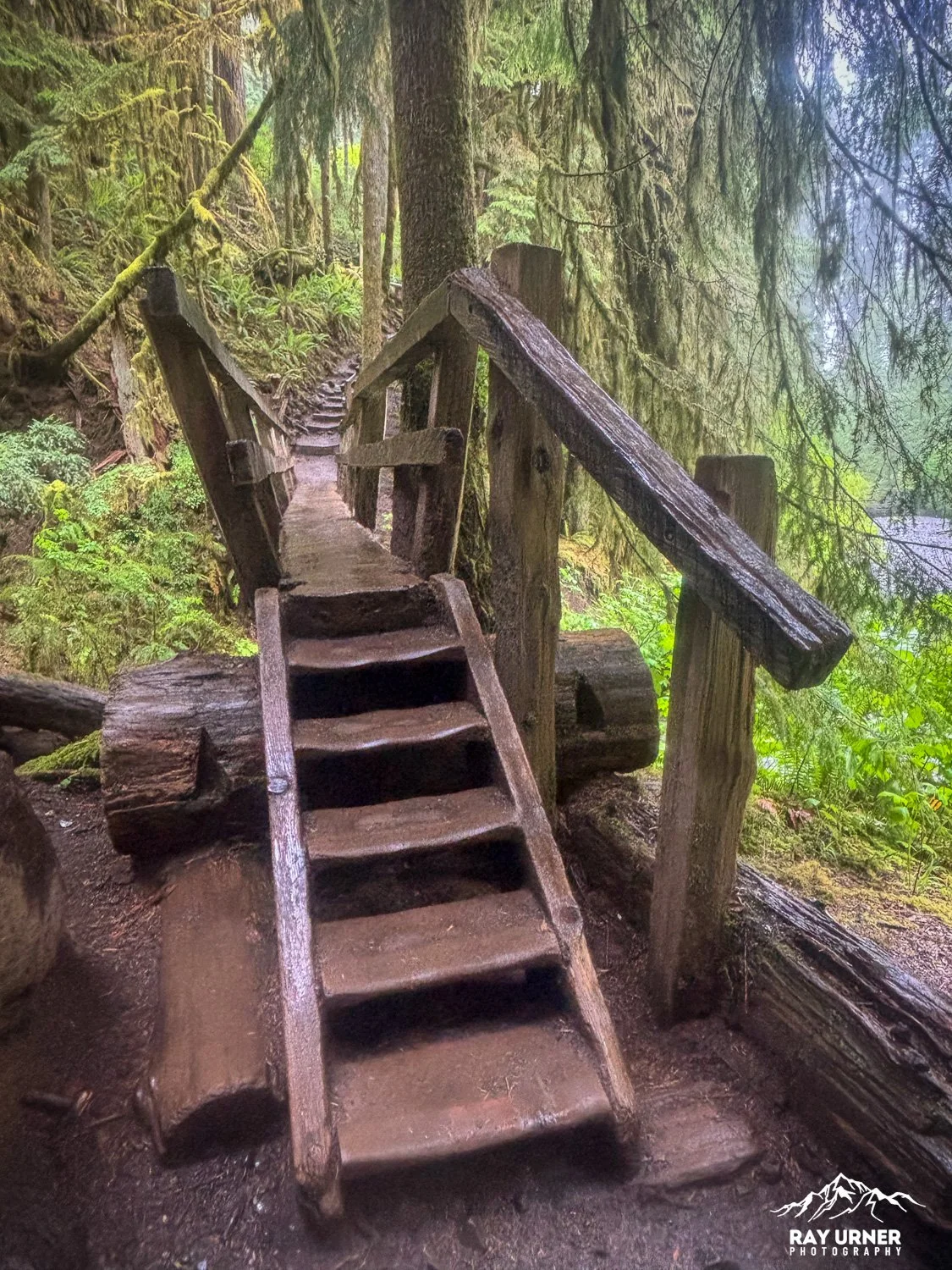
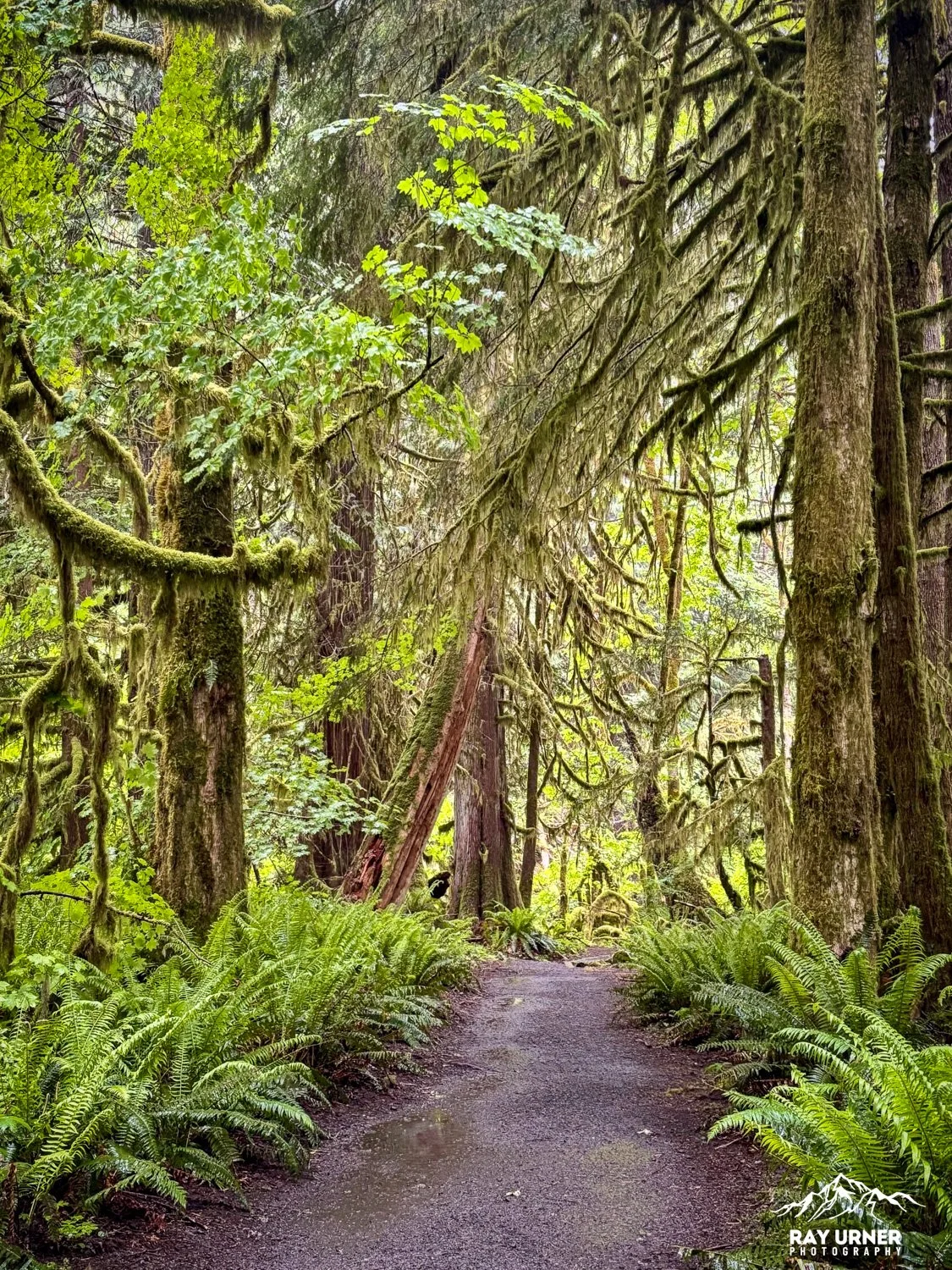
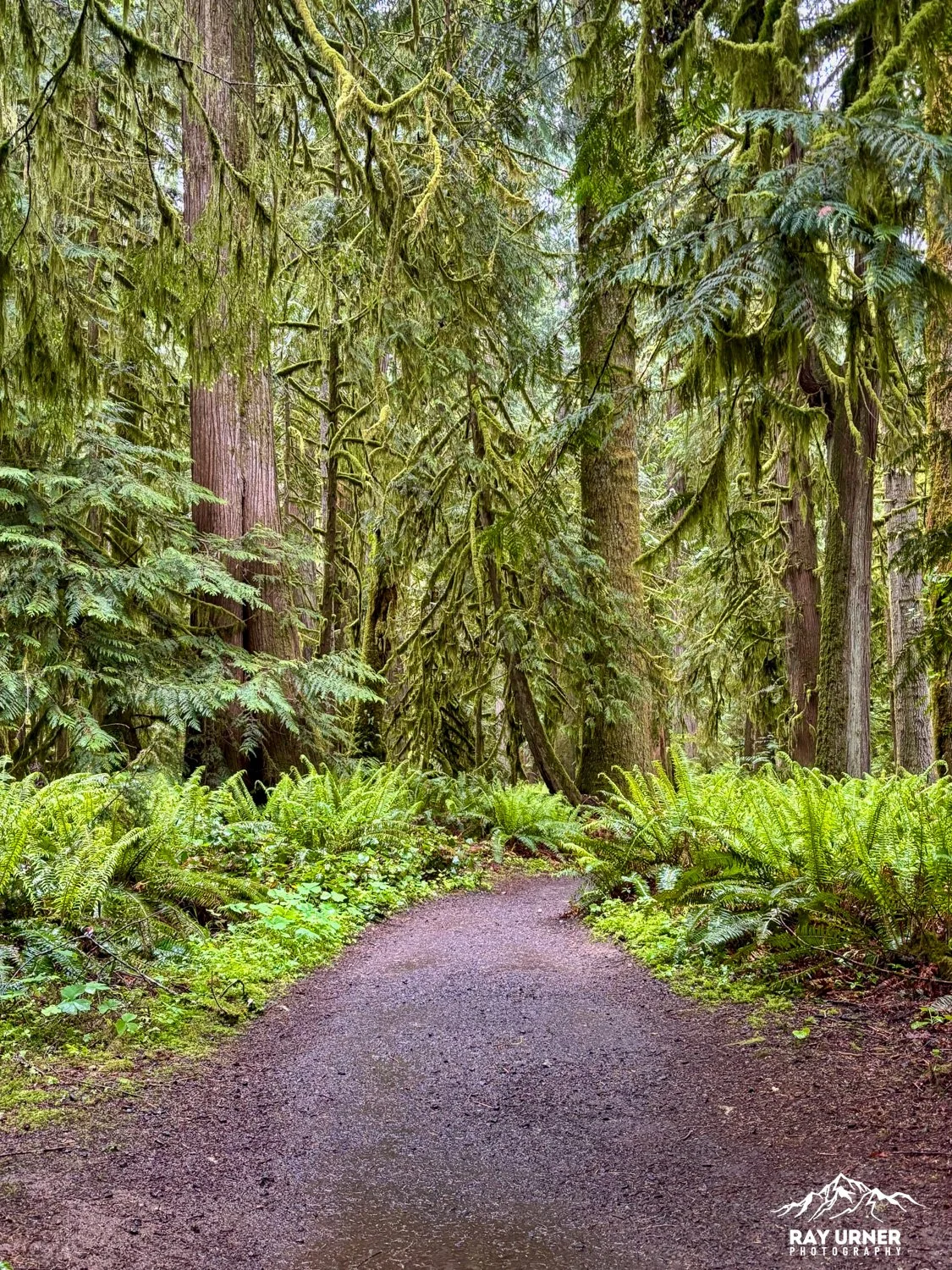
The path meanders through old-growth forest, crossing Barnes Creek and Falls Creek via picturesque wooden bridges. As you approach the falls, the trail ascends a series of “nature stairs” into a fern-filled ravine, where two viewpoints await: a lower platform offering a head-on view of the falls, and an upper overlook that peers down into the cascading waters from above.
Flora and Fauna: A Living Rainforest
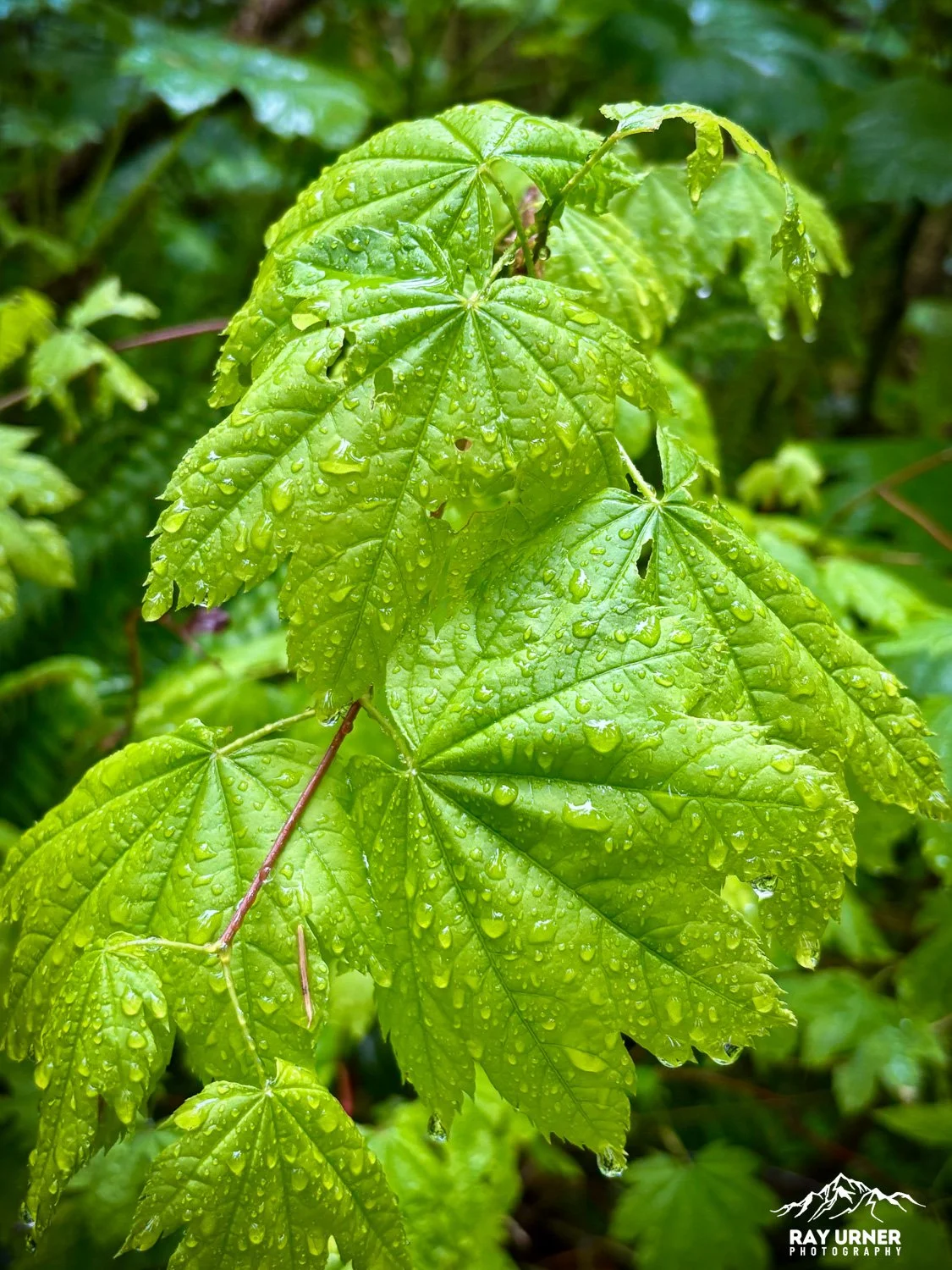
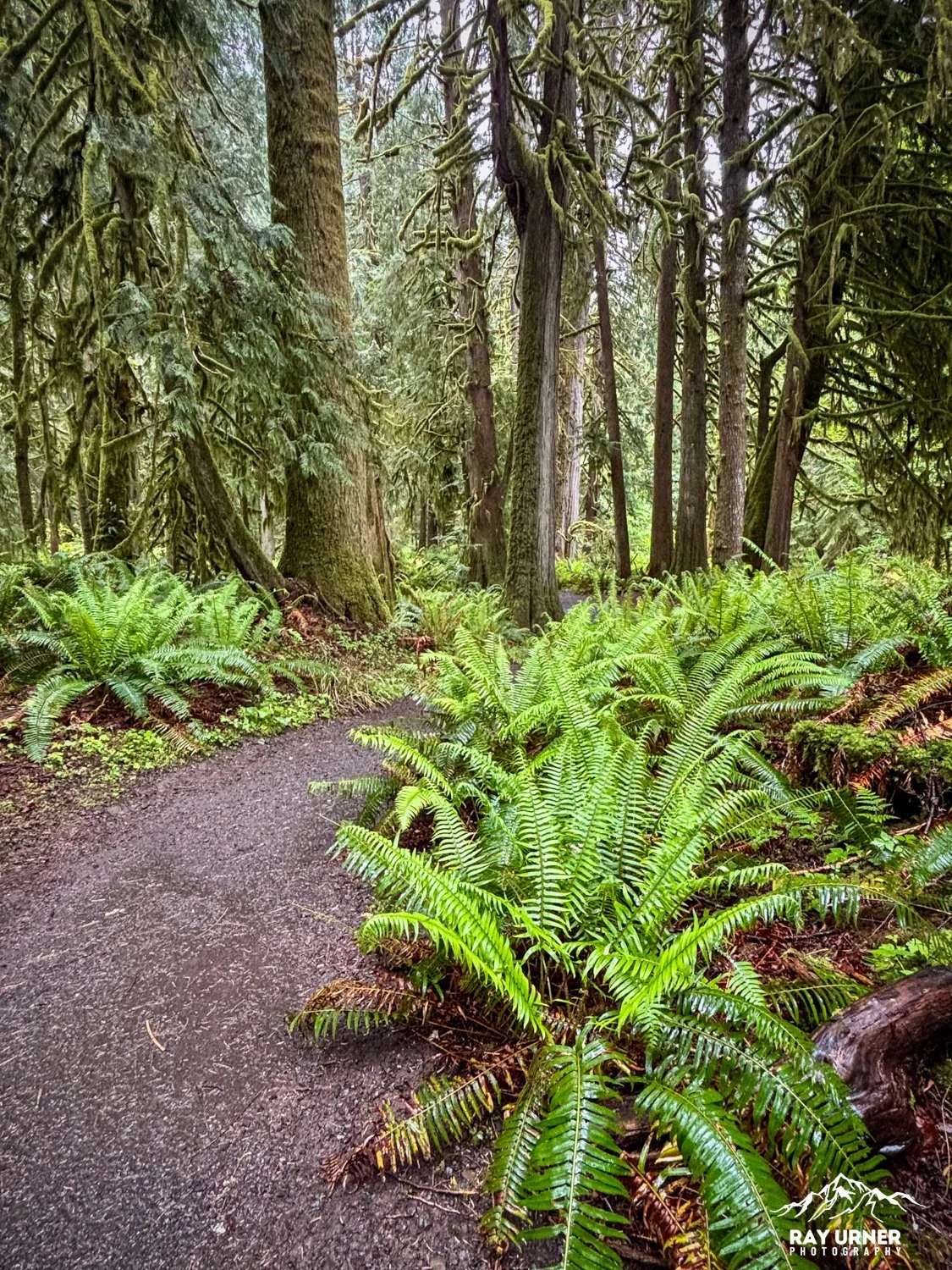
The trail to Marymere Falls is a botanical wonderland. Towering Douglas firs, western red cedars, and bigleaf maples form the canopy, while the forest floor is carpeted with sword ferns, mosses, and wildflowers like trillium and bleeding heart in spring.
Keep an eye out for wildlife: banana slugs, Pacific wrens, and black-tailed deer are common sights. If you’re lucky, you might spot a barred owl or hear the drumming of a pileated woodpecker echoing through the trees.
The Waterfall: A Tribute to Wilderness
Marymere Falls is fed by Falls Creek, which flows from the slopes of Mount Storm King. The waterfall was named in honor of Mary Alice Barnes, sister of Charles Barnes, a homesteader and member of the Press Expedition. Its graceful plunge through a narrow notch in the cliff makes it one of the most photogenic waterfalls in the park.
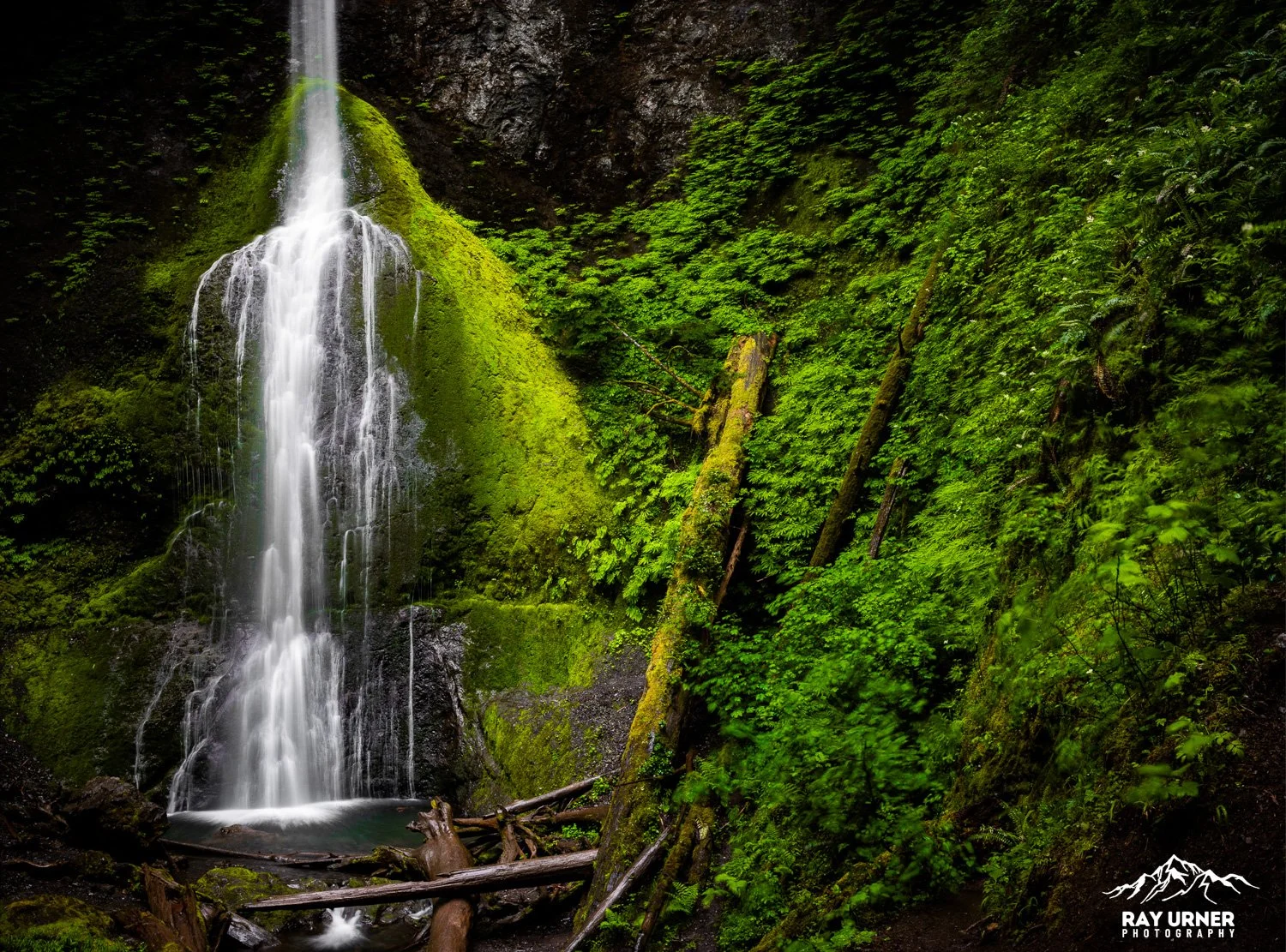
The surrounding ravine, cloaked in moss and mist, feels like a scene from a fairytale—an ideal setting for both wide-angle landscapes and intimate nature shots.
Photographing Marymere Falls: Light, Texture, and Mood
1. Best Time to Shoot: Early morning or late afternoon provides the softest light, especially in summer when the sun filters through the dense canopy. Overcast days are ideal for waterfall photography, as they eliminate harsh shadows and allow for longer exposures.
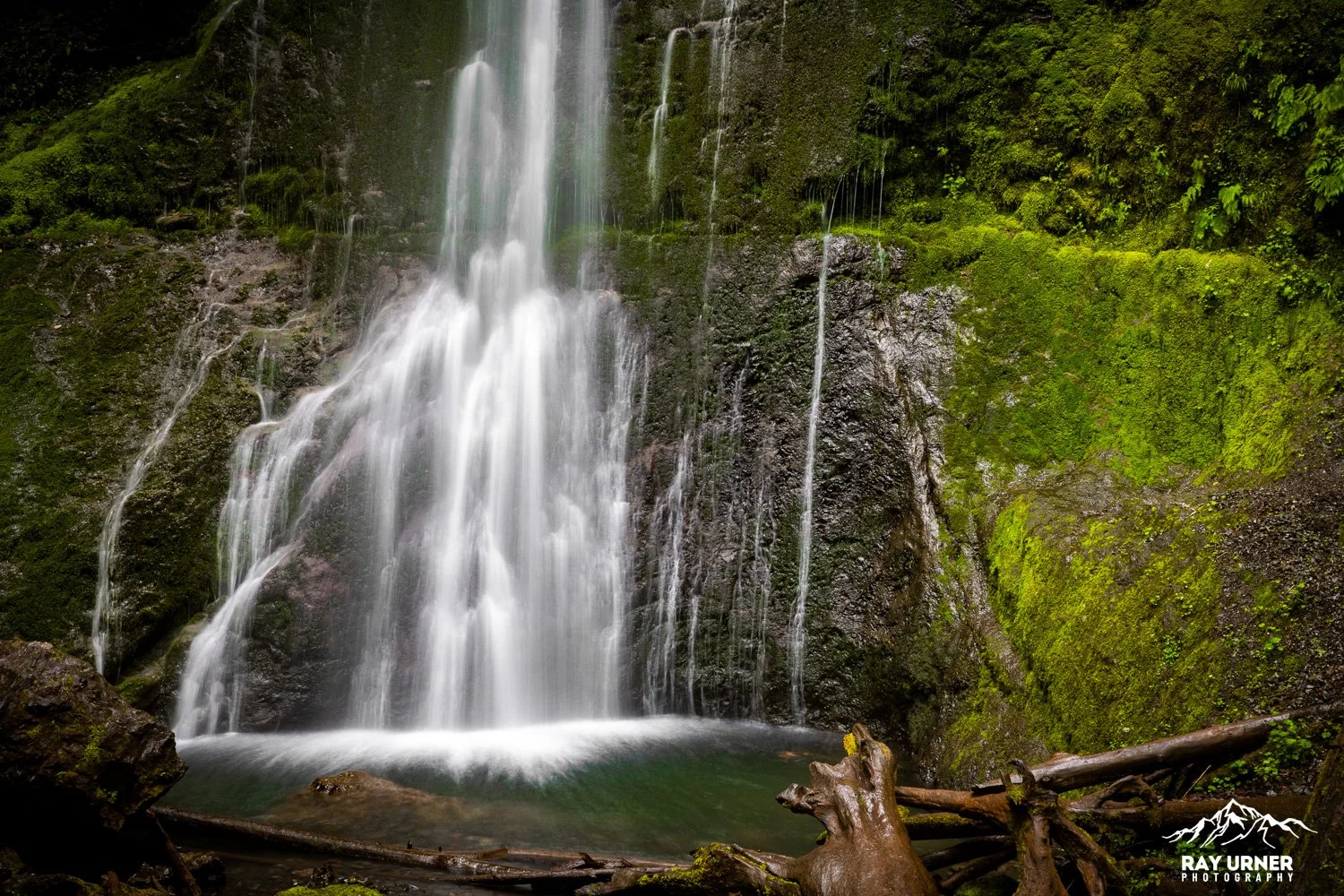
2. Long Exposure Techniques: Bring a tripod and use a neutral density (ND) filter to slow your shutter speed—1 to 2 seconds is perfect for capturing the silky flow of the falls. Use a remote shutter or timer to avoid camera shake.
3. Framing the Scene: Use the surrounding forest to your advantage. Ferns, moss-covered logs, and overhanging branches can add depth and context to your composition. The lower viewpoint is great for capturing the full height of the falls, while the upper platform offers a more dramatic, top-down perspective.
4. After the Rain: Rain enhances the vibrancy of the forest and increases the waterfall’s flow. The trail becomes more atmospheric, with mist rising from the ravine and droplets clinging to every leaf and needle. (And even more importantly, you' may just have the trail and viewpoints to yourself!)
Final Thoughts: A Must-Visit for Nature Photographers
Photographing Marymere Falls is more than just capturing a waterfall—it’s about immersing yourself in the rhythm of the rainforest. From the tranquil shores of Lake Crescent to the echoing splash of the falls, every step of the journey offers inspiration. Whether you’re shooting in golden light or gentle rain, Marymere Falls is a place where your lens can truly come alive.