
Cap Rock
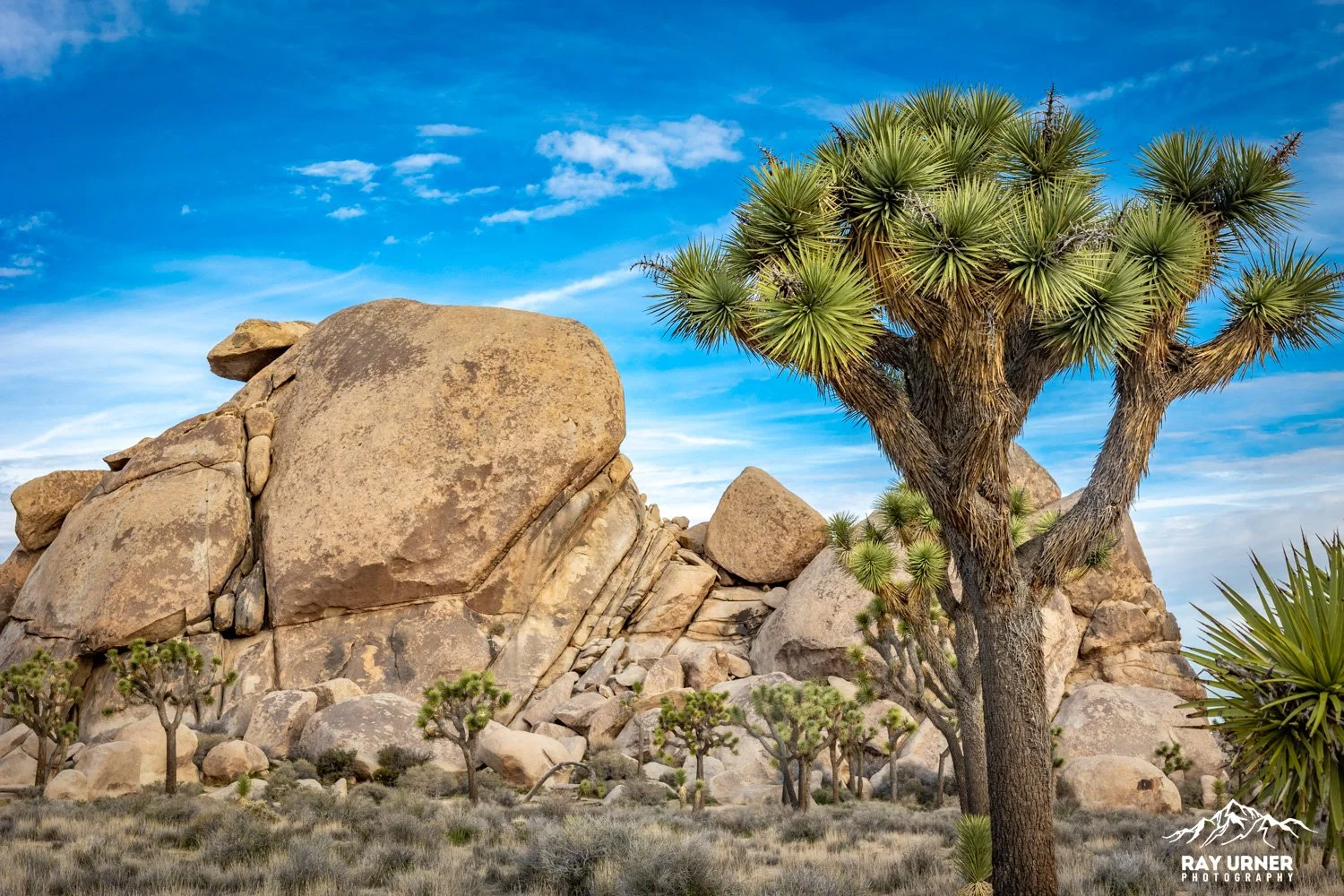
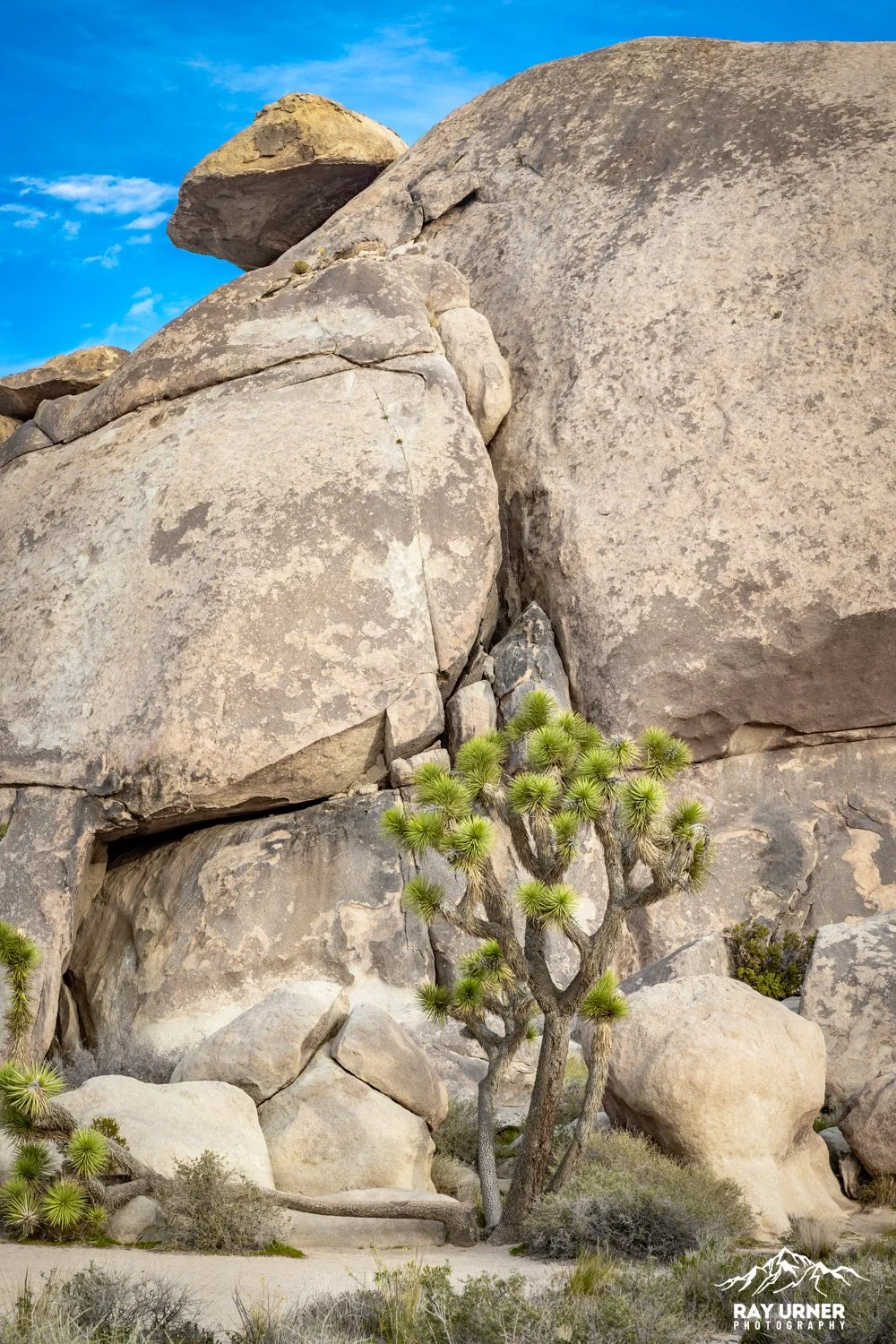
Cap Rock is a compact micro‑version of what makes Joshua Tree iconic—a massive boulder topped by a flat “cap”, surrounded by monzogranite formations, Joshua trees, junipers, and flora adapted to tiny rock‑created microhabitats. The loop is short, scenic, and perfect for exploring midday textures and harsh‑light photography rather than relying on sunrise/sunset colors.
Cap Rock — Hiking and Photography Guide
Overview
Because the area stays close to the road and offers picnic tables, shade pockets near boulders, and a high density of interesting geological shapes, it’s a fantastic any‑time‑of‑day scout‑and‑shoot location.
Quick Facts
Distance & Gain: 0.4‑mile loop; ~20 ft elevation gain (easy)
Surface: Hard‑packed sand/dirt; some loose patches; a few boulder overhangs along the loop
Location: Junction of Park Boulevard & Keys View Road, central Joshua Tree; extremely easy to reach
Facilities: Picnic area, grills, trash, recycling, vault toilet (no running water)
Parking: ~25 spaces + 2 accessible spaces; fills quickly - arrive early!
Overview (Why photographers love Cap Rock—in daylight)Cap Rock is a compact micro‑version of what makes Joshua Tree iconic—a massive boulder topped by a flat “cap”, surrounded by monzogranite formations, Joshua trees, junipers, and flora adapted to tiny rock‑created microhabitats. The loop is short, scenic, and perfect for exploring midday textures and harsh‑light photography rather than relying on sunrise/sunset colors.
Because the area stays close to the road and offers picnic tables, shade pockets near boulders, and a high density of interesting geological shapes, it’s a fantastic any‑time‑of‑day scout‑and‑shoot location.
History
The official Cap Rock Nature Trail has been in use since at least the mid‑20th century as a self‑guided nature route introducing visitors to desert flora, geology, and microhabitats.
The rock formation itself reflects the park’s long geological story: weathering, exfoliation, and erosion sculpted the “balanced cap” perched atop its supporting boulder.
Geology
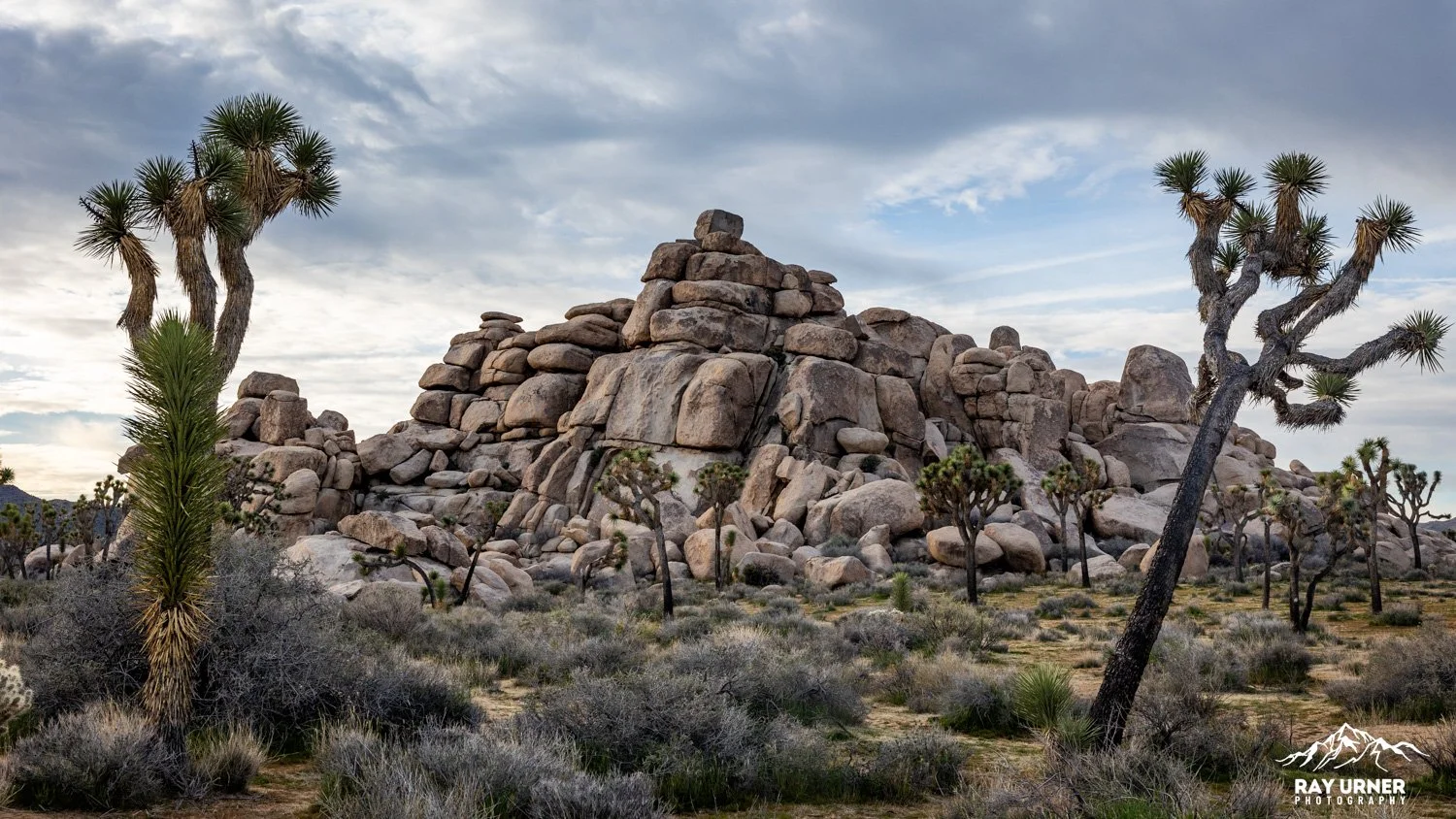
Cap Rock sits within the vast monzogranite terrain of Joshua Tree.
The granite here weathered differentially, creating cracks, tors, and stacked formations, including the iconic “cap” boulder resting atop a larger block. (This is classic granite exfoliation + erosion.)
Microhabitats form where boulders create shade, moisture retention, and wind shelter—allowing plants like juniper, desert almond, and woolly marigold to thrive along the loop.
Ecology
This trail is a crash course in Mojave‑adapted species.
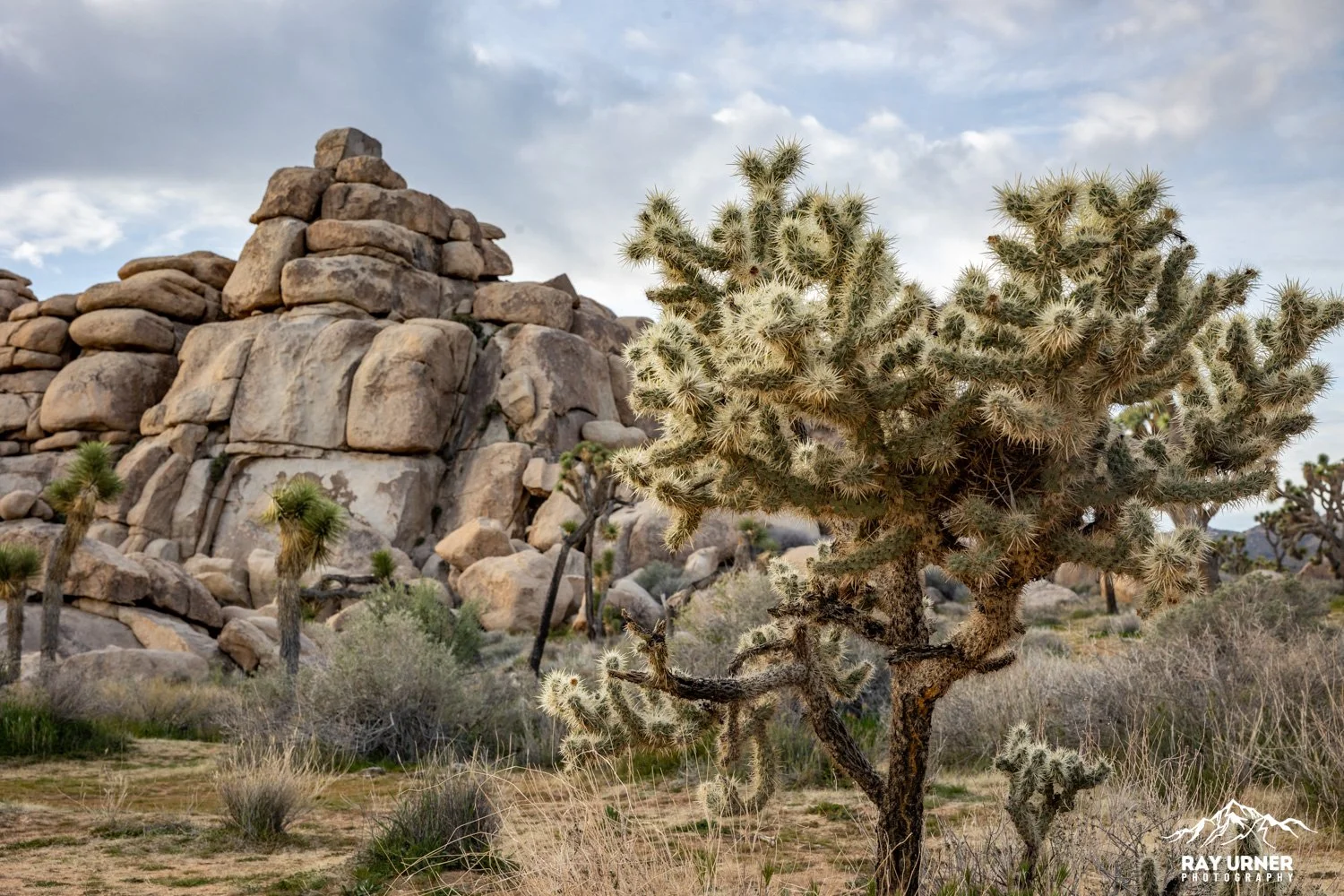
Plants commonly highlighted on interpretive signs include:Desert almond, desert sage, woolly marigold, silver cholla, Mojave yucca, Indian ricegrass, New Mexico thistle, and more.
Birds like cactus wrens and black‑throated sparrows nest among cholla and juniper branches.
Annual wildflowers and lichens appear seasonally among the cracks and boulders.
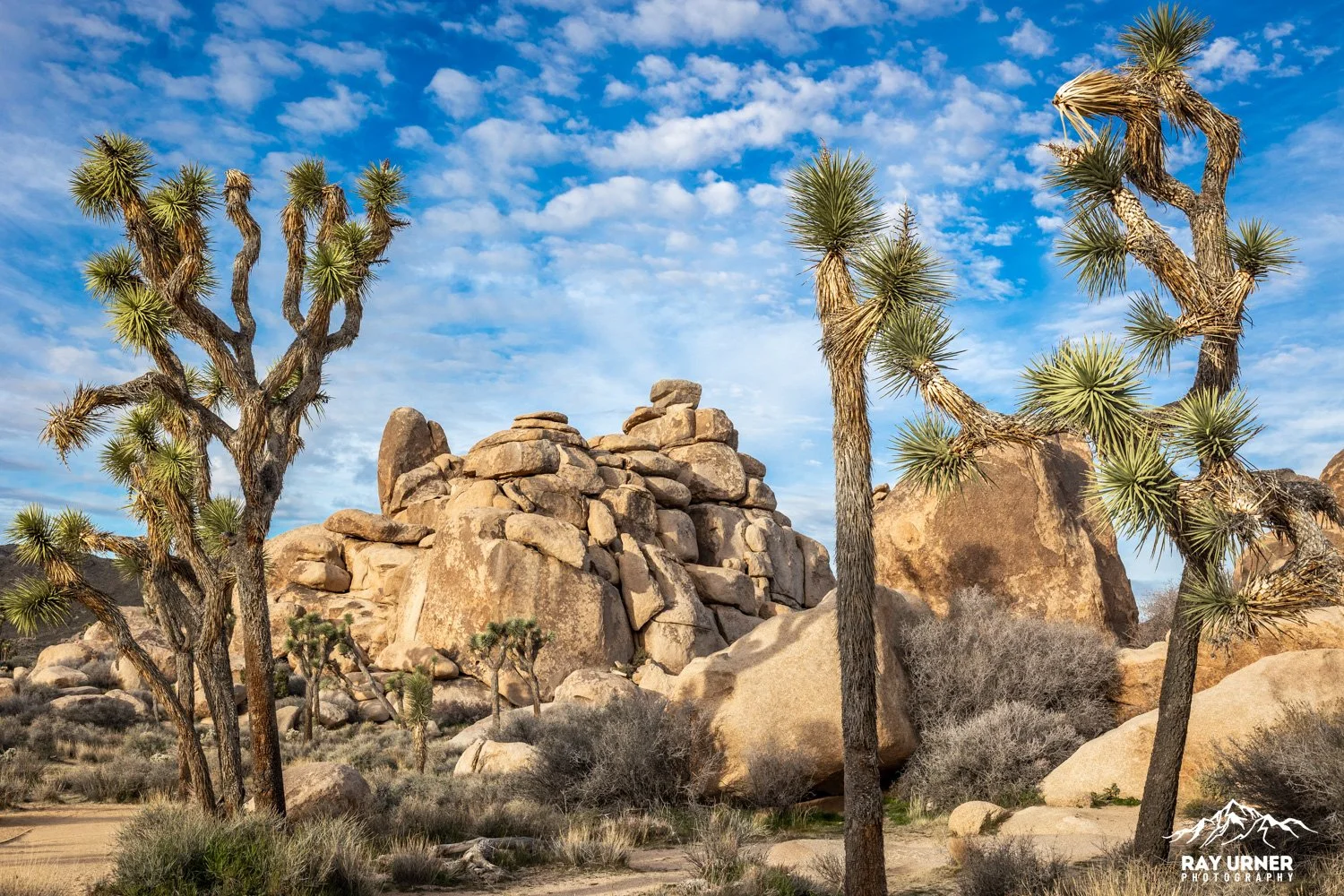
Best Photo SpotsNo sunrise, no sunset—just compositions designed for midday or variable light.
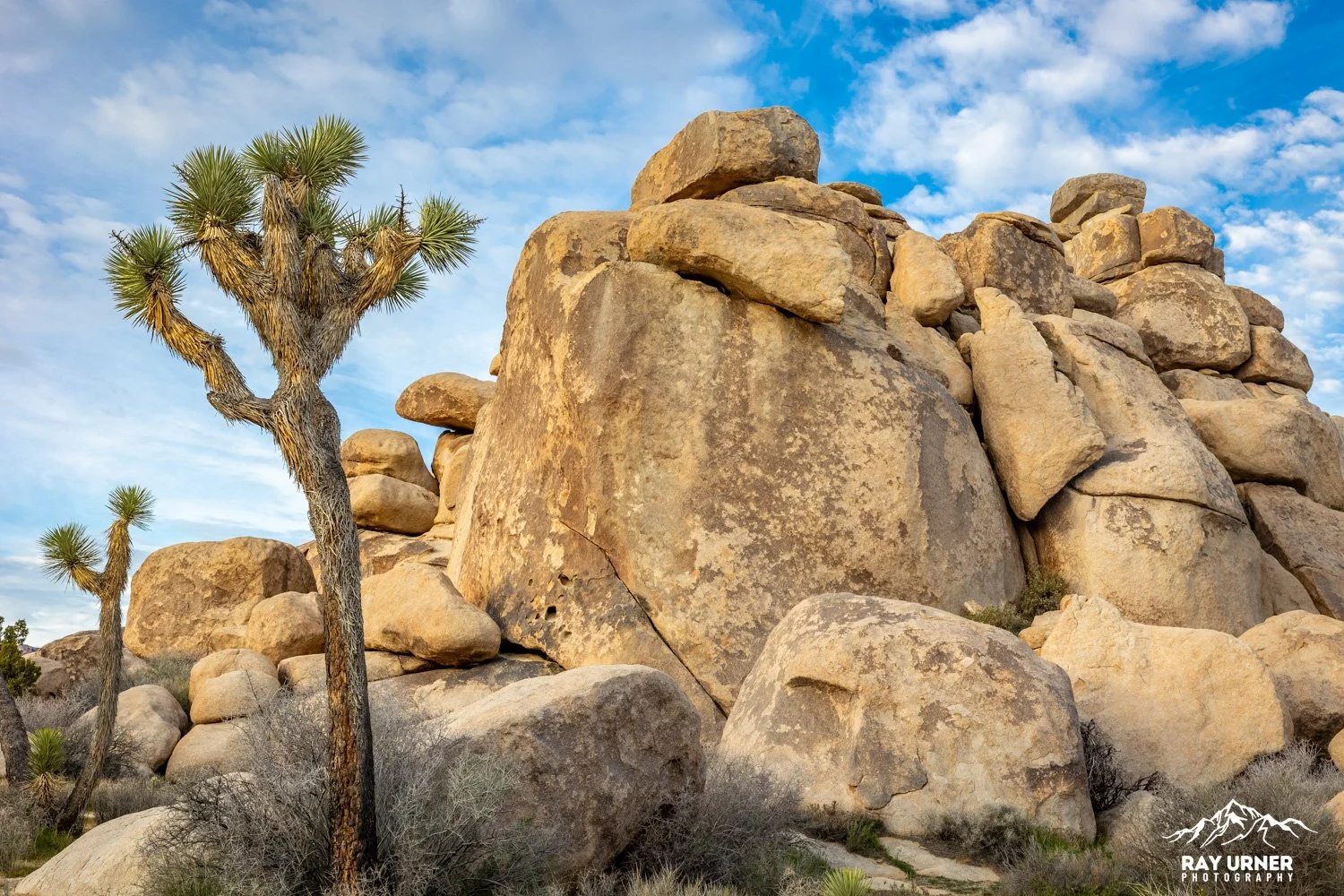
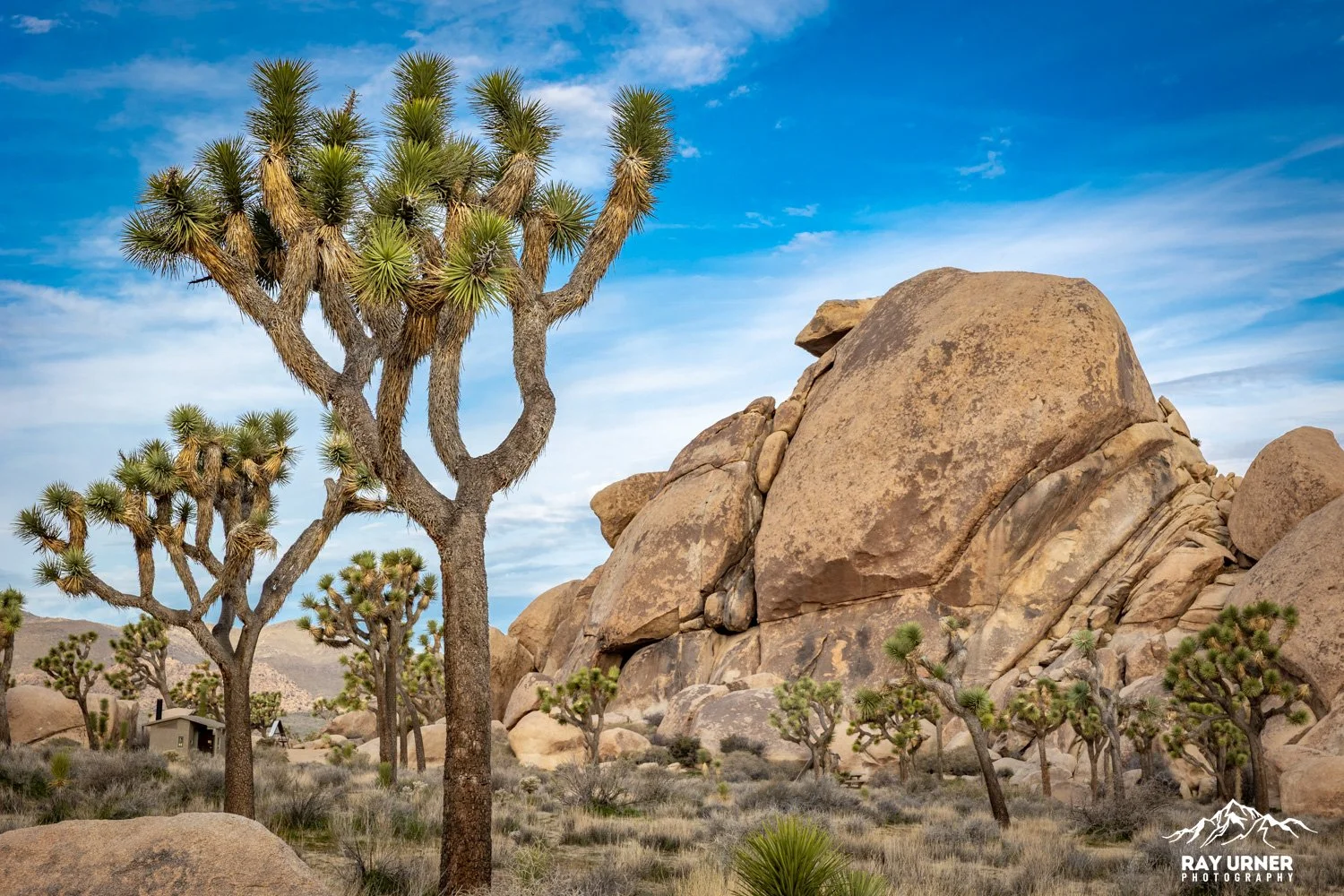
1. The Cap Itself (Main Feature)
Standing beside the parking lot, this giant flat “cap” rock atop a rounded boulder is your hero subject.
Shoot with wide to mid focal lengths (24–50mm) for scale.
Midday contrast works well for emphasizing geometric forms in the granite.
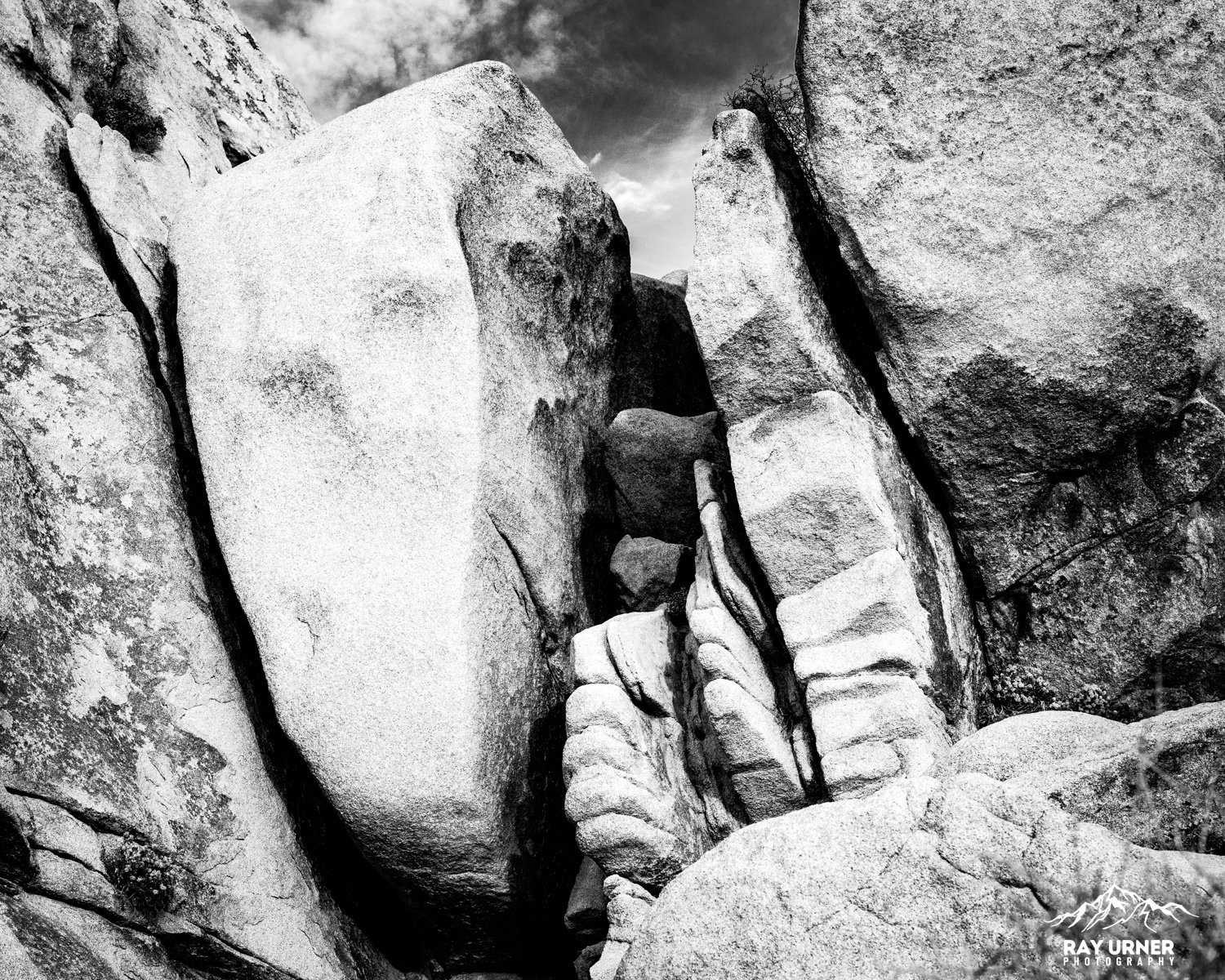
2. Boulder Alley (East Side of Loop)
A section where huge monzogranite slabs create narrow corridors.
Great for leading lines and shadow play even midday.
Use 14–24mm for dramatic rock‑wall perspective.
3. Microhabitat Detail Zones
Along the north section, the trail skirts clusters of desert almond, sage, and marigold.
Perfect for flora close‑ups: look for plant‑against‑rock compositions.
A polarizer helps control surface glare on leaves and granite.
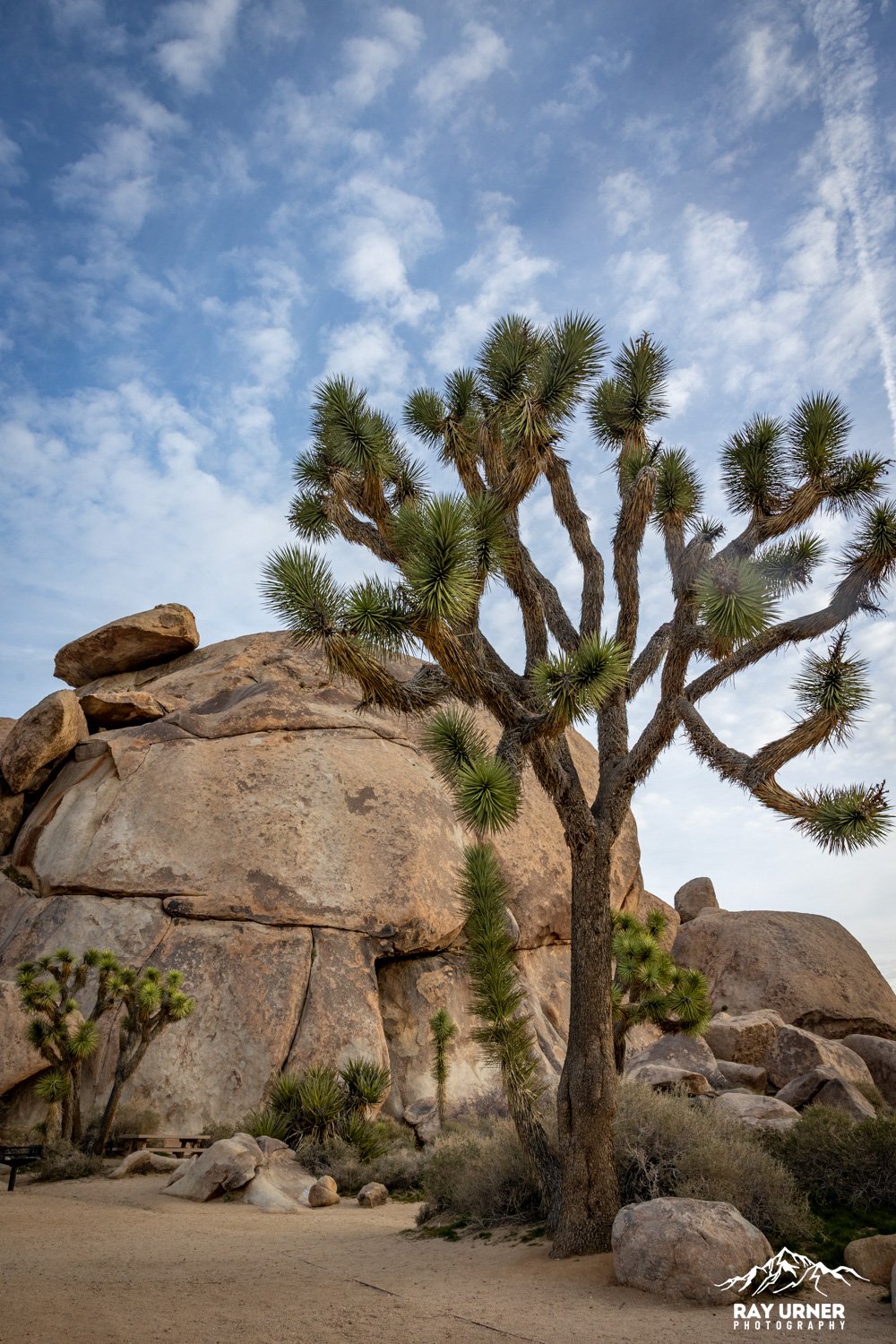
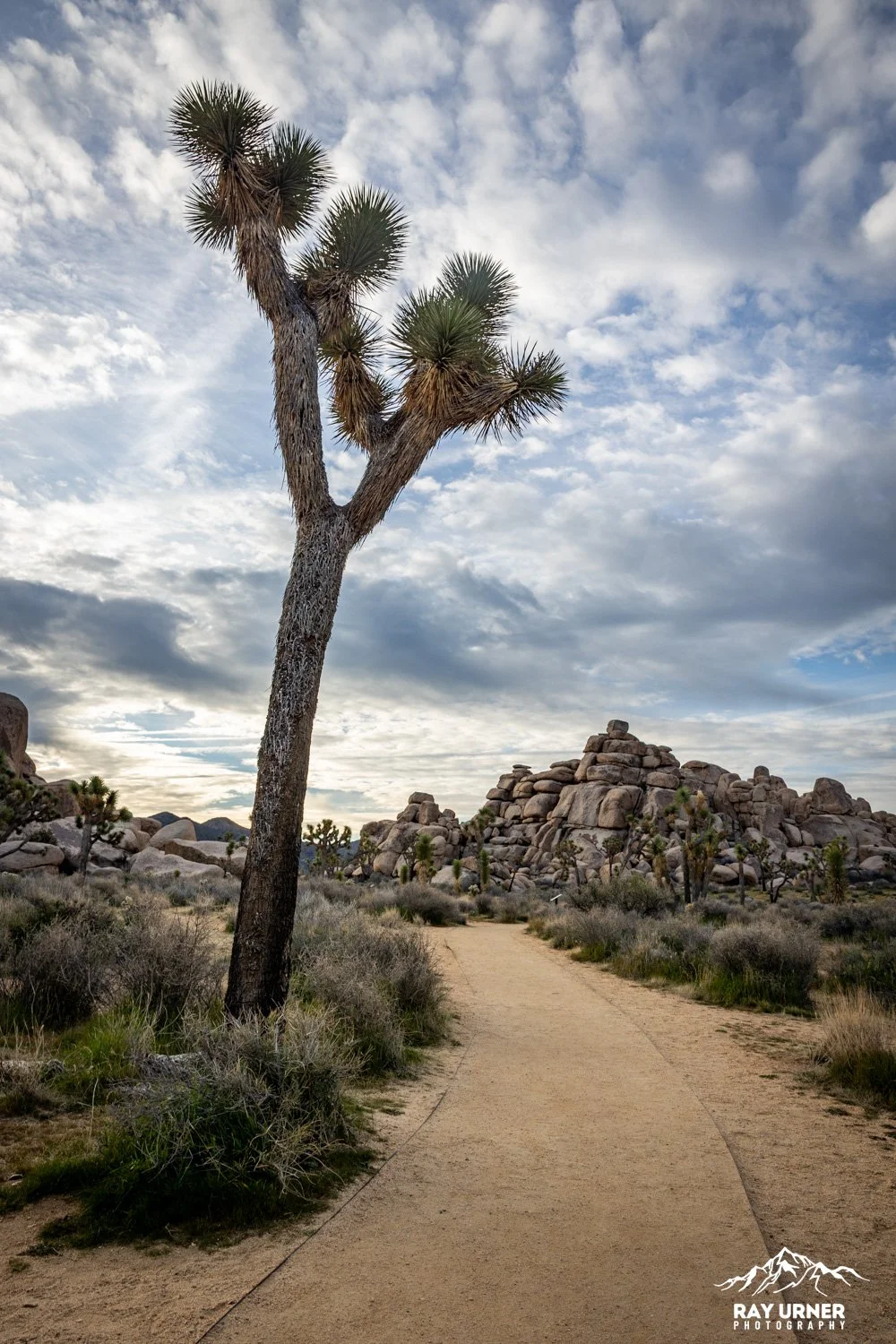
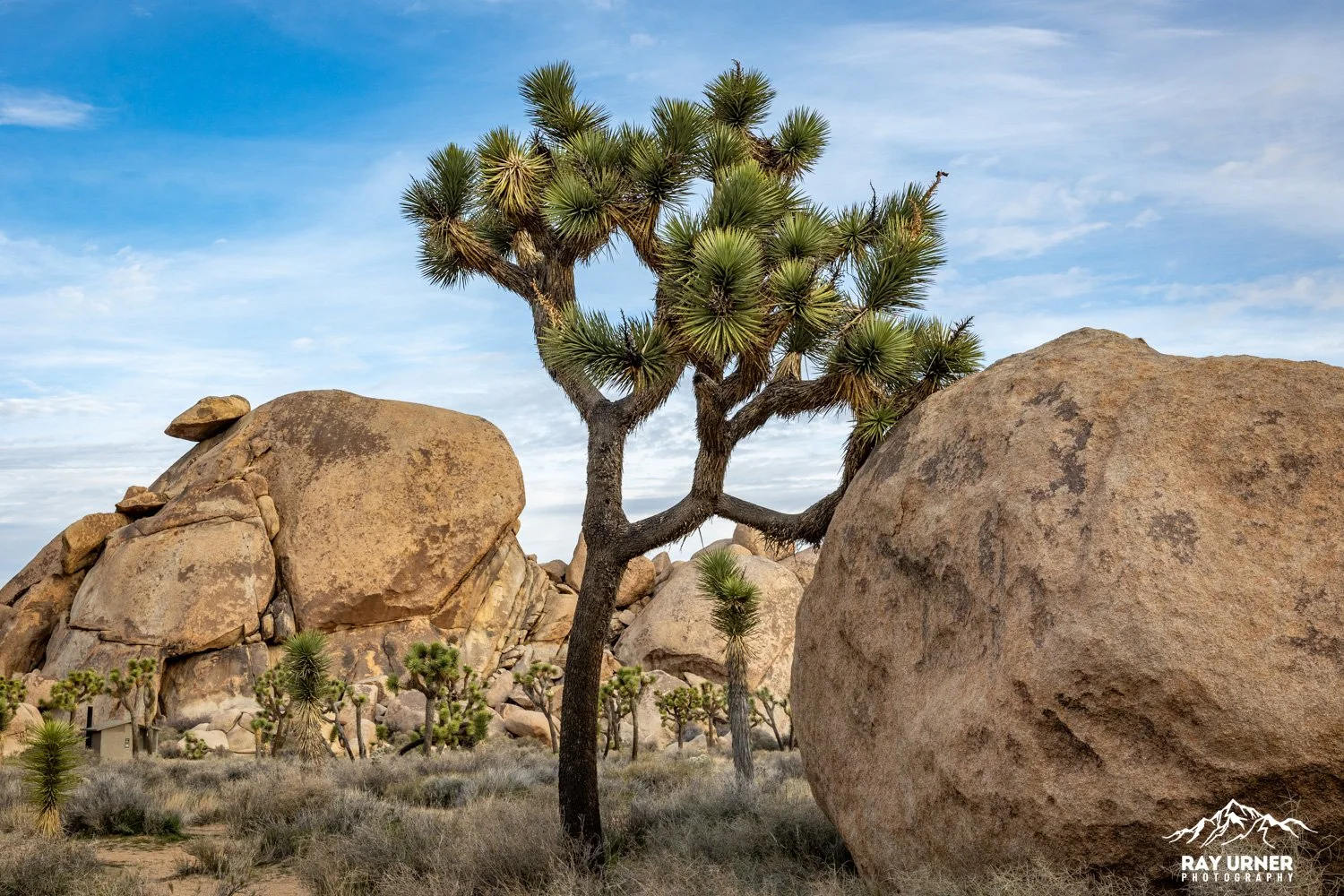
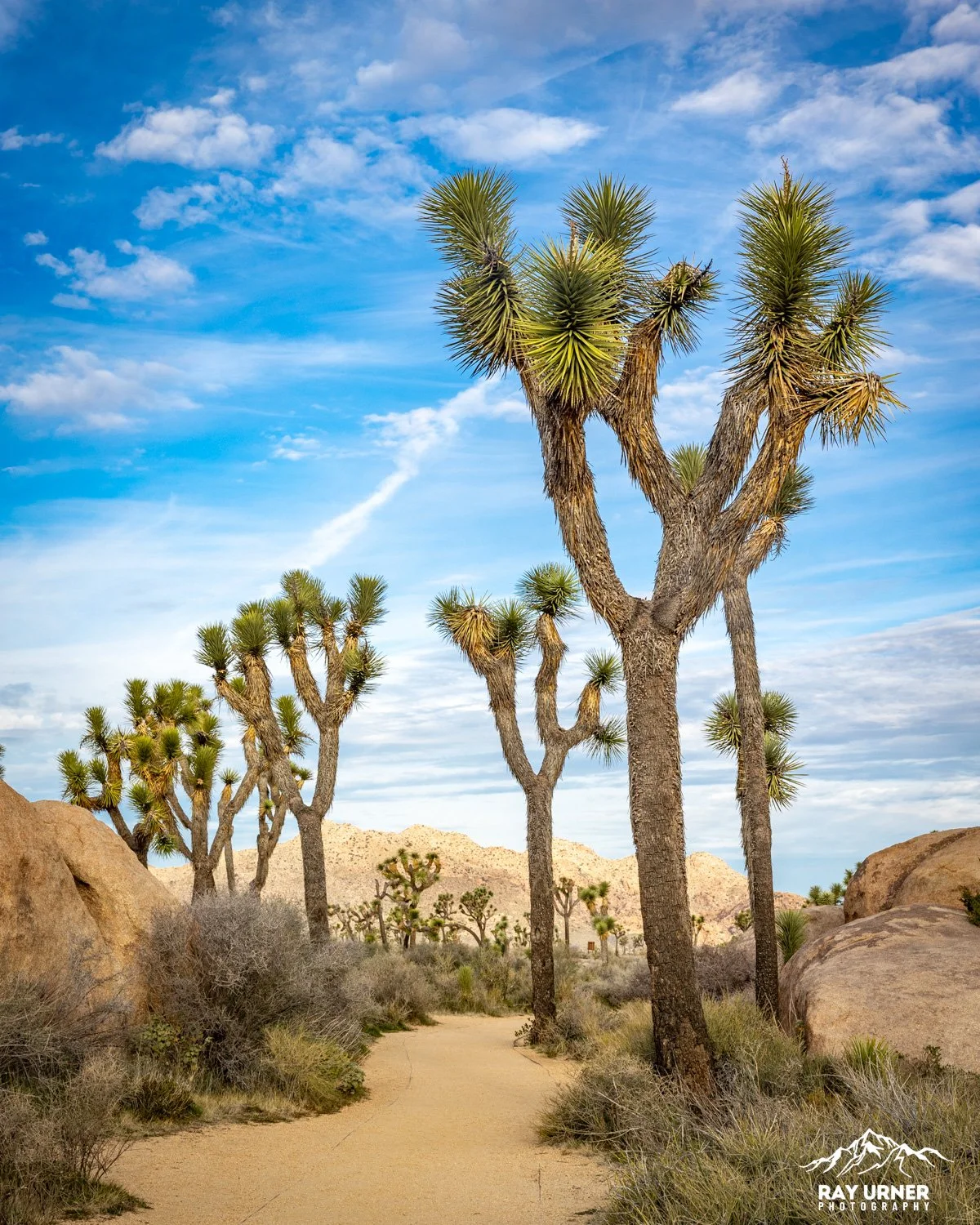
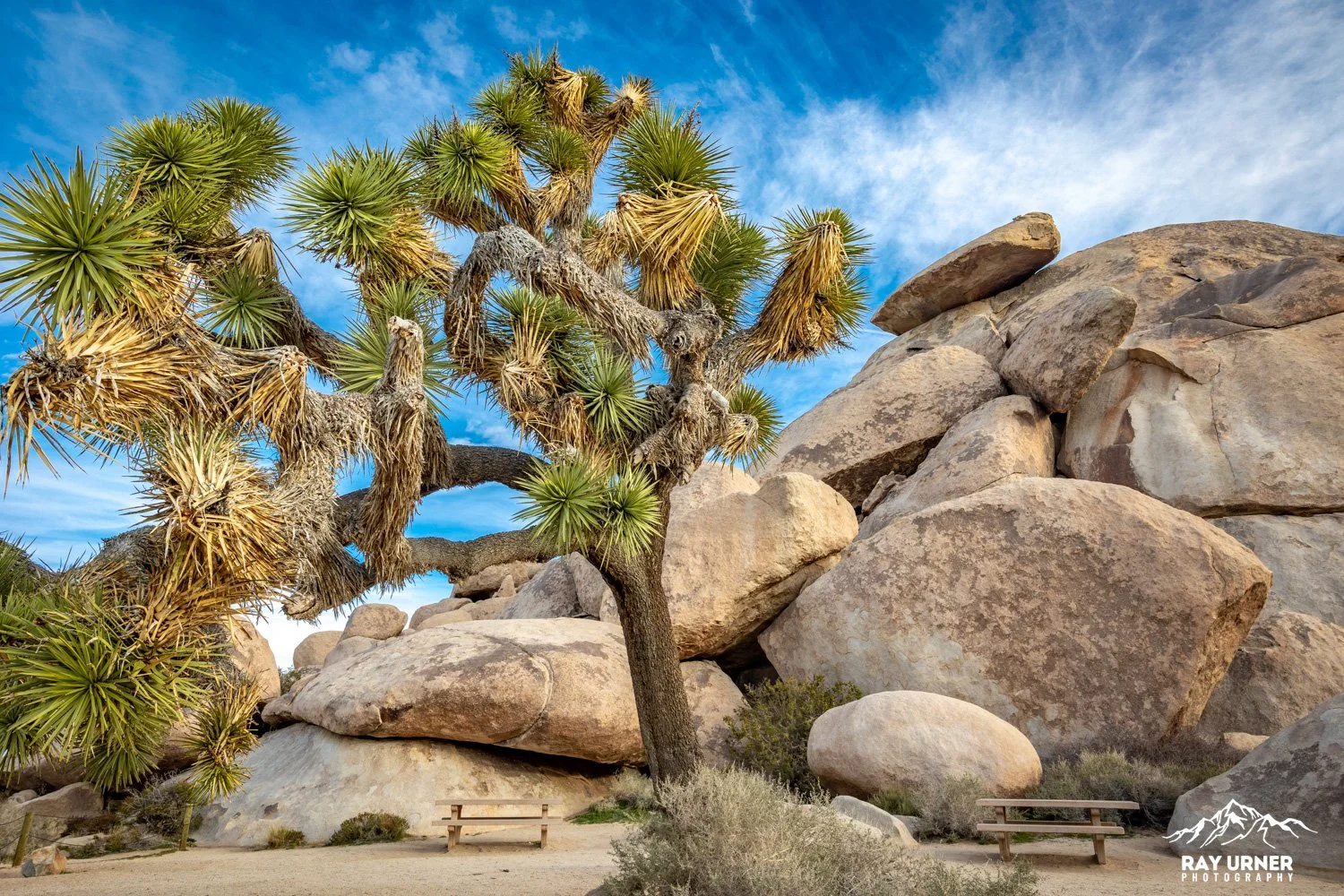
4. Joshua Tree Foregrounds
The trail weaves in and out of Joshua tree and juniper stands.
Position trees against rock backgrounds to avoid sky blowout in harsh light.
35mm–70mm gives clean, balanced frames.
5. Off‑Trail (Legal) Picnic‑Area Angles
The picnic area offers boulders not on the loop but within the designated day‑use space.
Great spot for photographing food/camp scenes, gear shots, or lifestyle frames.
Avoid climbing beyond posted boundaries.
Shot List
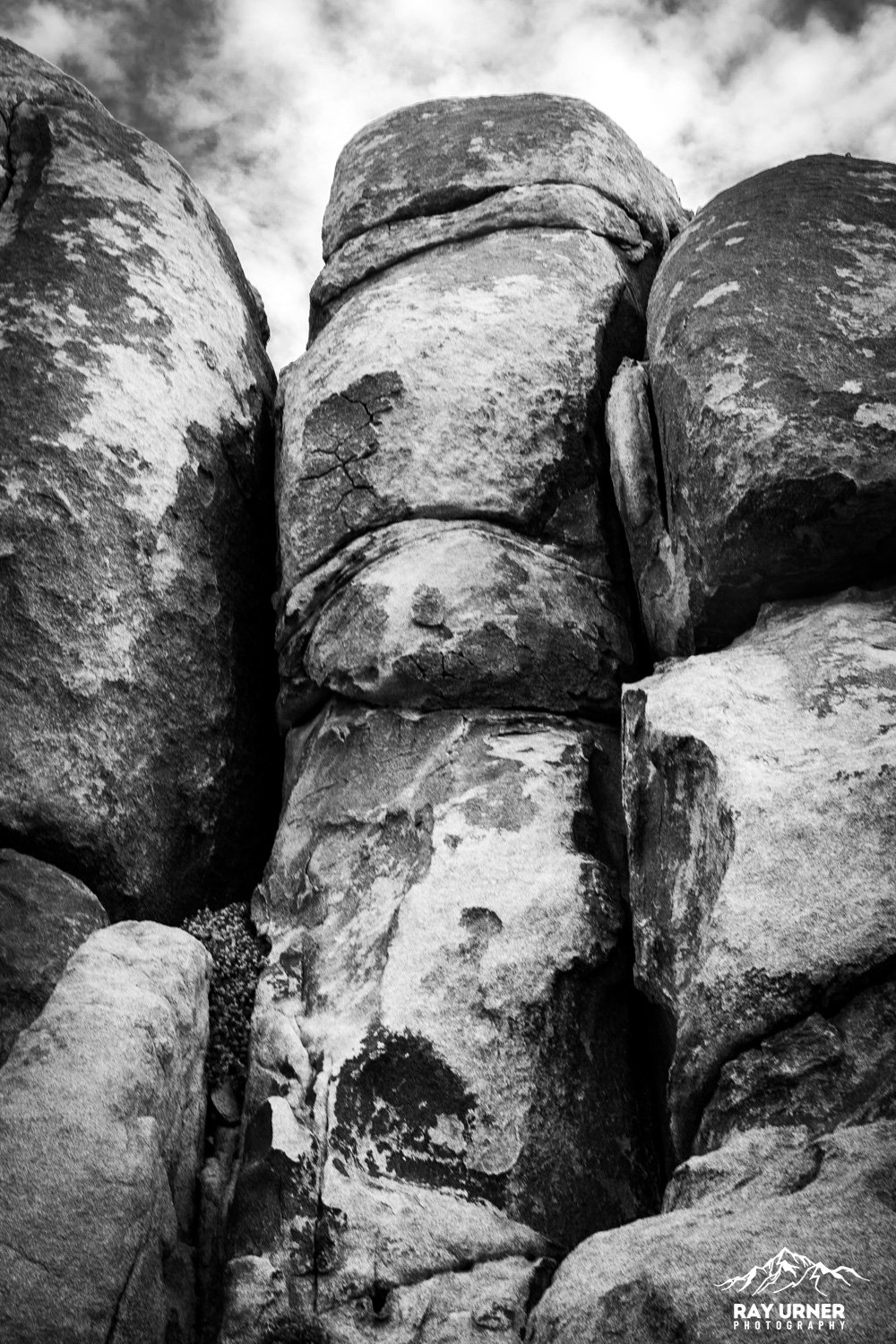
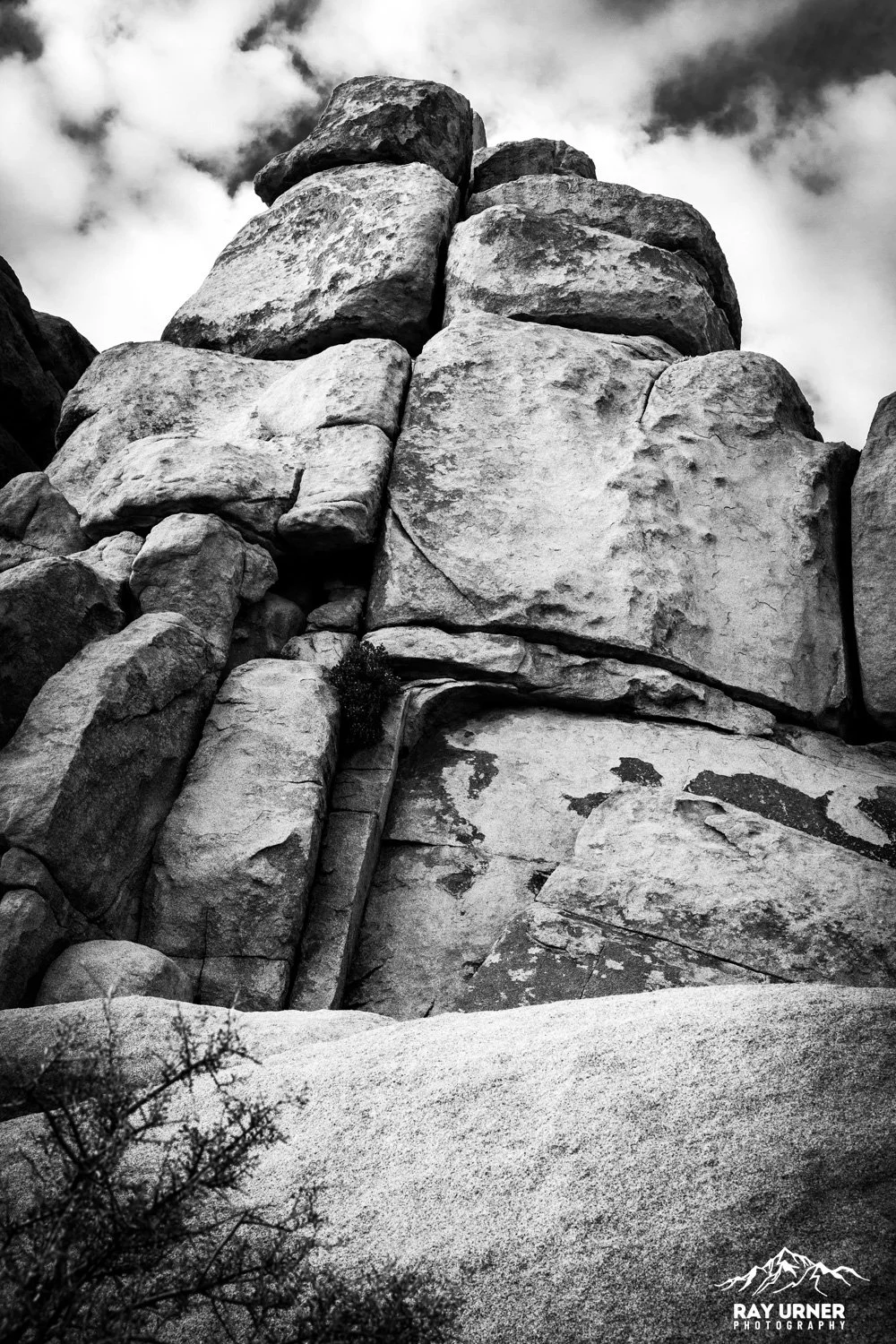
Granite Geometry: Hard shadows + high‑contrast textures.
Flora close‑ups: Desert almond, woolly marigold, Mojave yucca in reflected light.
Boulder‑Framed Portraits: Use rock corridors for natural vignettes.
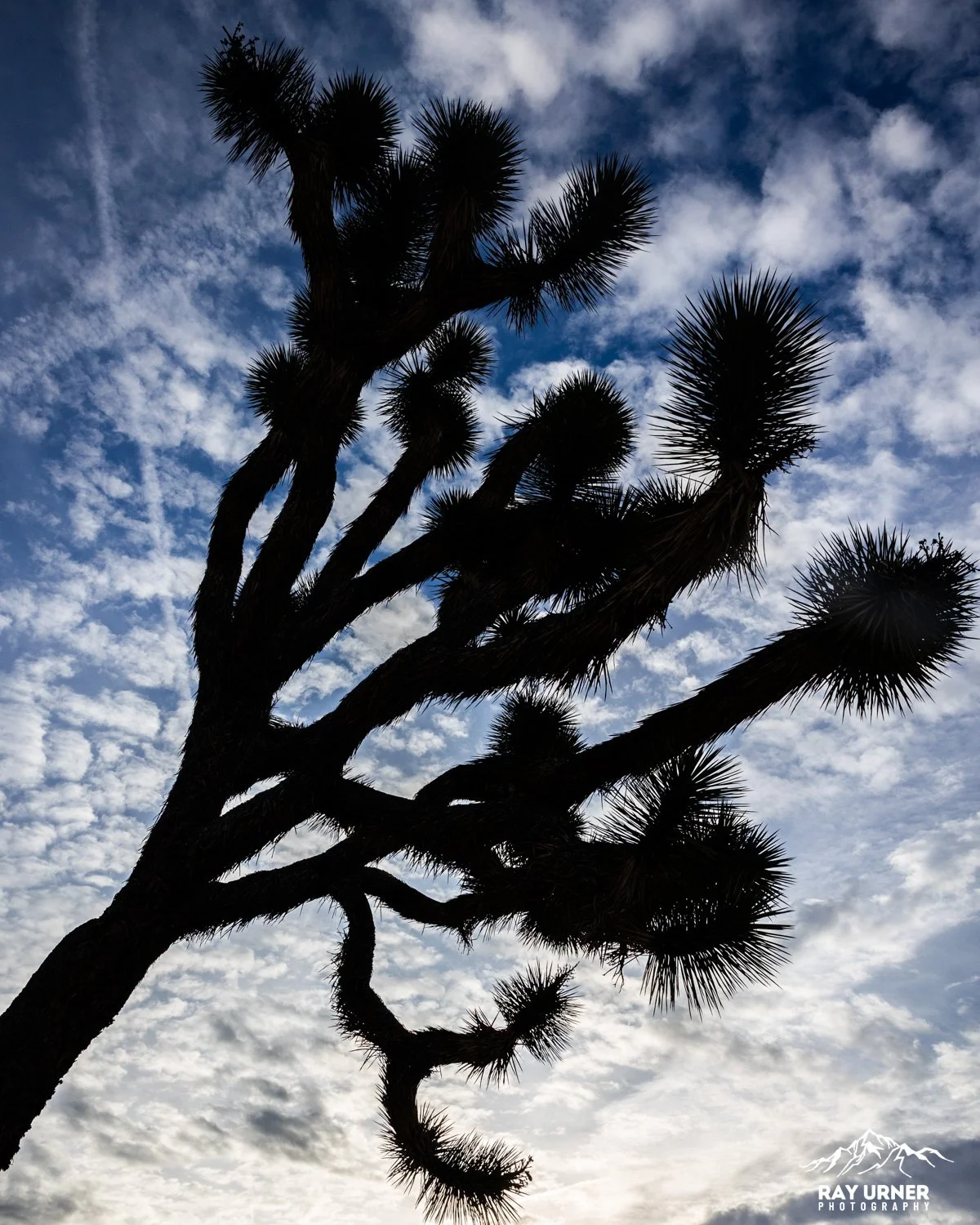
Joshua Tree silhouettes: Midday works if you under‑expose and use the branches as graphic shapes.
Cap Rock Scale Shot: A person in frame to show size and balance.
Light & Timing
Morning: Soft side‑light with fewer visitors. I literally had the entire trail to myself!
Midday: Lean into contrast—granite holds shape well and backlit Joshua trees still photograph beautifully with proper exposure.
Afternoon (pre‑sunset but not sunset): Warm tones begin but without full sunset crowds; excellent softening of shadows.
Avoid relying on golden sunset light entirely—Cap Rock is excellent even under harsh desert light because texture and form dominate its compositions.
Hiking & On‑the‑Ground Intel
Difficulty: Extremely easy; flat dirt loop; suitable for all ages.
Trail Length: 0.4 miles, 20 ft gain, typically 10–20 minutes (but longer for you because you’re finding all sorts of killer compositions.)
Shade: Limited; bring water and sun protection.
Cell Service: Often unreliable; download maps.
Logistics
Parking: 25 spaces + 2 accessible; may fill if Keys View lot overflows.
Restrooms: Vault toilet with grab bars; 2‑inch pad elevation change.
Picnic: Tables + grills on site.
Day‑Use Only: No camping or fires outside provided grills.
Accessibility Notes
Hard‑packed dirt loop; some portions may be too loose for many mobility devices.
Parking includes 2 accessible spaces; the area around restrooms has minor elevation change.
Certain overhangs narrow trail width but most of the loop averages 36 inches.
Pro Tips
Arrive early to beat parking closures and bus influx.
Scout boulder angles first: Cap Rock has multiple shooting angles depending on how shadows fall across the “cap.”
Avoid climbing on fragile formations: Stick to established scramble areas.
FAQs
Is Cap Rock good for photography outside sunrise/sunset?
Yes—its defining features (granite shapes, microhabitats, Joshua trees) photograph beautifully in mid‑day high‑contrast light.
Is it family‑friendly?
Absolutely. The loop is short, flat, and filled with interpretive signs.
Can I explore the boulders?
Yes, in designated day‑use areas, but not beyond boundaries. Some paths around the cap are unofficial but commonly used—exercise caution.
Is there shade?
Minimal natural shade except at boulder bases. Bring water year‑round.