
Joshua Tree National Park
Joshua Tree National Park is a landscape shaped by wind, time, and imagination — a desert where granite monoliths rise like monuments and Joshua trees twist into silhouettes that look drawn from another world. This guide follows a curated sequence of locations, each chosen for its photographic character, accessibility, and the unique story it adds to your Joshua Tree experience.
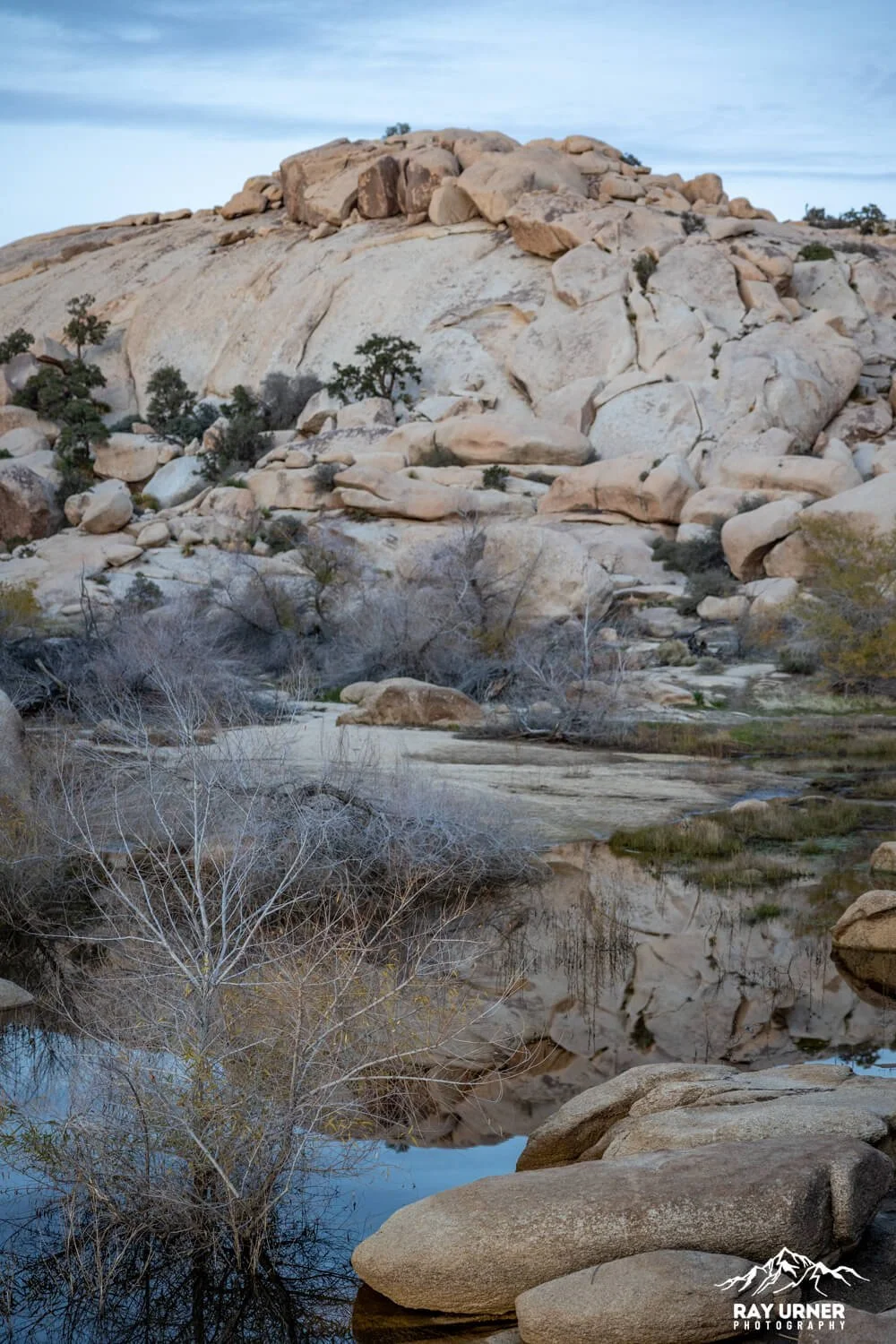
Barker Dam
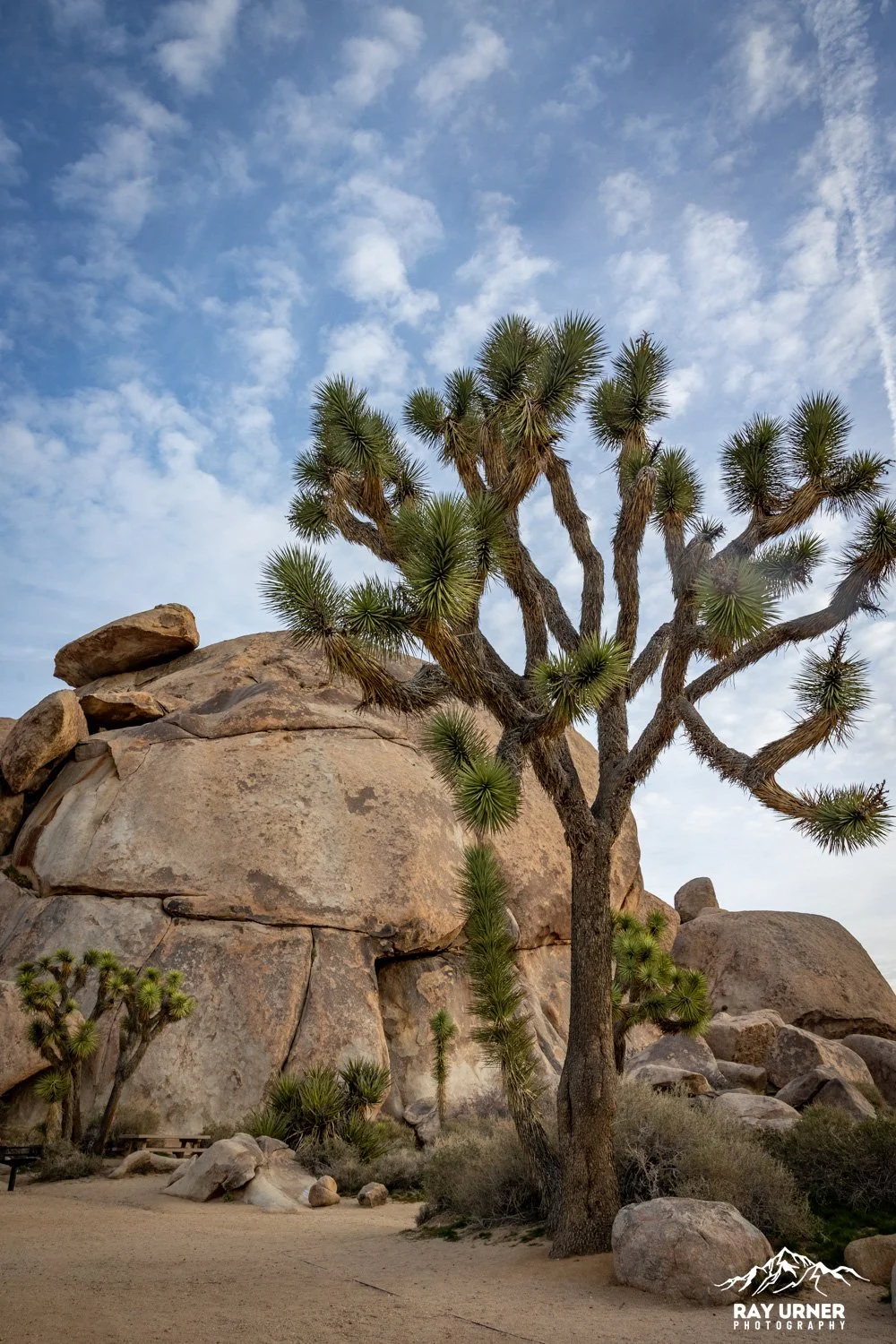
Cap Rock
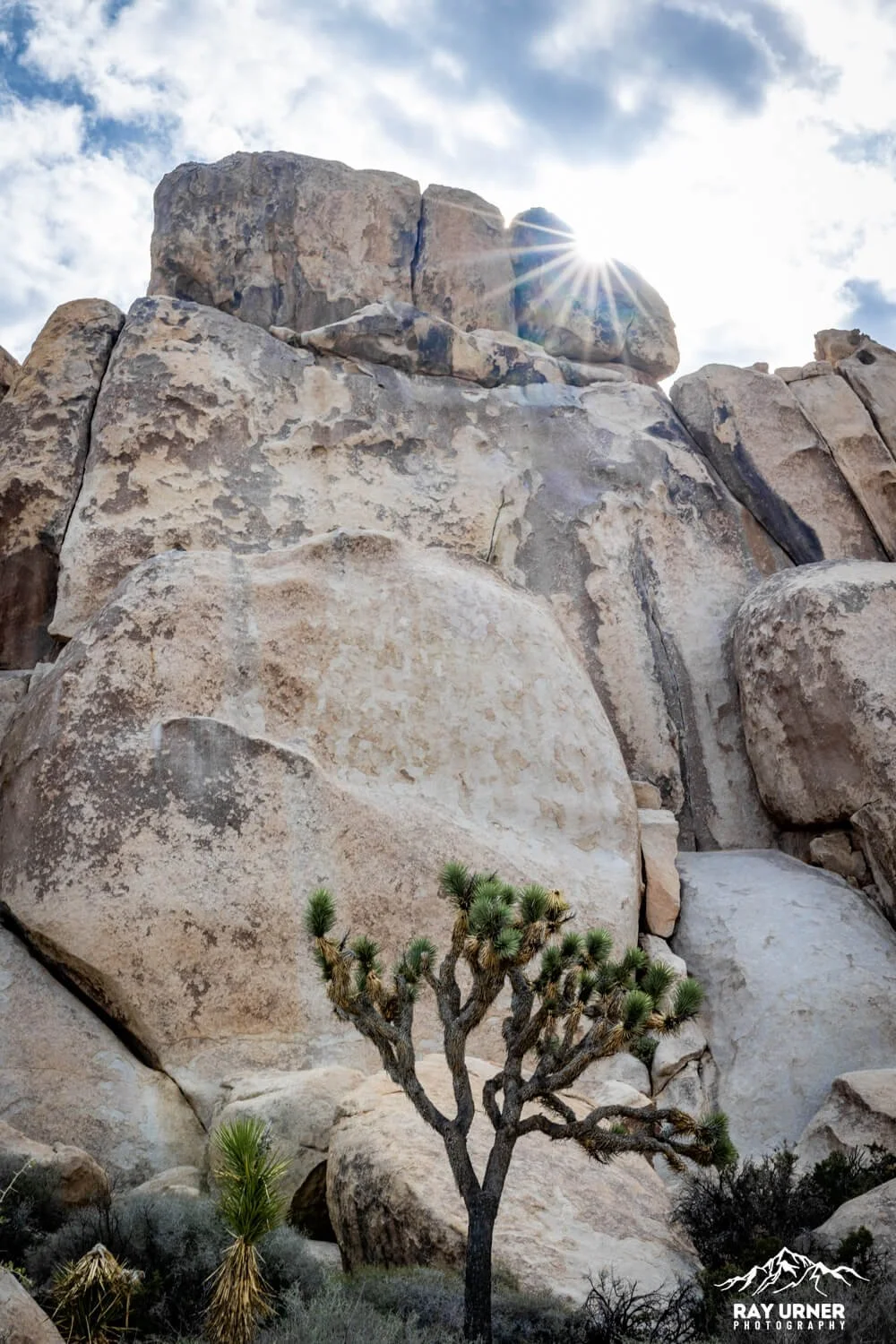
Hall of Horrors
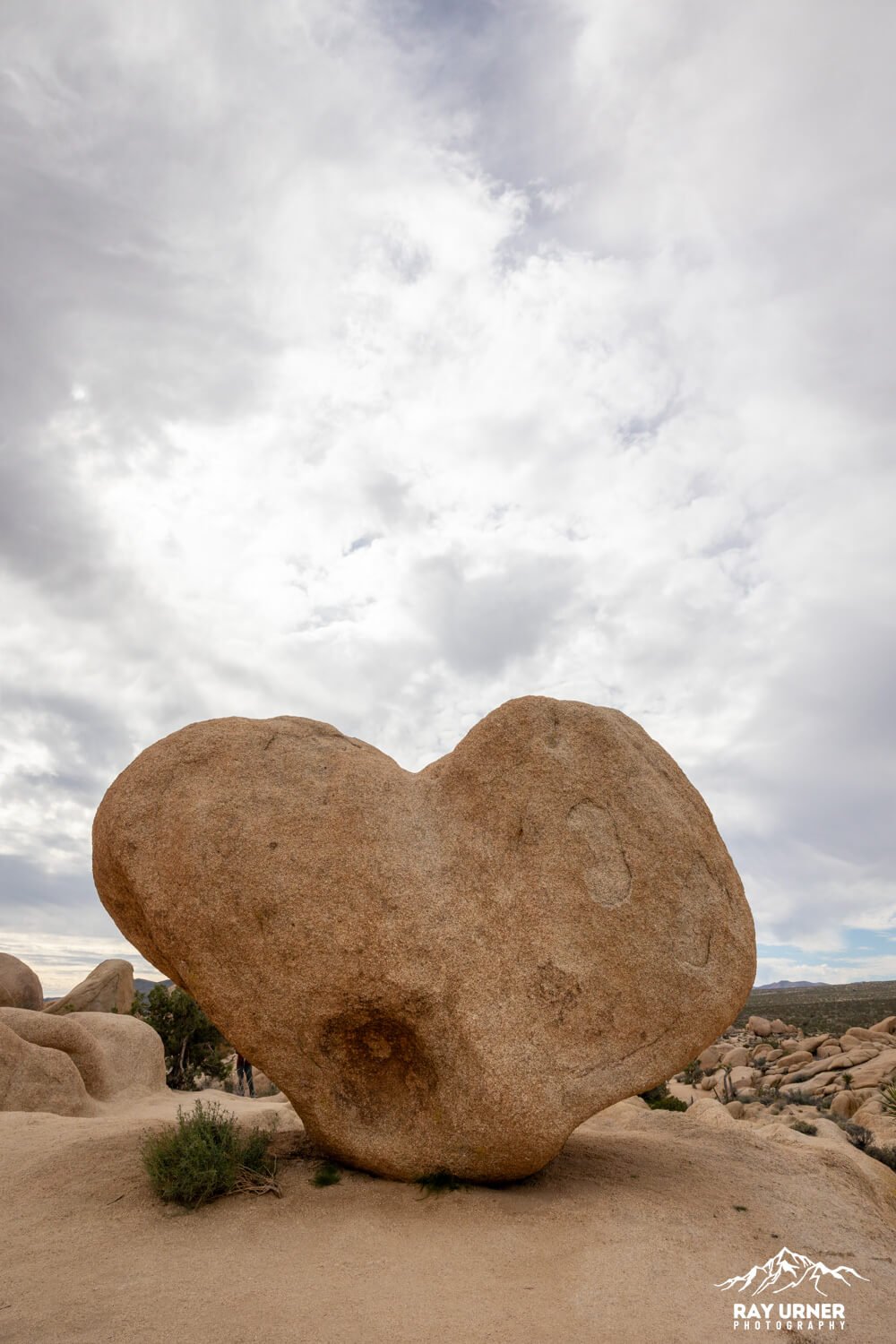
Heart Rock
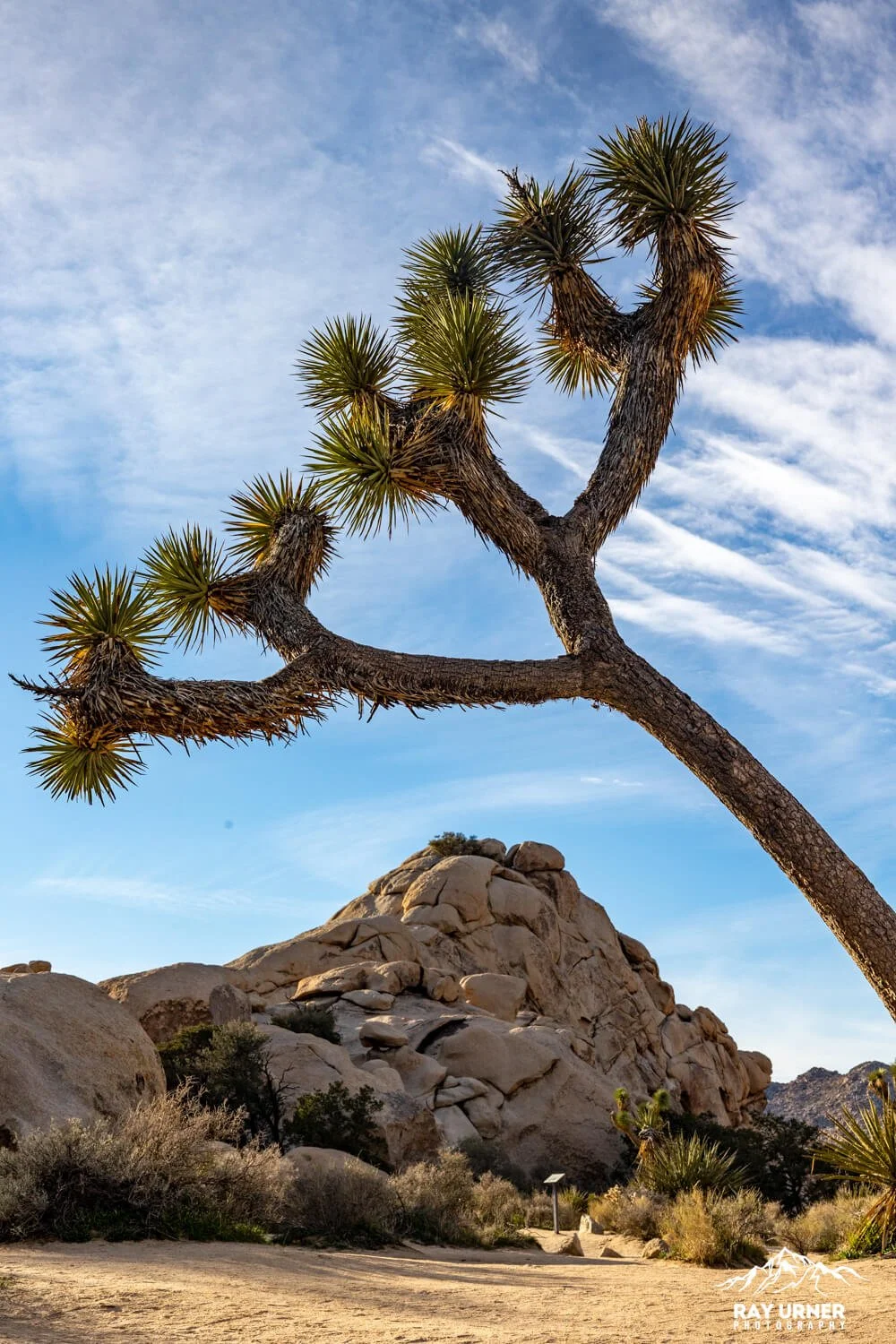
Hidden Valley Nature Trail
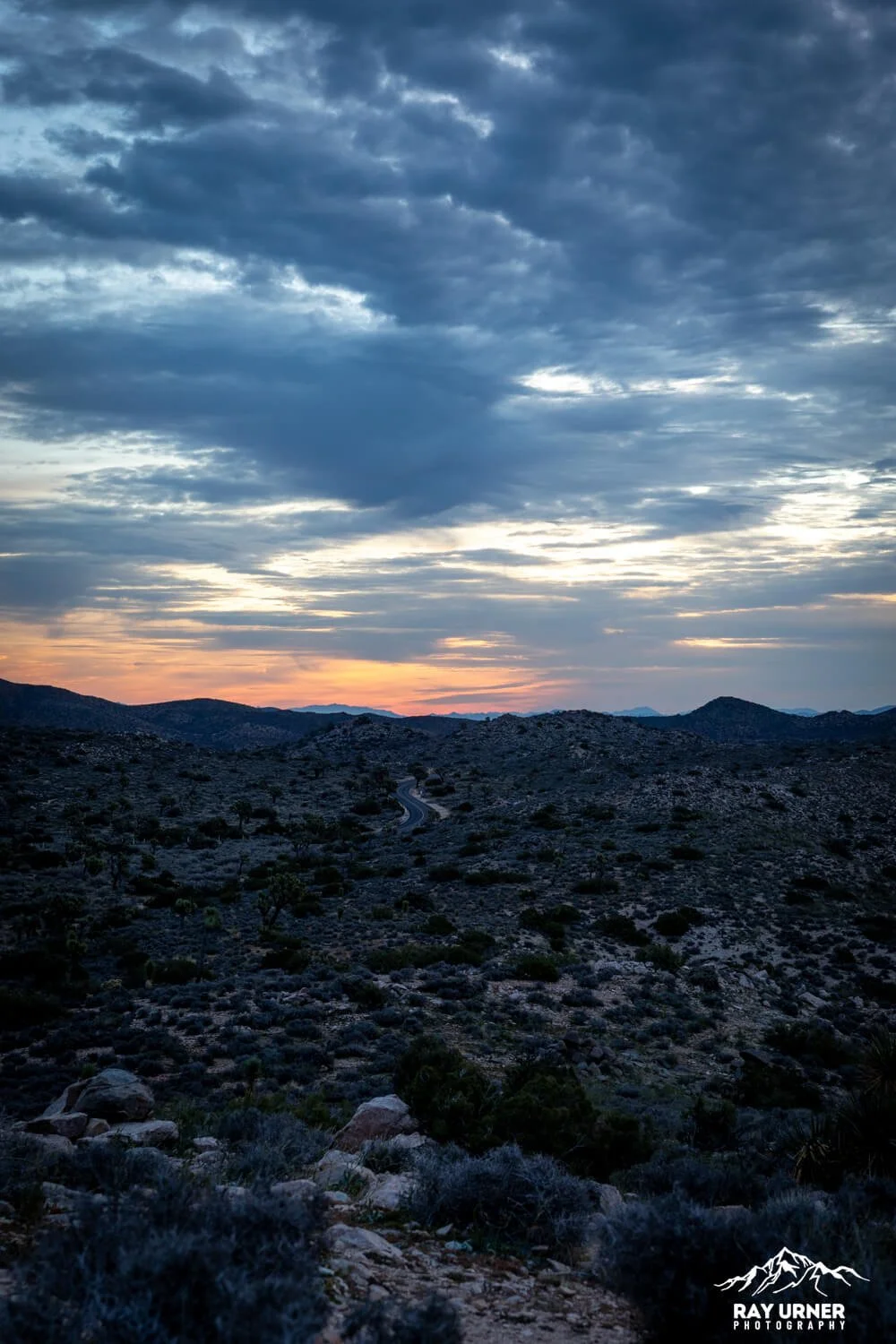
Keys View
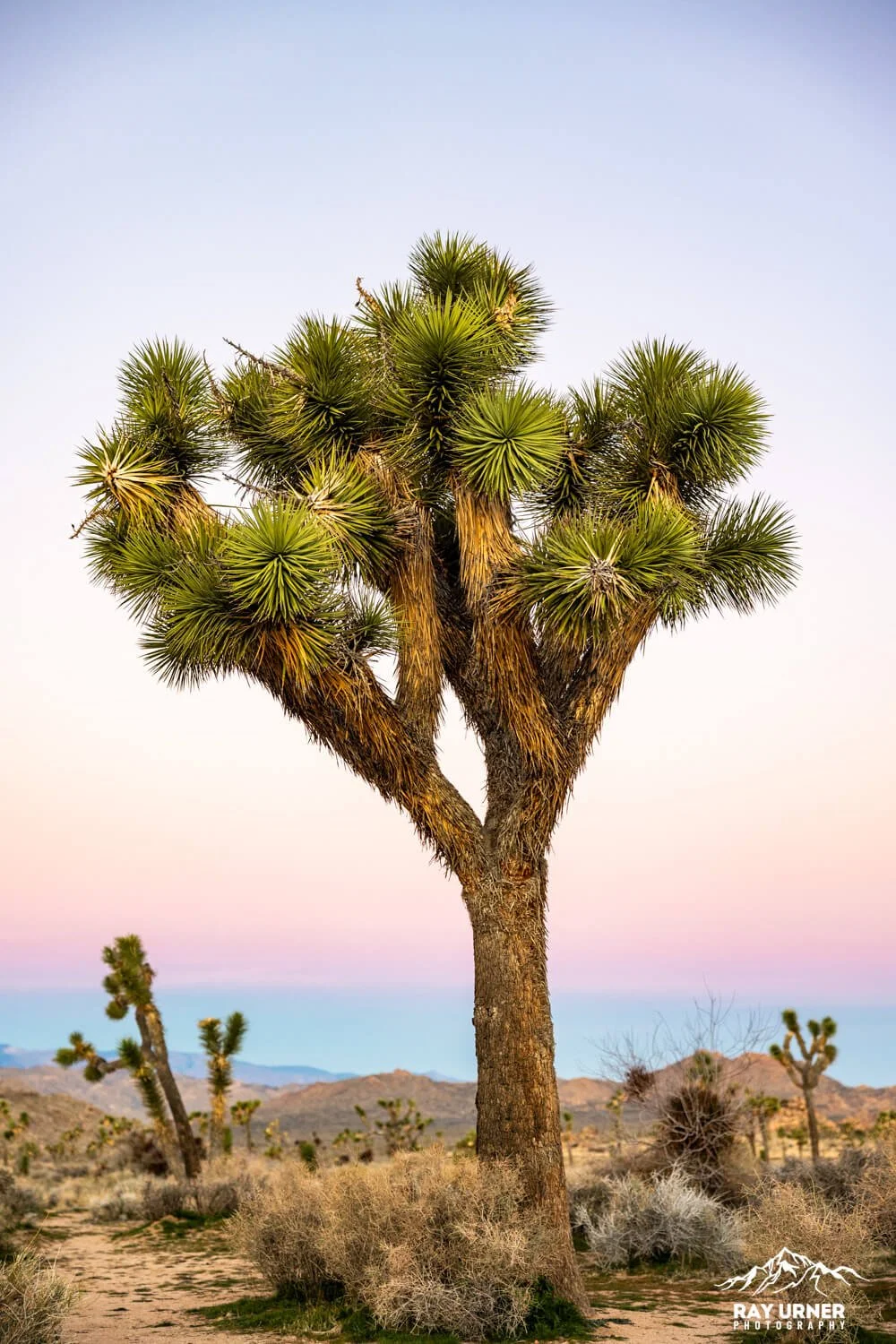
Quail Springs
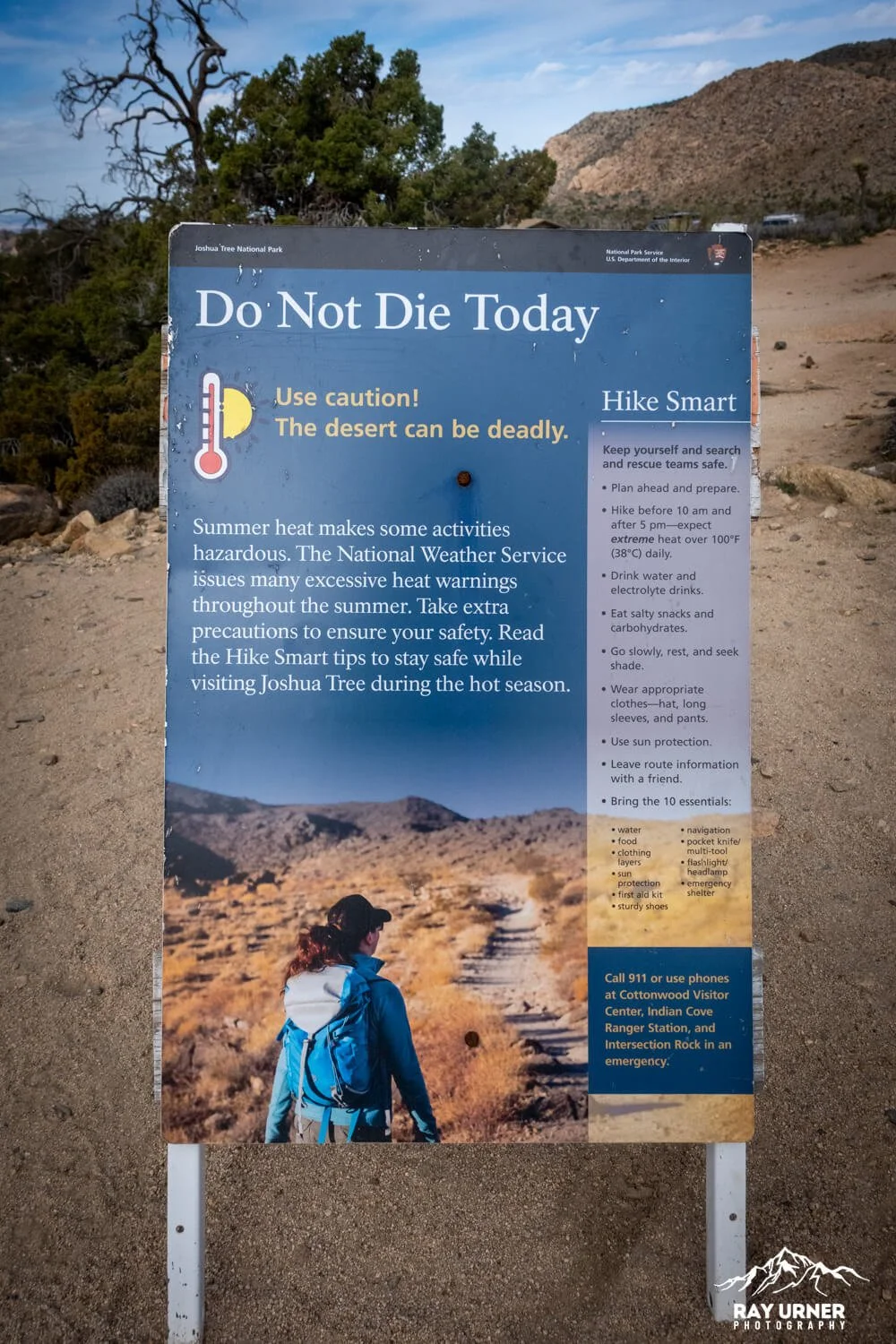
Ryan Mountain Summit
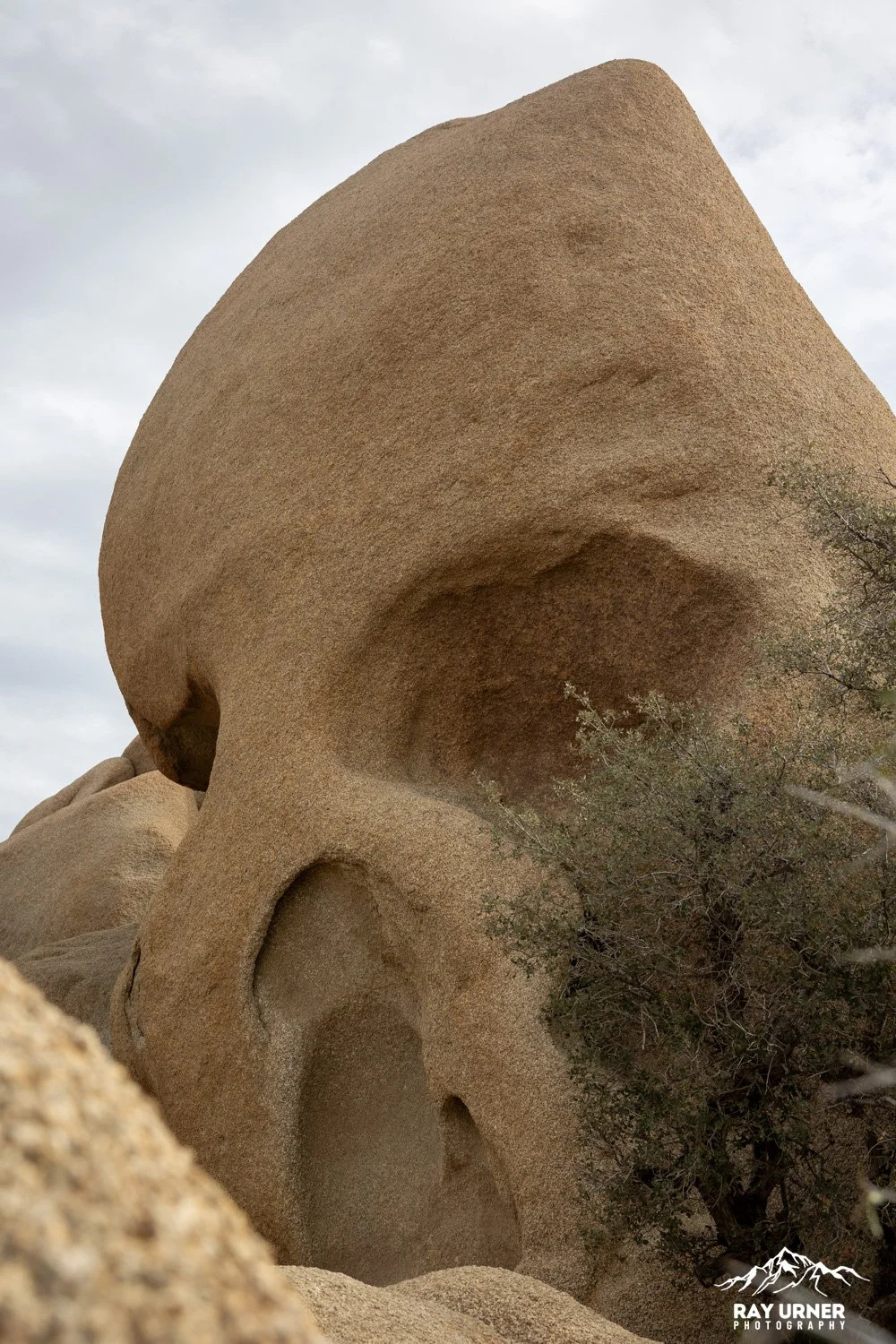
Skull Rock
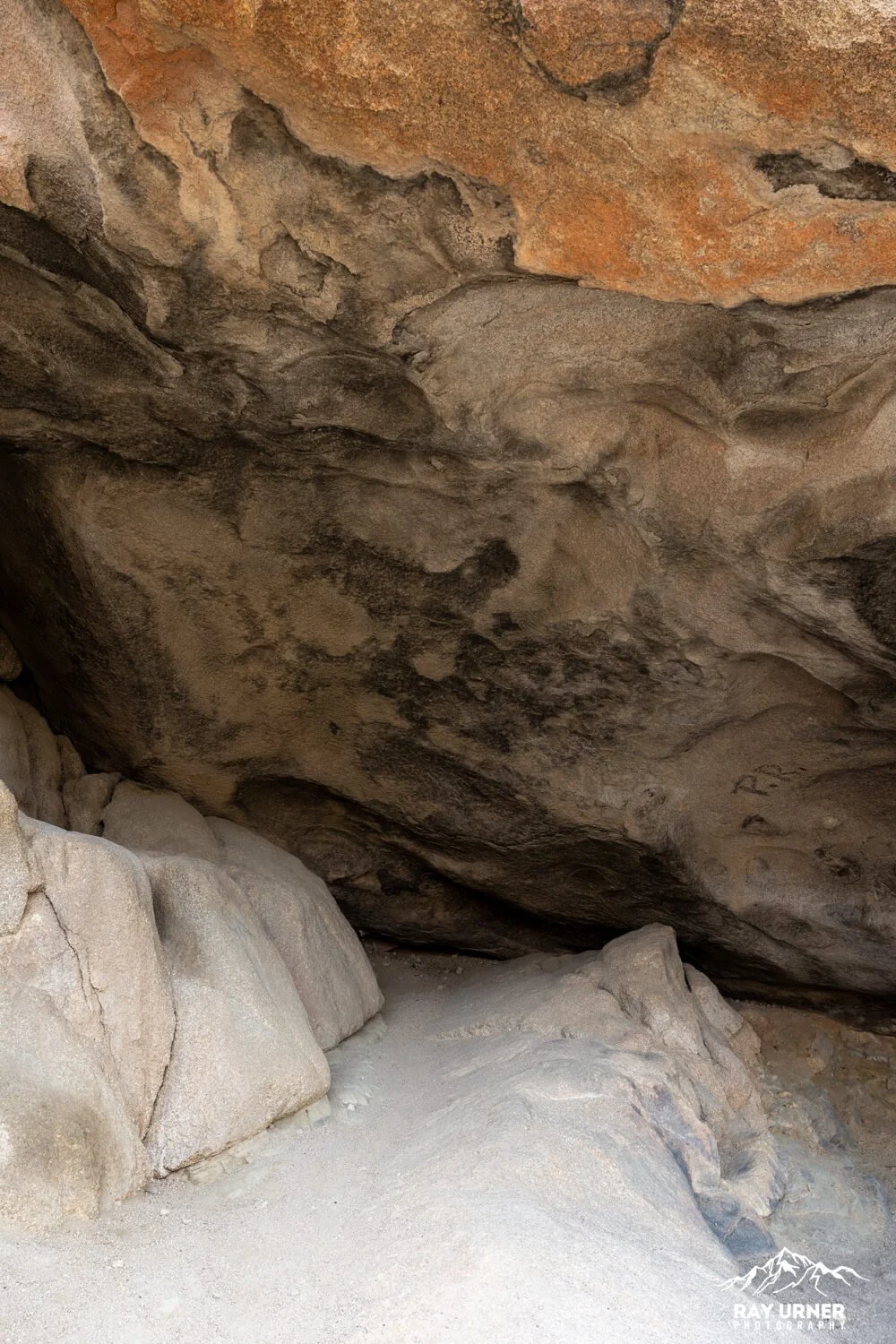
Split Rock
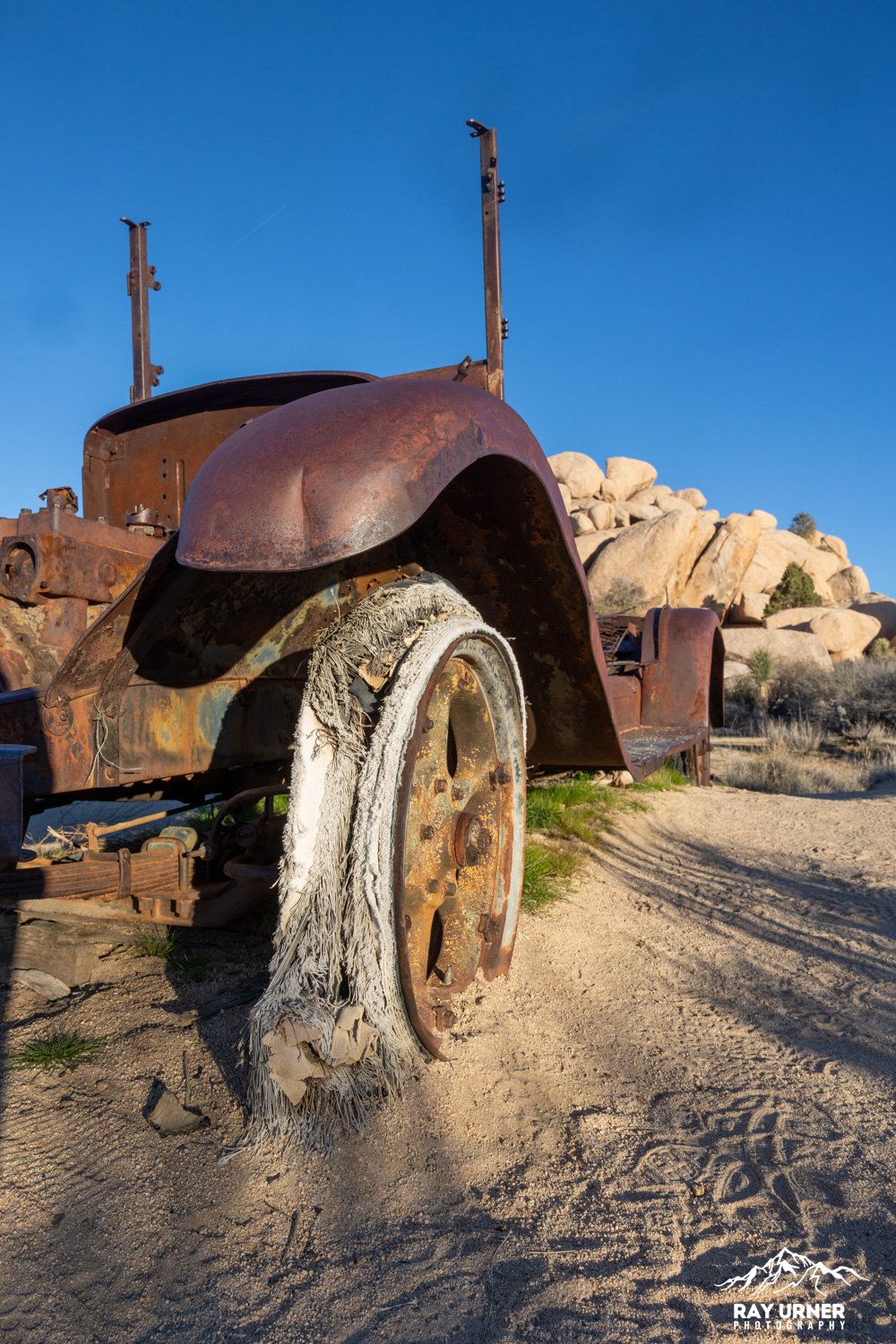
Wall Street Mill
Joshua Tree Photography Highlights
Quail Springs Picnic Area opens the journey at sunrise, where gentle golden light washes over low boulders and Joshua trees in a quiet, easily accessed basin — the perfect warm‑up before diving deeper into the park.
Skull Rock brings you roadside drama with its naturally eroded “skull” face, offering countless ways to play with shape, texture, and perspective as you wander the surrounding rock gardens.
Split Rock highlights Joshua Tree’s classic monzogranite formations at their most striking, with its dramatic cleft and surrounding boulder clusters providing endless compositional opportunities without needing to hike the full loop.
Heart Rock, tucked into a maze of rock formations, rewards explorers with a perfectly sculpted stone heart — an intimate, whimsical landmark framed beautifully from multiple angles.
Hall of Horrors shifts the mood into a maze of towering boulders and sandy corridors, where the loop offers easy exploration and clean compositions even without entering the slot canyons.
Ryan Mountain delivers the park’s most expansive summit panorama, a short but rewarding ascent that reveals the scale of Joshua Tree’s valleys, ranges, and rock fields from a true top‑down vantage point.
Cap Rock offers an easy, interpretive loop where junipers, Joshua trees, and balanced granite slabs illustrate the park’s geology at a relaxed pace — a compact, texture‑rich stop suitable any time of day.
Wall Street Mill closes the journey with a walk through the park’s mining past, blending desert scenery with rusted cars, a historic well, and the best‑preserved gold‑processing mill in Joshua Tree — a treasure trove for storytelling photographs.
Quick Tips for Photographing Joshua Tree
Prioritize the "Blue Hour" and Astro: Because the park lacks shade and the sun can be harsh, the best shots happen just after sunset or late at night. The high desert air is incredibly clear, making it one of the best spots in California for Milky Way photography and star trails behind the silhouette of the trees.
Use Backlighting for the Yuccas: To make the Joshua Trees truly pop, position yourself so the sun is behind the tree (rim lighting). This highlights the "fuzz" and sharp needles on the branches, creating a glowing halo effect that separates the tree from the monochromatic desert floor.
Mind Your Focal Length at the Rock Formations: While it's tempting to use a wide-angle lens for everything, try a telephoto lens (70-200mm) when shooting the rock piles at Jumbo Rocks or Hidden Valley. Compressing the landscape makes the massive boulders look even more imposing and helps you isolate the unique textures of the monzogranite.