Death Valley National Park
Death Valley is a landscape defined by contrast—towering views and plunging basins, polished narrows and jagged salt fields, pastel mountains and volcanic canyons. Light behaves dramatically here, transforming scenes from hour to hour, and every location in the park asks something different from you as a photographer. The following stops make up a complete, diverse, and deeply rewarding circuit through one of the most photogenic deserts on Earth.
Artist's Palette
Badwater Basin & Lake Manly
Dante's View
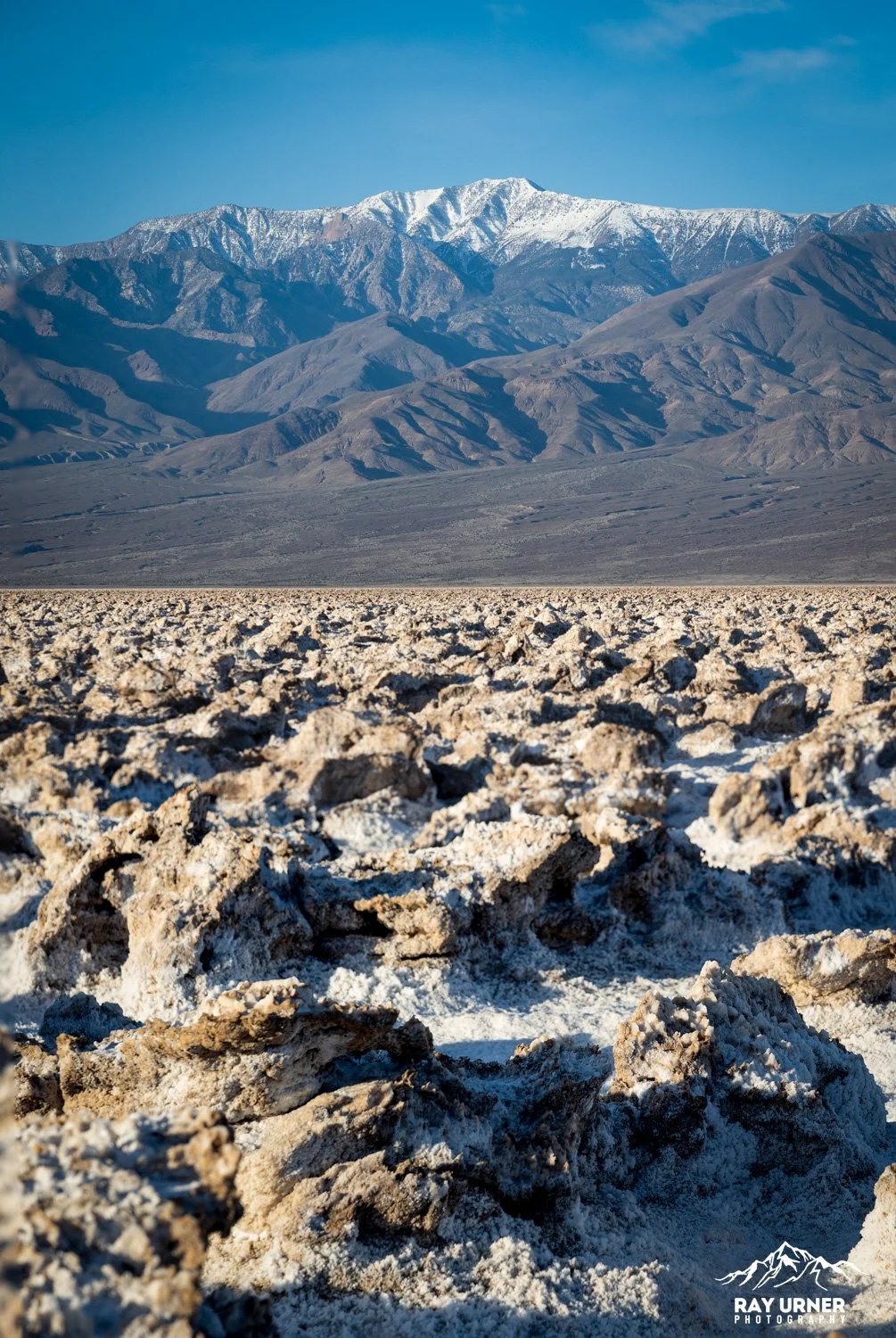
Devil's Golf Course
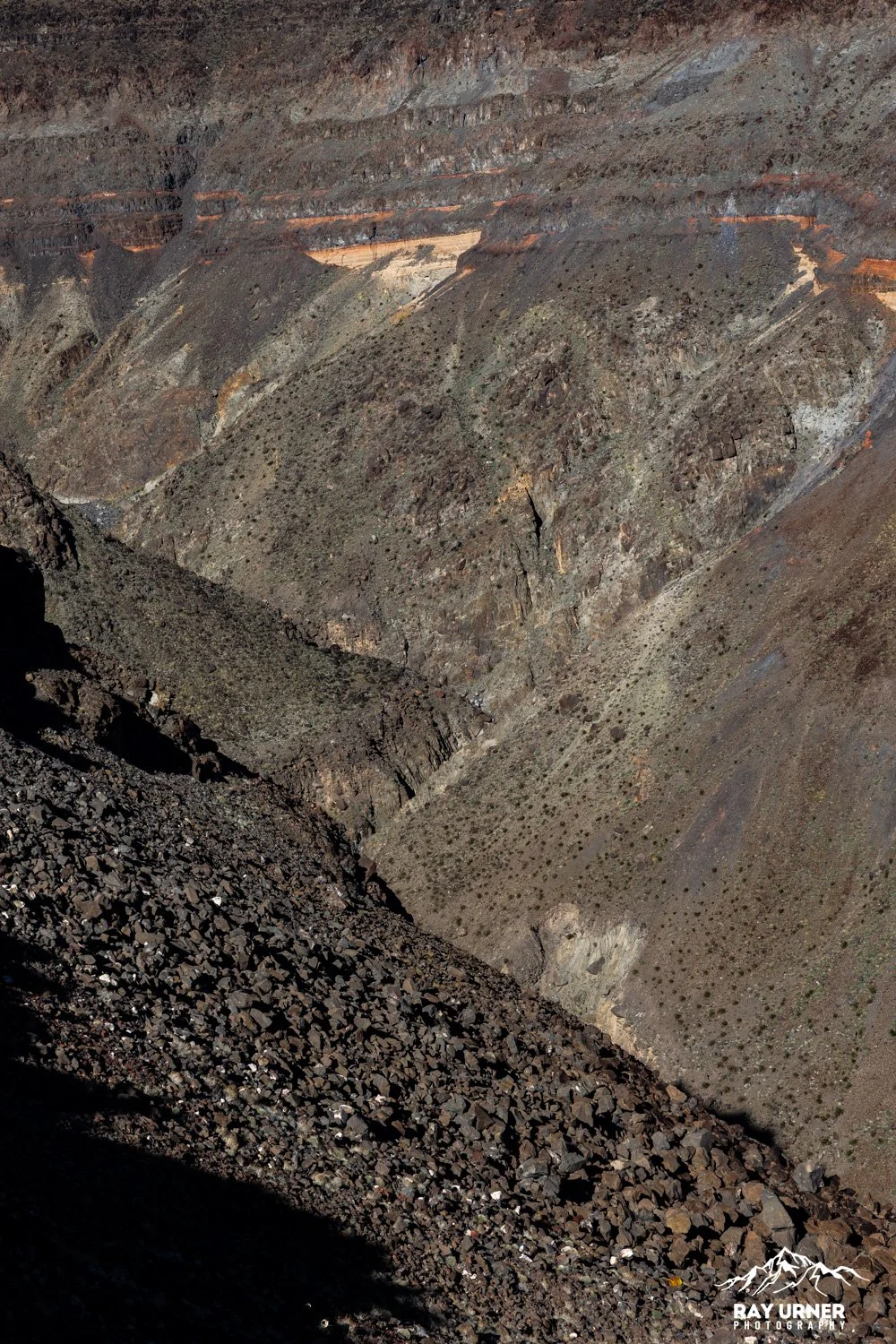
Father Crowley Point
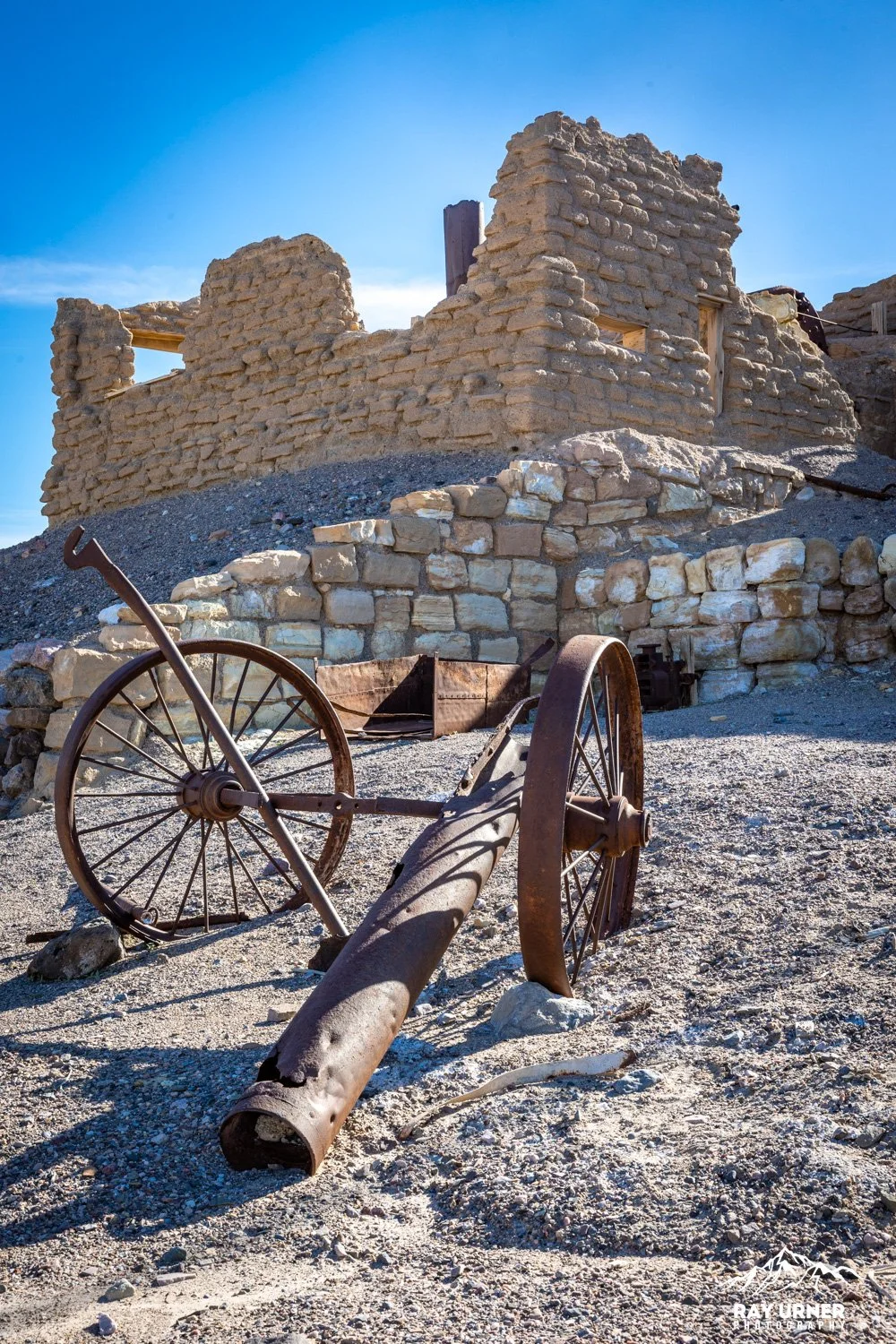
Harmony Borax Works
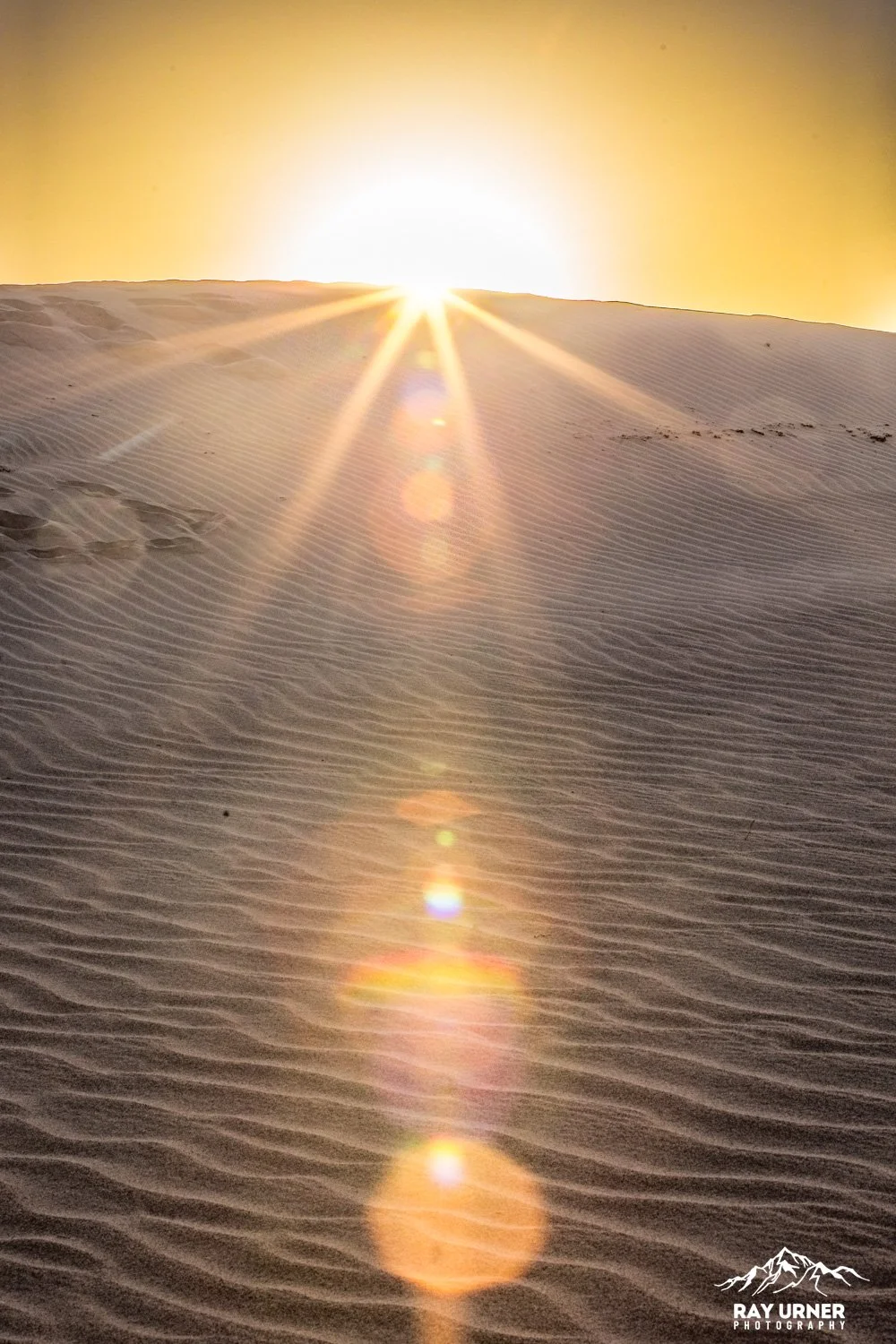
Mesquite Flats Sand Dunes
Mosaic Canyon
Natural Bridge
Rhyolite Ghost Town
The Ranch at Death Valley
Zabriskie Point
Death Valley Photography Highlights
Father Crowley Overlook
Sitting above Rainbow Canyon on the park’s western edge, Father Crowley offers a sweeping first glimpse into Death Valley’s volcanic past. Its rugged canyon walls, layered geology, and high‑elevation vantage point make it a perfect arrival‑day stop for long‑lens landscapes and desert‑ridge silhouettes.
Mesquite Flat Sand Dunes
The dunes shift constantly, but sunrise reveals perfect sculpted lines, soft ripples, and long desert shadows. Farther out in the dune field, untouched sand rewards hikers who venture beyond the crowds for pristine patterns and leading‑line compositions.
Harmony Borax Works
These ruins tell the story of Death Valley’s earliest industrial era, with historic boilers, wagons, and processing structures set against open desert. It’s a compact location filled with textures—rusted metal, aged wood, and salt‑crusted earth—ideal for detail‑driven storytelling.
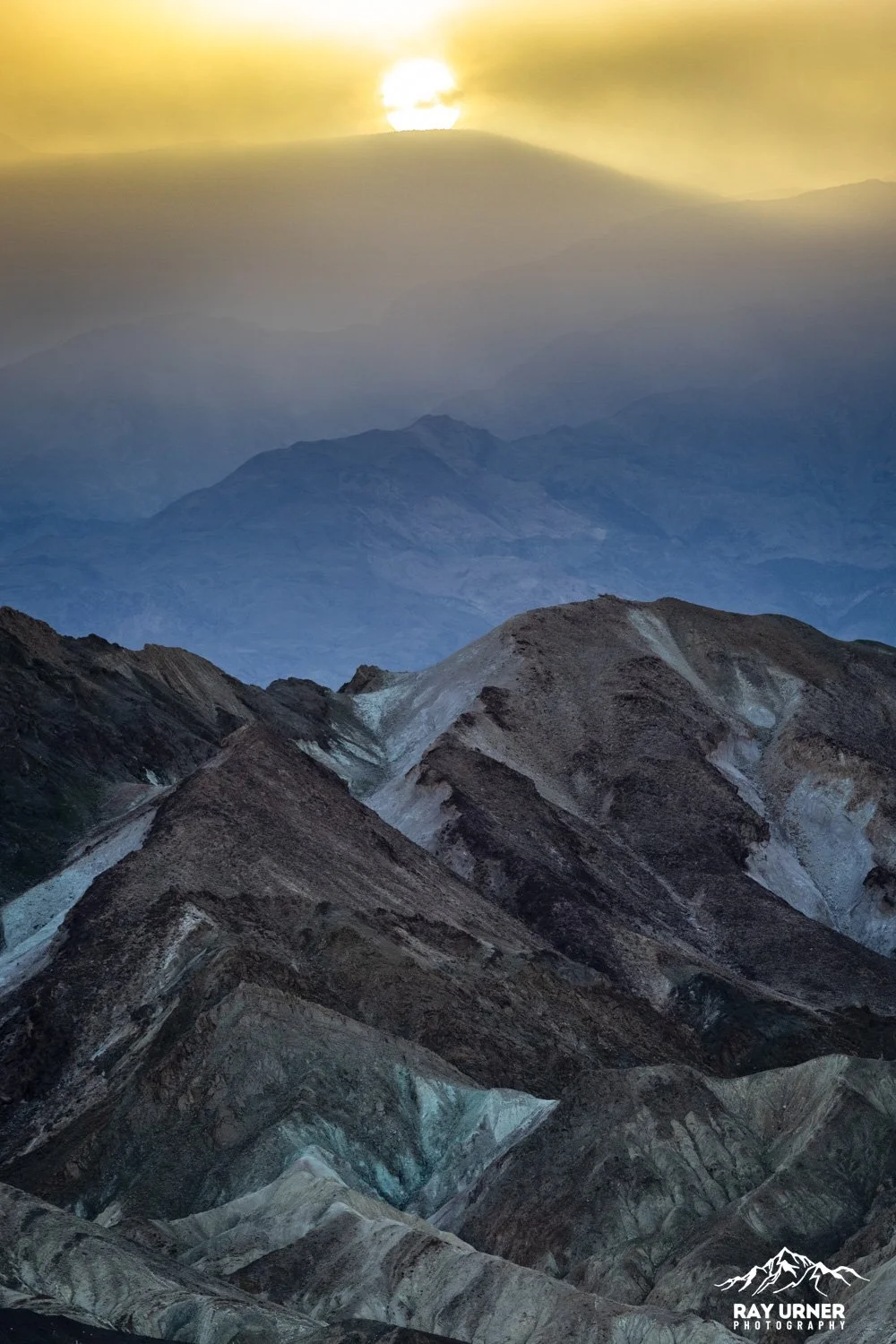
Zabriskie Point
One of the park’s icons, Zabriskie glows in warm light as the badlands come alive with layered curves and golden tones. The nearby trails into the badlands offer immersive, low‑angle perspectives that feel completely different from the overlook above.
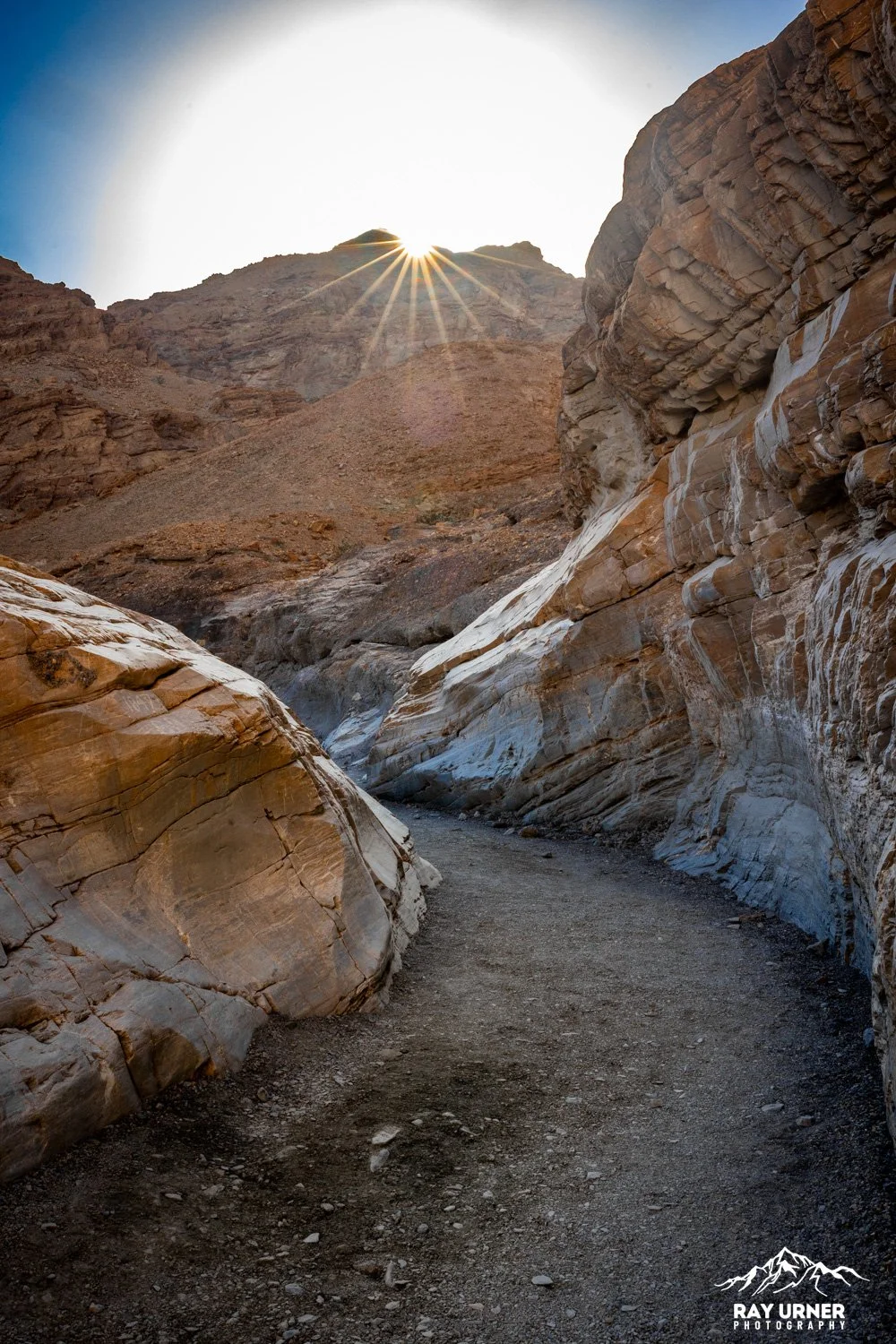
Mosaic Canyon
This canyon features smooth marble narrows and swirling breccia walls that photograph beautifully in reflected light. Its boulder jams and secondary narrows create a dynamic progression of textures, tones, and intimate desert details.
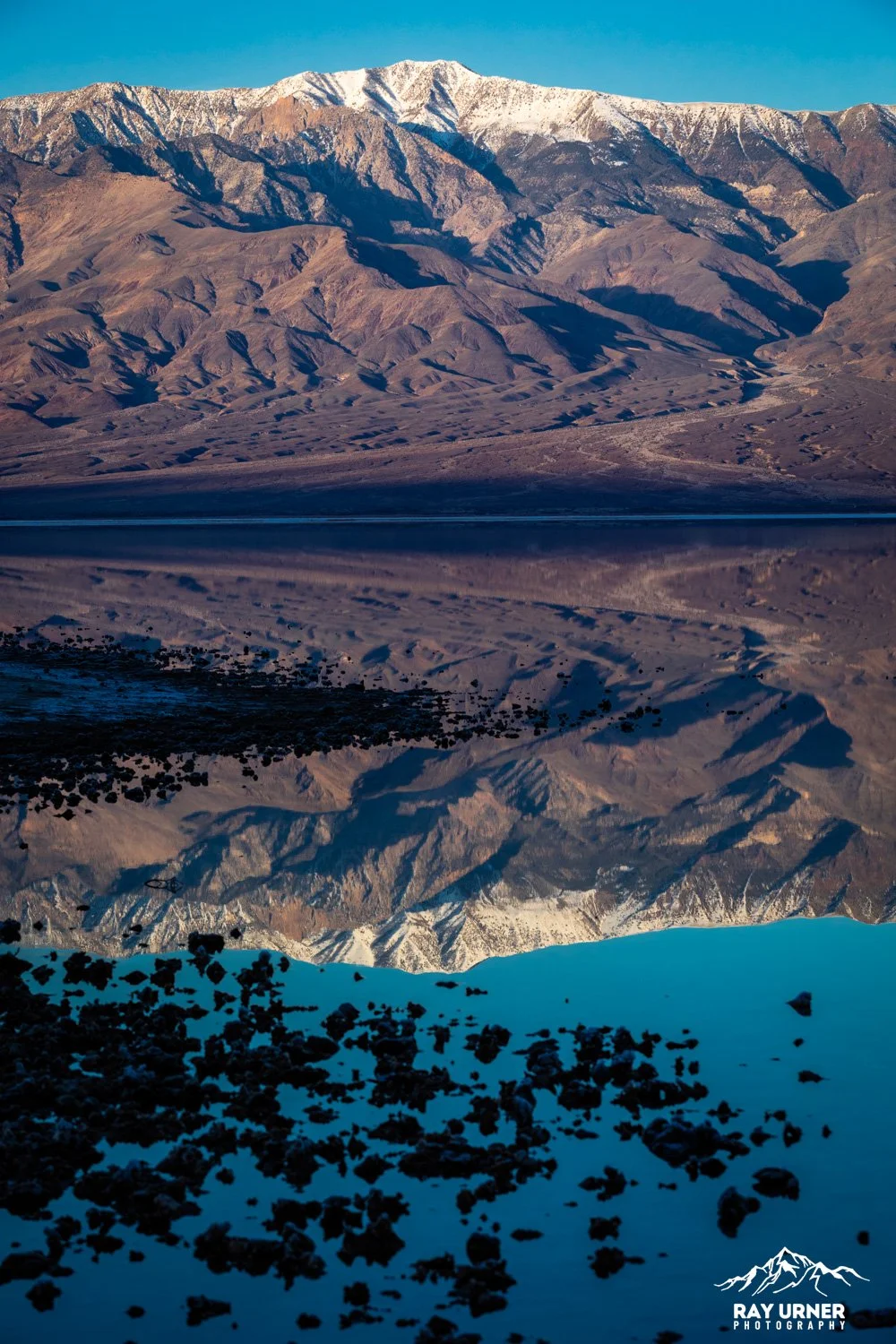
Badwater Basin & Lake Manly
The lowest point in North America is a vast salt pan with geometric polygons that shine at sunrise and glow at sunset. When rare flooding creates Lake Manly, the basin transforms into a mirrorlike expanse of reflections—one of the most magical photographic events in the park.
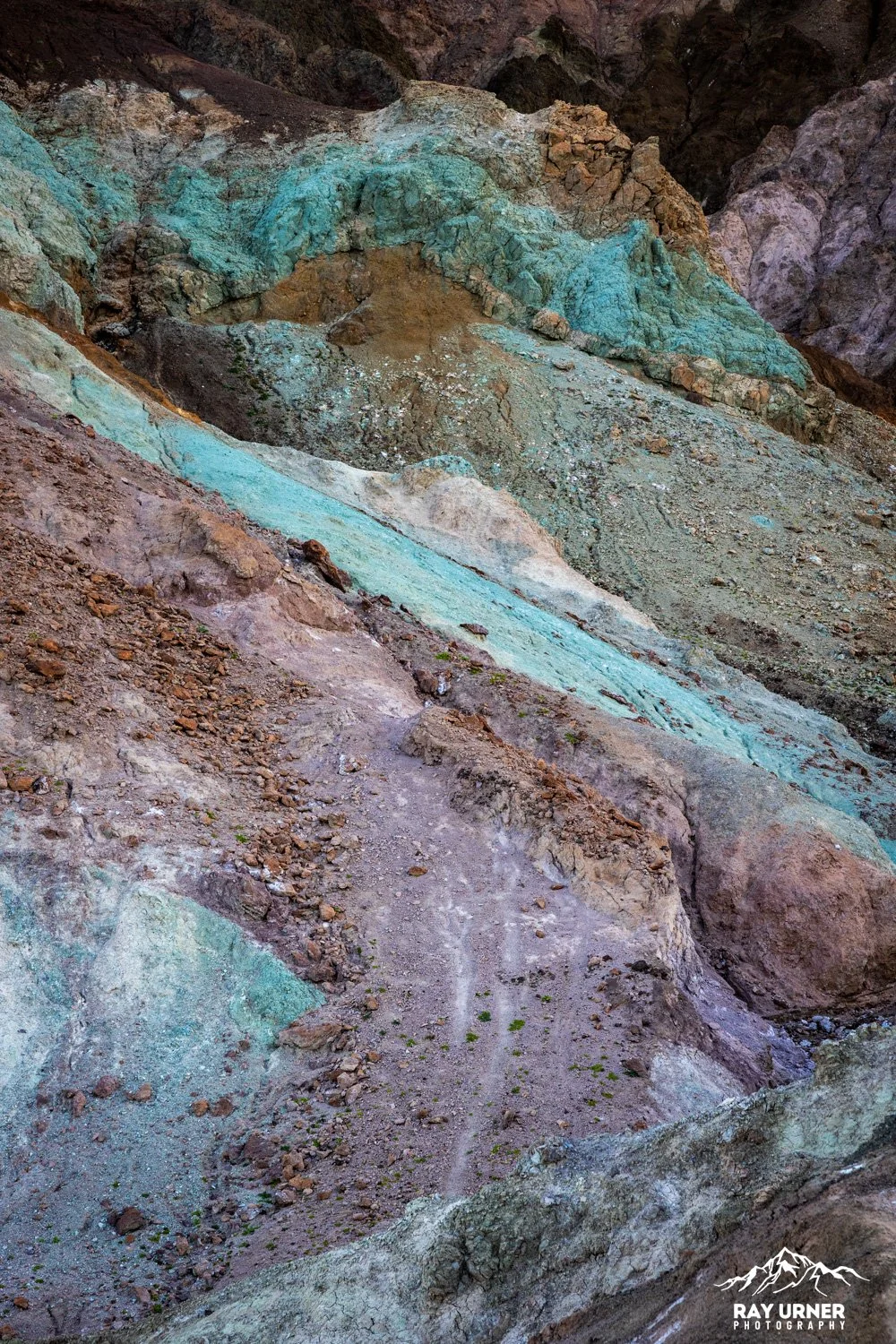
Artist’s Palette
Mineral‑stained hills in pastel greens, pinks, purples, and reds line this scenic drive, forming one of Death Valley’s most surreal landscapes. Sunrise softens these colors into painterly hues, while sunset intensifies their saturation and contrast.
Devil’s Golf Course
An expanse of jagged salt formations, this area becomes a playground of harsh textures in morning light after sunrise. Side‑light reveals the chaotic spikes in razor‑sharp detail and turns the surrounding mountains into a warm, contrasting backdrop.
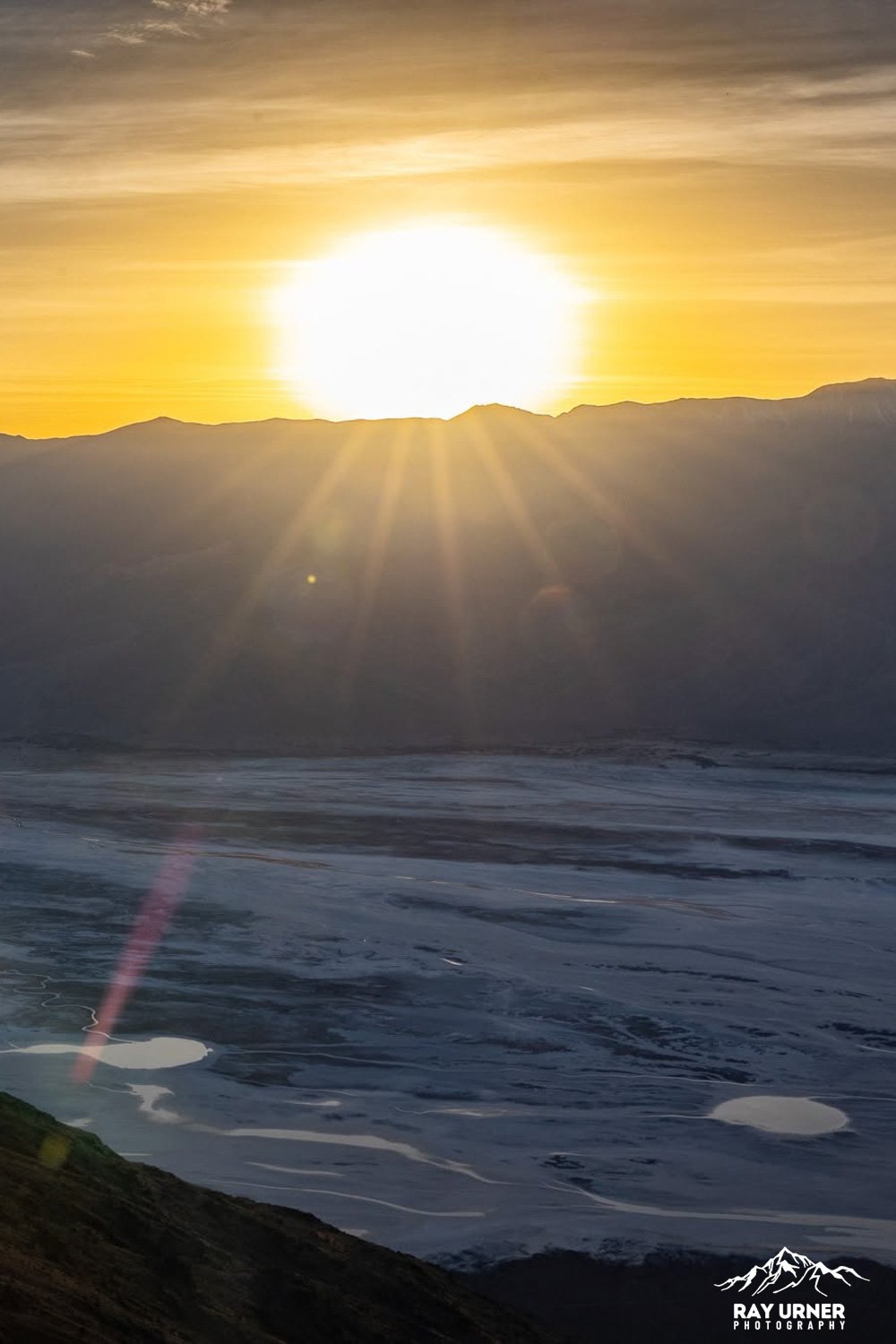
Dante’s View
From over 5,500 feet above the valley floor, Dante’s View is one of the most commanding vistas in the Southwest. Short ridge trails to the north and south offer quieter angles for sunset, with sweeping views of Badwater Basin, Telescope Peak, and the vast salt flats below.
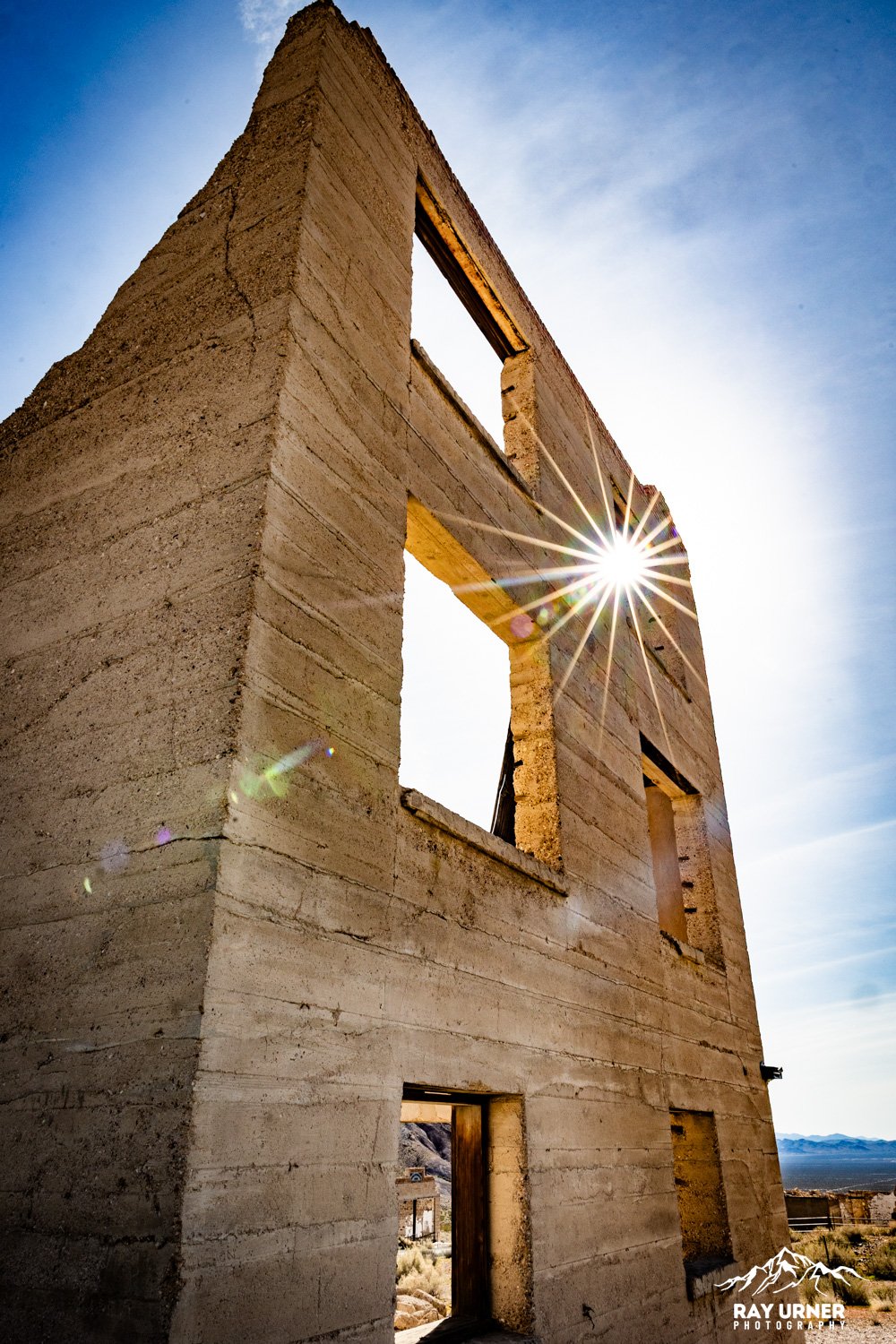
Rhyolite Ghost Town
Just outside the park, Rhyolite’s ruins, bottle house, and open‑air sculptures blend history, decay, and art in an endlessly photogenic setting. Harsh mid‑day light works surprisingly well here, emphasizing textures, shadows, and the stark desert aesthetic.
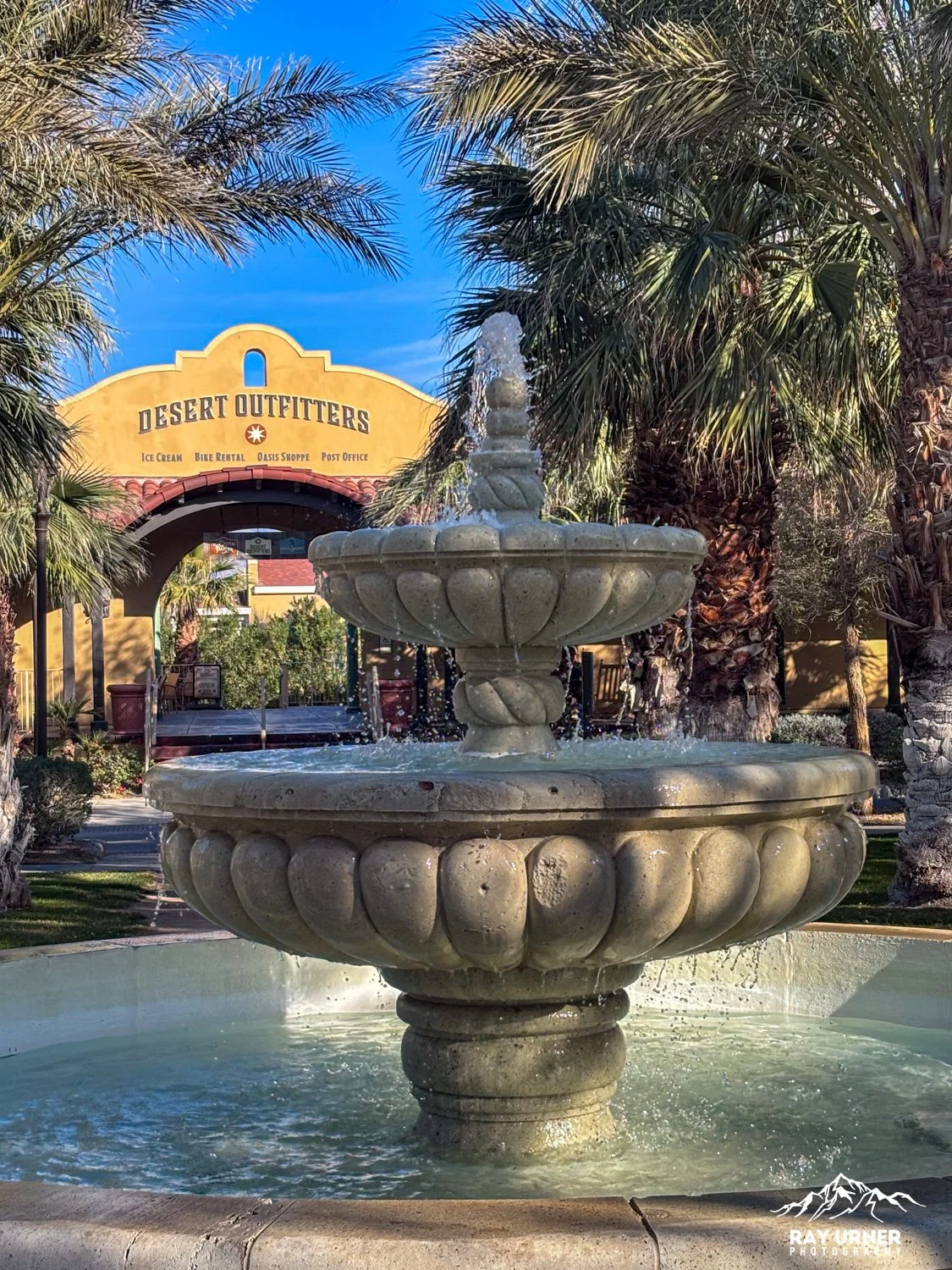
The Ranch at Death Valley
This oasis‑like resort at Furnace Creek serves as the park’s energetic basecamp, with palm‑lined walkways, a spring‑fed pool, and green lawns along the world’s lowest‑elevation golf course. Between sunrise and sunset sessions, it provides an ideal place to reset, recharge, and build lifestyle‑style images that contrast beautifully with the surrounding desert.
Together, these locations form a complete portrait of Death Valley: a park where color, texture, elevation, silence, and light shift dramatically from one mile to the next. Each stop offers its own mood and photographic rhythm, from sweeping grand‑vistas to intimate geological details, from human‑shaped history to wild desert minimalism. Taken as a whole, they reveal a landscape of extremes that rewards early risers, patient observers, and anyone willing to explore its edges—making Death Valley not just a destination, but an ever‑changing canvas for truly unforgettable images.